Default Prove Up Hearing With Motion In Florida
Description
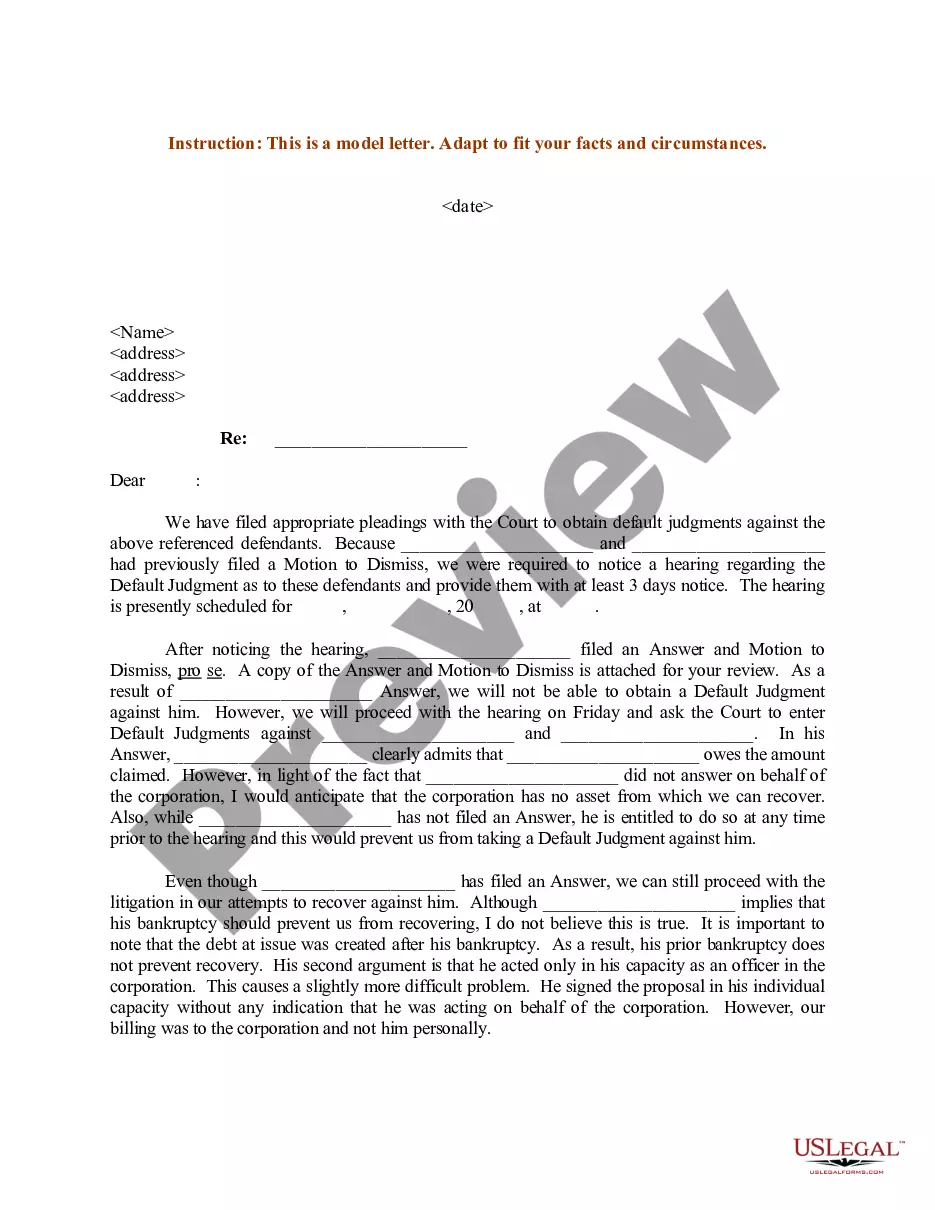
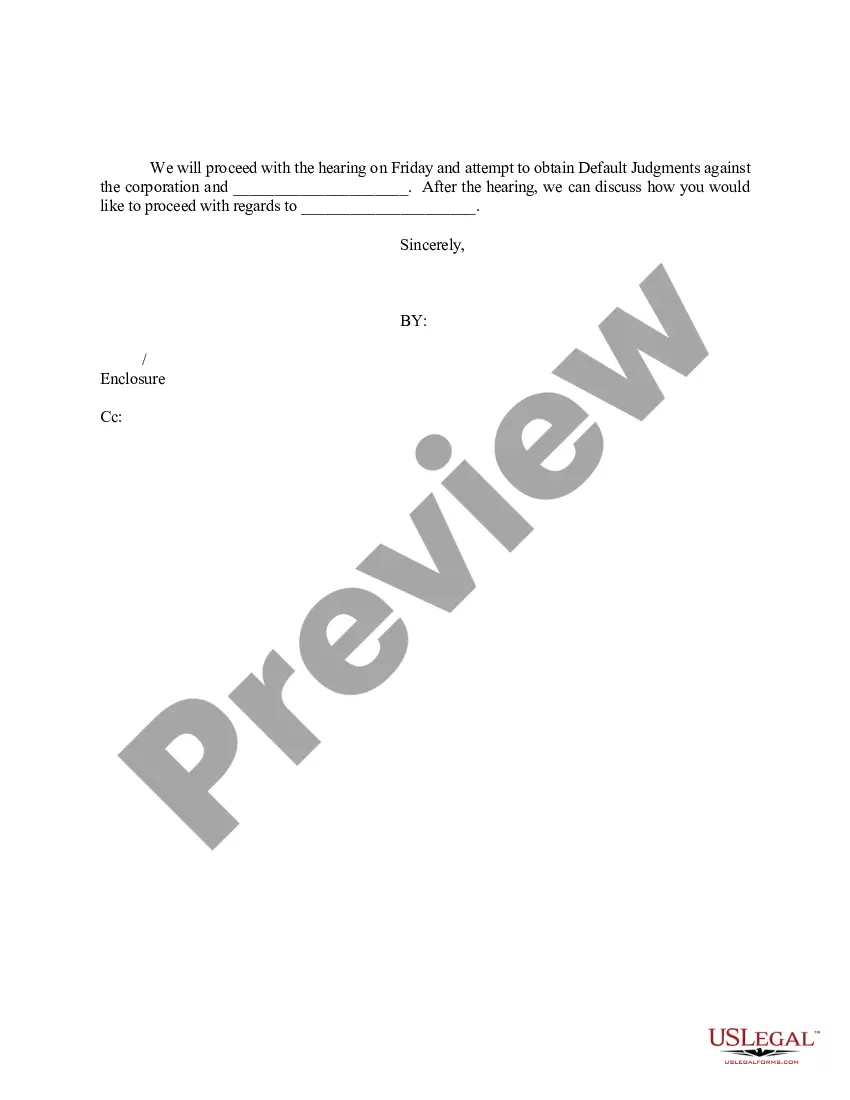
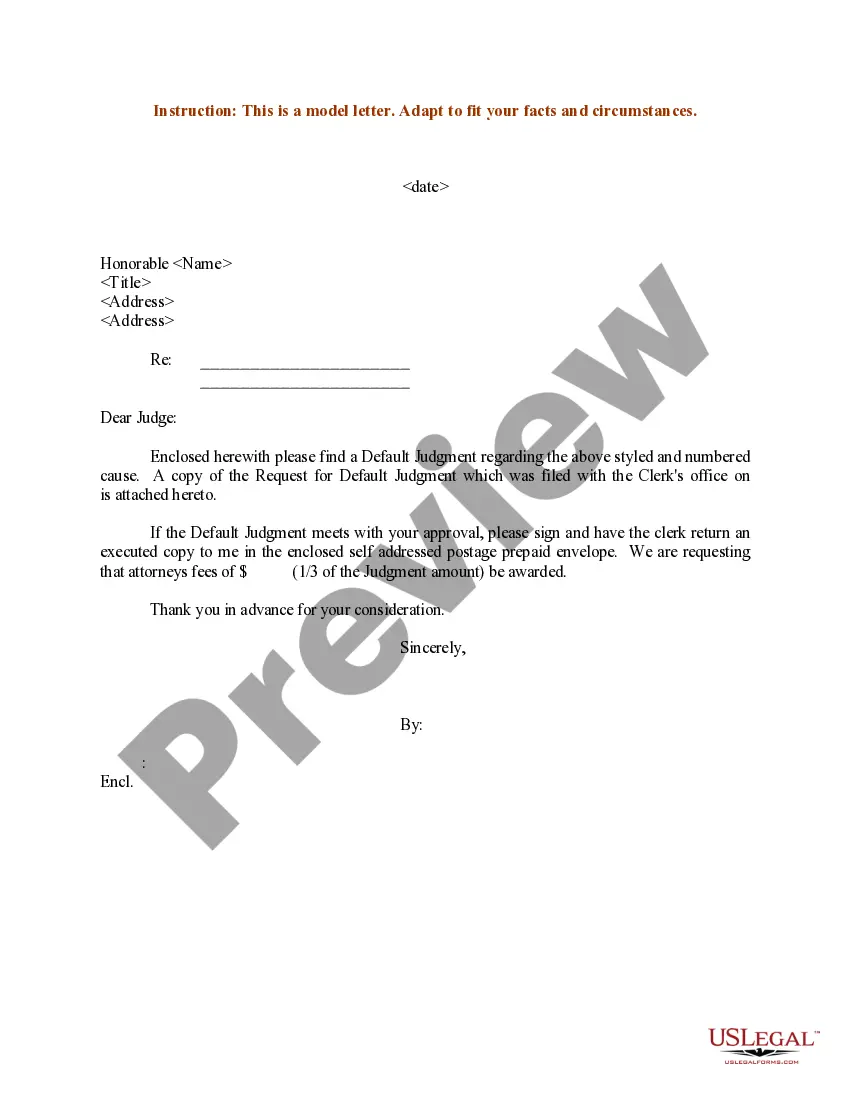
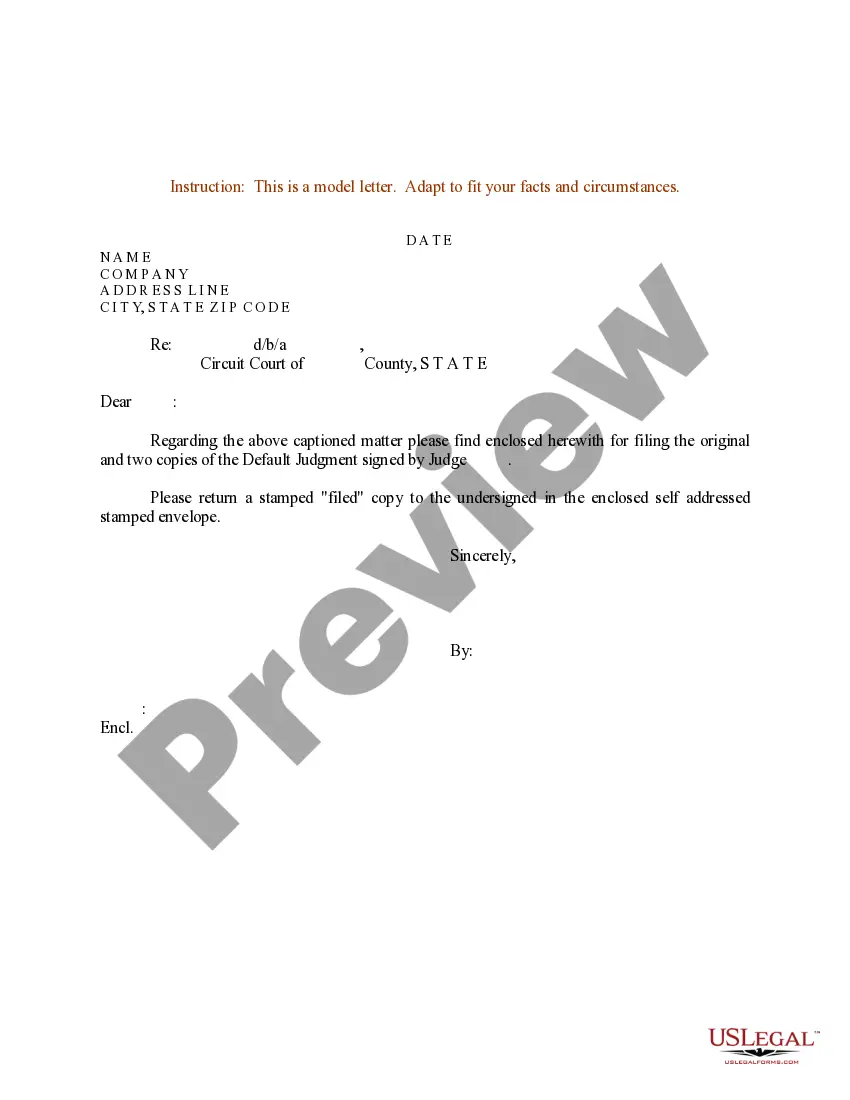
Get your form ready online
Our built-in tools help you complete, sign, share, and store your documents in one place.
Make edits, fill in missing information, and update formatting in US Legal Forms—just like you would in MS Word.
Download a copy, print it, send it by email, or mail it via USPS—whatever works best for your next step.
Sign and collect signatures with our SignNow integration. Send to multiple recipients, set reminders, and more. Go Premium to unlock E-Sign.
If this form requires notarization, complete it online through a secure video call—no need to meet a notary in person or wait for an appointment.
We protect your documents and personal data by following strict security and privacy standards.

Make edits, fill in missing information, and update formatting in US Legal Forms—just like you would in MS Word.

Download a copy, print it, send it by email, or mail it via USPS—whatever works best for your next step.

Sign and collect signatures with our SignNow integration. Send to multiple recipients, set reminders, and more. Go Premium to unlock E-Sign.

If this form requires notarization, complete it online through a secure video call—no need to meet a notary in person or wait for an appointment.

We protect your documents and personal data by following strict security and privacy standards.
Looking for another form?






Form popularity
FAQ
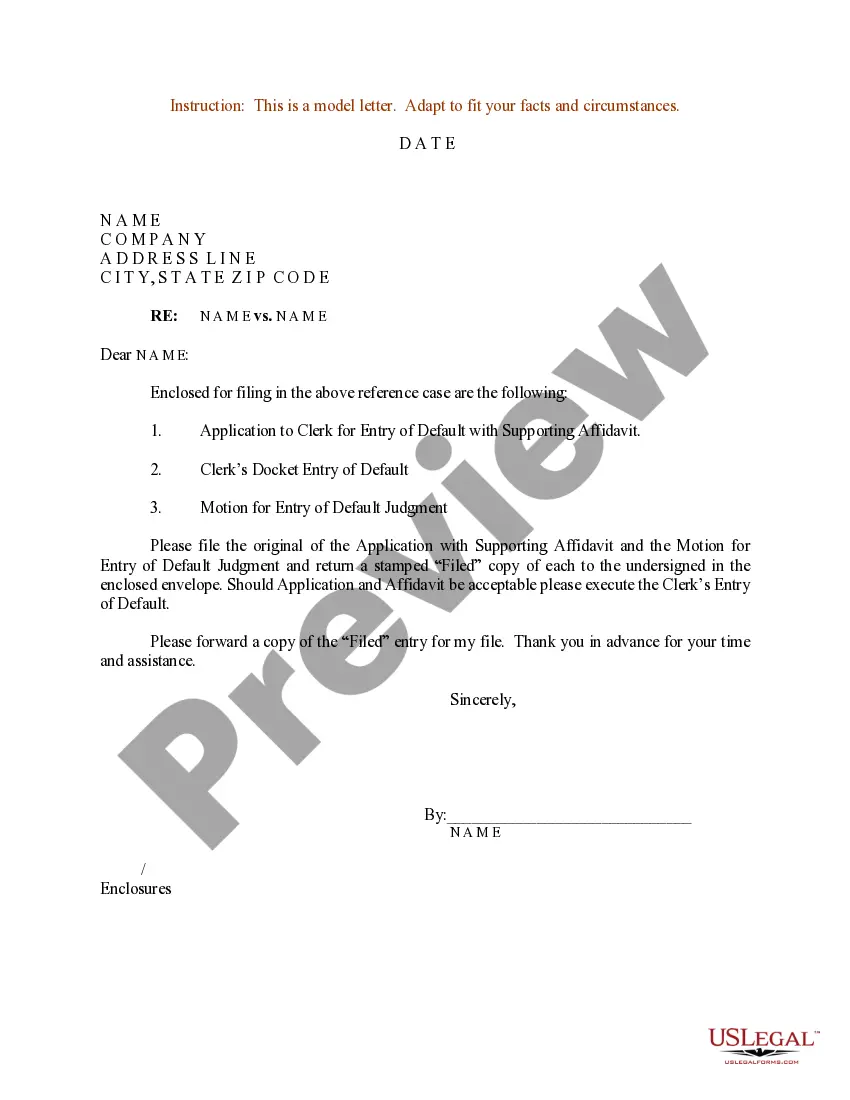
Generally, a default allows you to obtain an earlier final hearing to finish your case. Once the default is signed by the clerk, you can request a trial or final hearing in your case.
At the hearing, the judge will decide to grant or deny the motion. If the judge grants your motion, the default or a default judgment will be set aside, and the case will move forward.
A default judgment occurs when the defendant in a legal case fails to respond to a court summons or does not appear in court. If this occurs, a court may rule in favor of the plaintiff by default.
A default prove up is essentially a short court hearing where the individual seeking the divorce presents evidence to the judge. This is necessary because, in a default situation, the judgment is submitted without the agreement or participation of the other spouse.
This is what a motion is the motion hearing is where the judge. Considers this request. During AMoreThis is what a motion is the motion hearing is where the judge. Considers this request. During A motion hearing the party who filed the motion called the movement presents their arguments.
Generally, if a defendant fails to respond to a complaint you can get a default judgment after 45 days. However, the court system is very slow these days and it can take several months to get the court to issue the default judgment.
If a default or default judgment has been entered against you, and you believe, because of a mistake, inadvertence, excusable neglect, newly discovered evidence, or fraud, that it should not have been entered against you, you can use this form to request that the court set aside the default or default judgment.
A common summary of the rules for setting aside (excusing) a default is frequently quoted by Florida appellate courts: A party attempting to set aside a clerk's default must demonstrate excusable neglect, a meritorious defense, and due diligence in order for the trial court to vacate the default.
If a default or default judgment has been entered against you, and you believe, because of a mistake, inadvertence, excusable neglect, newly discovered evidence, or fraud, that it should not have been entered against you, you can use this form to request that the court set aside the default or default judgment.
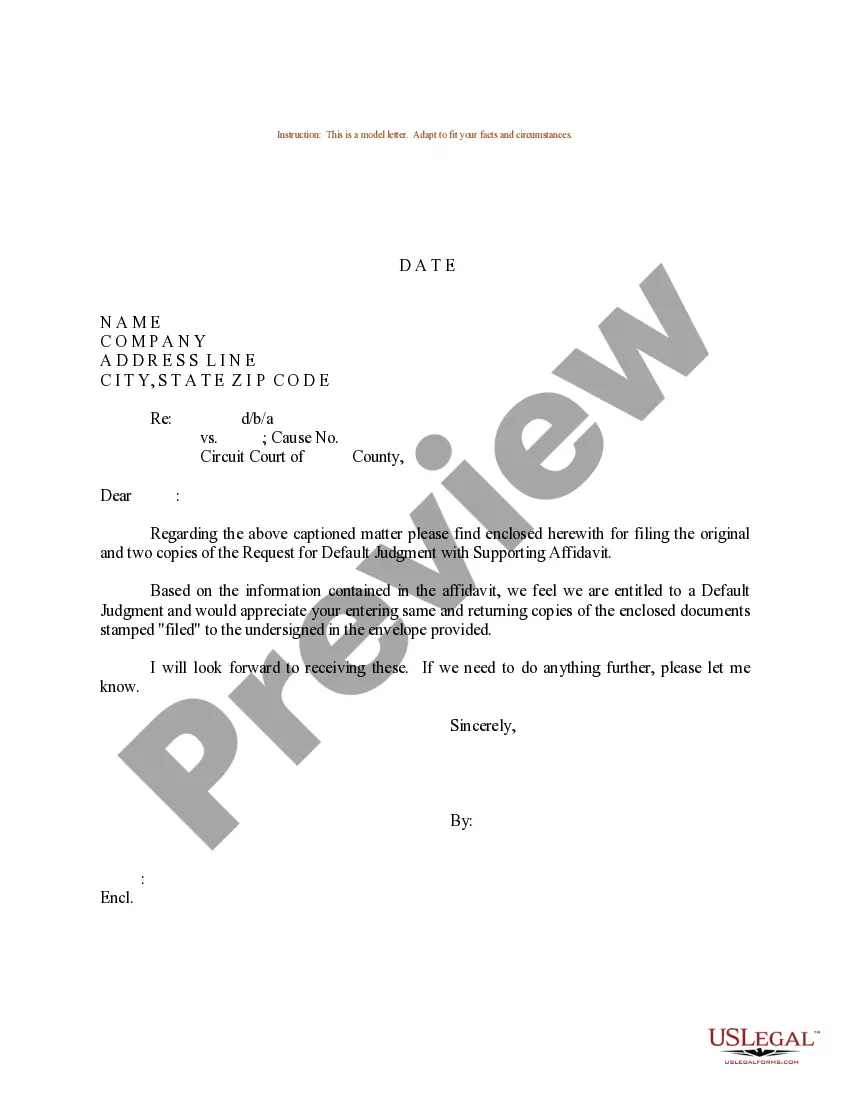
Imagine you've taken someone to court, but they've ignored all proceedings. A motion for default judgment allows you to ask the court to automatically decide in your favor due to the other party's lack of response or action.
