Letter Requesting Motion To Vacate Order Of Default Without Notice In Cuyahoga
Description
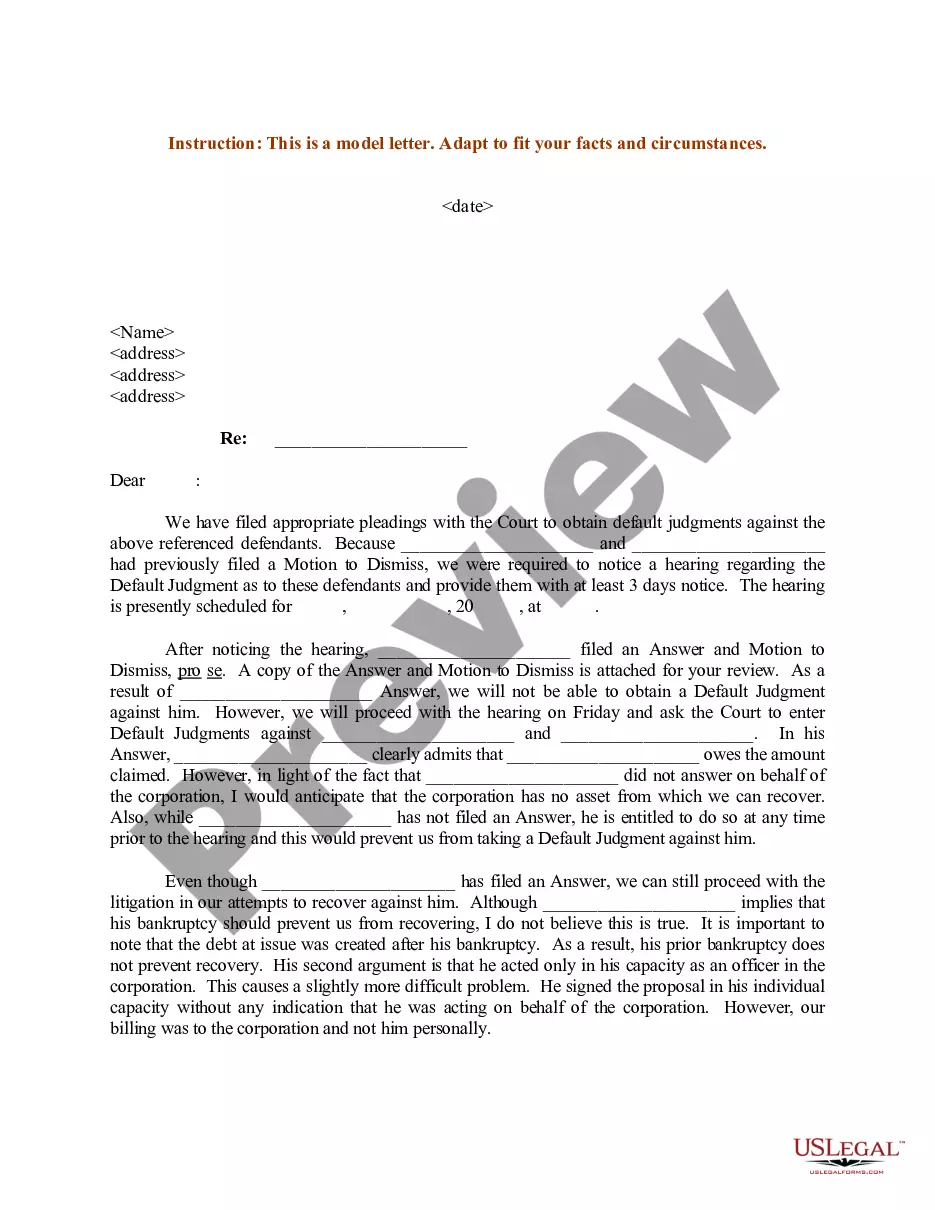
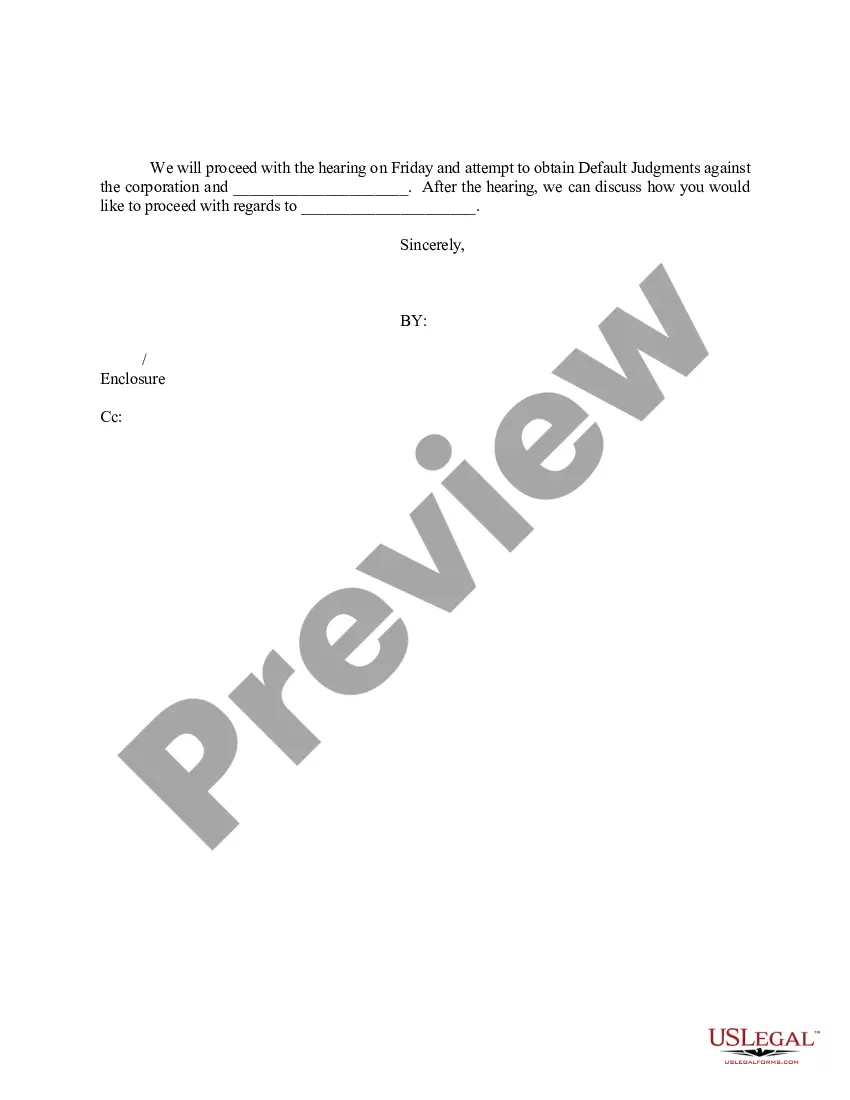
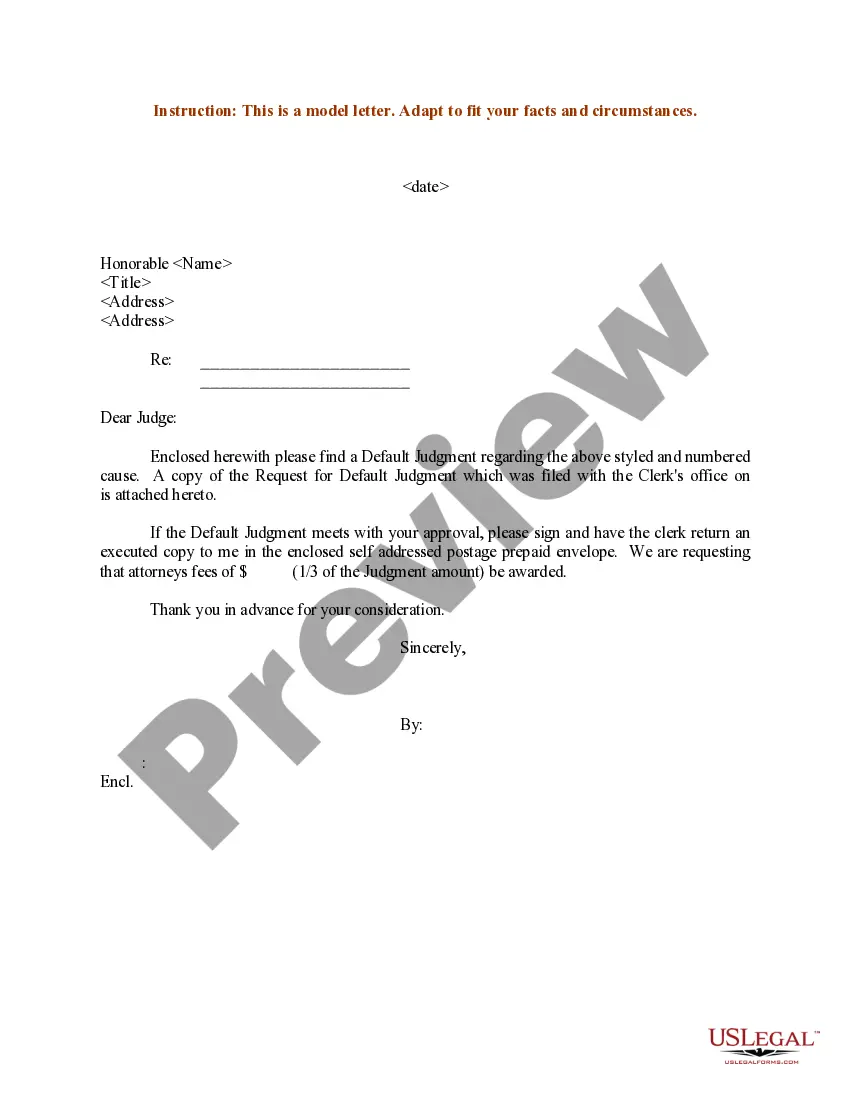
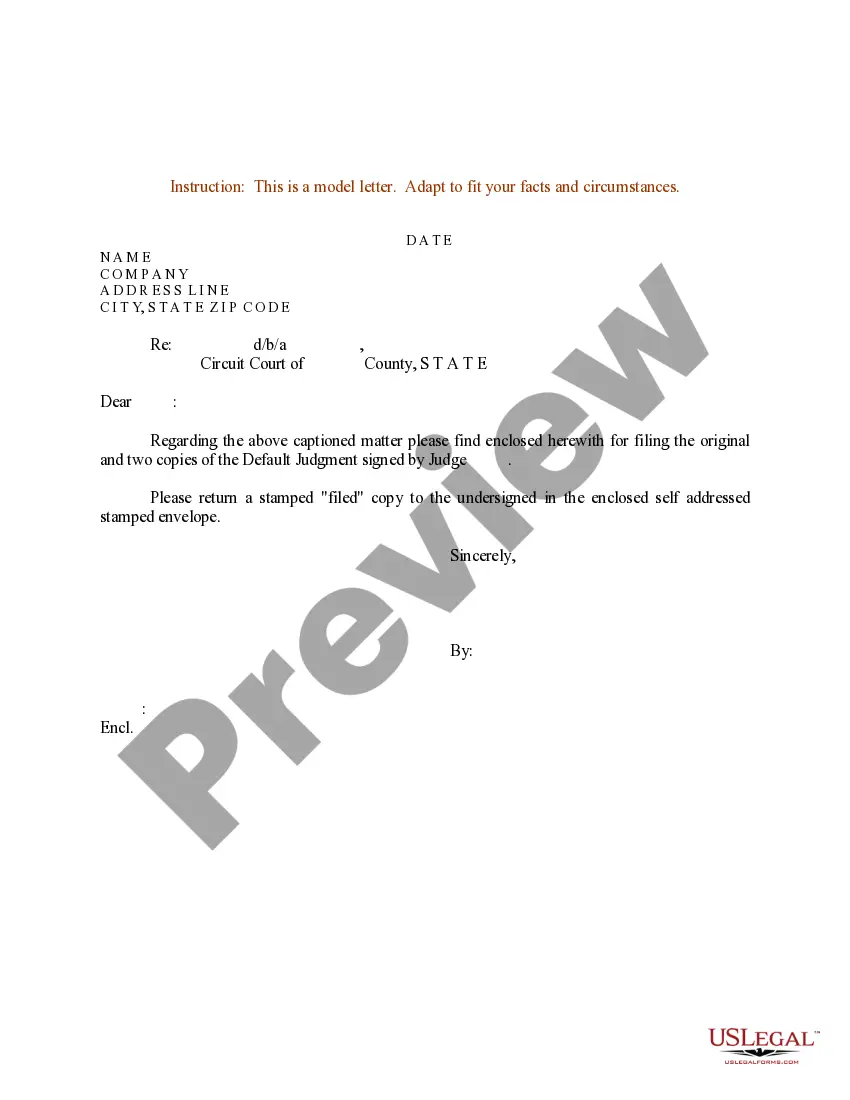
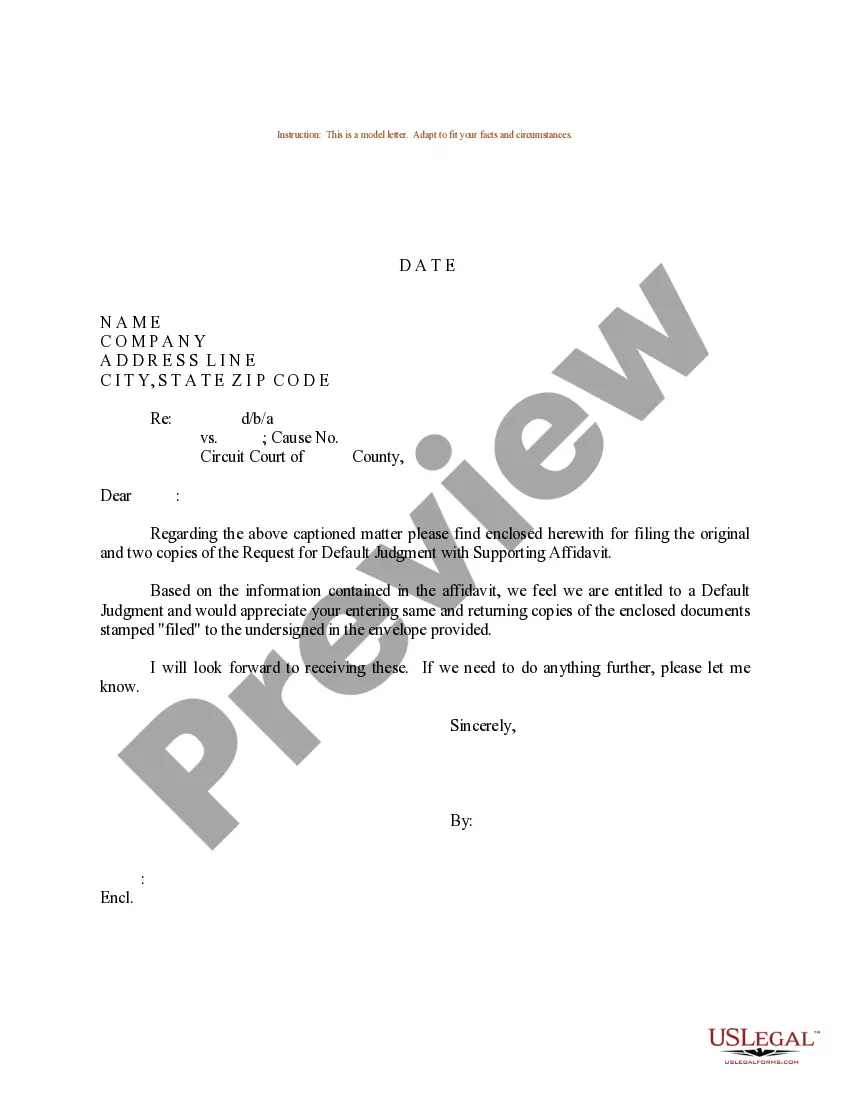
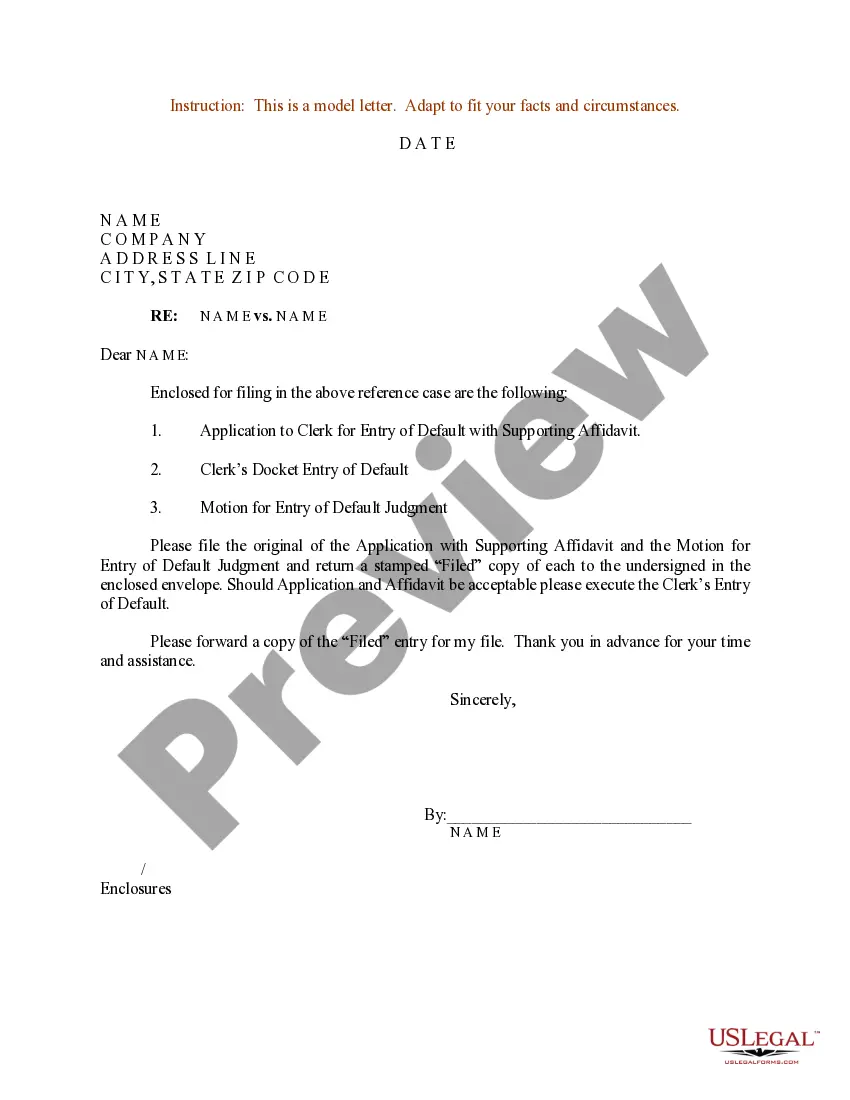
Get your form ready online
Our built-in tools help you complete, sign, share, and store your documents in one place.
Make edits, fill in missing information, and update formatting in US Legal Forms—just like you would in MS Word.
Download a copy, print it, send it by email, or mail it via USPS—whatever works best for your next step.
Sign and collect signatures with our SignNow integration. Send to multiple recipients, set reminders, and more. Go Premium to unlock E-Sign.
If this form requires notarization, complete it online through a secure video call—no need to meet a notary in person or wait for an appointment.
We protect your documents and personal data by following strict security and privacy standards.

Make edits, fill in missing information, and update formatting in US Legal Forms—just like you would in MS Word.

Download a copy, print it, send it by email, or mail it via USPS—whatever works best for your next step.

Sign and collect signatures with our SignNow integration. Send to multiple recipients, set reminders, and more. Go Premium to unlock E-Sign.

If this form requires notarization, complete it online through a secure video call—no need to meet a notary in person or wait for an appointment.

We protect your documents and personal data by following strict security and privacy standards.
Looking for another form?








Form popularity
FAQ
R. 11 governs the signing of pleadings, motions and other documents. For a “willful” violation of this rule, an attorney or pro se party, upon motion of a party or upon the court's own motion, may be subjected to appropriate action, including an award to the opposing party of expenses and reasonable attorney fees.
When a creditor files a lawsuit against you, you are required to file a response with the court within 28 days from the day you are served with the lawsuit. If you fail to file a response, the creditor will likely get a judgment against you by filing a motion for default judgment.
Rule 11: Order to answer or answer further— Where any person interrogated omits to answer, or answers insufficiently, the party interrogating may apply to the Court for an order requiring him to answer, or to answer further, as the case may be.
Every pleading, written motion, and other paper must be signed by at least one attorney of record in the attorney's name – or by a party personally if the party is unrepresented.
11.0 HEARING AND SUBMISSION OF MOTIONS If the motion requires consideration of facts not appearing of record, the movant shall serve and file copies of all affidavits, depositions, photographs or documentary evidence which the movant desires to submit in support of the motion.
The Federal Circuit stated: Rule 11 expressly requires that an attorney presenting a pleading, motion, or other paper before the court certify that he has performed "an inquiry reasonable under the circumstances" such that he can verify that (1) "it is not being presented for any improper purpose, such as to harass, ...
Ohio Civil Rule 60 allows a party to seek relief from a judgment or order. Mistakes, and (B) Mistakes; inadvertence; excusable neglect; newly discovered evidence, fraud, etc. Works. § .
R. 11 governs the signing of pleadings, motions and other documents. For a “willful” violation of this rule, an attorney or pro se party, upon motion of a party or upon the court's own motion, may be subjected to appropriate action, including an award to the opposing party of expenses and reasonable attorney fees.
Rule 4 - Process: Summons (A) Summons: issuance. Upon the filing of the complaint the clerk shall forthwith issue a summons for service upon each defendant listed in the caption. Upon request of the plaintiff separate or additional summons shall issue at any time against any defendant.
Rule 5 - Service and Filing of Pleadings and Other Papers Subsequent to the Original Complaint.
