Default Prove Up Hearing With Motion In Cuyahoga
Description

Get your form ready online
Our built-in tools help you complete, sign, share, and store your documents in one place.
Make edits, fill in missing information, and update formatting in US Legal Forms—just like you would in MS Word.
Download a copy, print it, send it by email, or mail it via USPS—whatever works best for your next step.
Sign and collect signatures with our SignNow integration. Send to multiple recipients, set reminders, and more. Go Premium to unlock E-Sign.
If this form requires notarization, complete it online through a secure video call—no need to meet a notary in person or wait for an appointment.
We protect your documents and personal data by following strict security and privacy standards.

Make edits, fill in missing information, and update formatting in US Legal Forms—just like you would in MS Word.

Download a copy, print it, send it by email, or mail it via USPS—whatever works best for your next step.

Sign and collect signatures with our SignNow integration. Send to multiple recipients, set reminders, and more. Go Premium to unlock E-Sign.

If this form requires notarization, complete it online through a secure video call—no need to meet a notary in person or wait for an appointment.

We protect your documents and personal data by following strict security and privacy standards.
Looking for another form?

Form popularity
FAQ
Rule 9 - Pleading Special Matters (A) Capacity. It is not necessary to aver the capacity of a party to sue or be sued or the authority of a party to sue or be sued in a representative capacity or the legal existence of an organized association of persons that is made a party.
(2) All cases submitted for determination after a court trial shall be decided within ni nety days from the date the case was subm i tted. (3) All motions shall be ruled upon within one hundred twenty days from the date the moti on was filed, except as otherwi se noted on the report forms.
Sometimes, the Judge makes a decision right away. If not, the Judge has 60 days by law to decide the motion.
A motion to show cause is used to bring one party's failure to comply with a Court order to the Court's attention. The motion to show cause must be completely filled out and must be supported by an Affidavit.
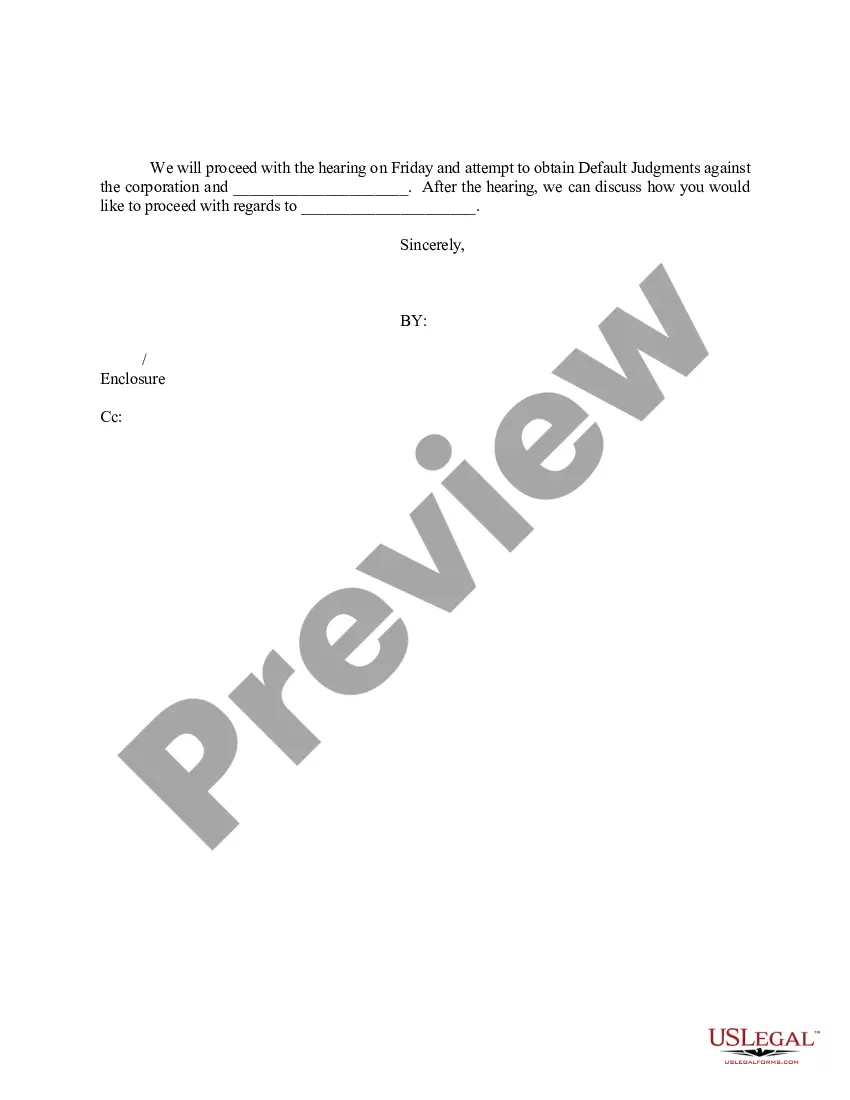
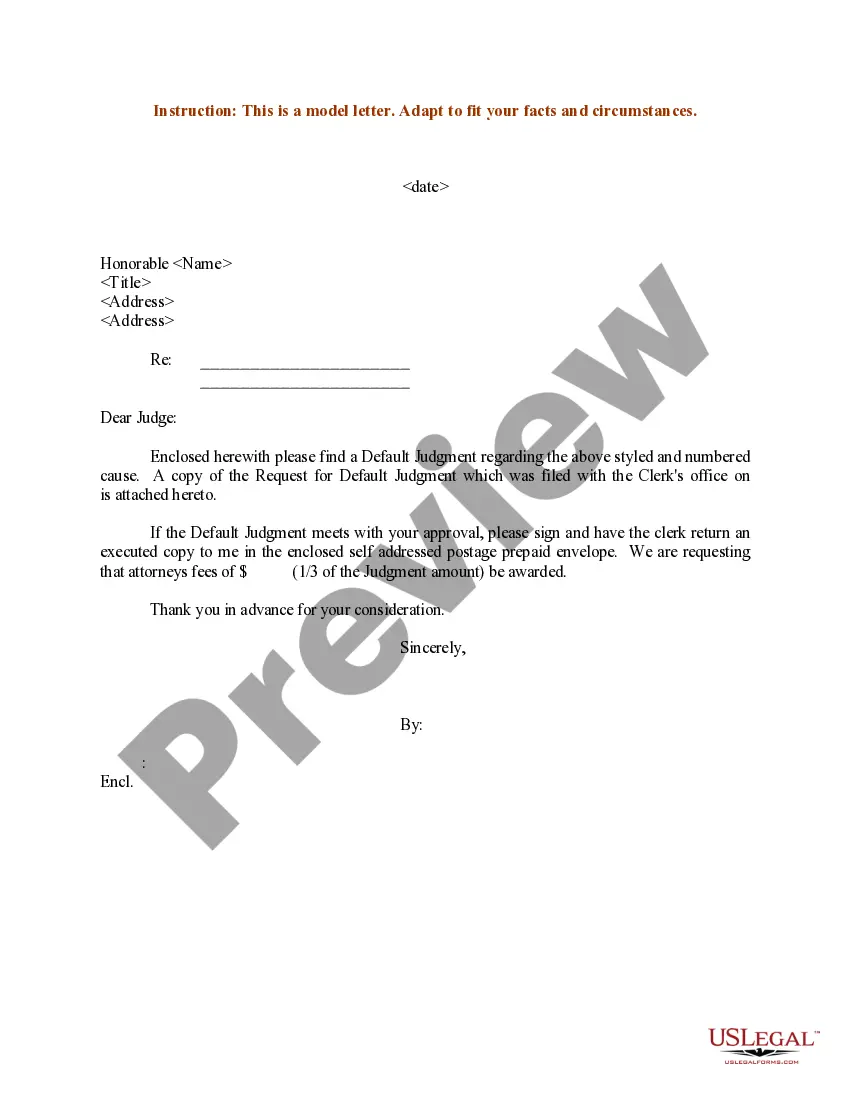
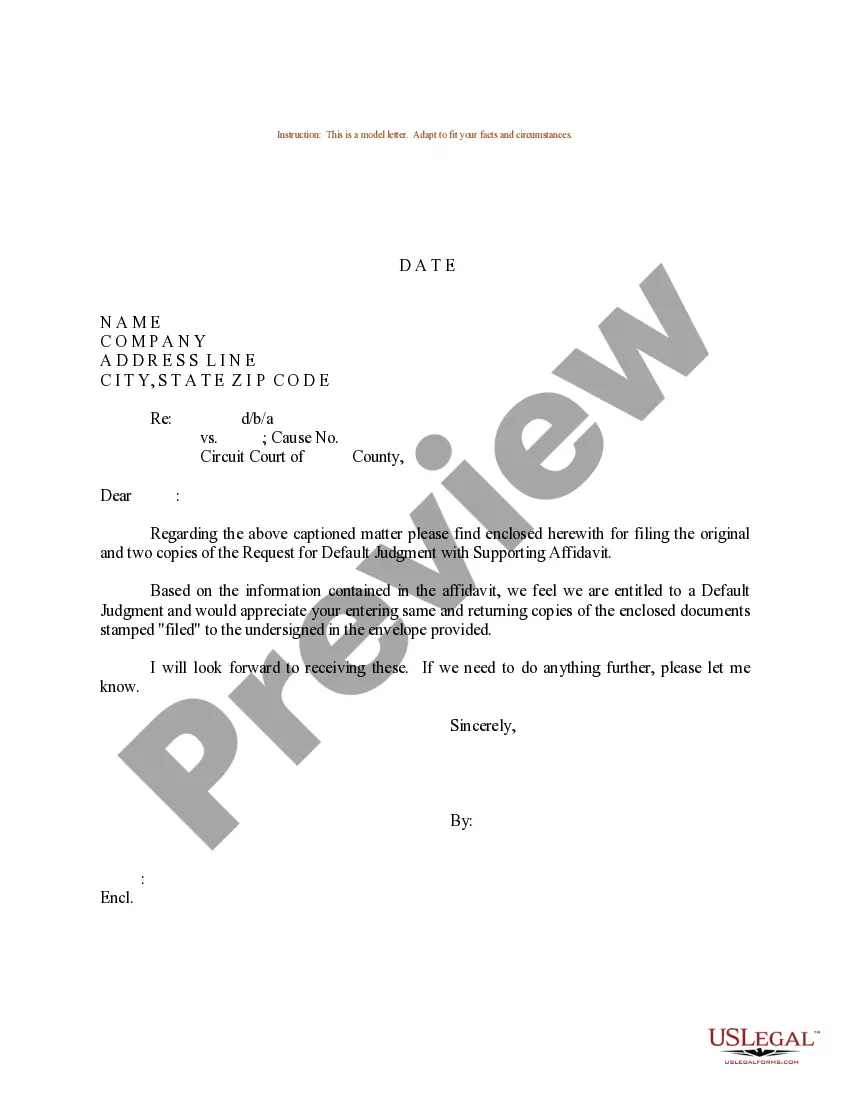
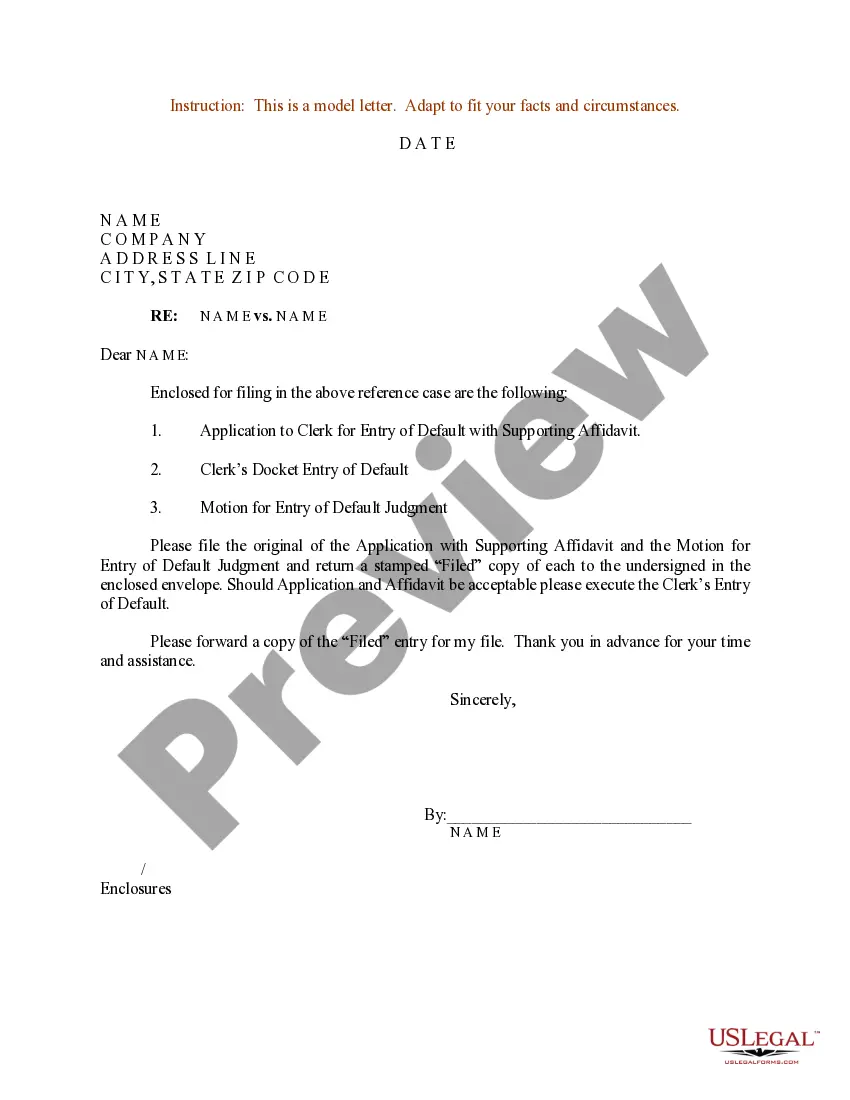
In this process, a judge (rather than a clerk) determines how much the plaintiff can collect after reviewing the amount requested by the plaintiff, which may require a court hearing. Once the default prove-up process is finished and a ruling by the judge is provided, the case is complete.
(2) All cases submitted for determination after a court trial shall be decided within ni nety days from the date the case was subm i tted. (3) All motions shall be ruled upon within one hundred twenty days from the date the moti on was filed, except as otherwi se noted on the report forms.
When a creditor files a lawsuit against you, you are required to file a response with the court within 28 days from the day you are served with the lawsuit. If you fail to file a response, the creditor will likely get a judgment against you by filing a motion for default judgment.
R. 11 governs the signing of pleadings, motions and other documents. For a “willful” violation of this rule, an attorney or pro se party, upon motion of a party or upon the court's own motion, may be subjected to appropriate action, including an award to the opposing party of expenses and reasonable attorney fees.
Write a short and clear introduction. Draft a factually accurate narrative. Know the standard that must be met and craft an explanation of the standard. Use the most persuasive components of the relevant law. Apply the law to the facts in a convincing and credible manner. Conclusion.
This means that you do not file any response by the deadline. The Plaintiff then can ask the judge to decide the case without your input. This is called a default or a default judgment. Get help if you have a default but didn't want one.
