Default Prove Up Hearing With California In Broward
Description

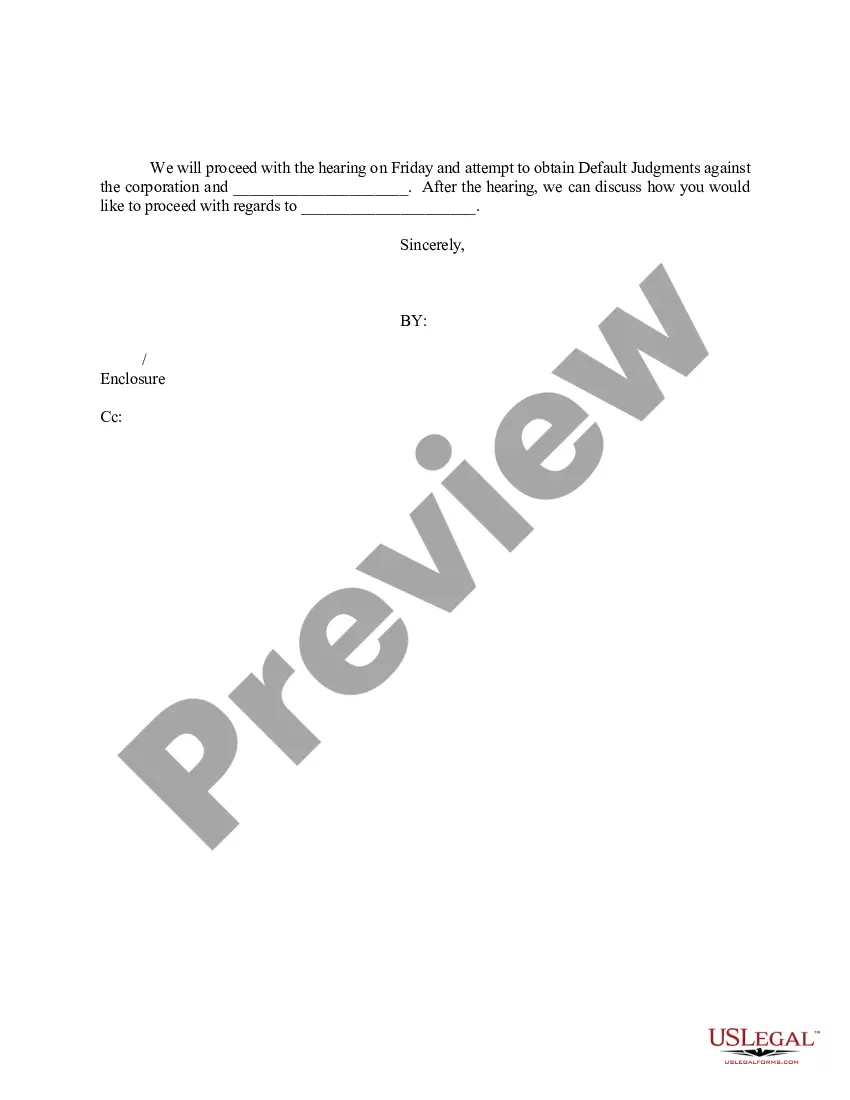
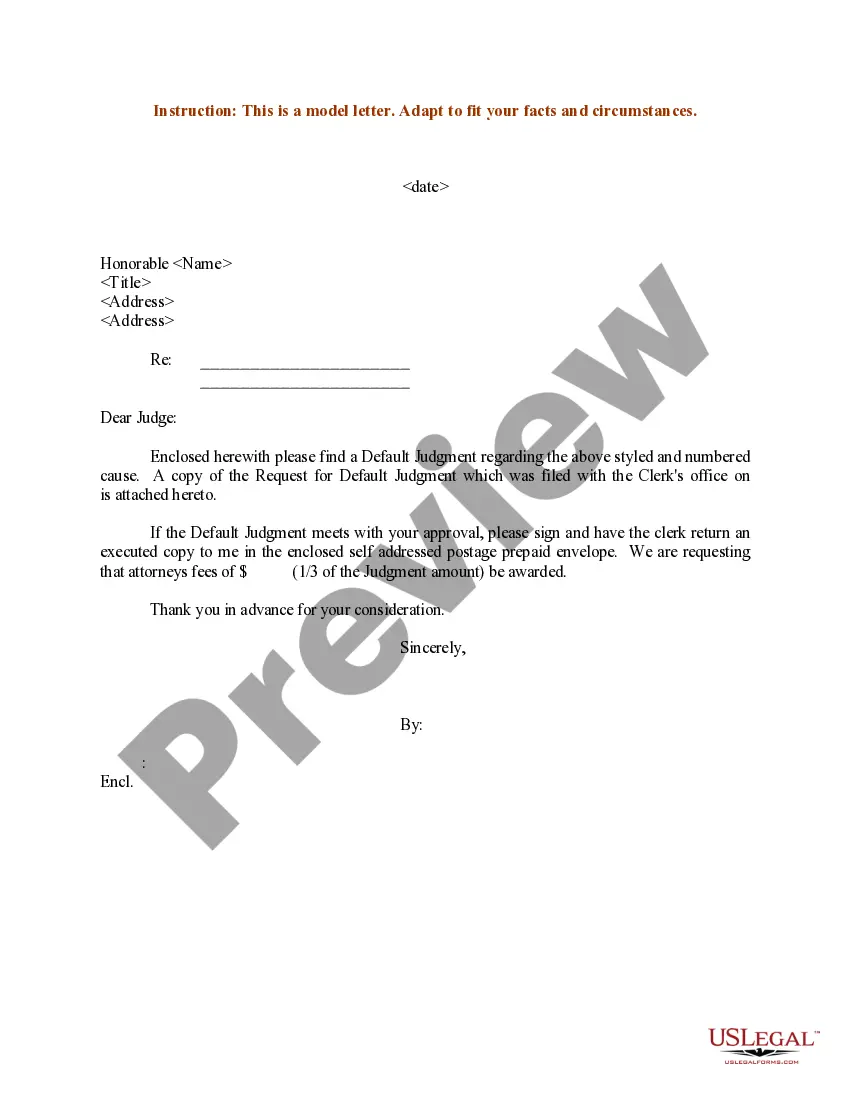
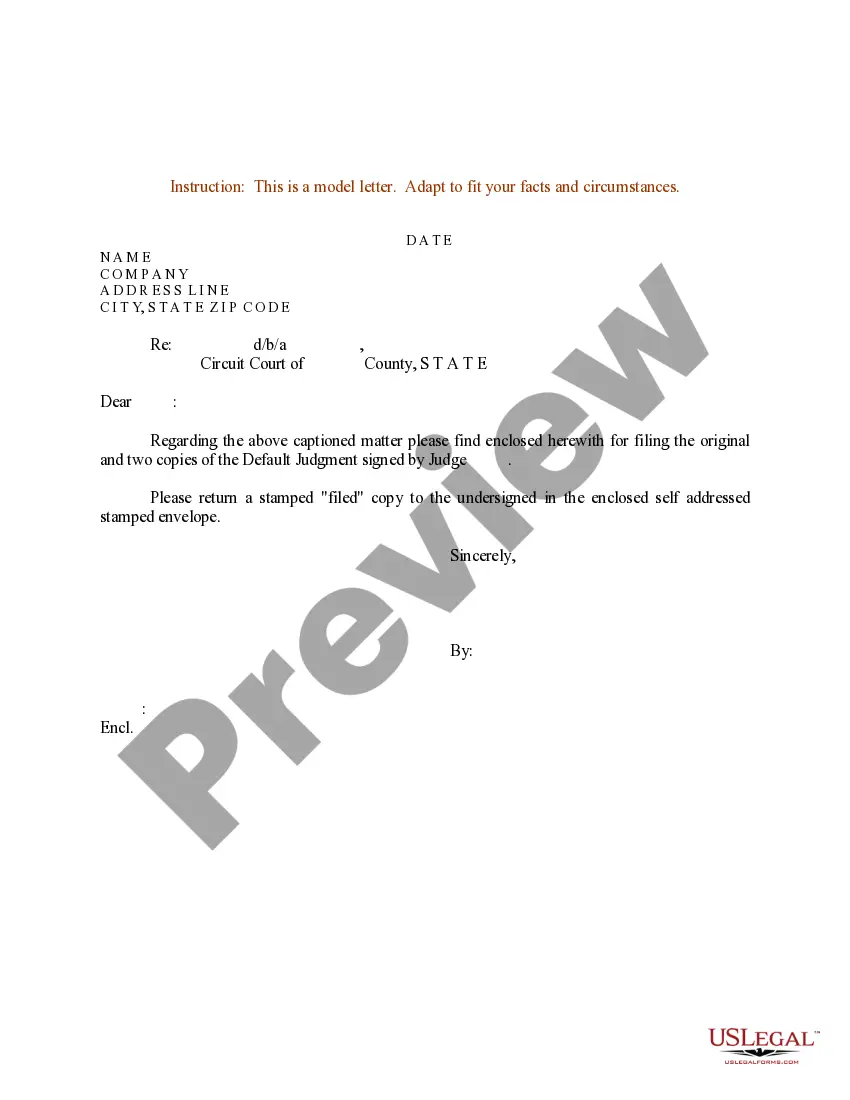
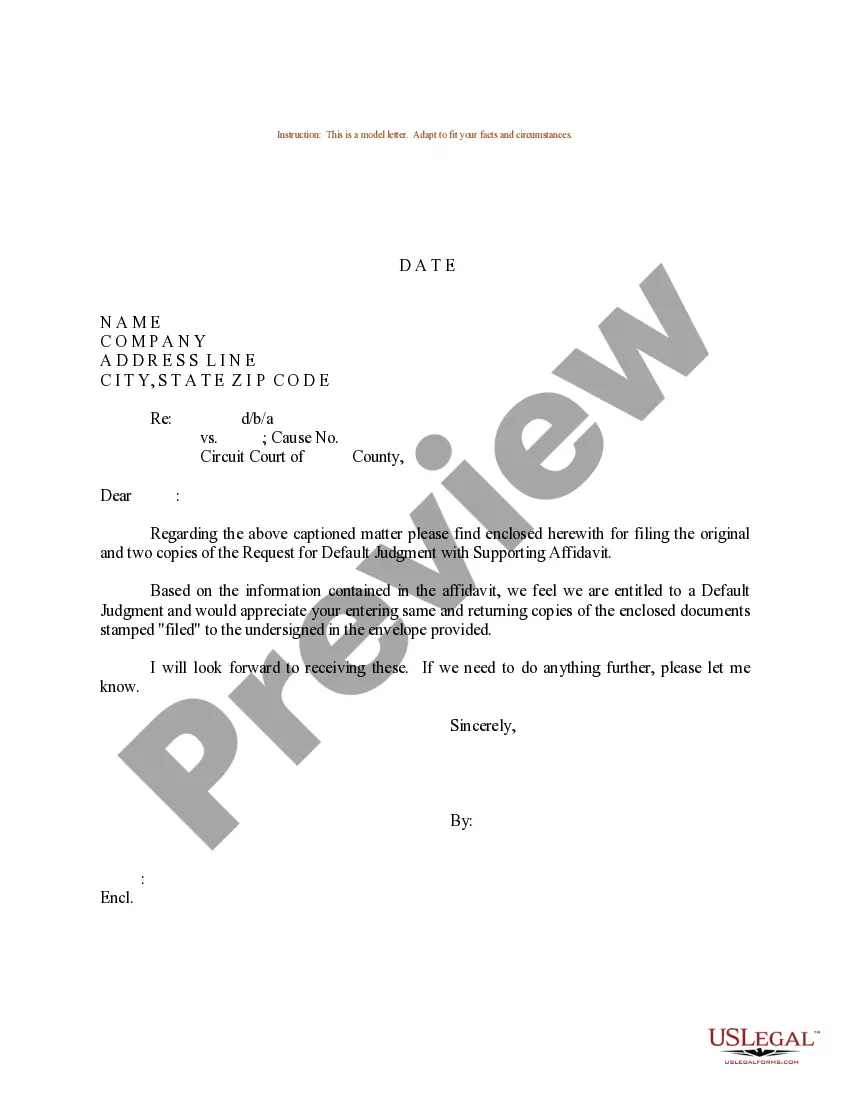
Get your form ready online
Our built-in tools help you complete, sign, share, and store your documents in one place.
Make edits, fill in missing information, and update formatting in US Legal Forms—just like you would in MS Word.
Download a copy, print it, send it by email, or mail it via USPS—whatever works best for your next step.
Sign and collect signatures with our SignNow integration. Send to multiple recipients, set reminders, and more. Go Premium to unlock E-Sign.
If this form requires notarization, complete it online through a secure video call—no need to meet a notary in person or wait for an appointment.
We protect your documents and personal data by following strict security and privacy standards.

Make edits, fill in missing information, and update formatting in US Legal Forms—just like you would in MS Word.

Download a copy, print it, send it by email, or mail it via USPS—whatever works best for your next step.

Sign and collect signatures with our SignNow integration. Send to multiple recipients, set reminders, and more. Go Premium to unlock E-Sign.

If this form requires notarization, complete it online through a secure video call—no need to meet a notary in person or wait for an appointment.

We protect your documents and personal data by following strict security and privacy standards.
Looking for another form?










Form popularity
FAQ
How to ask for a default Fill out request for default. Request for Entry of Default (form CIV-100) ... If ready, also fill out forms to ask for a judgement. Judgment (form JUD-100) ... Mail copies to the defendant. Make at least 2 copies of everything. File forms. Bring the Request for Default to the court clerk.
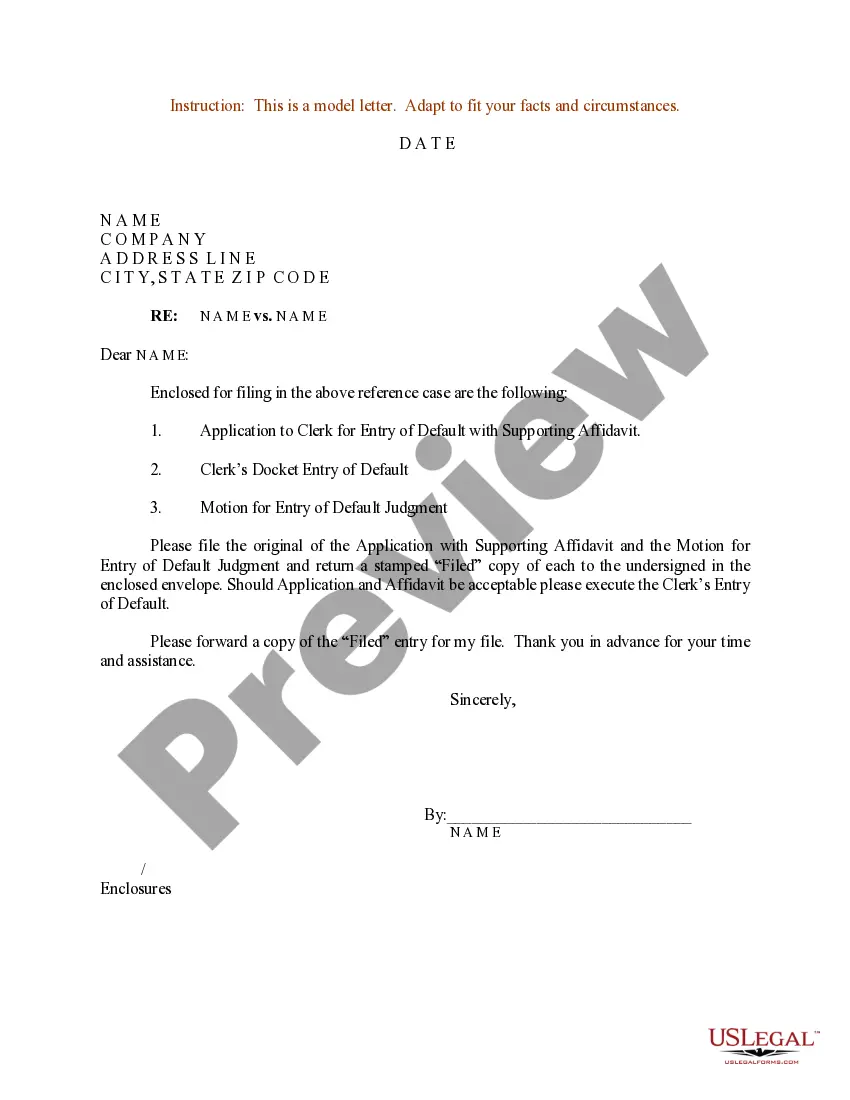
A clerk default judgment may be obtained when the defendant fails to file a response to the summons and complaint within the time specified on the summons.
How to ask for a default Fill out request for default. Request for Entry of Default (form CIV-100) ... If ready, also fill out forms to ask for a judgement. Judgment (form JUD-100) ... Mail copies to the defendant. Make at least 2 copies of everything. File forms. Bring the Request for Default to the court clerk.
The court will still accept a response from the defendant after 30 days, until you file a Request for Entry of Default. Once the clerk enters a default in the court record, the defendant is no longer able to file a response or otherwise participate in the case.
A default prove up hearing occurs when the defendant has failed to respond to the plaintiff's complaint within the specified time frame. As a result, the defendant is considered to be in default, and the hearing is held to determine the appropriate judgment in favor of the plaintiff.
Generally, a default allows you to obtain an earlier final hearing to finish your case. Once the default is signed by the clerk, you can request a trial or final hearing in your case. To obtain a default, you will need to complete Motion for Default, Florida Supreme Court Approved Family Law Form 12.922(a).
(g) Request for entry of default If a responsive pleading is not served within the time limits specified in this rule and no extension of time has been granted, the plaintiff must file a request for entry of default within 10 days after the time for service has elapsed.
This involves: Filing a Motion: Submit a formal motion to the court requesting that the default be overturned. Providing a Reason: Explain why you failed to respond and provide evidence supporting your claim. Demonstrating a Defense: Show that you have a valid defense to the plaintiff's claims.
