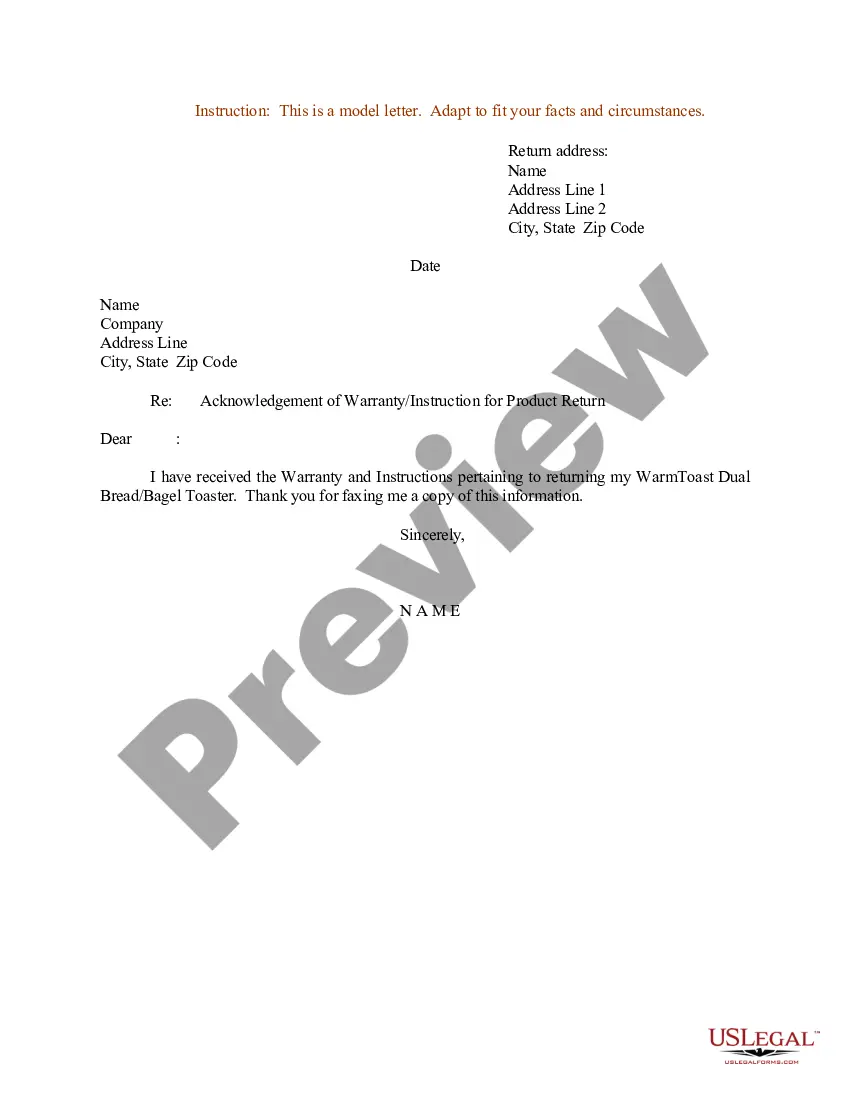
Donation Receipt For Stock Donation In San Antonio
Description



Get your form ready online
Our built-in tools help you complete, sign, share, and store your documents in one place.
Make edits, fill in missing information, and update formatting in US Legal Forms—just like you would in MS Word.
Download a copy, print it, send it by email, or mail it via USPS—whatever works best for your next step.
Sign and collect signatures with our SignNow integration. Send to multiple recipients, set reminders, and more. Go Premium to unlock E-Sign.
If this form requires notarization, complete it online through a secure video call—no need to meet a notary in person or wait for an appointment.
We protect your documents and personal data by following strict security and privacy standards.

Make edits, fill in missing information, and update formatting in US Legal Forms—just like you would in MS Word.

Download a copy, print it, send it by email, or mail it via USPS—whatever works best for your next step.

Sign and collect signatures with our SignNow integration. Send to multiple recipients, set reminders, and more. Go Premium to unlock E-Sign.

If this form requires notarization, complete it online through a secure video call—no need to meet a notary in person or wait for an appointment.

We protect your documents and personal data by following strict security and privacy standards.
Looking for another form?







Form popularity
FAQ
When you donate stock directly to a charity, you are eligible for a charitable deduction equal to the fair market value of the donated stock (up to 30% of your adjusted gross income (AGI) for the tax year). This allows you to reduce your taxable income and save on taxes.
Providing Receipts As soon as the donation is in your brokerage account, send the donor a nonprofit stock acknowledgment letter that includes a tax receipt for it.
Once a donation of stock has been received, a thank you letter should be sent to the donor. This letter should acknowledge the gift of stock, such as the name and number of shares. It should not list the value of the stock received since the organization is not in the business of valuing stock.
Form 8283 has two sections. If you must file Form 8283, you must complete either Section A or Section B depending on the type of property donated and the amount claimed as a deduction. Members in a pass-through entity completing their own Form 8283 should complete the same section of the Form (Section A or B)
How Do I Claim a Tax Deduction for Donating Stock? You must donate the stock directly to a qualified charitable organization to claim a tax deduction. The stock's fair market value on the date of donation can be deducted from your income taxes, subject to certain limits based on your adjusted gross income (AGI).
Record the Donation For accounting purposes, publicly traded stock should be counted at the average of the high and low selling prices on the gift date (the date you receive it).
The same applies to stock gifts/donations. In this case, you should send a donation receipt comprising details such as the ticker symbol, the number of shares, and the donation date. Mentioning the value of the stock is not necessary since a nonprofit is not supposed to be assigning value to stocks or gifts.
Form 8283 has two sections. If you must file Form 8283, you must complete either Section A or Section B depending on the type of property donated and the amount claimed as a deduction. Members in a pass-through entity completing their own Form 8283 should complete the same section of the Form (Section A or B)
Providing Receipts As soon as the donation is in your brokerage account, send the donor a nonprofit stock acknowledgment letter that includes a tax receipt for it.
Such donations are listed on Form 8283 when filing with the IRS. Examples of items that may need appraisals include art pieces valued at $20,000 or more and most jewelry. Intellectual property and private stock valued at less than $10,000 do not require appraisals.