Wisconsin Agreement To Donate Real Estate To City Without Money In Washington
Description
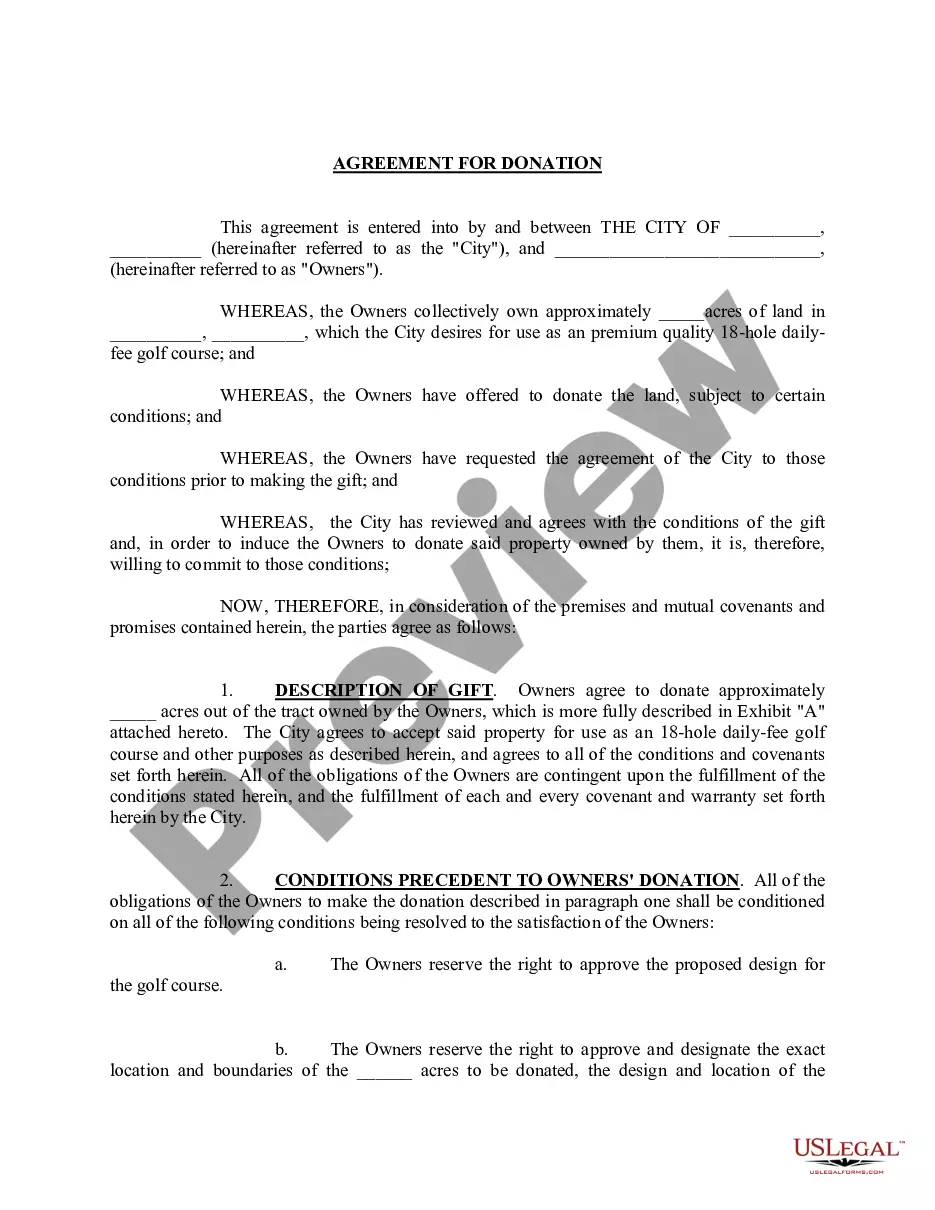
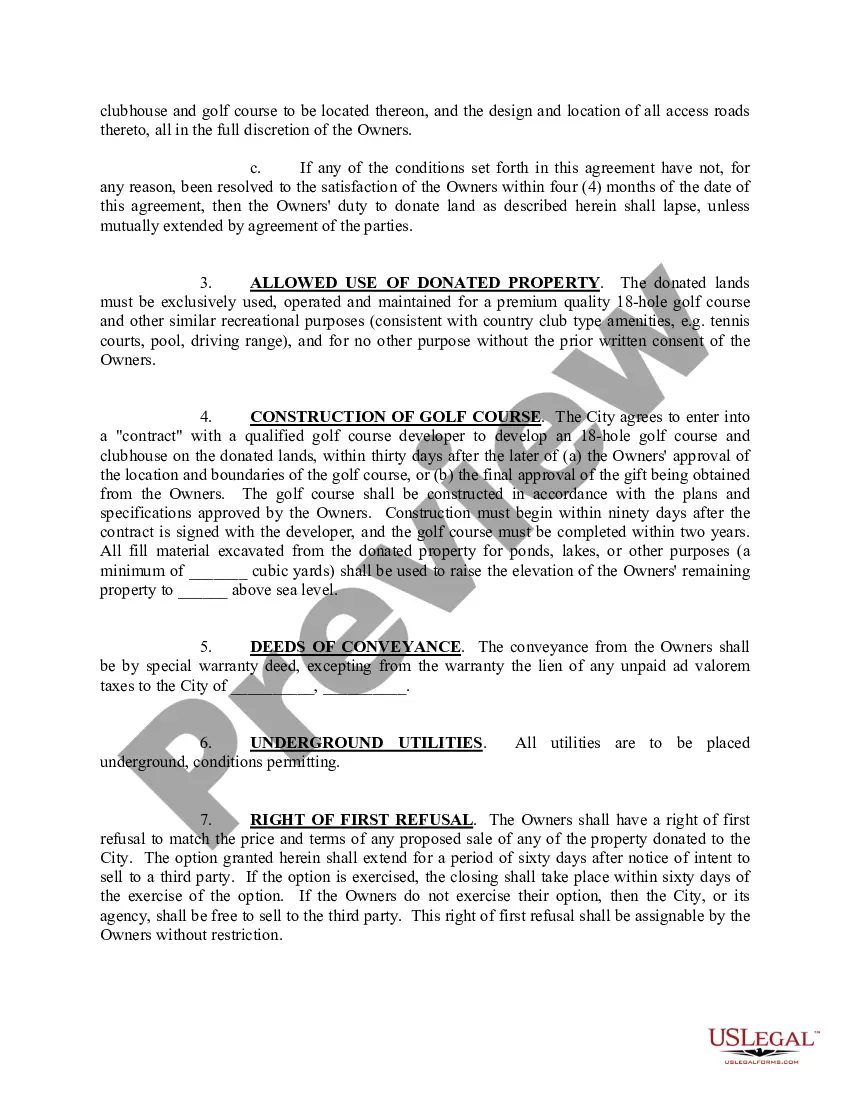
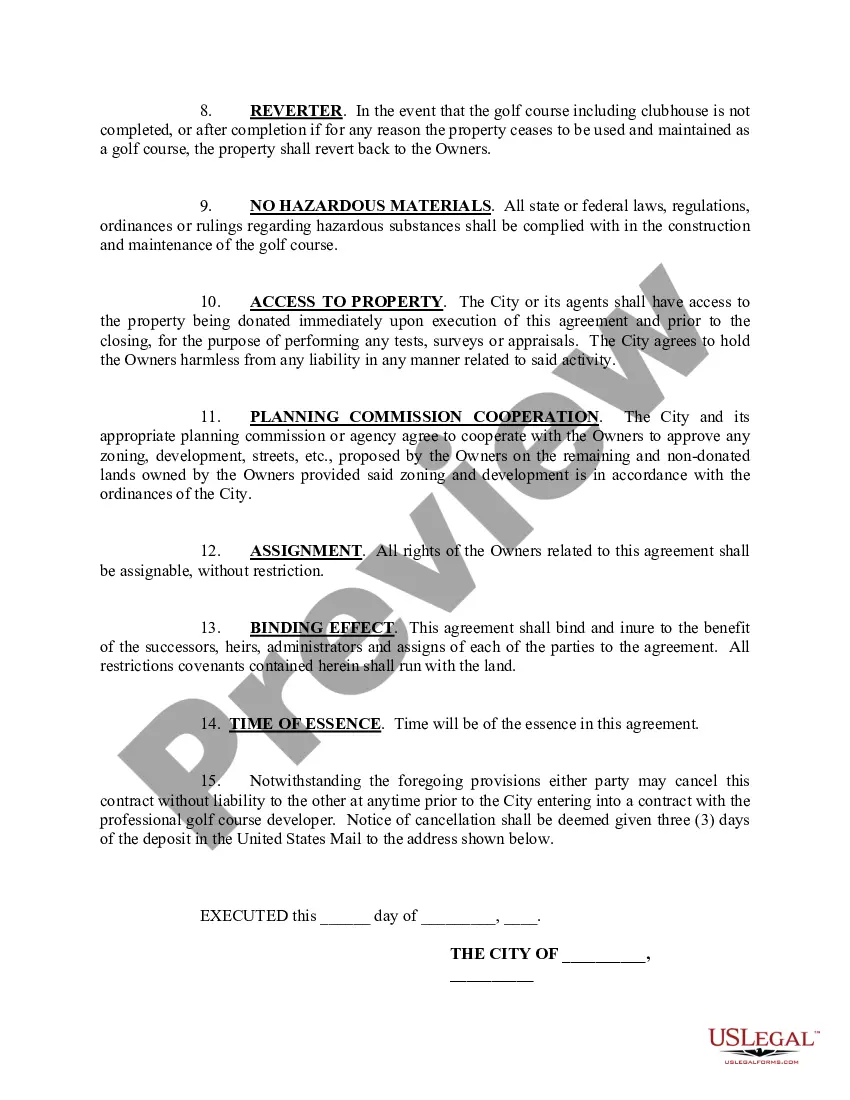
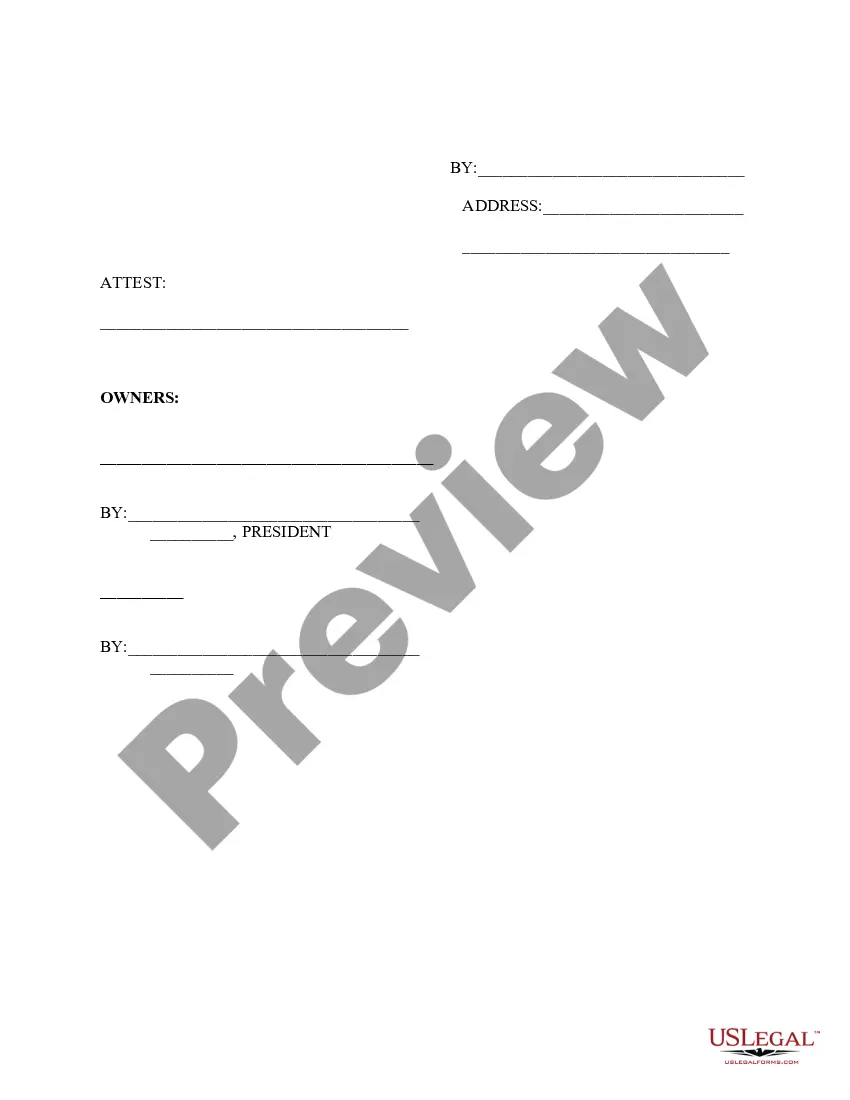
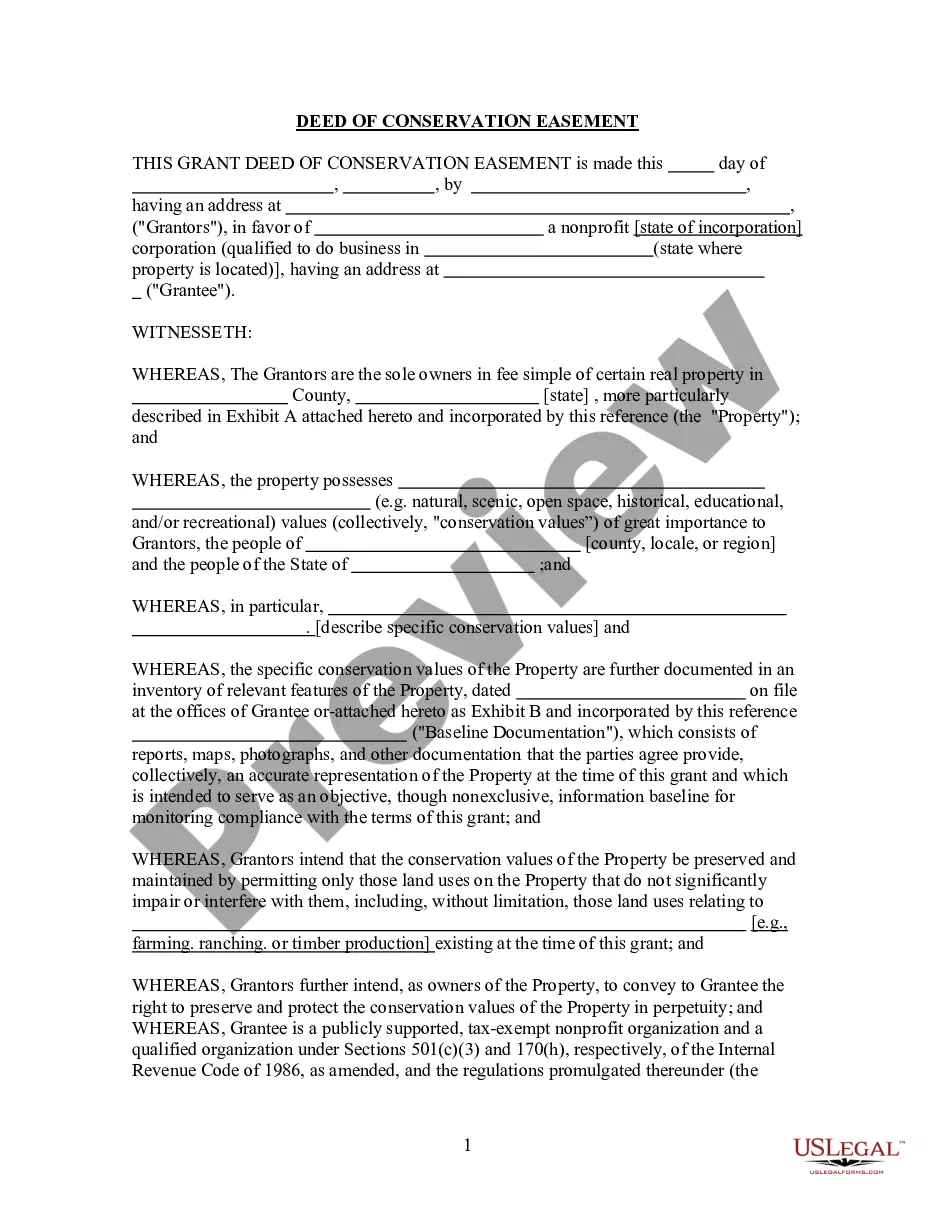
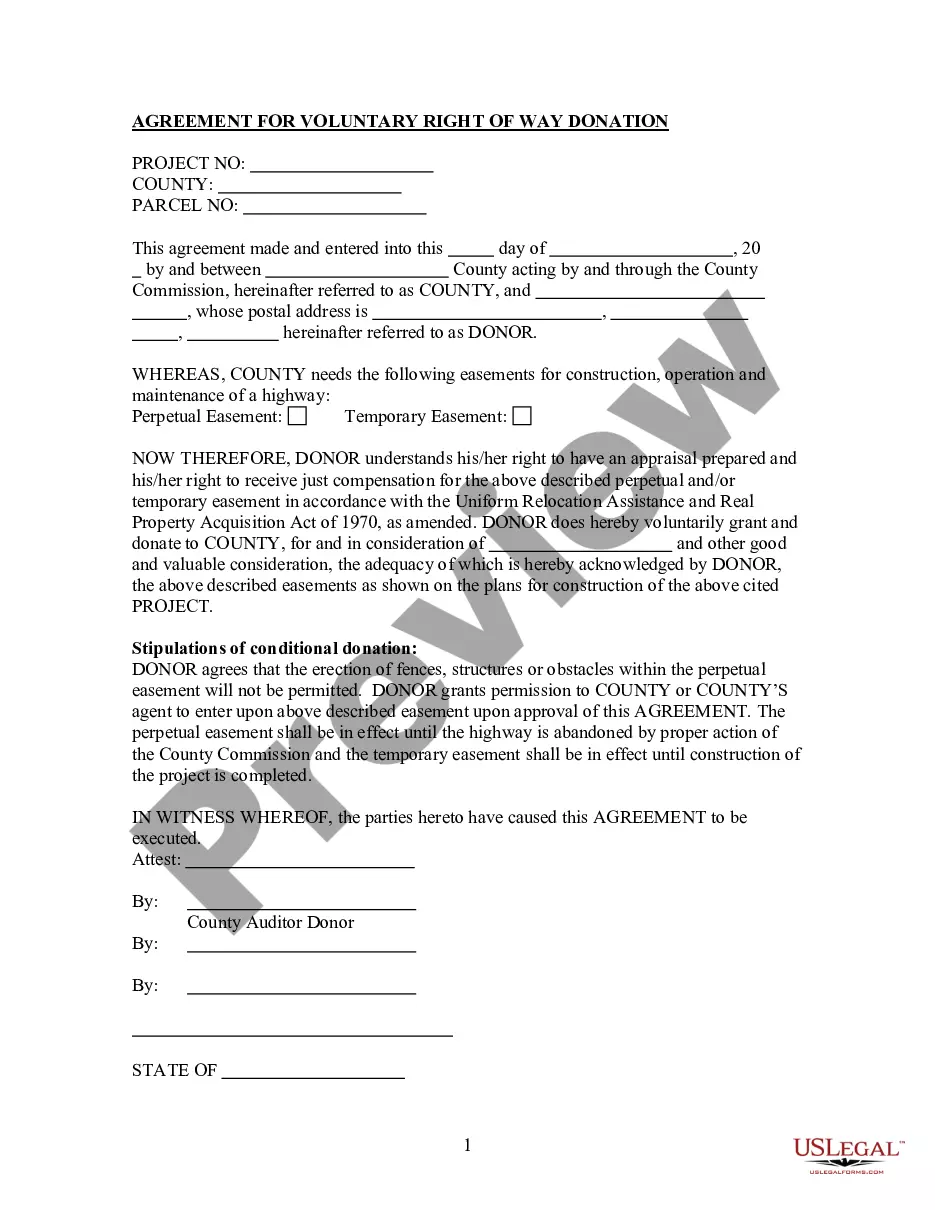
Get your form ready online
Our built-in tools help you complete, sign, share, and store your documents in one place.
Make edits, fill in missing information, and update formatting in US Legal Forms—just like you would in MS Word.
Download a copy, print it, send it by email, or mail it via USPS—whatever works best for your next step.
Sign and collect signatures with our SignNow integration. Send to multiple recipients, set reminders, and more. Go Premium to unlock E-Sign.
If this form requires notarization, complete it online through a secure video call—no need to meet a notary in person or wait for an appointment.
We protect your documents and personal data by following strict security and privacy standards.

Make edits, fill in missing information, and update formatting in US Legal Forms—just like you would in MS Word.

Download a copy, print it, send it by email, or mail it via USPS—whatever works best for your next step.

Sign and collect signatures with our SignNow integration. Send to multiple recipients, set reminders, and more. Go Premium to unlock E-Sign.

If this form requires notarization, complete it online through a secure video call—no need to meet a notary in person or wait for an appointment.

We protect your documents and personal data by following strict security and privacy standards.
Looking for another form?
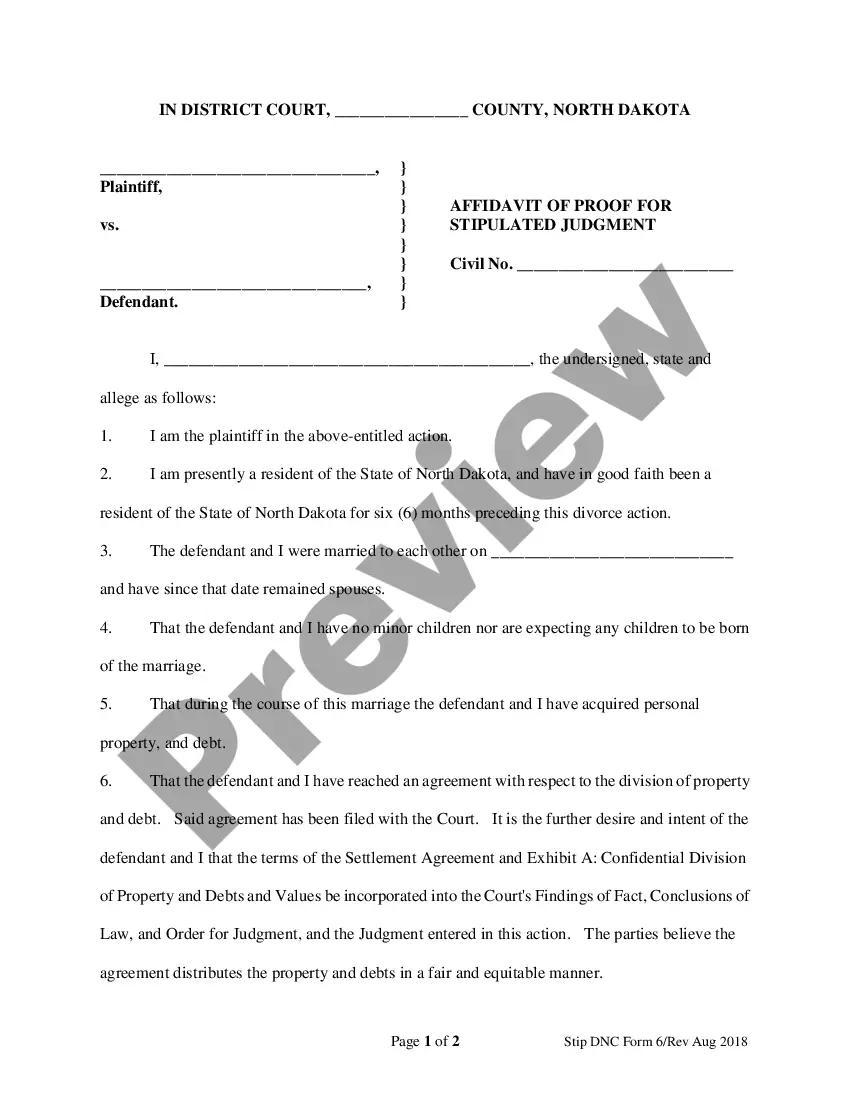
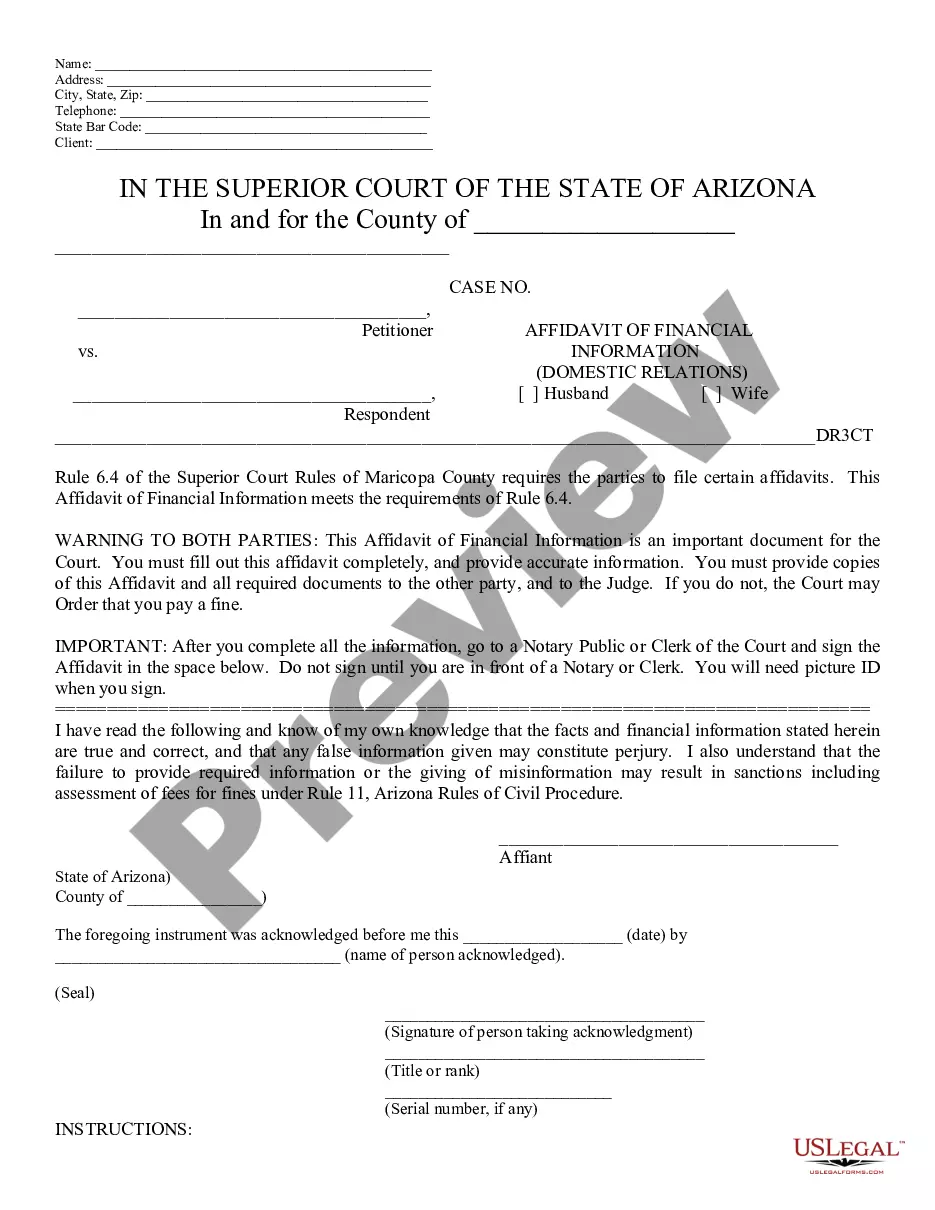
Form popularity
FAQ
A state or local government or political subdivision of a state or local government is not eligible for exemption under IRC 501(c)(3). As stated in Rev. Rul. 60-384, 1960-2 C.B. 172, a state or municipality itself would not qualify since its purposes are not exclusively those described in 501(c)(3).
Typically they include counties or municipalities and their agencies or departments. Charitable contributions to governmental units are tax-deductible under section 170(c)(1) of the Internal Revenue Code if made for a public purpose.
Identify and provide the names and contact information of the donor and the recipient organization or individual. Purpose of the donation. Describe the specific purpose or project for which the donated items or funds will be used, ensuring it is fully and clearly understood by both parties. Description of the donation.
It involves drafting key legal paperwork, having your land appraised, finding an eligible land trust or nonprofit to enforce the easement, and consulting with a CPA to maximize your tax deduction. Fortunately, Giving Property specializes in working with donors to make the process as easy as possible.
The contributions must be made to a qualified organization and not set aside for use by a specific person. If you give property to a qualified organization, you can generally deduct the fair market value (FMV) of the property at the time of the contribution.
It involves drafting key legal paperwork, having your land appraised, finding an eligible land trust or nonprofit to enforce the easement, and consulting with a CPA to maximize your tax deduction. Fortunately, Giving Property specializes in working with donors to make the process as easy as possible.
A deed and an Electronic Wisconsin Real Estate Transfer Return (eRETR) must be completed to convey title to real estate. If you need additional information in regards to your inquiry you will have to consult with a title company or an attorney. You can also contact the Register of Deeds at (608) 266-4141.
Wisconsin Gift Deed Overview. A gift deed, or deed of gift, is a legal document voluntarily transferring title to real property from one party (the grantor or donor) to another (the grantee or donee). A gift deed typically transfers real property between family or close friends.
Leverage the lifetime gift tax exemption. The lifetime gift tax exemption allows you to give away a substantial amount of property over your lifetime without paying taxes. For 2024, this exemption is set at $13.61 million per individual. This strategy can be particularly useful for transferring larger properties.