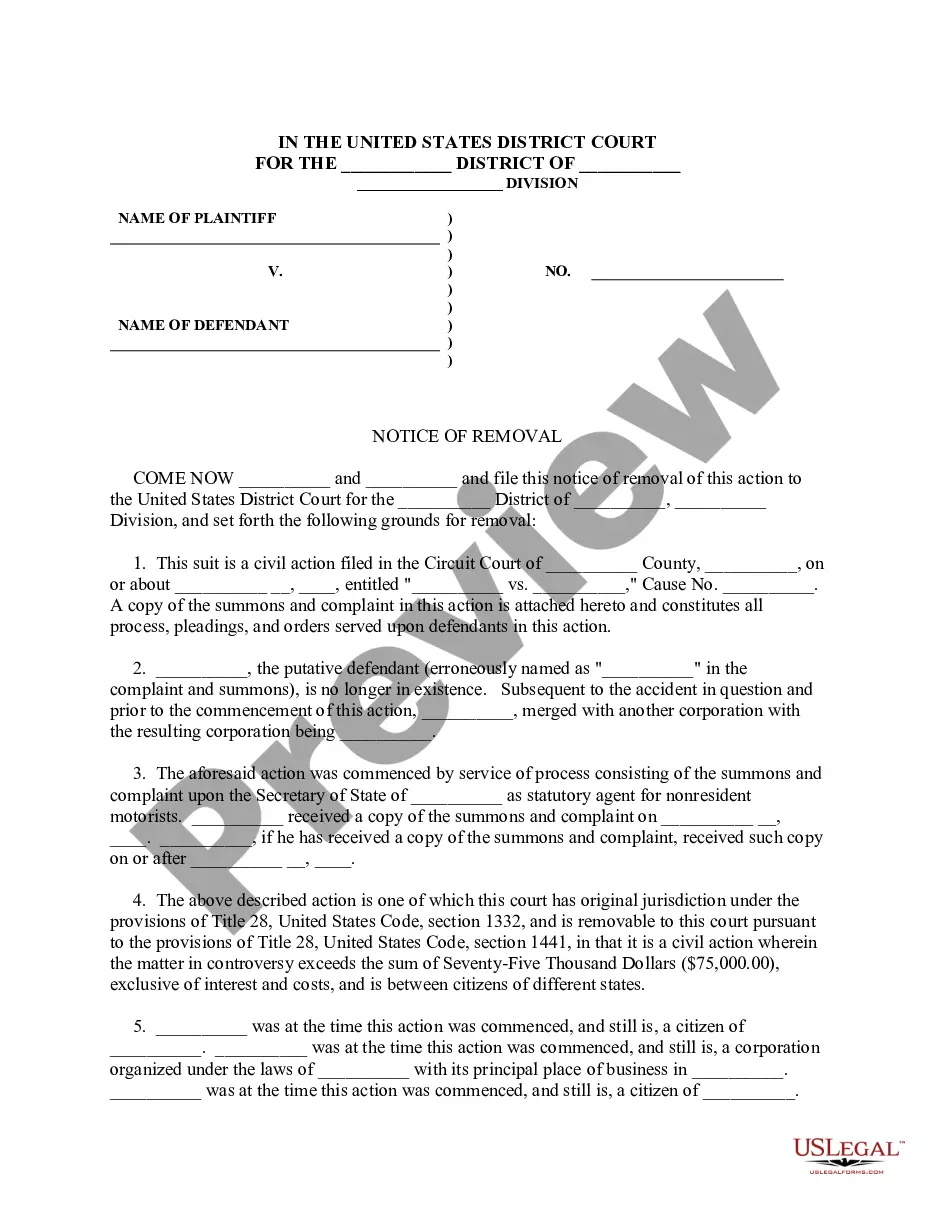
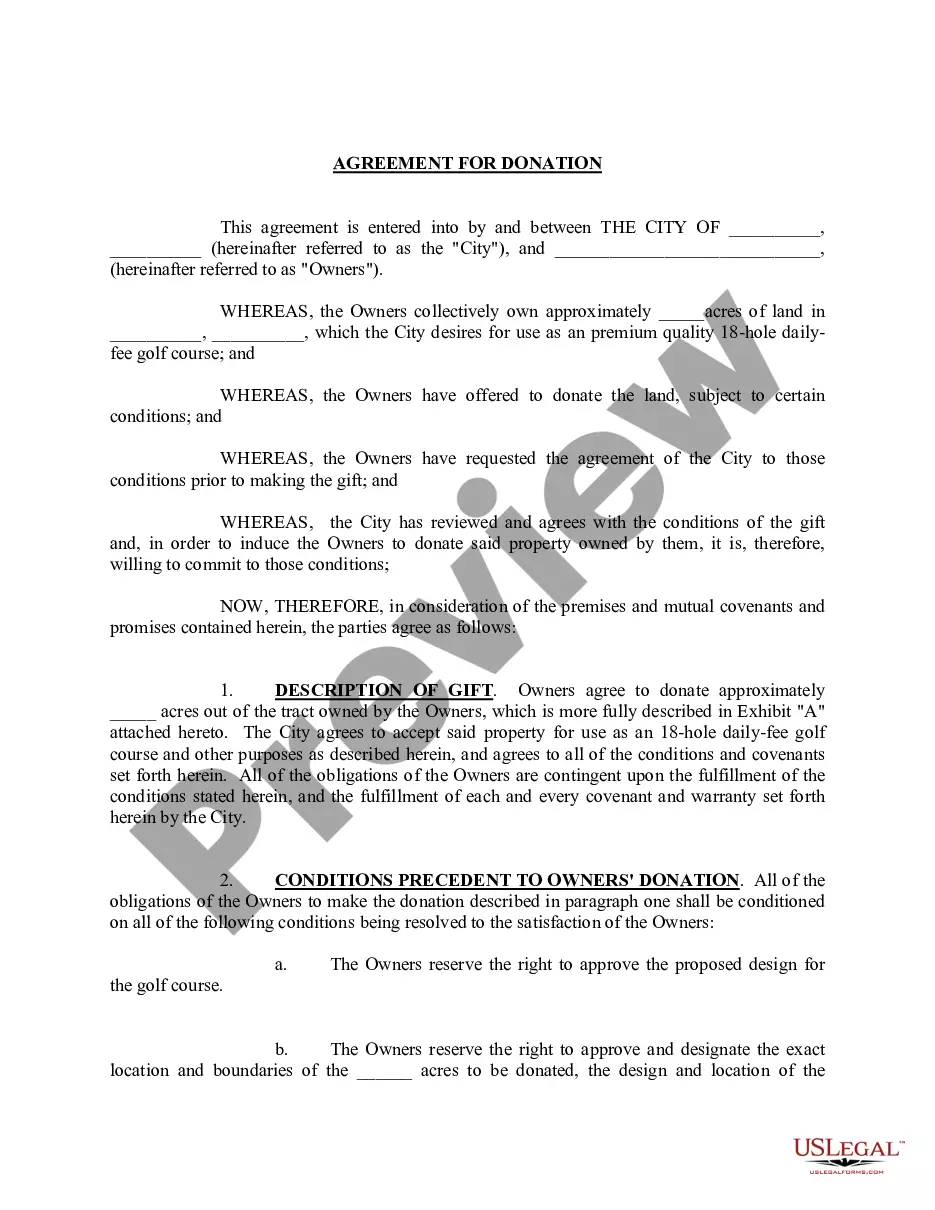
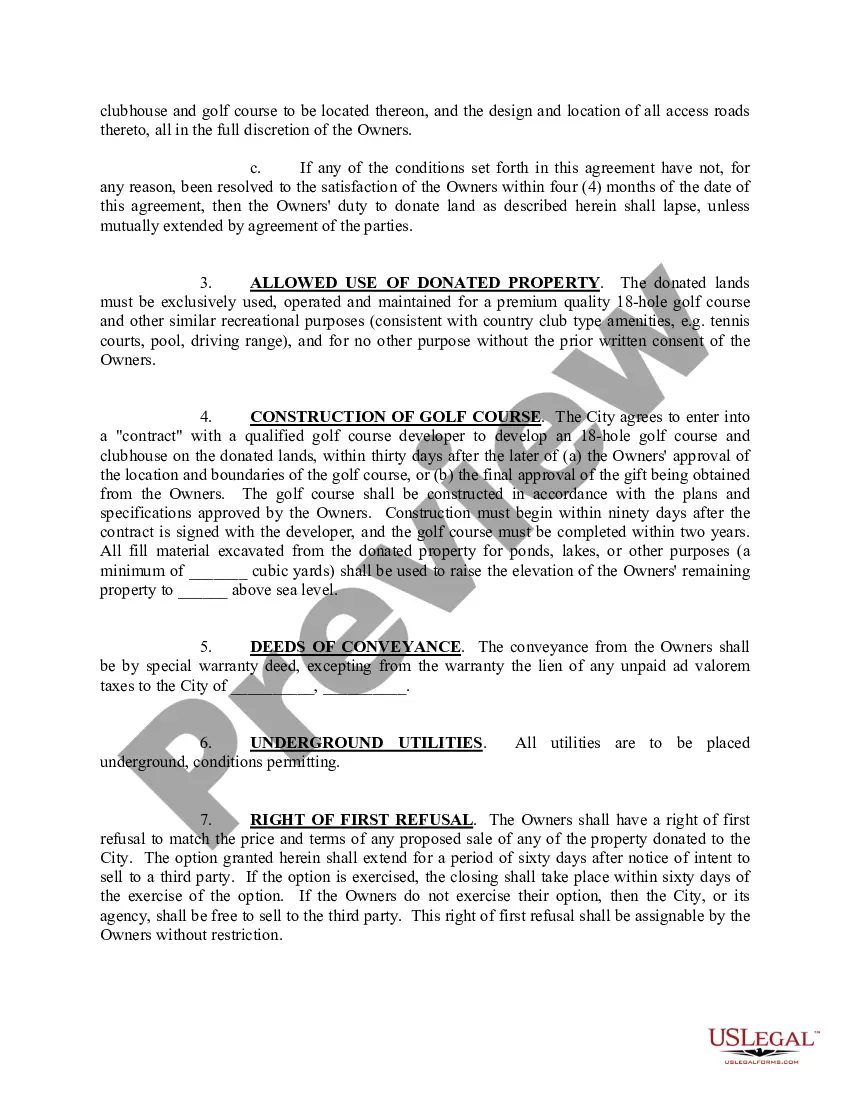
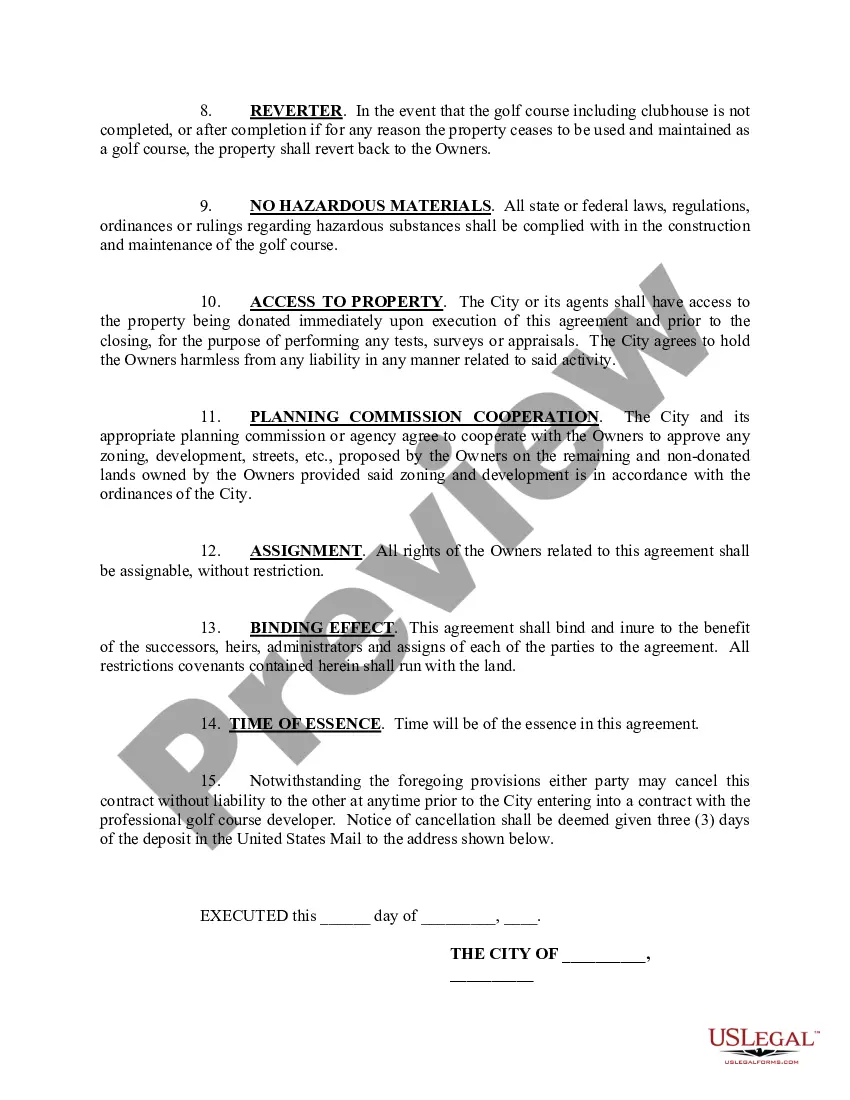
Donacion De Terreno Formato In Pima
Description

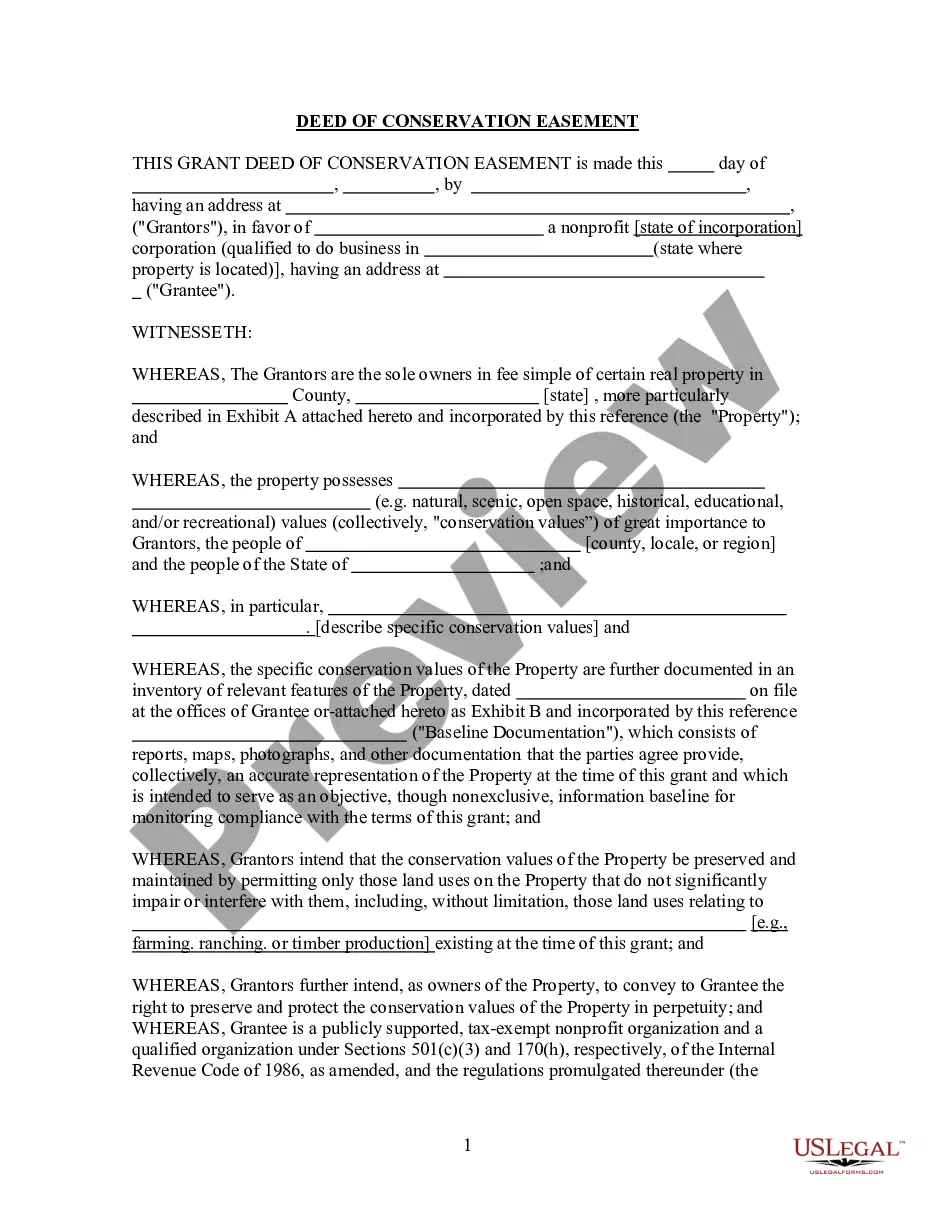
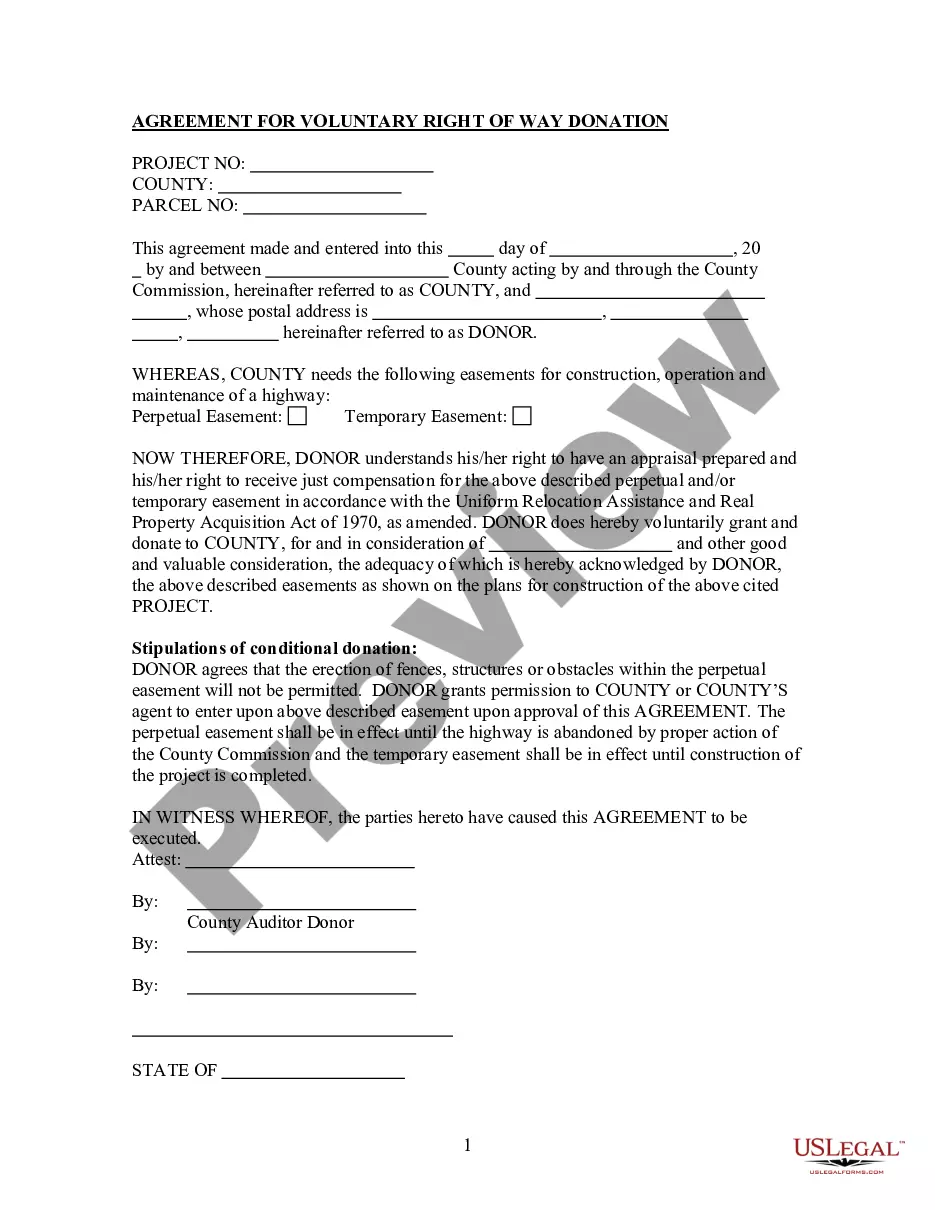
Get your form ready online
Our built-in tools help you complete, sign, share, and store your documents in one place.
Make edits, fill in missing information, and update formatting in US Legal Forms—just like you would in MS Word.
Download a copy, print it, send it by email, or mail it via USPS—whatever works best for your next step.
Sign and collect signatures with our SignNow integration. Send to multiple recipients, set reminders, and more. Go Premium to unlock E-Sign.
If this form requires notarization, complete it online through a secure video call—no need to meet a notary in person or wait for an appointment.
We protect your documents and personal data by following strict security and privacy standards.

Make edits, fill in missing information, and update formatting in US Legal Forms—just like you would in MS Word.

Download a copy, print it, send it by email, or mail it via USPS—whatever works best for your next step.

Sign and collect signatures with our SignNow integration. Send to multiple recipients, set reminders, and more. Go Premium to unlock E-Sign.

If this form requires notarization, complete it online through a secure video call—no need to meet a notary in person or wait for an appointment.

We protect your documents and personal data by following strict security and privacy standards.
Looking for another form?







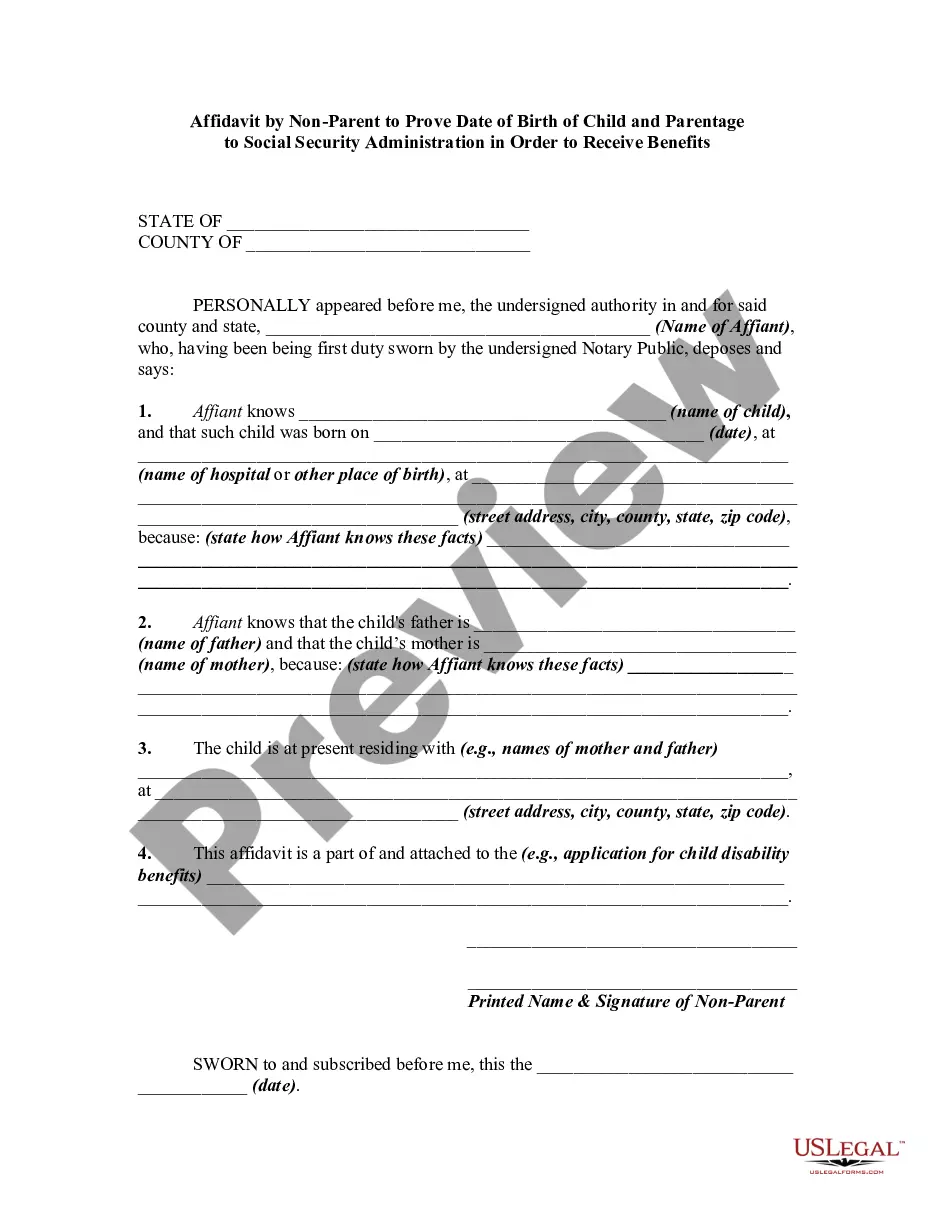
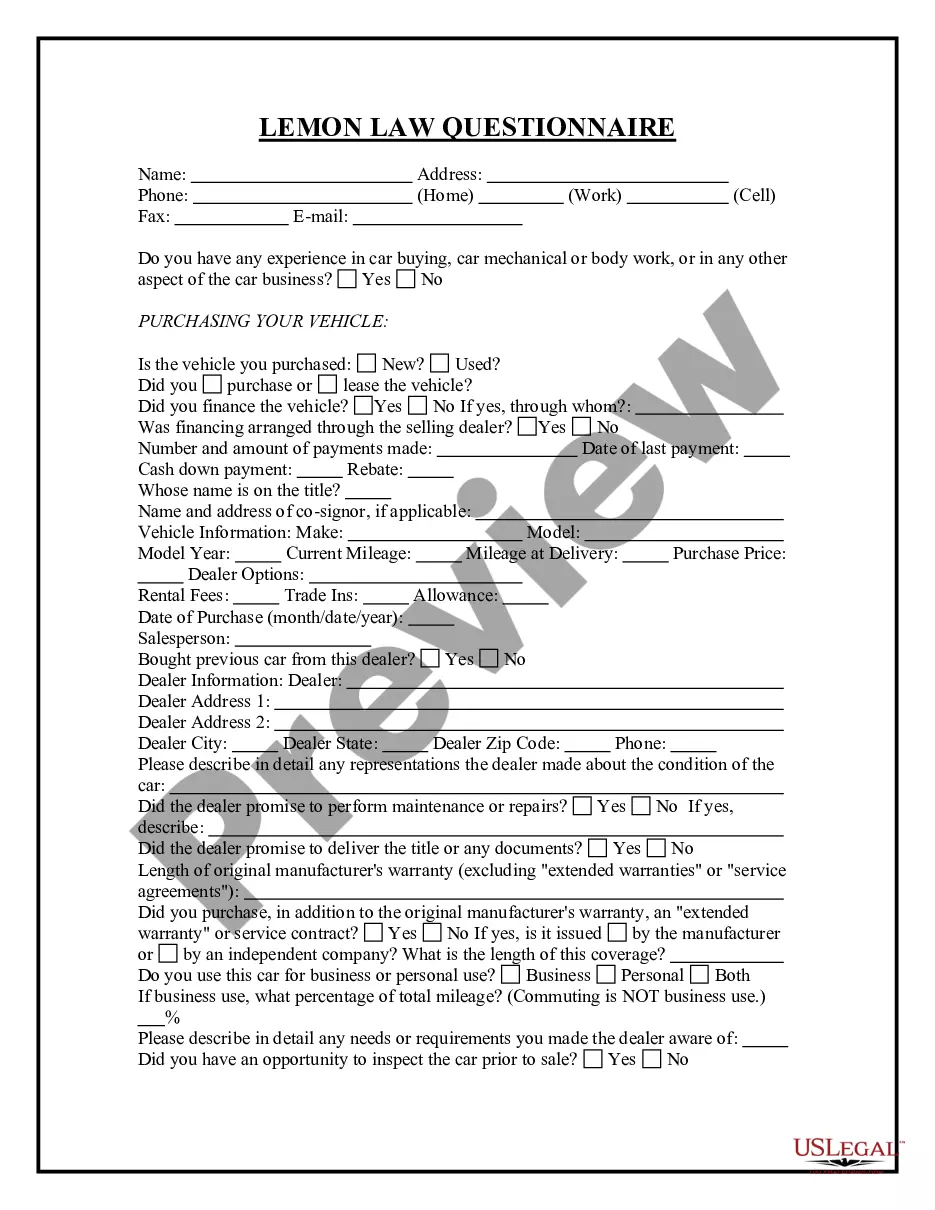

Form popularity
FAQ
Each document must be an original or a copy of the original, and shall be sufficiently legible for recorder to make certified copies from the photographic or micrographic record. SIGNATURES: Each document must have original signatures or carbon copies of original signatures, except when otherwise provided by law.
In Arizona, deeds need to be signed, sealed and delivered to be valid. A deed is signed only by the grantor(s), not the grantee. A deed does not have to be recorded to be valid, but recording is very common.
Arizona follows a notice recording statute, which means that, while unrecorded transfers are valid between the parties to the deed (grantor and grantee), the grantor who, in violation of A.R.S. §33-411.01, fails to record the transaction, opens the grantee up to claims from future bona fide buyers for value.
Mail to Pima County Recorder, P.O. Box 3145, Tucson AZ 85702-3145.
You can record a document in-person, by mail, or electronically. Your document must be an ORIGINAL or government-issued CERTIFIED copy to be accepted for recording. For more information on Recording Requirements, please see our Form Requirements, as pursuant to A.R.S. 11-480.
Recording Requirements Each document must have original signatures or carbon copies of original signatures, except when otherwise provided by law. Each document must be no larger than 8 1/2 inches wide by 14 inches long, and shall have a print size no smaller than ten point type.
Other ways you can record your documents: In person: Pima County Recorder's Downtown Office (Map) Pima County Recorder's Eastside Office (Map) ... By mail: USPS. Pima County Recorder. UPS or FedEx: Pima County Recorder. Electronically: These third-party providers are currently offering e-recording in Pima County.
First, search by your address or parcel number to locate your property. The current deed will be located under the "Deed Number" under the section "Owner Information". Once you locate your document, you may view an unofficial copy online. Select the colored box under the section "Pages" to view your document.
Presentarse al banco de sangre con identificación oficial (credencial de elector, cartilla, pasaporte, licencia o cédula profesional). Presentarse aseado(a), con ropa cómoda y sin desvelo.
La donación de propiedad es un acto de generosidad por el cual una persona, denominada donante, transfiere a otra, conocida como donatario, la titularidad de un bien o inmueble de manera gratuita y voluntaria.