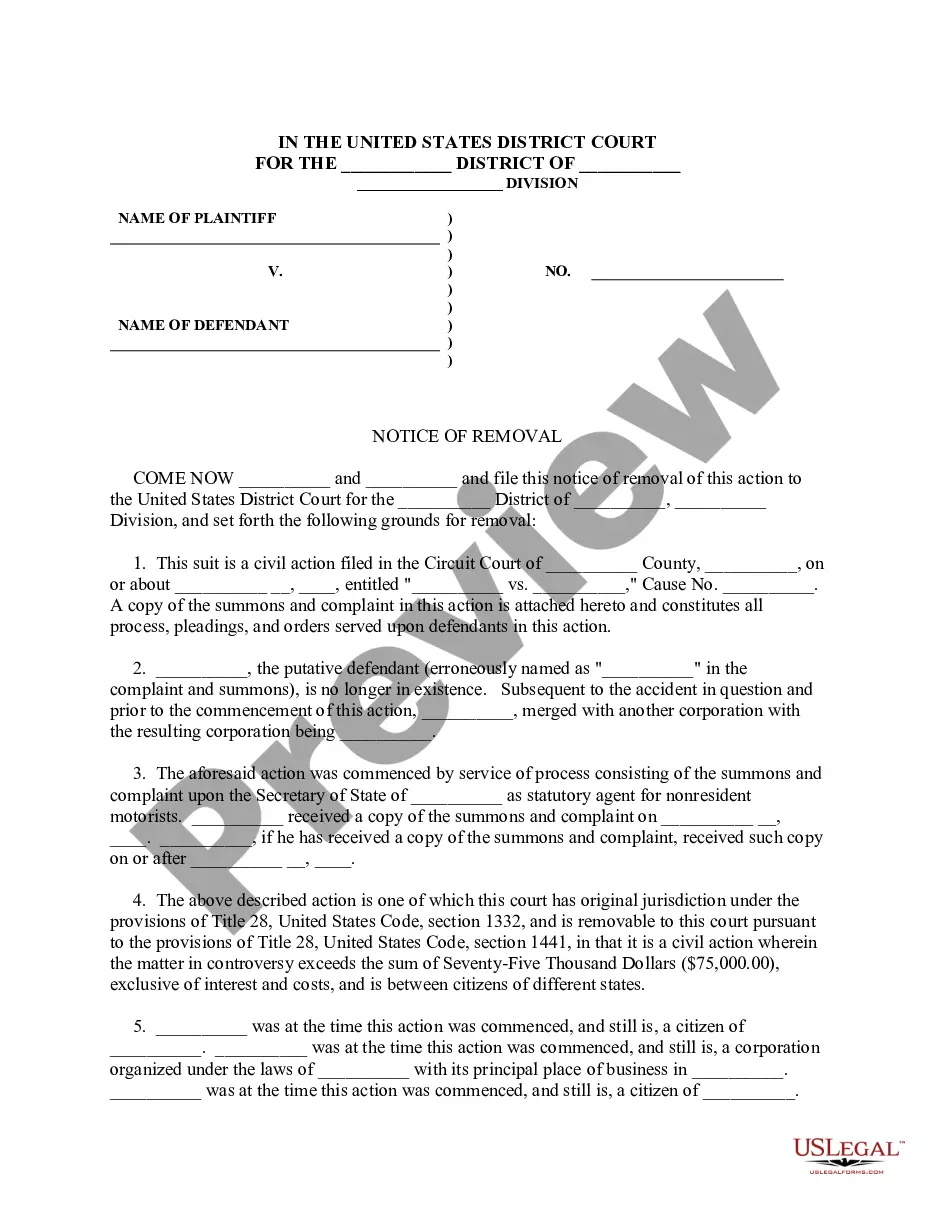
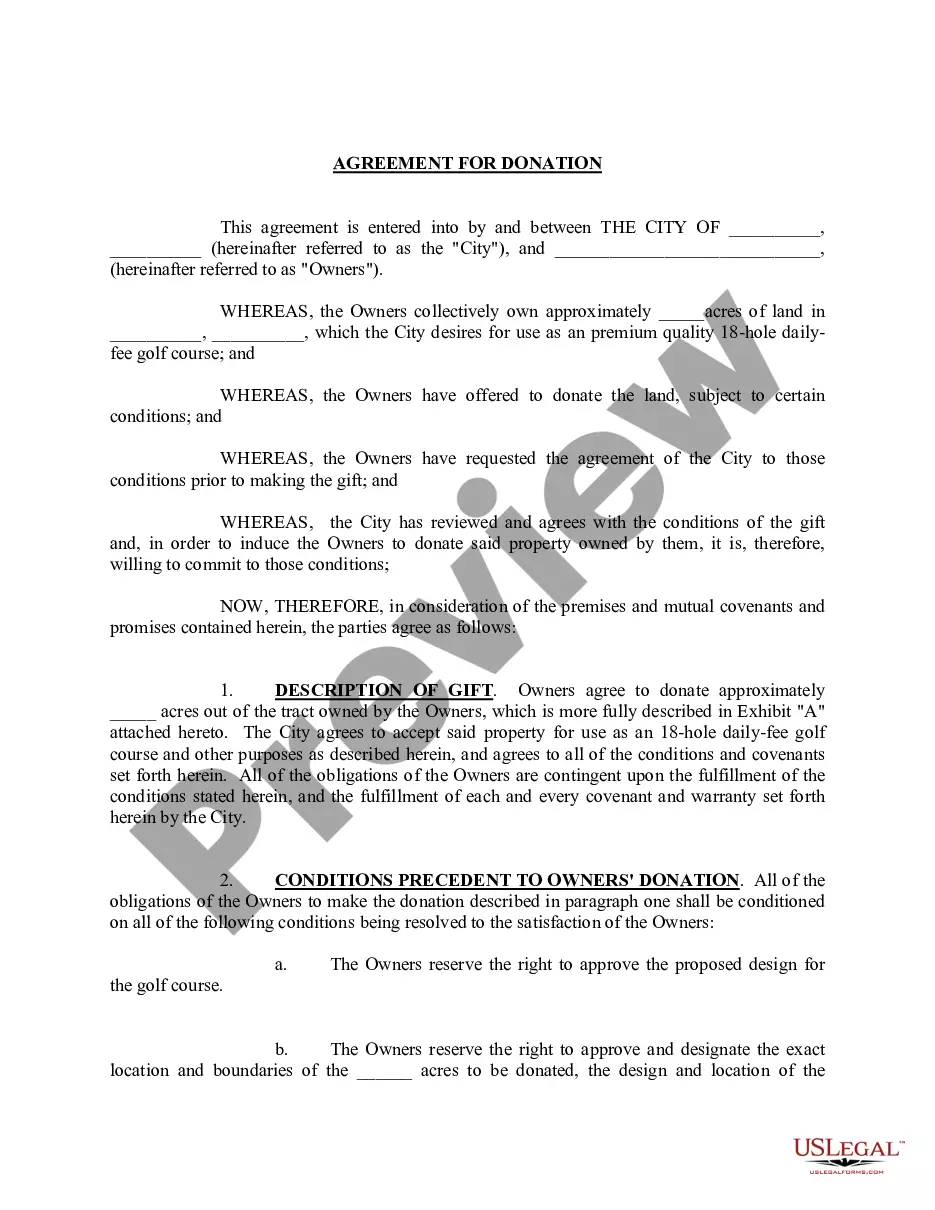
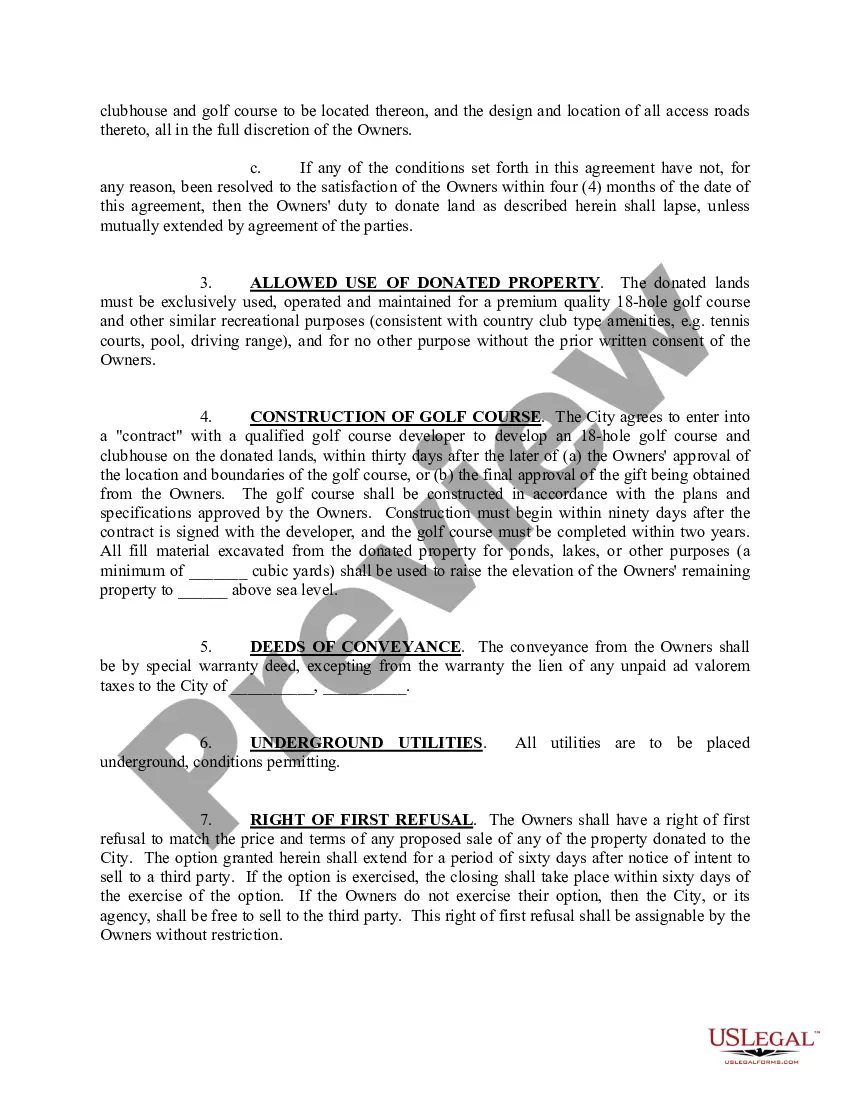
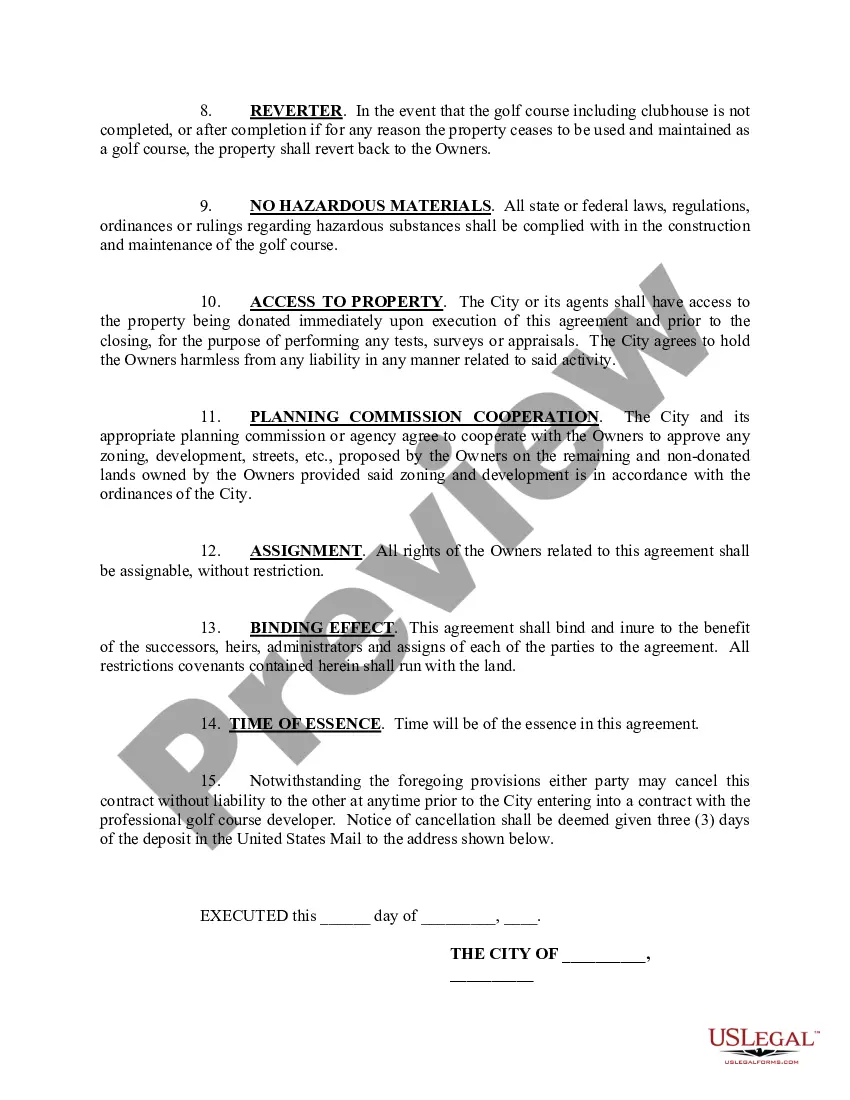
Land Donation For Taxes In Georgia
Description
Get your form ready online
Our built-in tools help you complete, sign, share, and store your documents in one place.
Make edits, fill in missing information, and update formatting in US Legal Forms—just like you would in MS Word.
Download a copy, print it, send it by email, or mail it via USPS—whatever works best for your next step.
Sign and collect signatures with our SignNow integration. Send to multiple recipients, set reminders, and more. Go Premium to unlock E-Sign.
If this form requires notarization, complete it online through a secure video call—no need to meet a notary in person or wait for an appointment.
We protect your documents and personal data by following strict security and privacy standards.

Make edits, fill in missing information, and update formatting in US Legal Forms—just like you would in MS Word.

Download a copy, print it, send it by email, or mail it via USPS—whatever works best for your next step.

Sign and collect signatures with our SignNow integration. Send to multiple recipients, set reminders, and more. Go Premium to unlock E-Sign.

If this form requires notarization, complete it online through a secure video call—no need to meet a notary in person or wait for an appointment.

We protect your documents and personal data by following strict security and privacy standards.
Looking for another form?










Form popularity
FAQ
The property must be maintained in a qualifying use for a period of ten years. Owners of agricultural and/or timber land that qualify for conservation use should file application for current use assessment with the county board of tax assessors on or before the last day for filing ad valorem tax returns in the county.
Drawbacks Of Conservation Easements Most conservation easements are permanent and bind all future landowners (including heirs). Conservation easement holders and farmers may not always share a common vision. Conservation easements can reduce the property's overall value, making the land worth less for future sales.
All landowners who qualify for Conservation Use Valuation are entitled to have their land valued ing to its current use (agriculture, forestry, or environmentally sensitive) instead of the Fair Market Value for ad valorem taxation. This can reap large tax benefits.
Generally, a minimum of 10 acres is required for enrollment, but some counties have recently increased the minimum acreage to 25 acres. No more than 2,000 acres can be enrolled in CUVA by any one non-industrial, private landowner. Foreign citizens and foreign corporations are not eligible to enroll.
The most common way to protect land is with a conservation easement. A conservation easement is a voluntary, legal agreement between a landowner and a land trust that permanently limits uses of the land in order to protect its conservation values.
If you give property to a qualified organization, you can generally deduct the fair market value (FMV) of the property at the time of the contribution.
In 2023, Governor Brian Kemp signed HB 18 into law, providing $950 million in property tax relief to homeowners by reducing the assessed value of qualified homesteaded properties in Georgia by up to $18,000. This one-time credit is known as the Property Tax Relief Grant, or Homeowners Tax Relief Grant (HTRG).
The actual amount of the credit depends on the location of your property and how much assessed value remains after your homestead exemption is applied. The state of Georgia designated that up to $18,000 of assessed value is eligible for the credit.
Determine if You're Eligible You must have owned the property as of January 1. The home must be considered your legal residence for all purposes. You must occupy the home. You cannot already claim a homestead exemption for another property in Georgia or in any other state.
You must be 65 years old or older. You must be living in the home to which the exemption applies on January 1 of the year for which the exemption applies. Your net income, or the combined net income of you and your spouse must not be greater than $10,000 for the preceding year.