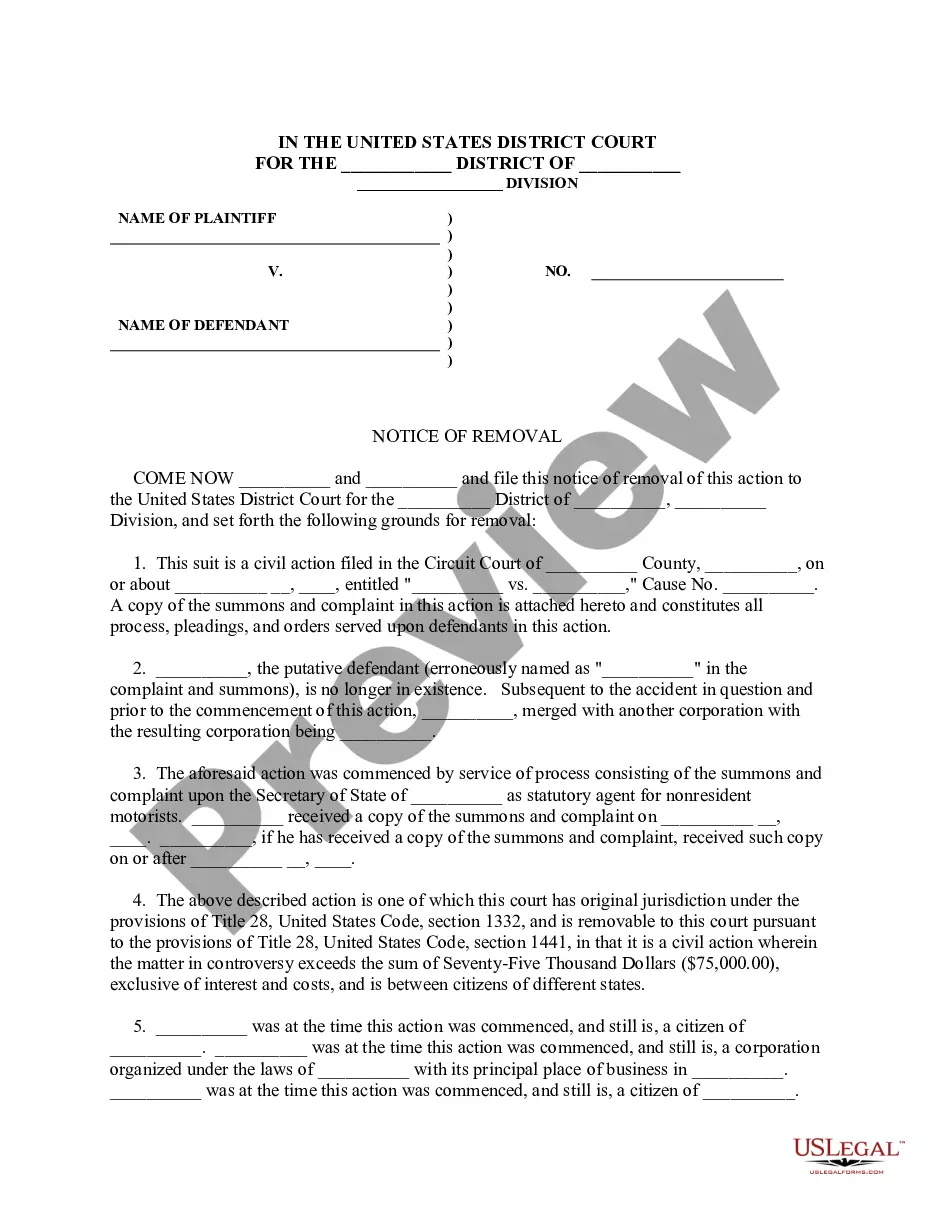
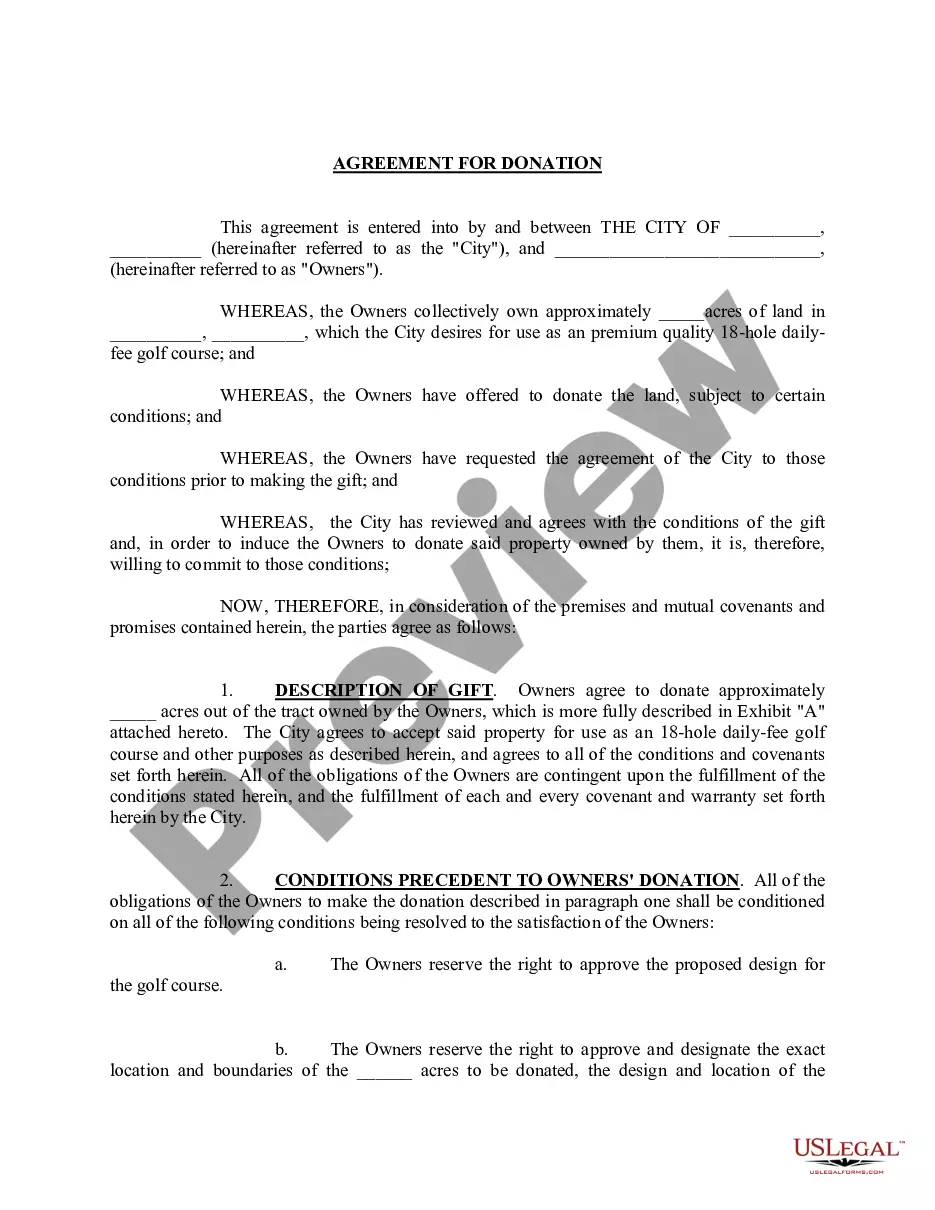
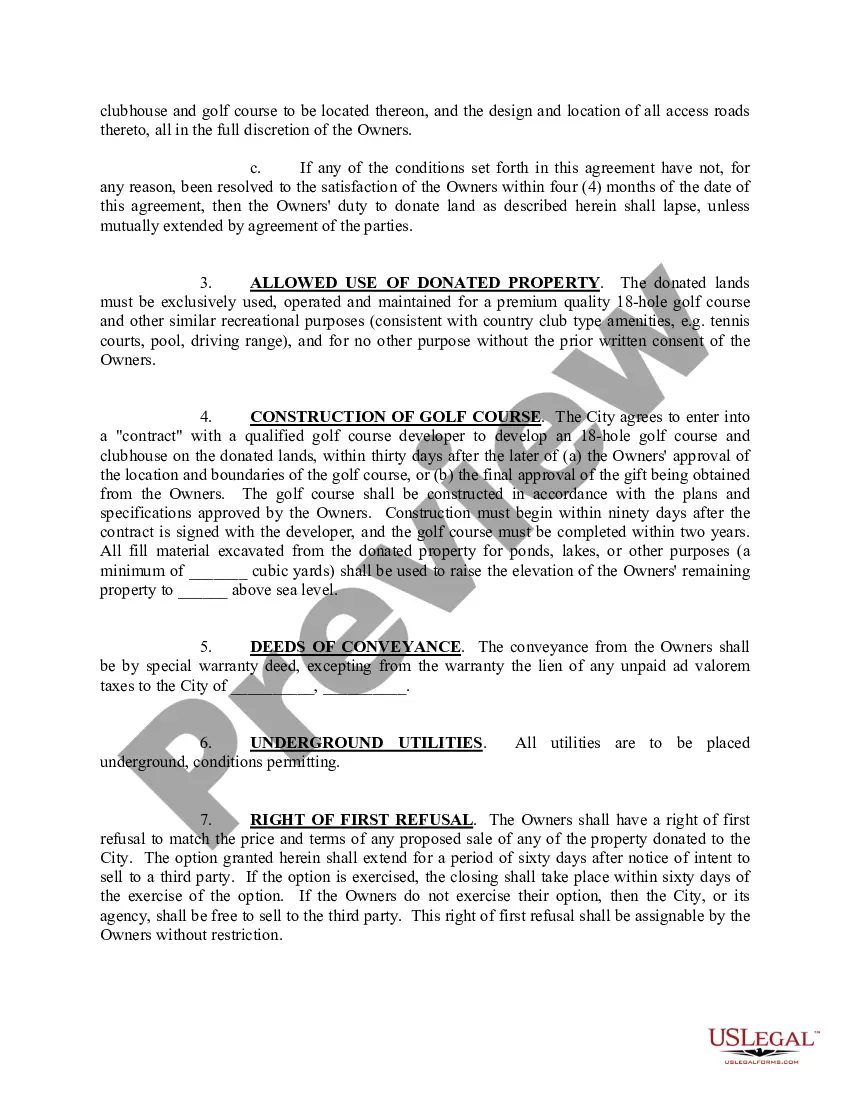
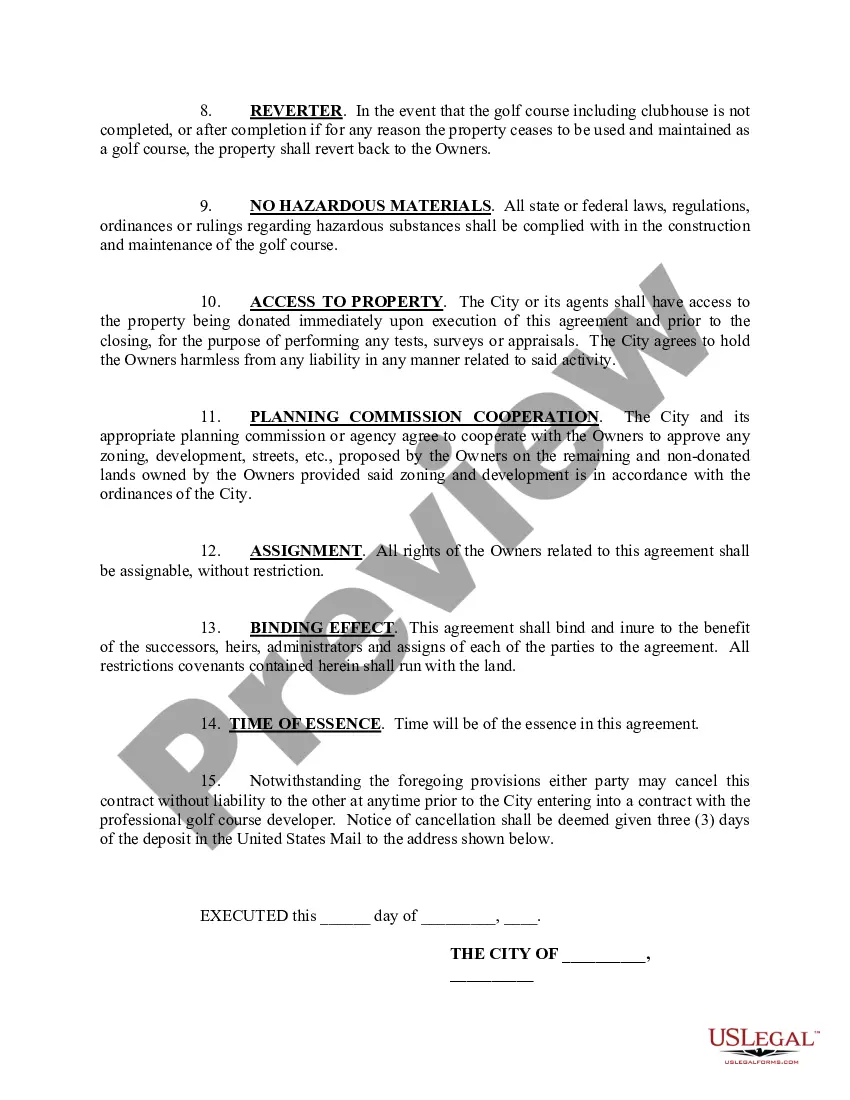
Donacion De Terreno Formato In Franklin
Description

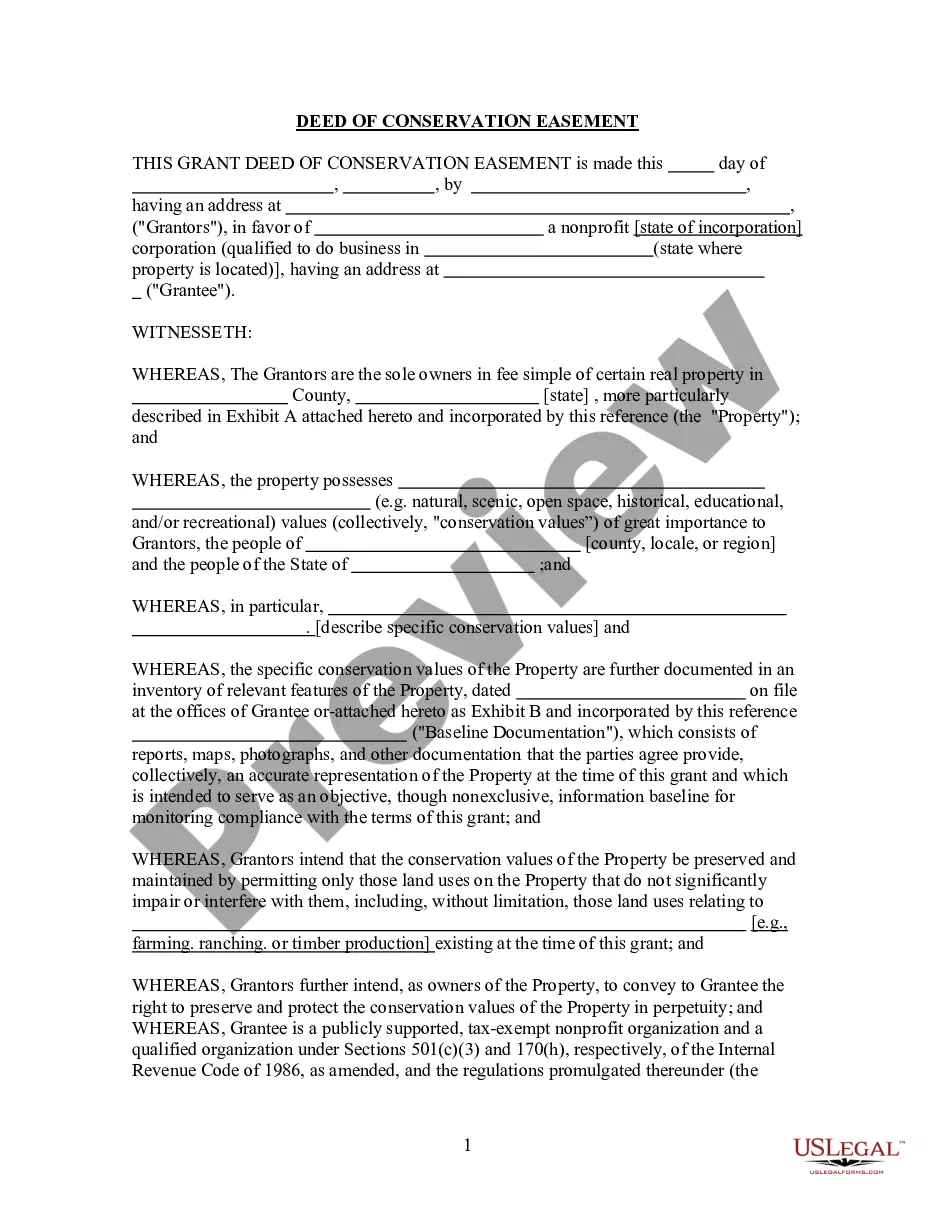
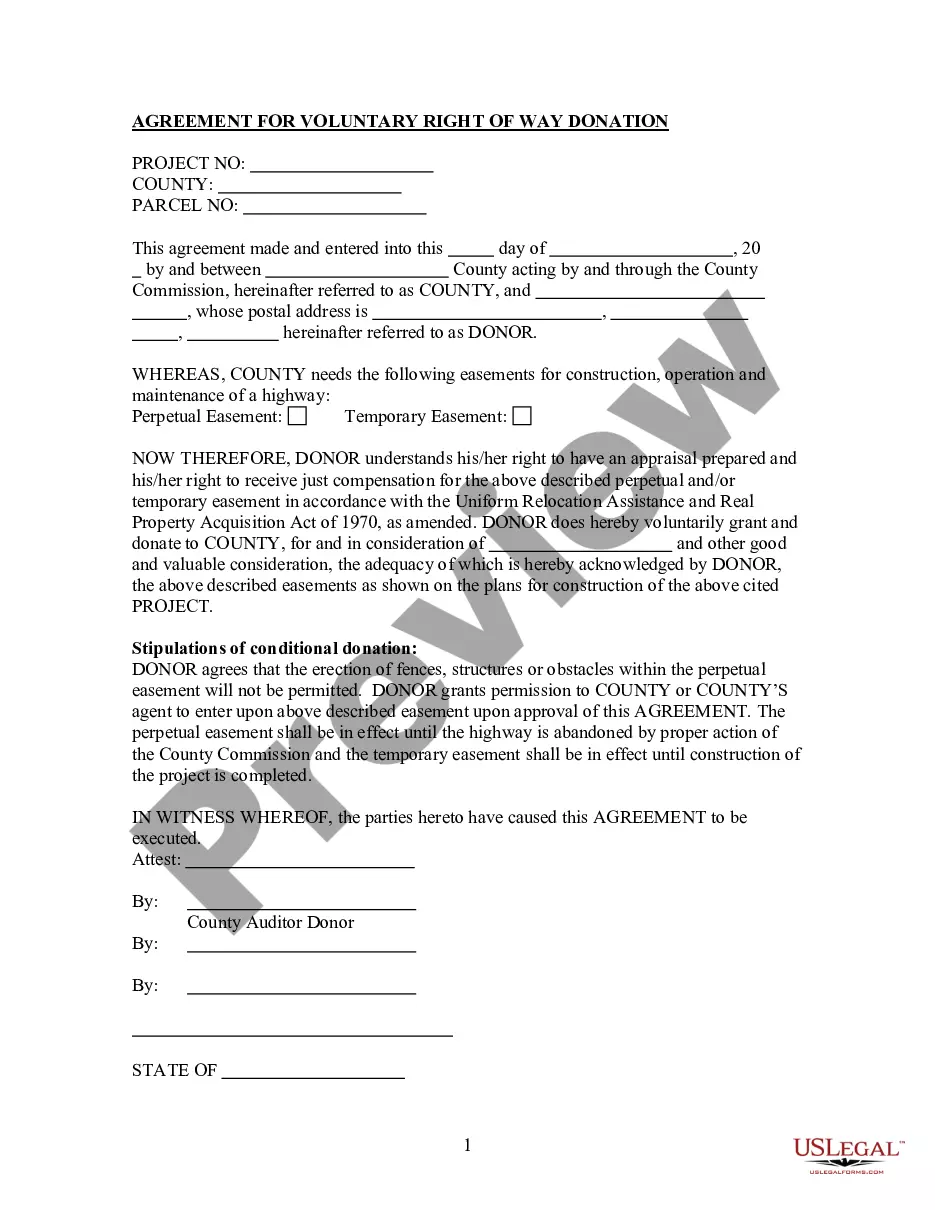
Get your form ready online
Our built-in tools help you complete, sign, share, and store your documents in one place.
Make edits, fill in missing information, and update formatting in US Legal Forms—just like you would in MS Word.
Download a copy, print it, send it by email, or mail it via USPS—whatever works best for your next step.
Sign and collect signatures with our SignNow integration. Send to multiple recipients, set reminders, and more. Go Premium to unlock E-Sign.
If this form requires notarization, complete it online through a secure video call—no need to meet a notary in person or wait for an appointment.
We protect your documents and personal data by following strict security and privacy standards.

Make edits, fill in missing information, and update formatting in US Legal Forms—just like you would in MS Word.

Download a copy, print it, send it by email, or mail it via USPS—whatever works best for your next step.

Sign and collect signatures with our SignNow integration. Send to multiple recipients, set reminders, and more. Go Premium to unlock E-Sign.

If this form requires notarization, complete it online through a secure video call—no need to meet a notary in person or wait for an appointment.

We protect your documents and personal data by following strict security and privacy standards.
Looking for another form?










Form popularity
FAQ
Yes, you may add a beneficiary to various bank accounts including checking, savings and retirement accounts. This can generally be done online via your bank's website or app, or in person at a local branch.
If you have a retirement plan with Fiduciary Trust International of the South (part of the Franklin Templeton organization) as custodian and would like to change your beneficiary of record, please visit franklintempleton (click the “Forms and Literature” tab, search for “beneficiary”) or call (800) 527-2020 to ...
Most beneficiary designations will require you to provide a person's full legal name and their relationship to you (spouse, child, mother, etc.). Some beneficiary designations also include information like mailing address, email, phone number, date of birth and Social Security number.
If you have a brokerage account, contact the broker for instructions. Most likely, the broker will send you a form on which you'll name beneficiaries to inherit your account. From then on, the account will be listed in your name, with the beneficiary's name after it, like this: "Evelyn M. Meyers, TOD Jason Meyers."
Requisitos: Minuta autorizada por un abogado, firmado por las partes contratantes (donante y donatario). Documentos que acrediten el pago de los impuestos Predial del ao de la donación, original de comprobante de pago del impuesto al Patrimonio Predial.
La donación de un inmueble debe hacerse por escritura pública con indicación individual del (los) inmueble(s) donado(s), así como su valor real, bajo sanción de nulidad. el caso) donde se encuentra inscrito el inmueble que se está donando.
Se deberá presentar actas de nacimiento, CURP, la escritura del terreno y la consulta del Registro Público de la Propiedad. Esto con la finalidad de corroborar que el terreno que se desea donar pertenezca al donante.
La donación de propiedad es un acto de generosidad por el cual una persona, denominada donante, transfiere a otra, conocida como donatario, la titularidad de un bien o inmueble de manera gratuita y voluntaria.
Requisitos para un Contrato de Donación Capacidad del Donante: El donante debe ser mayor de edad y tener capacidad legal para disponer de sus bienes. Consentimiento: Ambas partes deben manifestar su voluntad de realizar la donación de manera libre y consciente.
Honorarios Notariales: Los honorarios notariales pueden variar entre el 0.1% y el 0.5% del valor de la donación, dependiendo de la complejidad. Suponiendo una tarifa del 0,2%, incurrirías en 300€ (150,000€ x 0.3%).