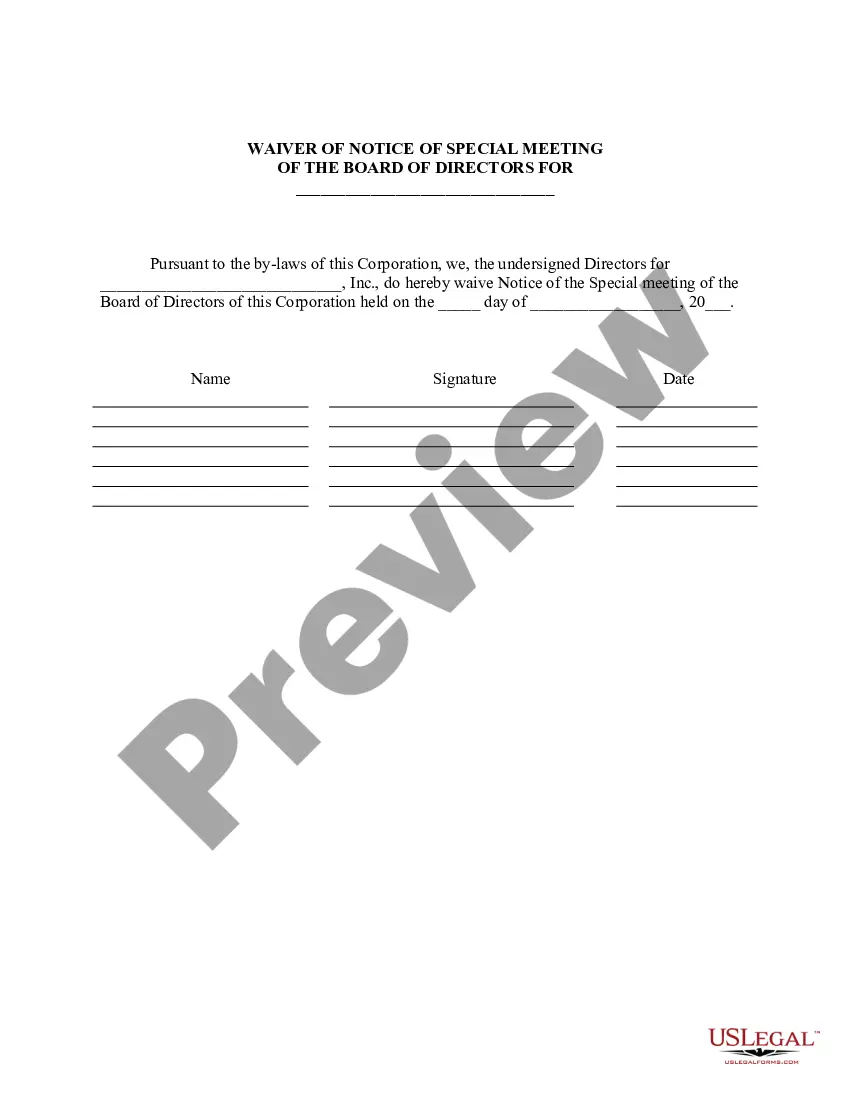
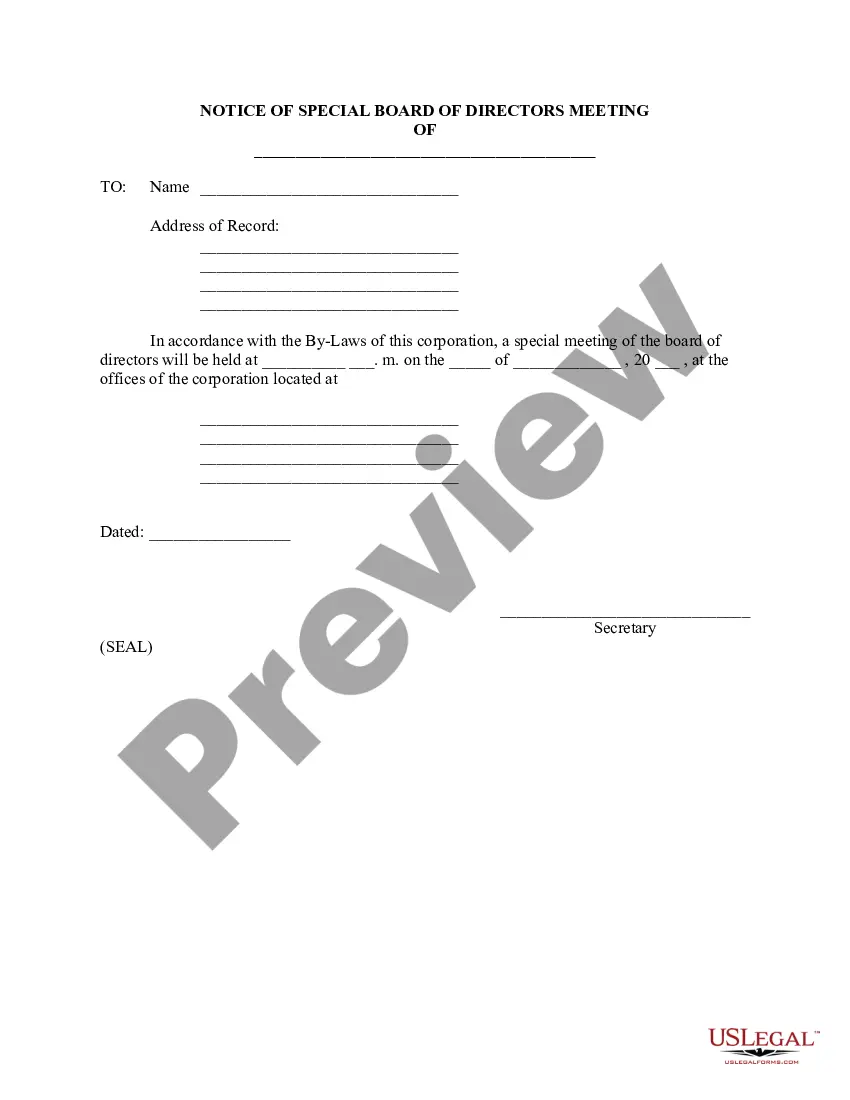
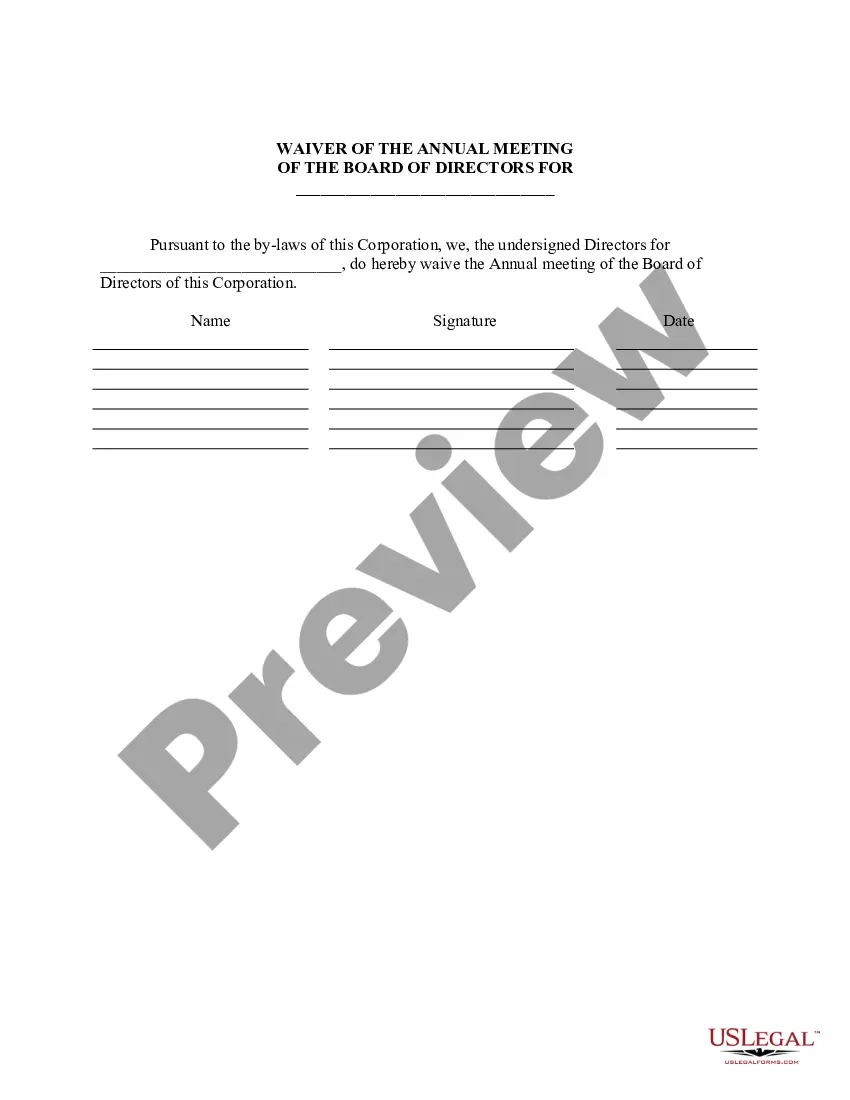
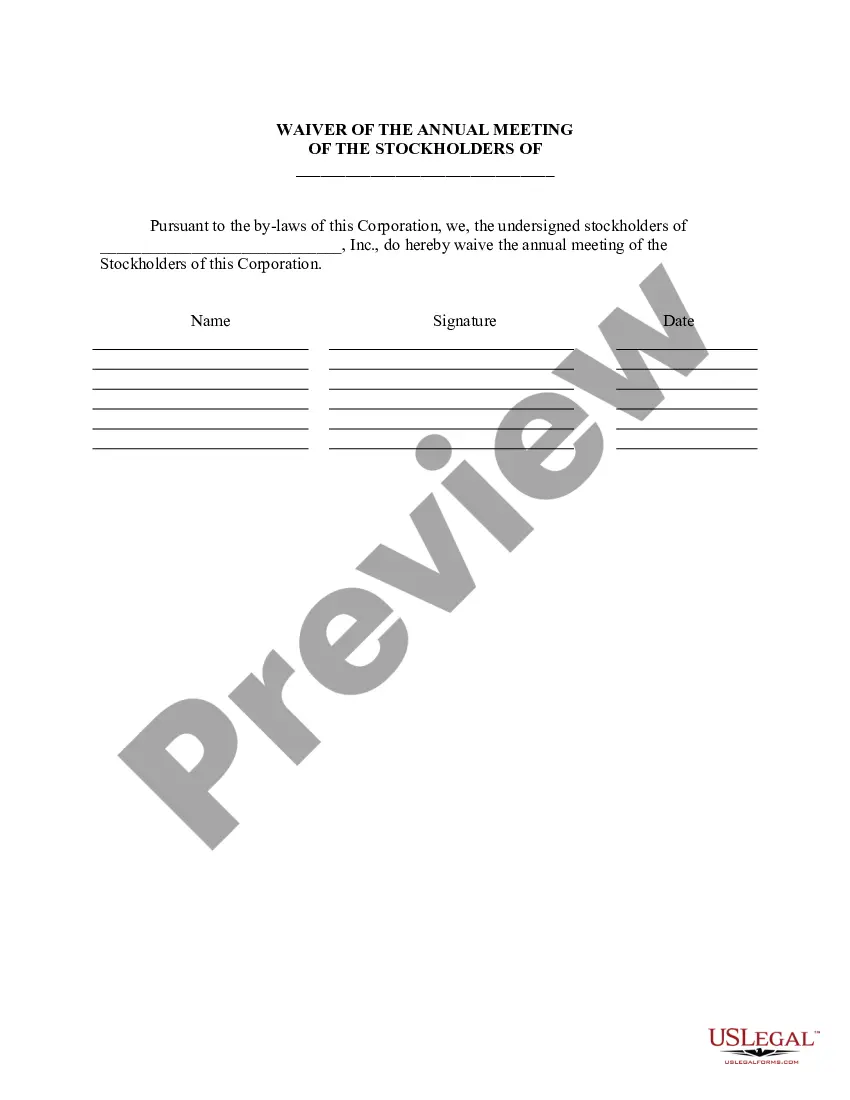
Board Directors Of Corporation In Wake
Description
Get your form ready online
Our built-in tools help you complete, sign, share, and store your documents in one place.
Make edits, fill in missing information, and update formatting in US Legal Forms—just like you would in MS Word.
Download a copy, print it, send it by email, or mail it via USPS—whatever works best for your next step.
Sign and collect signatures with our SignNow integration. Send to multiple recipients, set reminders, and more. Go Premium to unlock E-Sign.
If this form requires notarization, complete it online through a secure video call—no need to meet a notary in person or wait for an appointment.
We protect your documents and personal data by following strict security and privacy standards.

Make edits, fill in missing information, and update formatting in US Legal Forms—just like you would in MS Word.

Download a copy, print it, send it by email, or mail it via USPS—whatever works best for your next step.

Sign and collect signatures with our SignNow integration. Send to multiple recipients, set reminders, and more. Go Premium to unlock E-Sign.

If this form requires notarization, complete it online through a secure video call—no need to meet a notary in person or wait for an appointment.

We protect your documents and personal data by following strict security and privacy standards.
Looking for another form?


Form popularity
FAQ
Best Practices for Board Size The generally accepted size for corporate boards is between eight and 12 board directors. Boards need to be large enough to have enough committees to do the work. In addition, the committees need to have enough members on them to do their work.
How to form a board of directors Register articles of incorporation. You must file articles of incorporation in your state to gain legal status as a corporation. Create bylaws. Set up a board of directors agreement. Select your board of directors. Have an initial shareholder meeting.
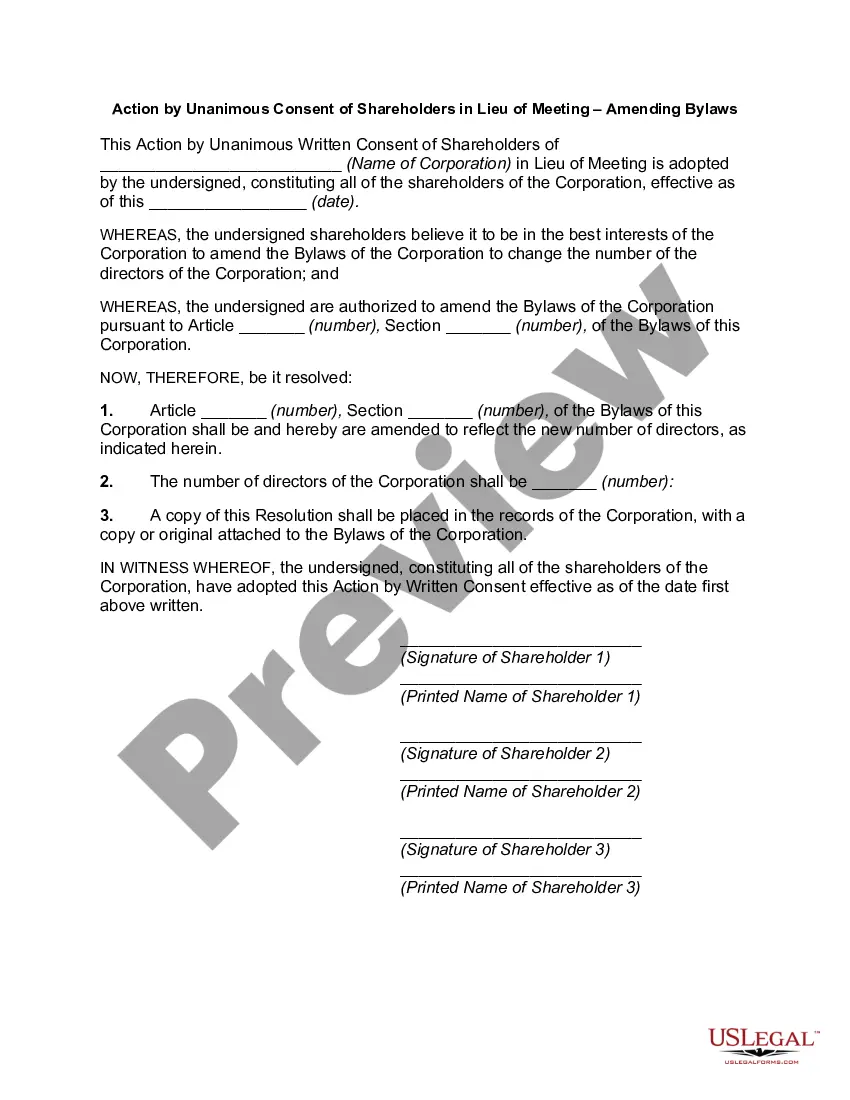
How do I write Corporate Bylaws? Step 1: Select your corporation type. Step 2: Describe your incorporation status. Step 3: State your location. Step 4: Provide your corporation's registered name. Step 5: Outline shareholder meeting rules. Step 6: Create rules for board meetings.
Directors weigh in on such matters as strategic planning, mergers and acquisitions, share repurchase programs, declaring dividends and nominating future board members. They're also responsible for hiring and firing the CEO and for setting the compensation of senior executives.
A board ideally includes directors with a diverse set of experiences relevant to the organization's strategic direction. Board directors should be generalists who are able to keep a helicopter perspective, but they should also have a specific area of expertise.
Typical inside directors are: A chief executive officer (CEO) who may also be chair of the board. Other executives of the organization, such as its chief financial officer (CFO) or executive vice president. Large shareholders (who may or may not also be employees or officers)
You need a personal board of directors. Your direct manager or boss. Someone with decision making power who is external to your company but in a similar industry. A peer in a similar industry. A person who has known you for most or all of your adult life. A skip level or higher at your current company.
Chair of the board The chair is the highest-ranking person on the board. Since they are responsible for leading large teams of people, this individual must be a strong leader. In ance with their country's Company Law, chairs organise board meetings, appoint committees, and perform other duties.
To use an assumed name, you can file an NC DBA online application or submit an assumed name application form by mail.