Board Meeting Without Company Secretary In Harris
Description
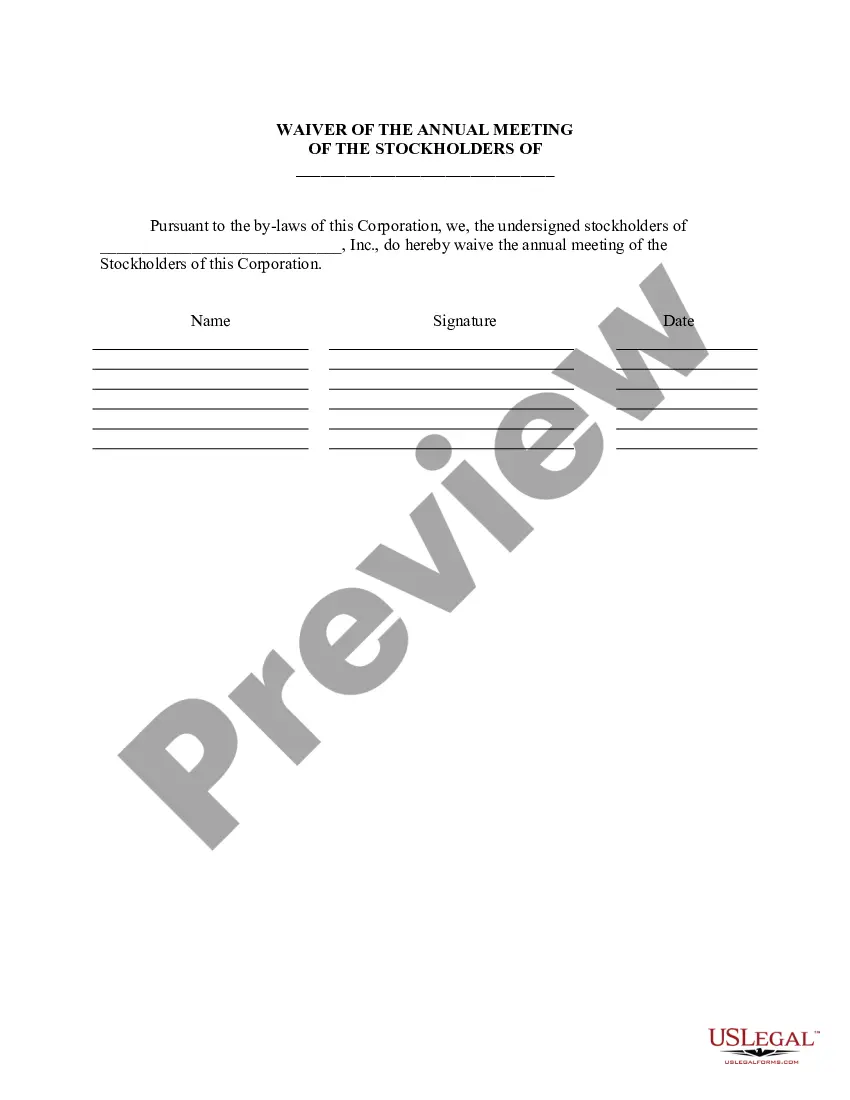
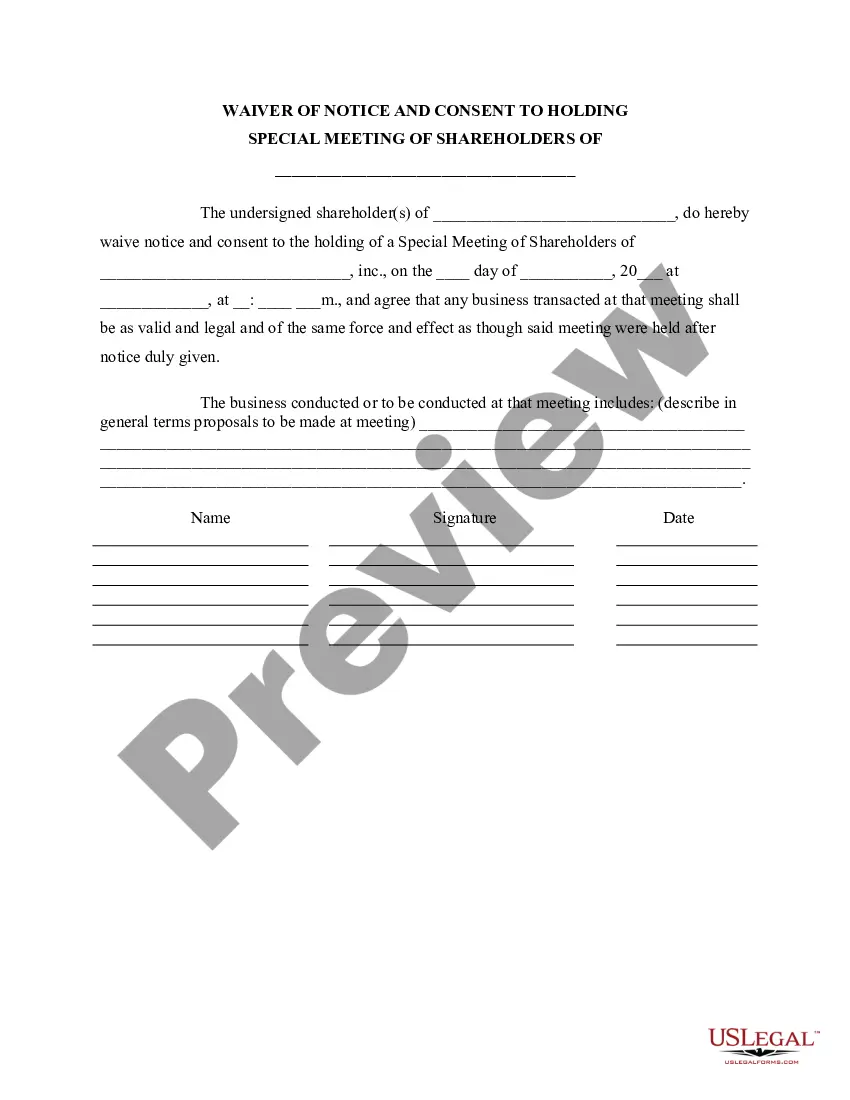
Get your form ready online
Our built-in tools help you complete, sign, share, and store your documents in one place.
Make edits, fill in missing information, and update formatting in US Legal Forms—just like you would in MS Word.
Download a copy, print it, send it by email, or mail it via USPS—whatever works best for your next step.
Sign and collect signatures with our SignNow integration. Send to multiple recipients, set reminders, and more. Go Premium to unlock E-Sign.
If this form requires notarization, complete it online through a secure video call—no need to meet a notary in person or wait for an appointment.
We protect your documents and personal data by following strict security and privacy standards.

Make edits, fill in missing information, and update formatting in US Legal Forms—just like you would in MS Word.

Download a copy, print it, send it by email, or mail it via USPS—whatever works best for your next step.

Sign and collect signatures with our SignNow integration. Send to multiple recipients, set reminders, and more. Go Premium to unlock E-Sign.

If this form requires notarization, complete it online through a secure video call—no need to meet a notary in person or wait for an appointment.

We protect your documents and personal data by following strict security and privacy standards.
Looking for another form?
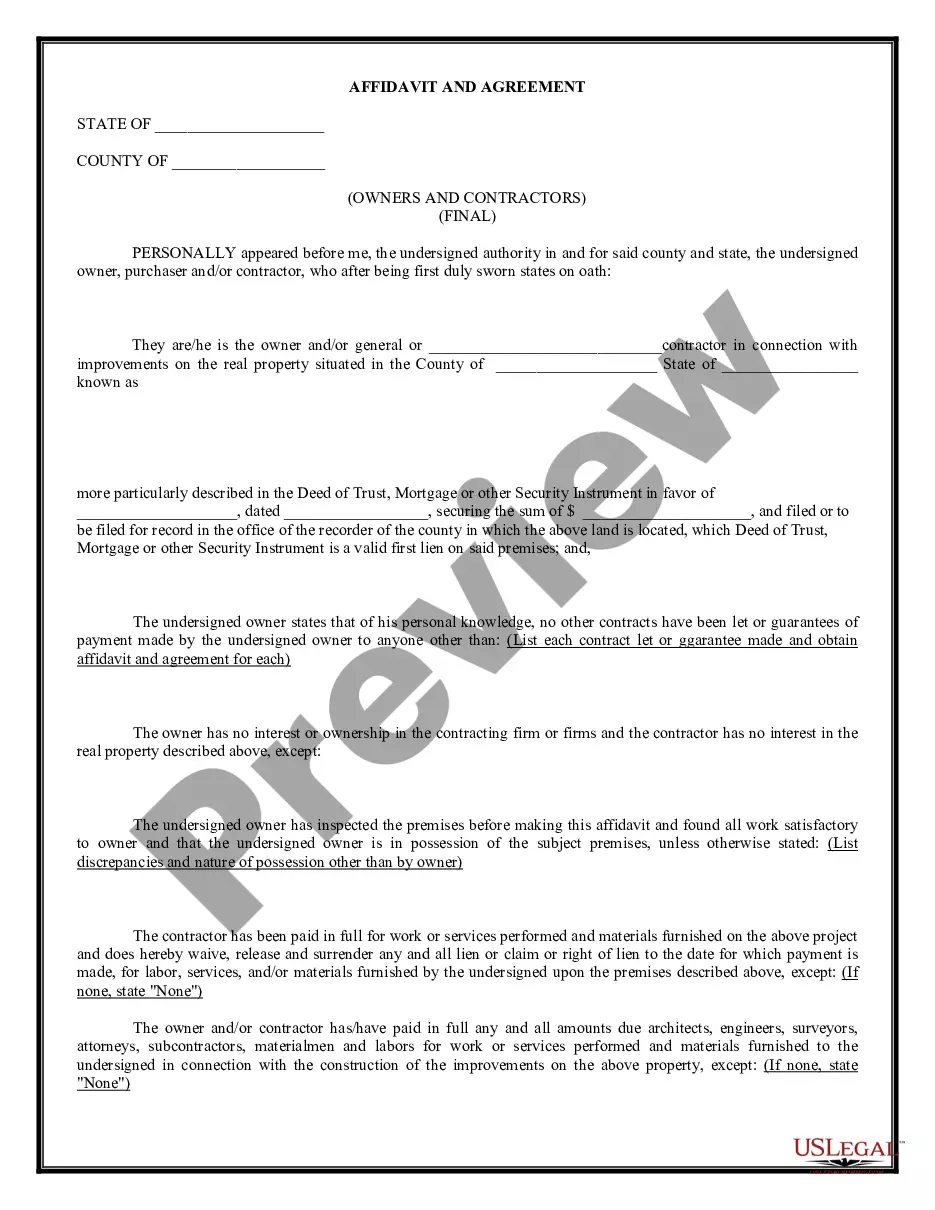
Form popularity
FAQ
A qualified company secretary can also help prevent confusion regarding company ownership and management, provide guidance on company law, and maintain meticulous records and documents. This can be crucial for the smooth and profitable operation of the business.
If the CEO is not also a board member, it is normal for them to attend most board meetings to report on progress, however from time to time it may be appropriate for board meetings to be held without the CEO.
If a proprietary company does not appoint a secretary, each director of the company is responsible for the company's contravention of these provisions. and maintenance of compliance policies, processes and procedures.
5 tips for opening a board meeting: Allow time for members to get settled and focused. Provide a way for members to share what's weighing on their minds. Include time for socializing. Clarify each person's specific role for the meeting. Take time to formally review and approve the agenda.
However, there has been no legal requirement to do so since the introduction of the Companies Act 2006 (the “Act”). Before the introduction of the Act, companies still had to have a secretary appointed at all times. Specifically, section 270 of the Act provides that no secretary is required.
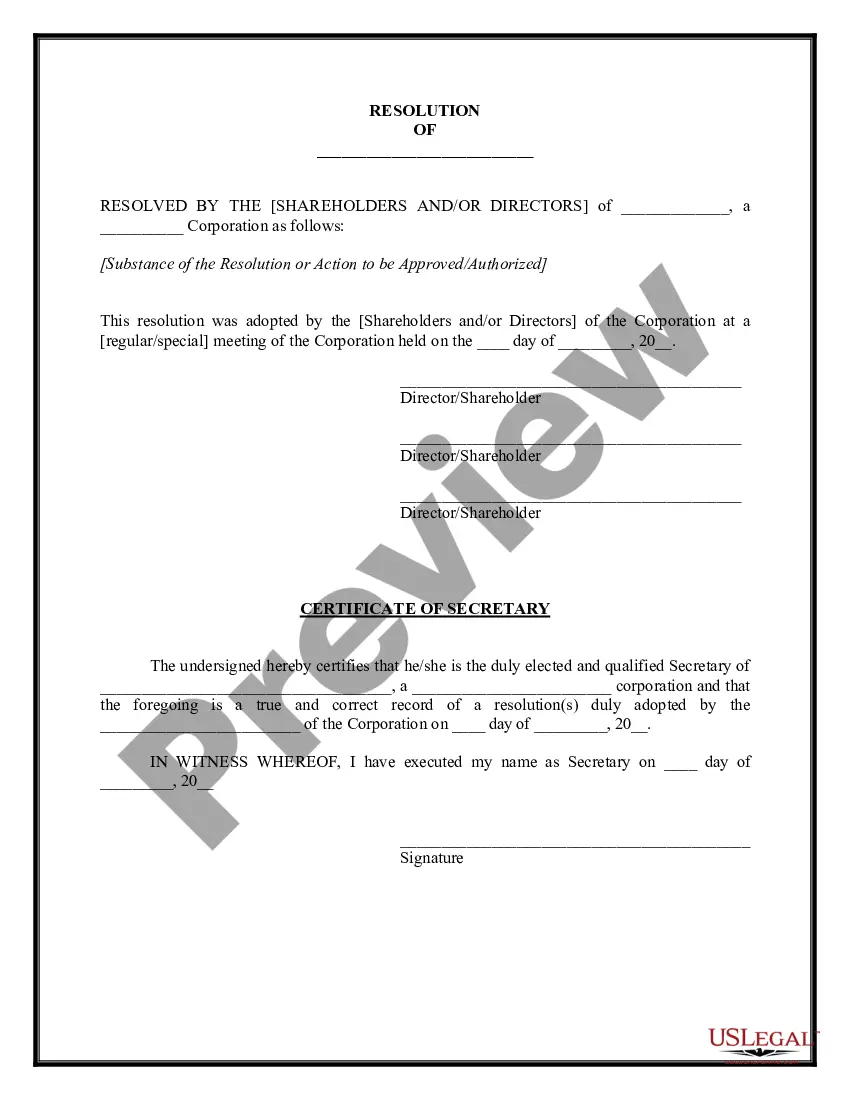
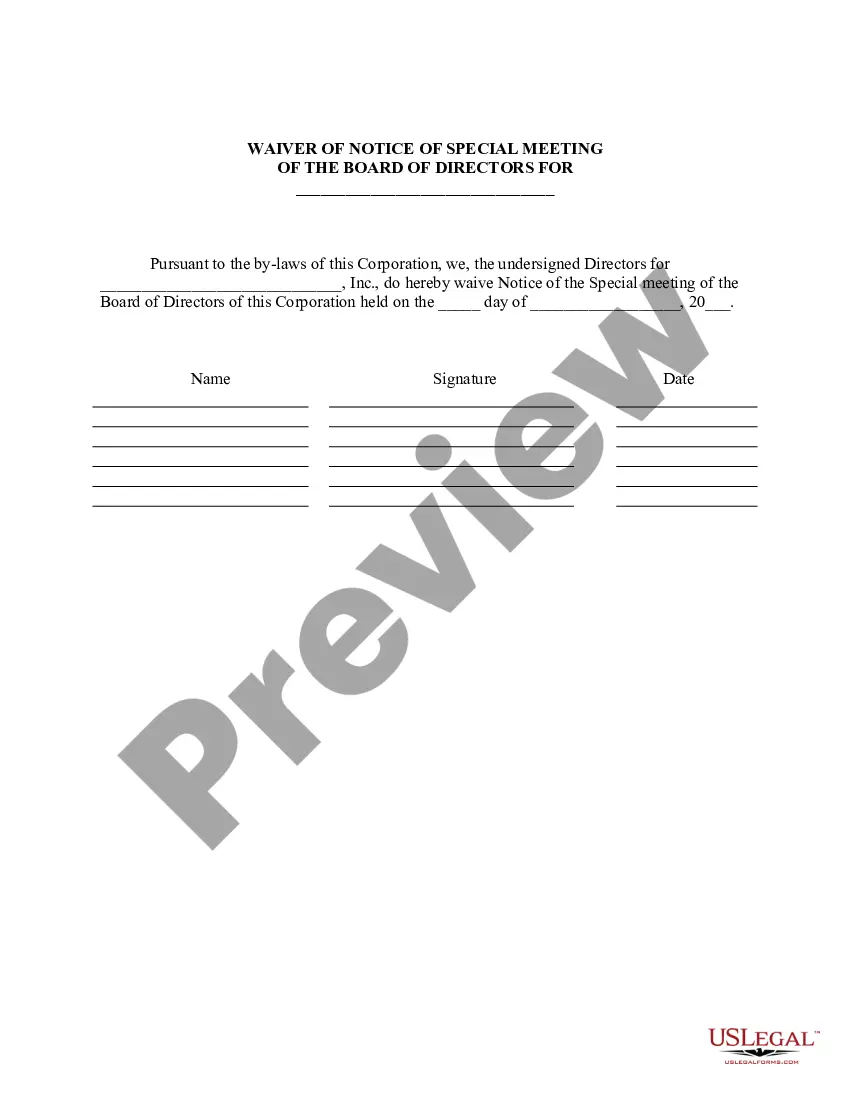
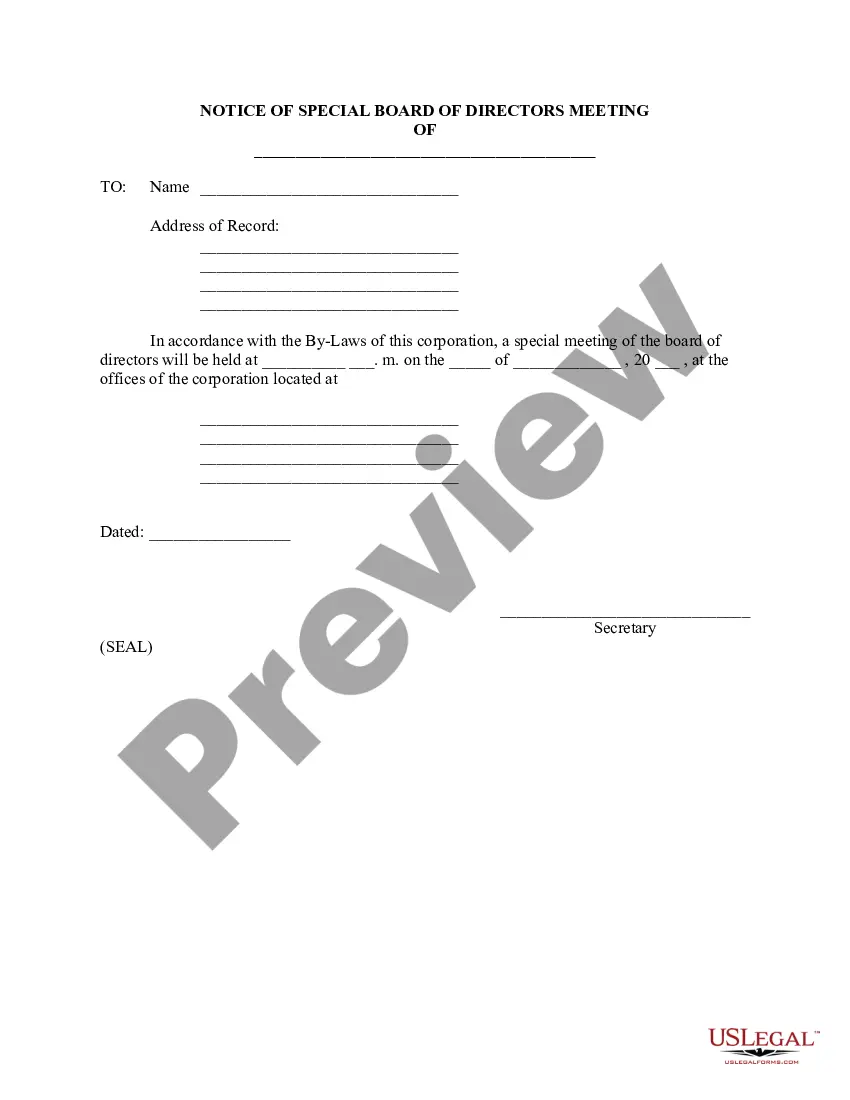
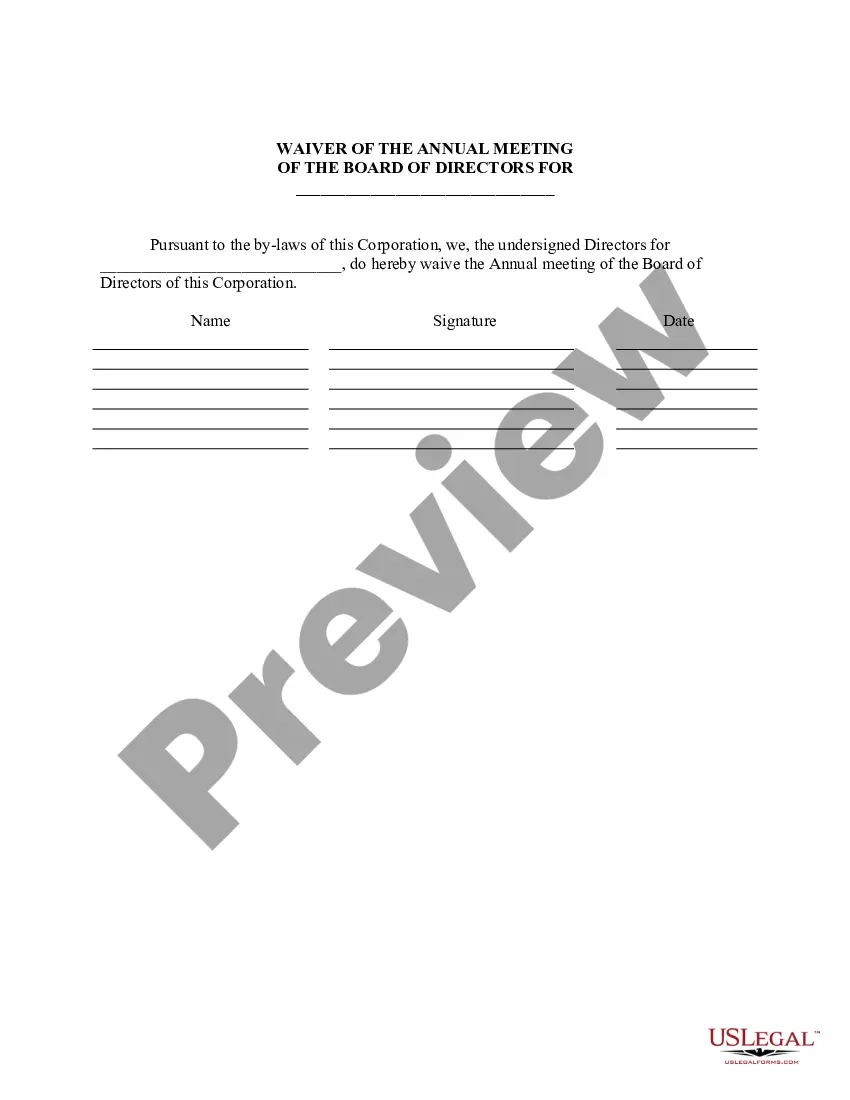
"Any Director of a company may, at any time, summon a Meeting of the Board, and the Company Secretary or where there is no Company Secretary, any person authorised by the Board in this behalf, on the requisition of a Director, shall convene a Meeting of the Board, in consultation with the Chairman or in his absence, ...
In sole director companies it is common to only appoint one director and not to have a company secretary. The administrative tasks of the company secretary can be completed by the company director. If you have more than one company director you can appoint one of the directors as the company secretary.
Most board meeting agendas follow a classic meeting structure: Calling meeting to order – ensure you have quorum. Approve the agenda and prior board meeting minutes. Executive and committee reports – allow 25% of time here for key topic discussion. Old/new/other business. Close the meeting and adjourn.