Consumer Protection Agency For Illinois In Washington
Description
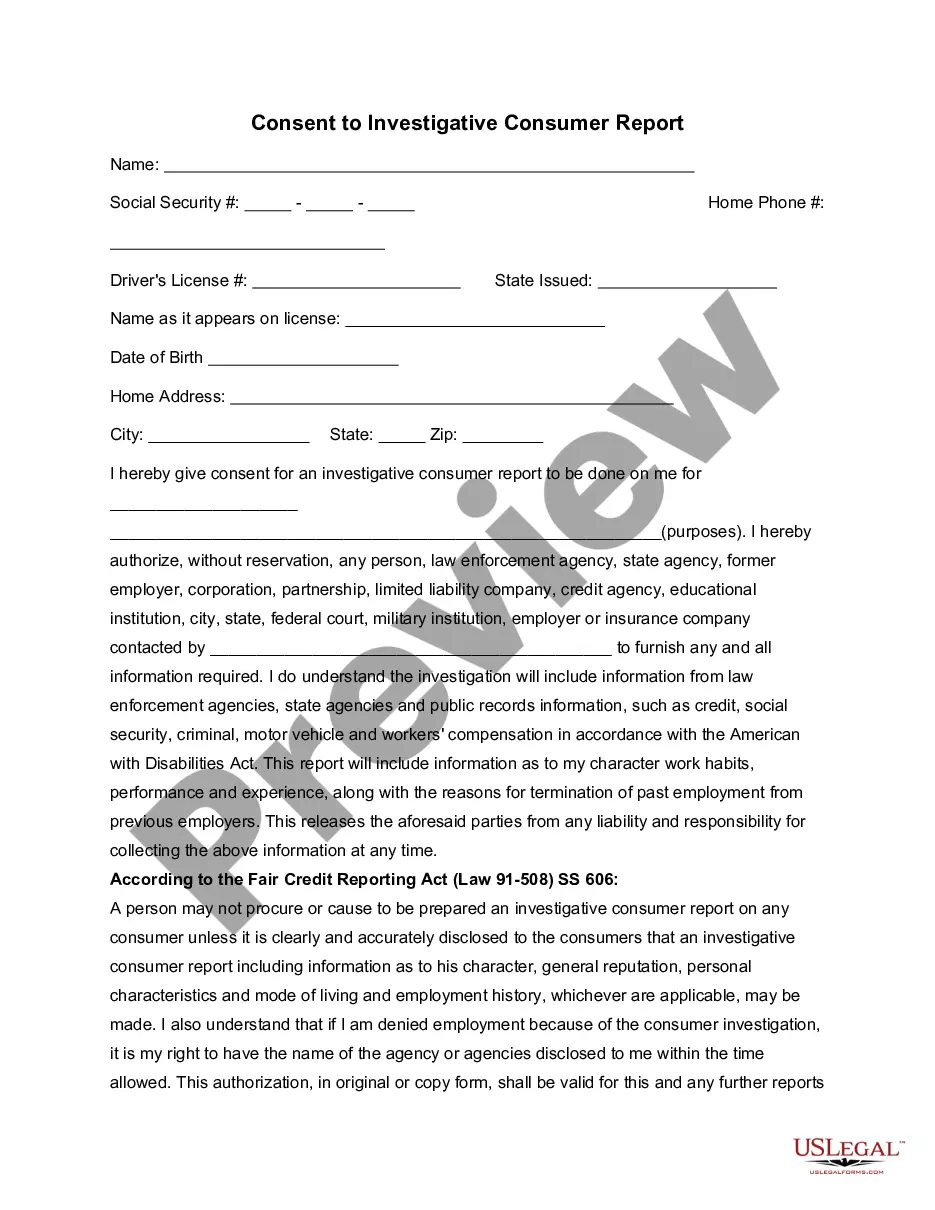

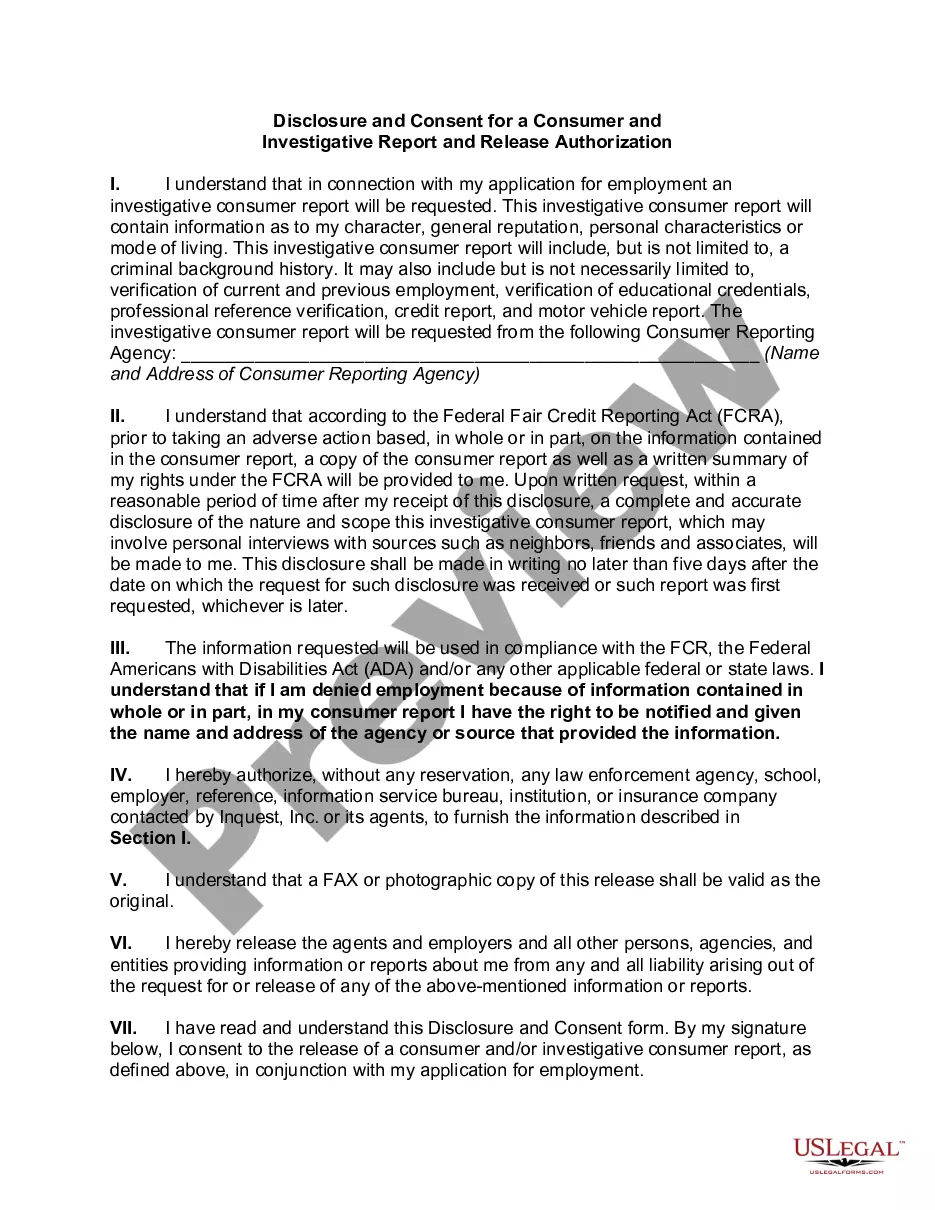
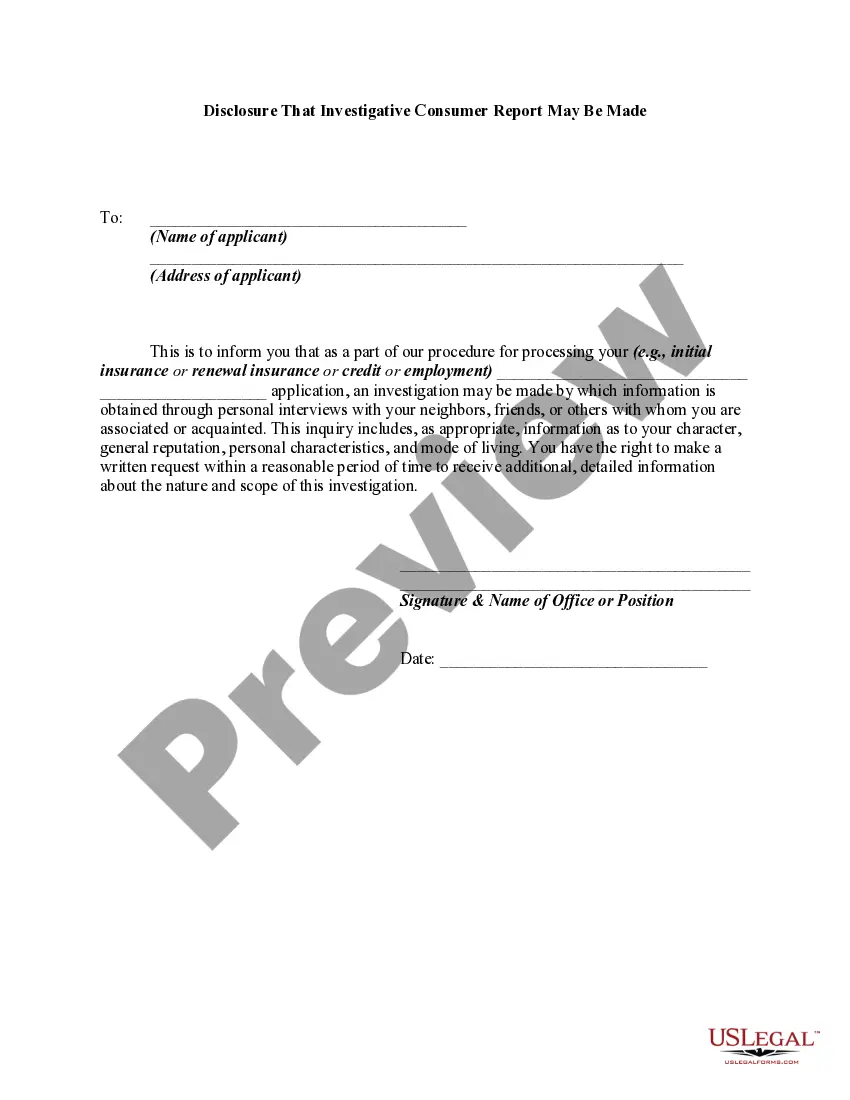
Get your form ready online
Our built-in tools help you complete, sign, share, and store your documents in one place.
Make edits, fill in missing information, and update formatting in US Legal Forms—just like you would in MS Word.
Download a copy, print it, send it by email, or mail it via USPS—whatever works best for your next step.
Sign and collect signatures with our SignNow integration. Send to multiple recipients, set reminders, and more. Go Premium to unlock E-Sign.
If this form requires notarization, complete it online through a secure video call—no need to meet a notary in person or wait for an appointment.
We protect your documents and personal data by following strict security and privacy standards.

Make edits, fill in missing information, and update formatting in US Legal Forms—just like you would in MS Word.

Download a copy, print it, send it by email, or mail it via USPS—whatever works best for your next step.

Sign and collect signatures with our SignNow integration. Send to multiple recipients, set reminders, and more. Go Premium to unlock E-Sign.

If this form requires notarization, complete it online through a secure video call—no need to meet a notary in person or wait for an appointment.

We protect your documents and personal data by following strict security and privacy standards.
Looking for another form?



Form popularity
FAQ
Consistent with applicable law, we securely share complaints with other state and federal agencies to, among other things, facilitate: supervision activities, enforcement activities, and. monitor the market for consumer financial products and services.
Attorney General Kwame Raoul's Consumer Protection Division protects Illinois consumers and businesses from fraud, deception, and unfair business practices.
The Washington Foundational Data Privacy Act (HB 1850) aims to establish comprehensive data privacy regulations for Washingtonians, building upon precedents set by the California Consumer Privacy Act (CCPA), the California Privacy Rights Act (CPRA), the Virginia Consumer Data Protection Act (VCDPA), and the Colorado ...
The FTC's Bureau of Consumer Protection stops unfair, deceptive and fraudulent business practices by collecting reports from consumers and conducting investigations, suing companies and people that break the law, developing rules to maintain a fair marketplace, and educating consumers and businesses about their rights ...
The CPA allows consumers to file lawsuits against businesses that engage in unfair or deceptive practices. This means that if a consumer can demonstrate that a business has violated the CPA, they may be able to recover damages, including actual damages, statutory damages, and attorney's fees.
The heart of the consumer protection provisions of the CPA is RCW 19.86. 020, which states: “Unfair methods of competition and unfair or deceptive acts or practices in the conduct of any trade or commerce are hereby declared unlawful.”
Be aware that while the Washington Consumer Protection Act has a four-year statute of limitations for bringing any claims in court, many federal laws give consumers as little as a year to bring a claim.
The FTC's Bureau of Consumer Protection stops unfair, deceptive and fraudulent business practices by collecting reports from consumers and conducting investigations, suing companies and people that break the law, developing rules to maintain a fair marketplace, and educating consumers and businesses about their rights ...
Consistent with applicable law, we securely share complaints with other state and federal agencies to, among other things, facilitate: supervision activities, enforcement activities, and. monitor the market for consumer financial products and services.
Resources Medicaid Fraud Complaint. Patient Abuse & Neglect. Consumer Complaint. Do Not Call/Text Complaint. Do Not Fax Complaint. Gas Gouging Complaint. Identity Theft Complaint. Mortgage Fraud Complaint.
