Consumer Protection Agency For Kentucky In Riverside
Description
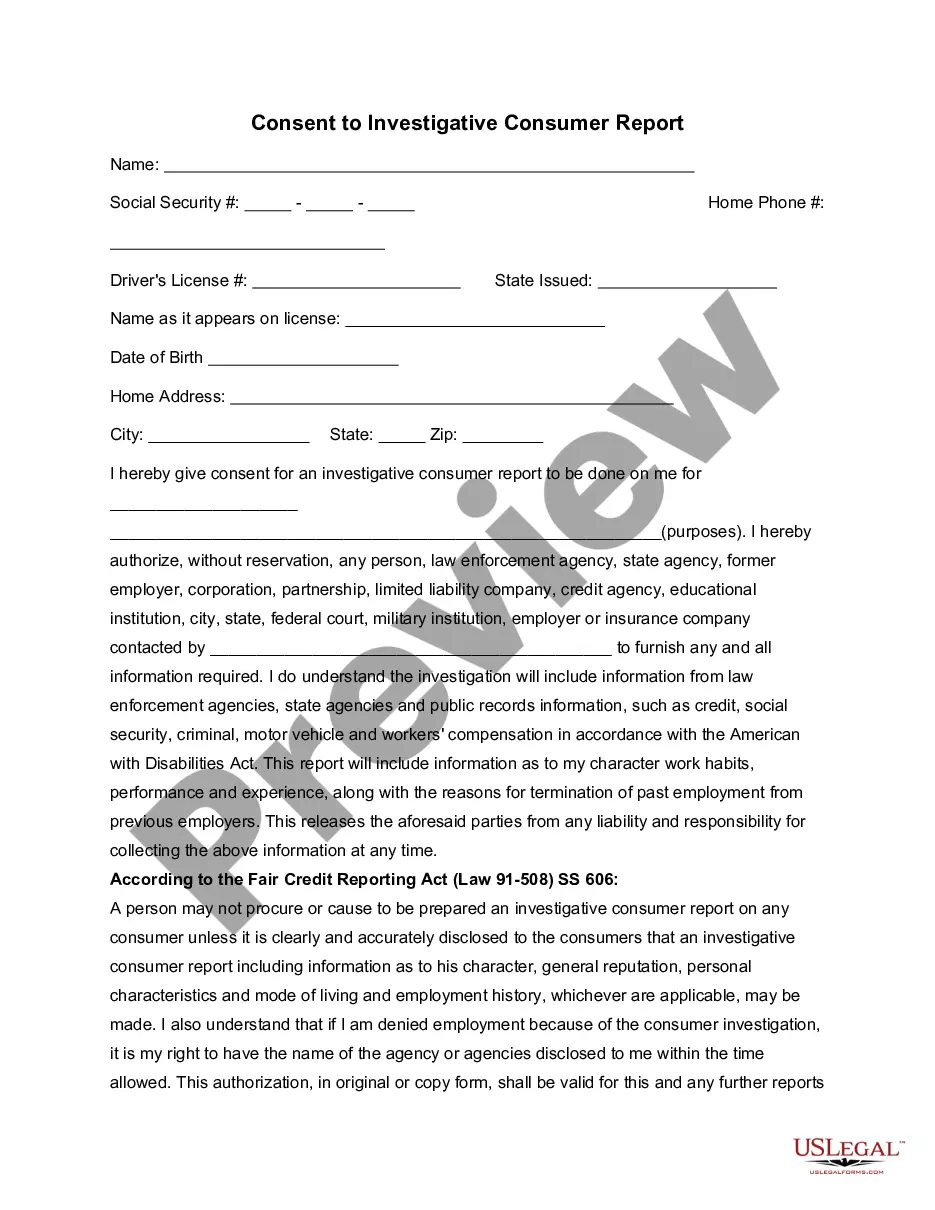

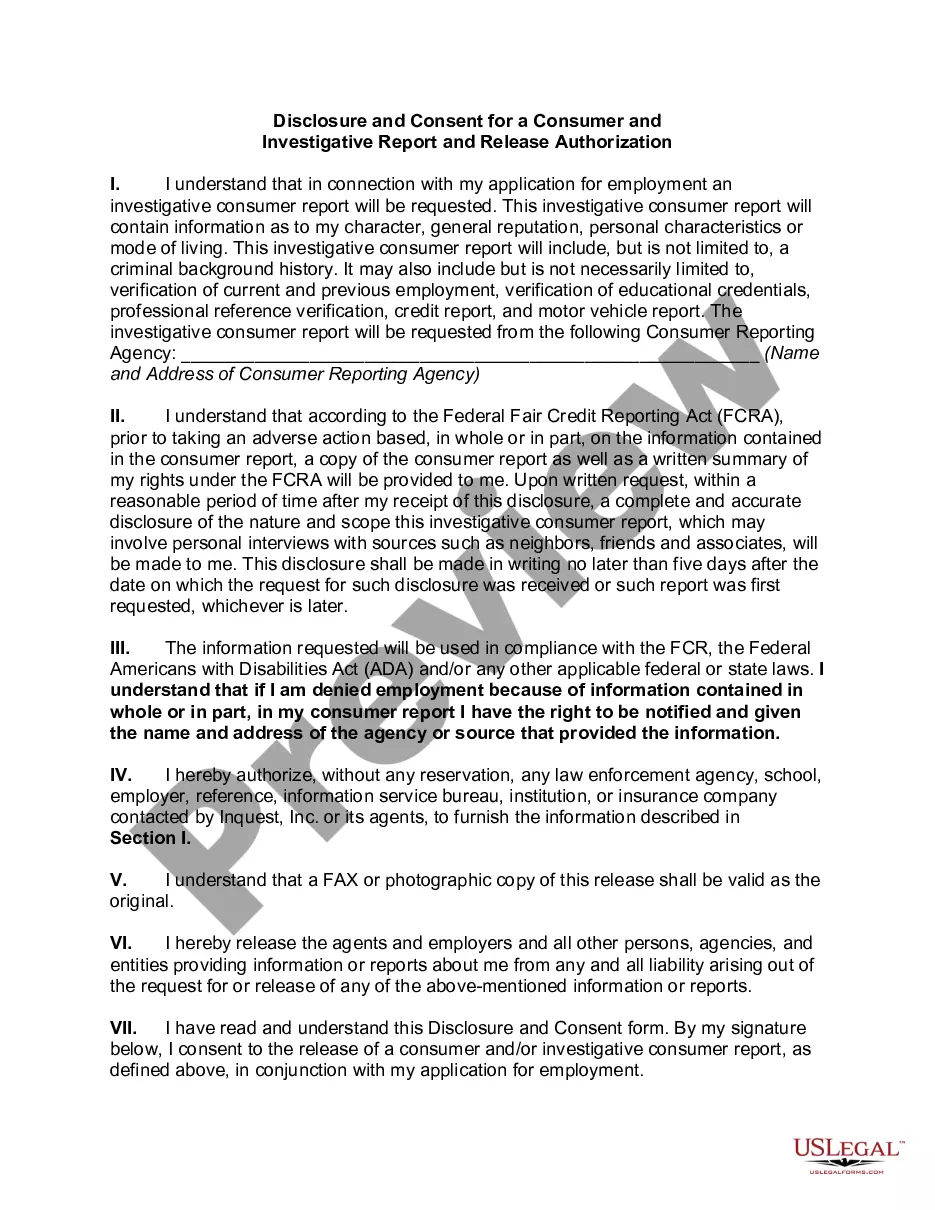
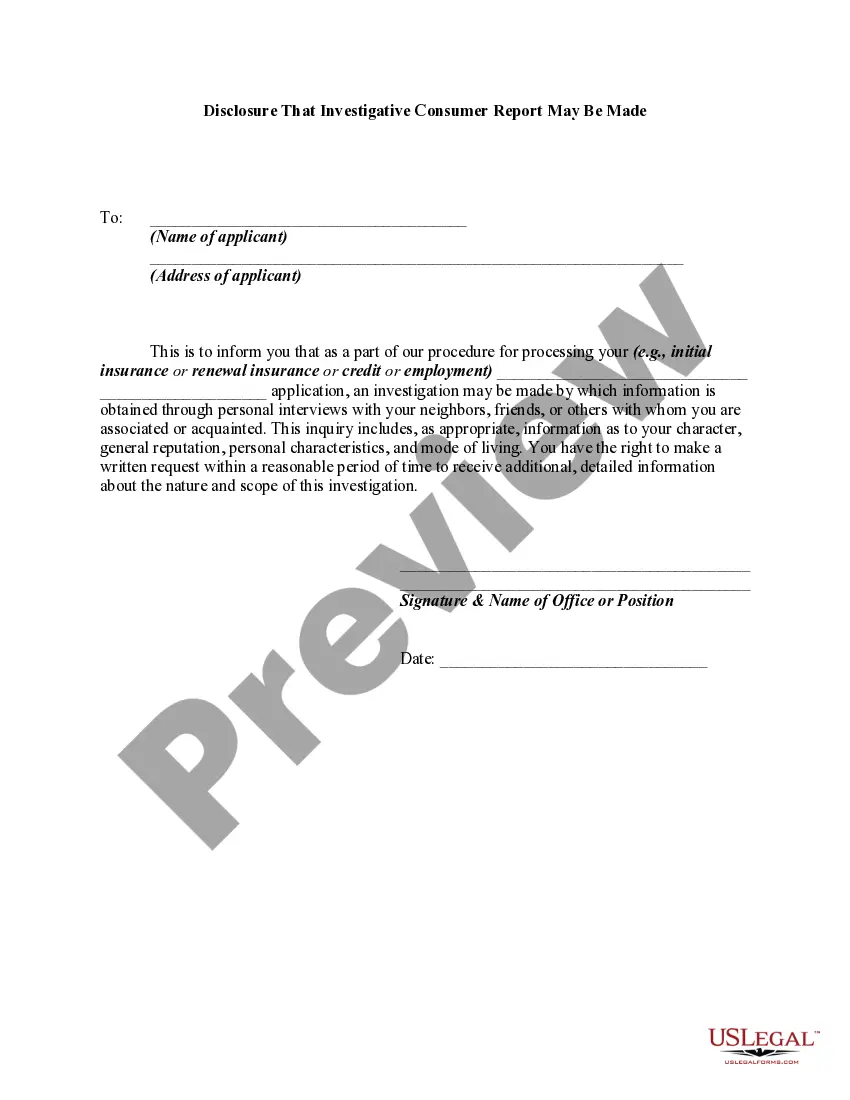
Get your form ready online
Our built-in tools help you complete, sign, share, and store your documents in one place.
Make edits, fill in missing information, and update formatting in US Legal Forms—just like you would in MS Word.
Download a copy, print it, send it by email, or mail it via USPS—whatever works best for your next step.
Sign and collect signatures with our SignNow integration. Send to multiple recipients, set reminders, and more. Go Premium to unlock E-Sign.
If this form requires notarization, complete it online through a secure video call—no need to meet a notary in person or wait for an appointment.
We protect your documents and personal data by following strict security and privacy standards.

Make edits, fill in missing information, and update formatting in US Legal Forms—just like you would in MS Word.

Download a copy, print it, send it by email, or mail it via USPS—whatever works best for your next step.

Sign and collect signatures with our SignNow integration. Send to multiple recipients, set reminders, and more. Go Premium to unlock E-Sign.

If this form requires notarization, complete it online through a secure video call—no need to meet a notary in person or wait for an appointment.

We protect your documents and personal data by following strict security and privacy standards.
Looking for another form?








Form popularity
FAQ
Our mission is (1) to prevent business practices that are anticompetitive, deceptive or unfair to consumers; (2) to enhance informed consumer choice and public understanding of the competitive process; and (3) to accomplish these missions without unduly burdening legitimate business activity.
National Consumer Helpline - NCH. The Department of Consumer Affairs has launched this portal as an integrated Grievance Redress Mechanism (INGRAM) for bringing all Stakeholders such as Consumers, Central and State Government Agencies, Private Companies, Regulators, Ombudsmen and call centres etc.
Our mission is to ensure a fair, equitable, and safe marketplace for businesses and consumers in the industries we regulate by: Managing licenses, permits, and registrations across many regulated industries. Enforcing regulations in the industries we oversee without overburdening businesses that follow the law.
The KCPA protects Kentucky's citizens from "unfair, false, misleading, or deceptive acts or practices in trade or commerce." The Office of Consumer Protection enforces the Act by bringing lawsuits in the public interest to obtain civil penalties and consumer redress, including restitution and injunctive relief aimed at ...
The FTC's Bureau of Consumer Protection stops unfair, deceptive and fraudulent business practices by collecting reports from consumers and conducting investigations, suing companies and people that break the law, developing rules to maintain a fair marketplace, and educating consumers and businesses about their rights ...
The FTC's Bureau of Consumer Protection stops unfair, deceptive and fraudulent business practices by collecting reports from consumers and conducting investigations, suing companies and people that break the law, developing rules to maintain a fair marketplace, and educating consumers and businesses about their rights ...
Contact the company about your complaint A salesperson or customer service representative. Search for a company's customer service contact information on their website. Take your complaint to a company's management if a salesperson or customer service representative did not help.
10 Effective Ways to Complain About a Company Online Go to the company website. Contact the Better Business Bureau. Contact the Federal Trade Commission (FTC). Check out the Ripoff Report. Email spam@uce. Try Yelp. Post on Planet Feedback. Google your attorney general.
Protecting Kentucky FamiliesLed by the Department of Criminal Investigations (DCI), the Attorney General's Office supports local law enforcement to take on violent crime. Supporting ProsecutorsThe Attorney General's Office provides resources to Commonwealth's and County Attorneys.
Procedures. A grievance is to be filed with an employee's immediate supervisor within thirty (30) days following the occurrence or the employee becoming aware, through the exercise of due diligence, of the action that is the subject of the grievance.
