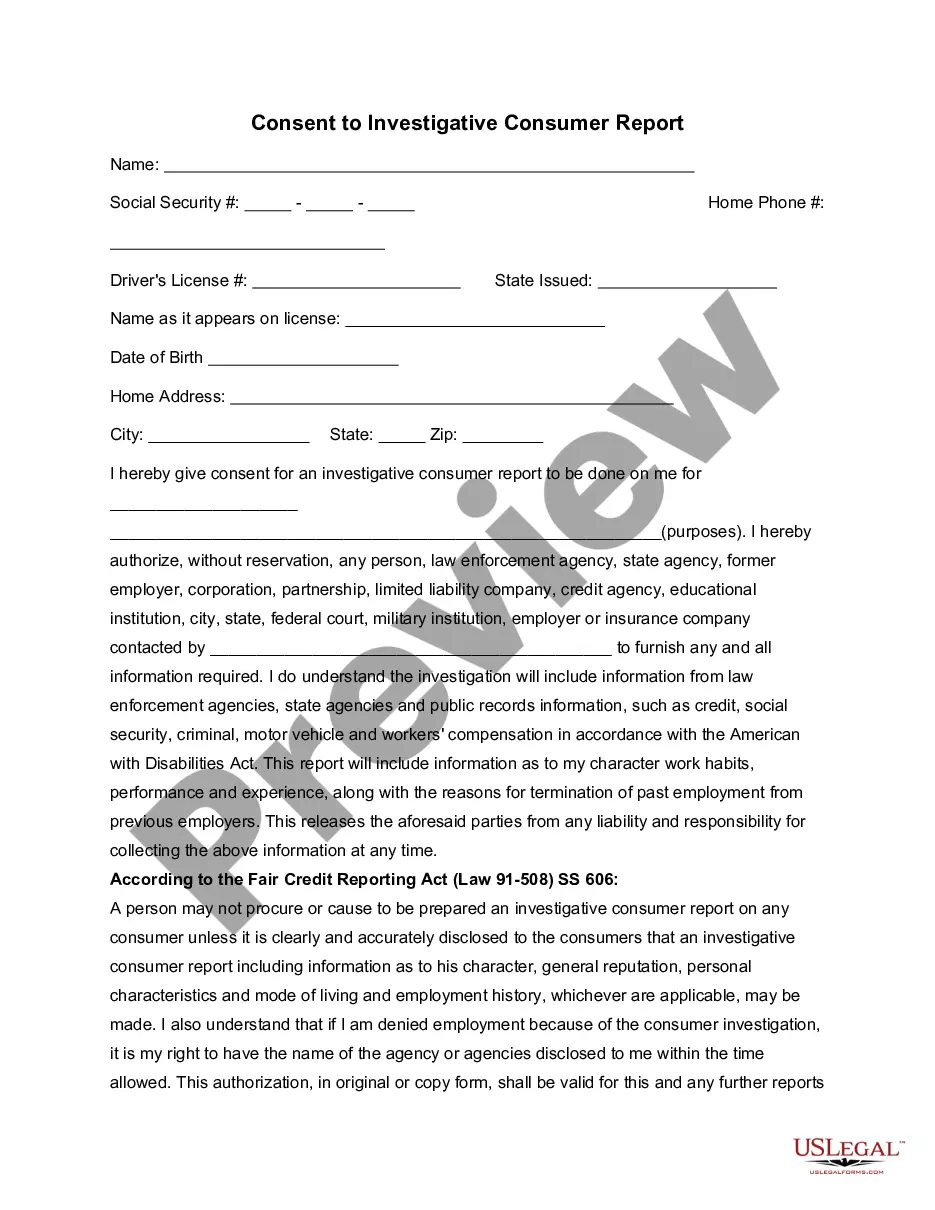
Consumer Protection Agency For Jss3 In Queens
Description

Get your form ready online
Our built-in tools help you complete, sign, share, and store your documents in one place.
Make edits, fill in missing information, and update formatting in US Legal Forms—just like you would in MS Word.
Download a copy, print it, send it by email, or mail it via USPS—whatever works best for your next step.
Sign and collect signatures with our SignNow integration. Send to multiple recipients, set reminders, and more. Go Premium to unlock E-Sign.
If this form requires notarization, complete it online through a secure video call—no need to meet a notary in person or wait for an appointment.
We protect your documents and personal data by following strict security and privacy standards.

Make edits, fill in missing information, and update formatting in US Legal Forms—just like you would in MS Word.

Download a copy, print it, send it by email, or mail it via USPS—whatever works best for your next step.

Sign and collect signatures with our SignNow integration. Send to multiple recipients, set reminders, and more. Go Premium to unlock E-Sign.

If this form requires notarization, complete it online through a secure video call—no need to meet a notary in person or wait for an appointment.

We protect your documents and personal data by following strict security and privacy standards.
Looking for another form?








Form popularity
FAQ
The first thing you should do when filing a consumer complaint is to complain directly to the company. If that doesn't work, you can complain to a consumer protection agency. Filing a lawsuit should be a last resort.
The FTC's Bureau of Consumer Protection stops unfair, deceptive and fraudulent business practices by: collecting complaints and conducting investigations. suing companies and people that break the law. developing rules to maintain a fair marketplace.
Consumer issues refer to a wide range of problems that consumers may encounter in the process of purchasing, using, or disposing of goods and services.
Our mission is (1) to prevent business practices that are anticompetitive, deceptive or unfair to consumers; (2) to enhance informed consumer choice and public understanding of the competitive process; and (3) to accomplish these missions without unduly burdening legitimate business activity.
If you have a consumer complaint or question for the Board, you can call 1-800-697-1220, visit , or write: New York State Consumer Protection Board, 5 Empire State Plaza, Suite 2101, Albany, New York 12223.
For example, the U.S. Food and Drug Administration (FDA) calls itself “the world's premier consumer protection regulatory agency.” Other examples of consumer protection by regulation are occupational licensing, housing codes, the Federal Trade Commission, the Consumer Product Safety Commission, the Securities and ...
The FTC's Bureau of Consumer Protection stops unfair, deceptive and fraudulent business practices by: collecting complaints and conducting investigations. suing companies and people that break the law. developing rules to maintain a fair marketplace.
Resources Medicaid Fraud Complaint. Patient Abuse & Neglect. Consumer Complaint. Do Not Call/Text Complaint. Do Not Fax Complaint. Gas Gouging Complaint. Identity Theft Complaint. Mortgage Fraud Complaint.
The City's Consumer Protection Law prohibits unfair trade practices when dealing in consumer goods or services - such as false advertising, phony sales, and special offers with hidden conditions. The law also lays out proper behavior in the collection of consumer debts.
