Consumer Protection Agency For Texas In Orange
Description
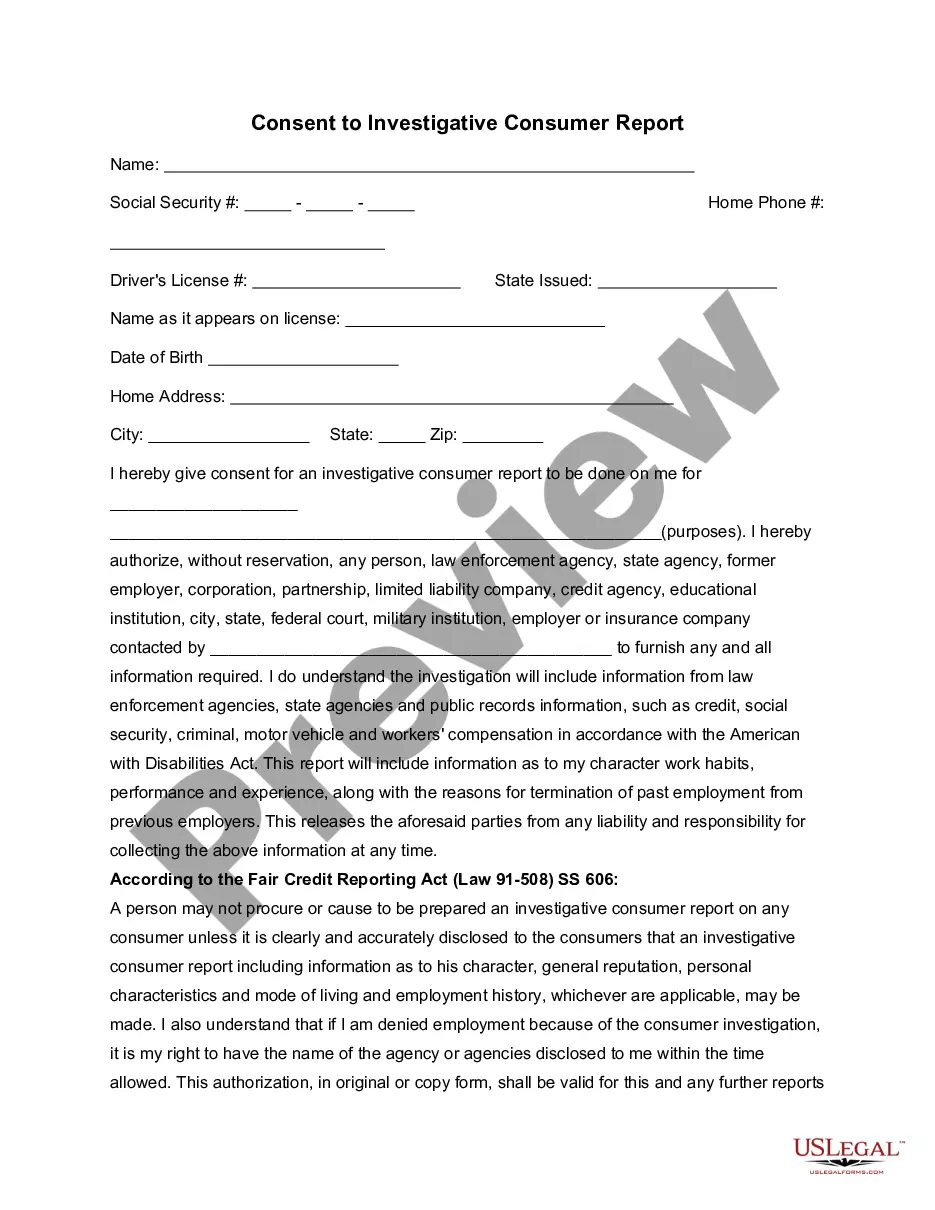

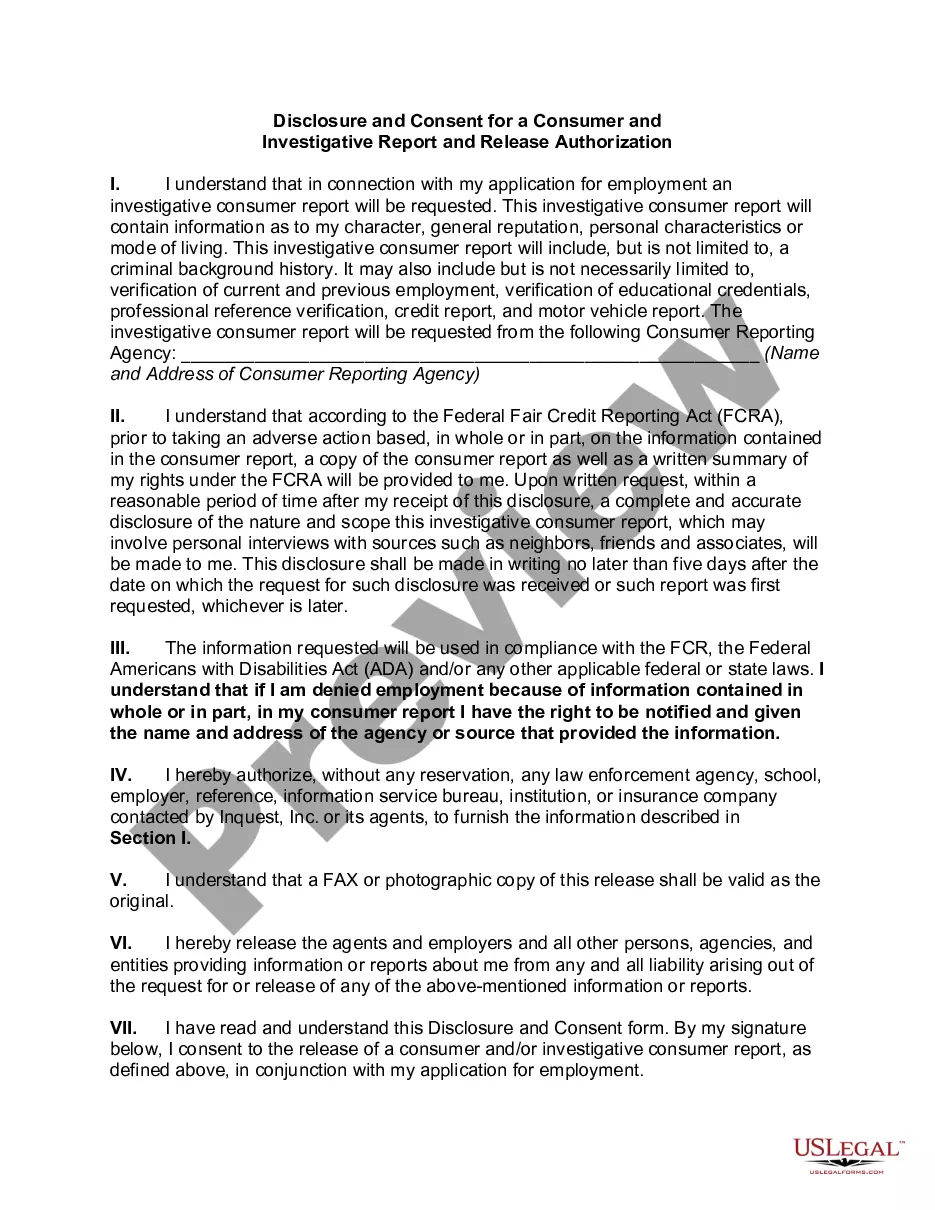
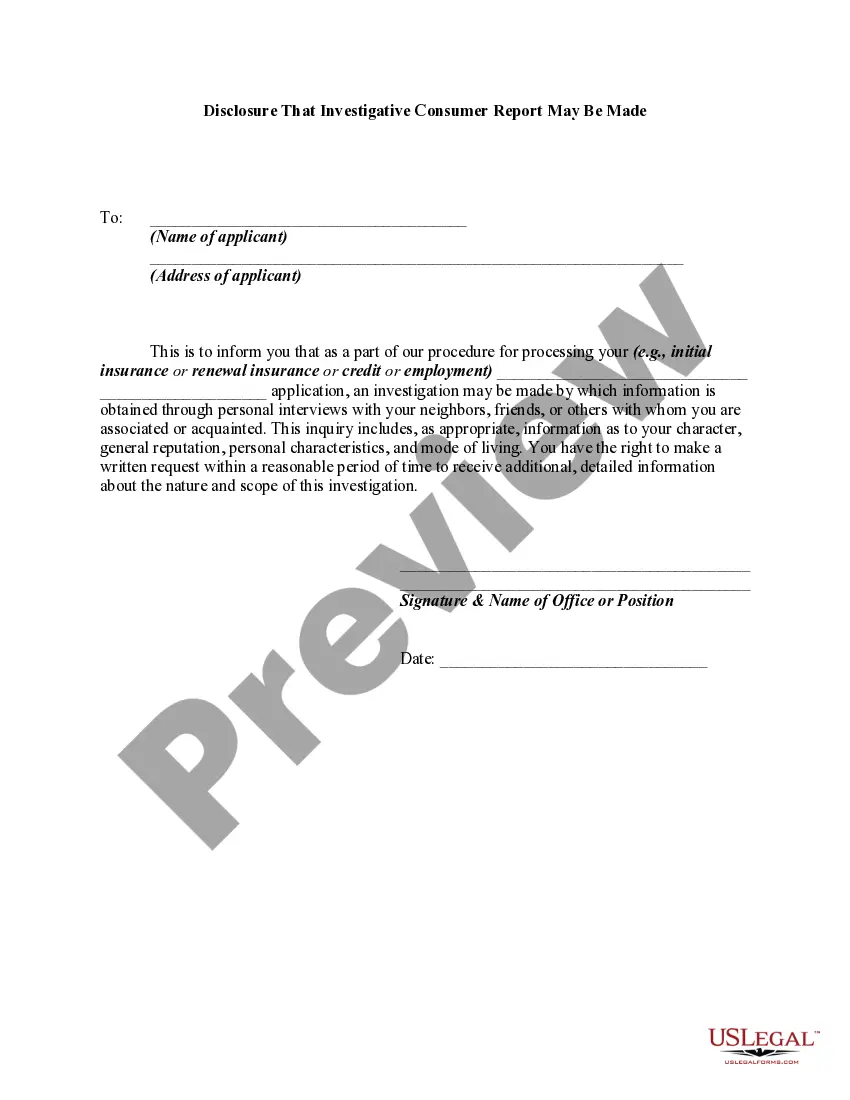
Get your form ready online
Our built-in tools help you complete, sign, share, and store your documents in one place.
Make edits, fill in missing information, and update formatting in US Legal Forms—just like you would in MS Word.
Download a copy, print it, send it by email, or mail it via USPS—whatever works best for your next step.
Sign and collect signatures with our SignNow integration. Send to multiple recipients, set reminders, and more. Go Premium to unlock E-Sign.
If this form requires notarization, complete it online through a secure video call—no need to meet a notary in person or wait for an appointment.
We protect your documents and personal data by following strict security and privacy standards.

Make edits, fill in missing information, and update formatting in US Legal Forms—just like you would in MS Word.

Download a copy, print it, send it by email, or mail it via USPS—whatever works best for your next step.

Sign and collect signatures with our SignNow integration. Send to multiple recipients, set reminders, and more. Go Premium to unlock E-Sign.

If this form requires notarization, complete it online through a secure video call—no need to meet a notary in person or wait for an appointment.

We protect your documents and personal data by following strict security and privacy standards.
Looking for another form?
Form popularity
FAQ
The DTPA provides that "false, misleading, or deceptive acts or practices in the conduct of any trade or commerce are hereby declared unlawful." The DTPA prohibits certain acts or practices "in the conduct of any trade or commerce." This is a very broad provision.
The primary tool the Office of the Attorney General uses to protect Texas consumers is the Deceptive Trade Practices Act (DTPA). This law lists many practices that are false, deceptive, or misleading. When you fall victim to illegal practices covered by the DTPA, you may have the right to sue for damages under the act.
The FTC's Bureau of Consumer Protection stops unfair, deceptive and fraudulent business practices by: collecting complaints and conducting investigations. suing companies and people that break the law. developing rules to maintain a fair marketplace.
File Your Complaint Online File Your Complaint Online. Pick the complaint form that addresses your problem: General Complaint Form. For complaints about false, misleading, or deceptive business practices. File A Complaint By Mail. Your Complaint Is Public. Frequently Asked Questions. Consumer Rights.
The complainant (person making the complaint) must, in good faith, make full, fair, and honest disclosure of all facts and circumstances known to him/her at the time the complaint is made. The facts, as presented, must be in the form of an affidavit and signed under oath.
Here is a summary of the main government agencies that accept consumer complaints: DepartmentHelpful Link Texas Attorney General File a Complaint Texas Department of Licensing & Regulation File a Complaint Office of Consumer Credit Commissioner File a Complaint Call (800) 538-1579 or send an email.
File a complaint with government or consumer programs File a complaint with your local consumer protection office. Notify the Better Business Bureau (BBB) in your area about your problem. Report scams and suspicious communications to the Federal Trade Commission.
When you are ready to file a DTPA lawsuit in Texas, you can't go straight to the courthouse to file your claim. The Deceptive Trade Practices Act requires that you give written notice of your problem to the business at least 60 days before you can file the suit in court.
