Consumer Protection Agency For Minnesota In Franklin
Description
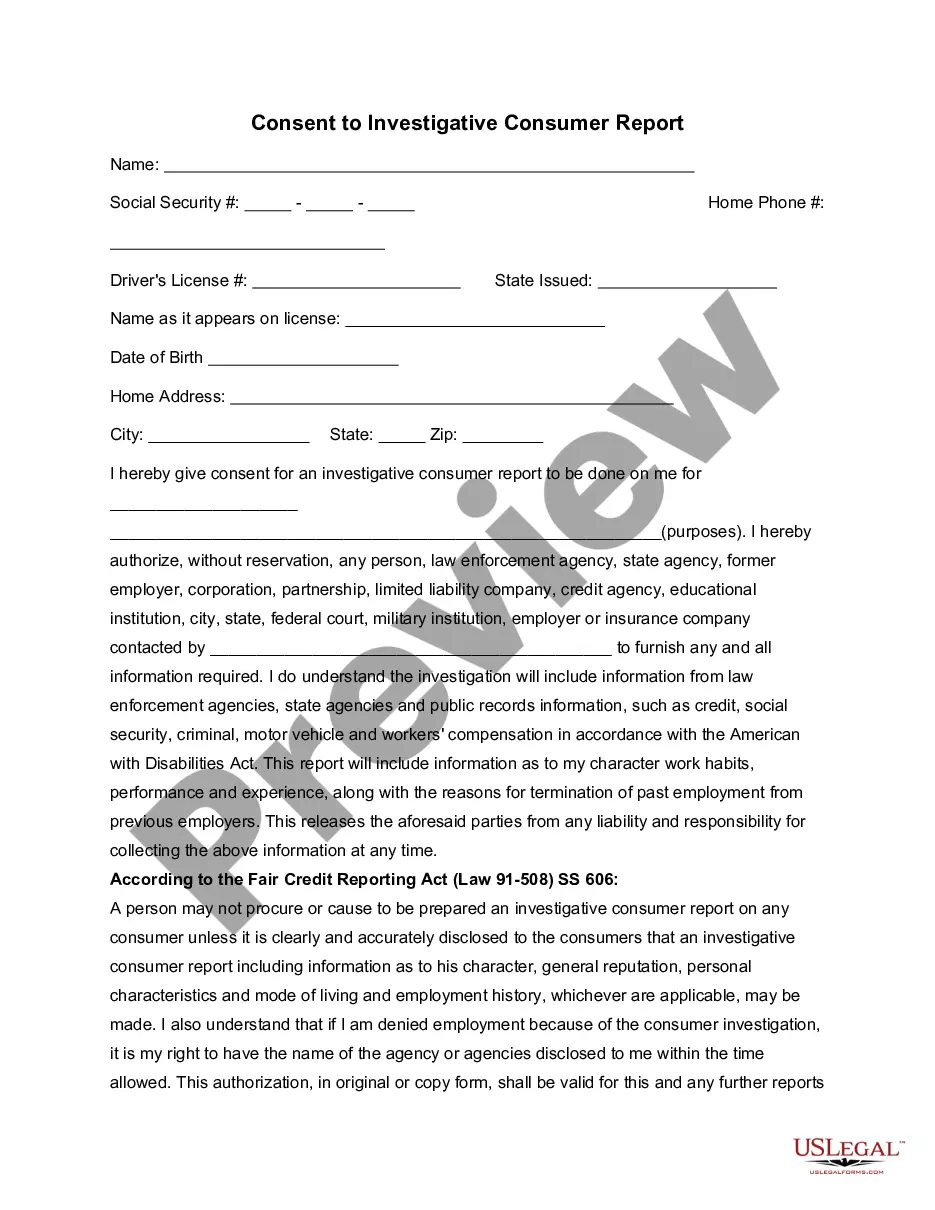

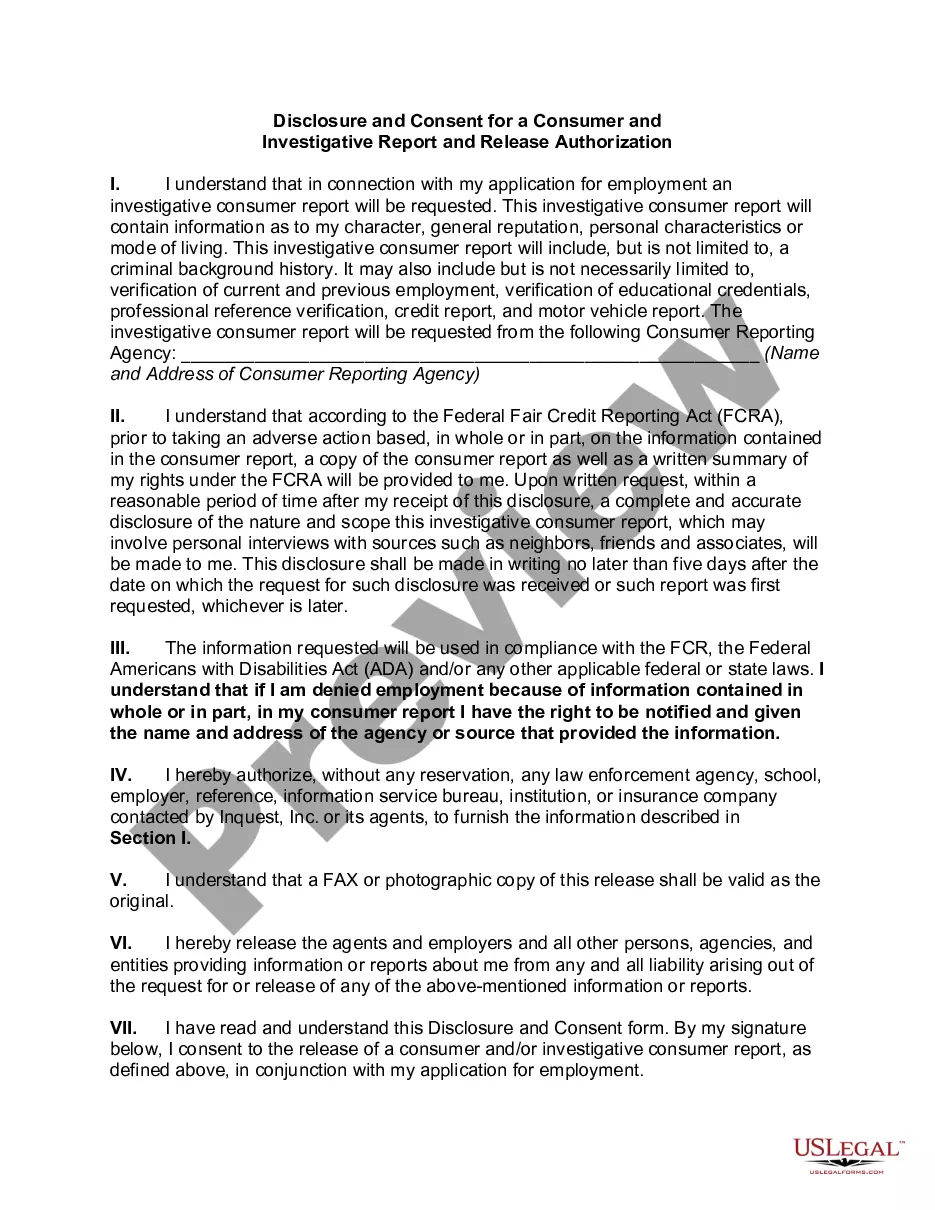
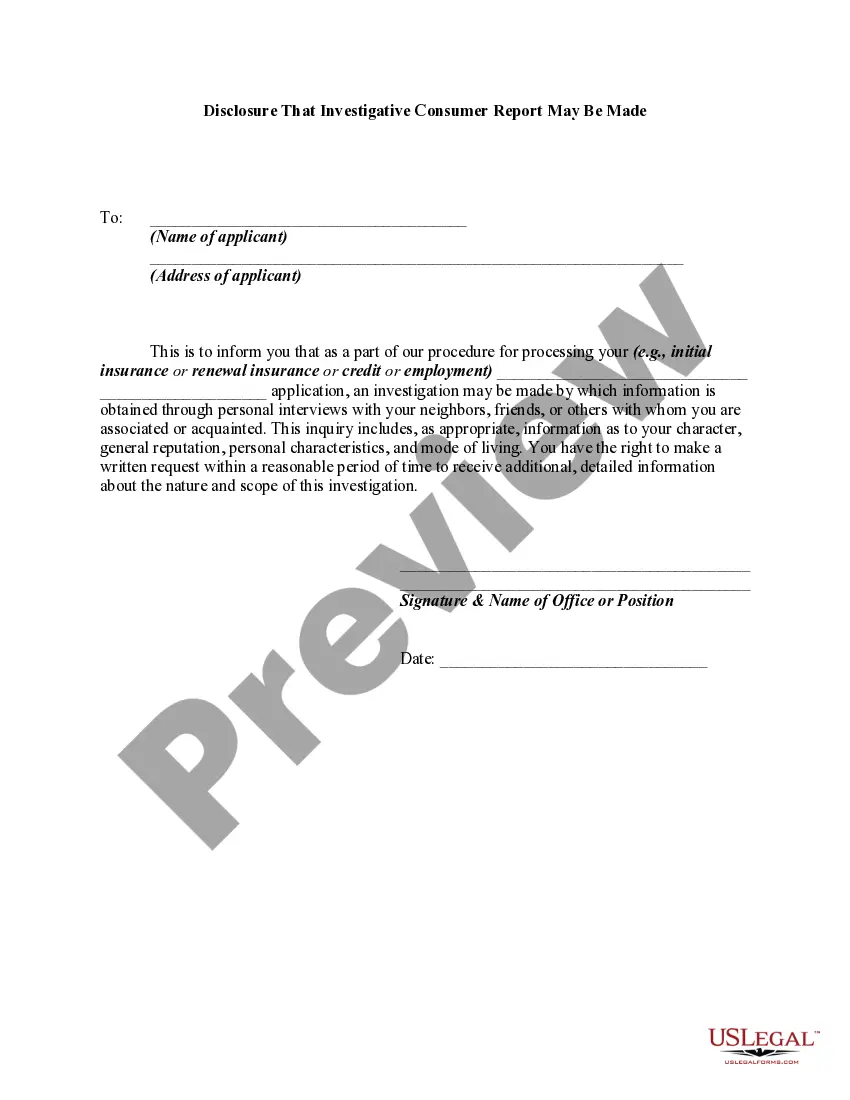
Get your form ready online
Our built-in tools help you complete, sign, share, and store your documents in one place.
Make edits, fill in missing information, and update formatting in US Legal Forms—just like you would in MS Word.
Download a copy, print it, send it by email, or mail it via USPS—whatever works best for your next step.
Sign and collect signatures with our SignNow integration. Send to multiple recipients, set reminders, and more. Go Premium to unlock E-Sign.
If this form requires notarization, complete it online through a secure video call—no need to meet a notary in person or wait for an appointment.
We protect your documents and personal data by following strict security and privacy standards.

Make edits, fill in missing information, and update formatting in US Legal Forms—just like you would in MS Word.

Download a copy, print it, send it by email, or mail it via USPS—whatever works best for your next step.

Sign and collect signatures with our SignNow integration. Send to multiple recipients, set reminders, and more. Go Premium to unlock E-Sign.

If this form requires notarization, complete it online through a secure video call—no need to meet a notary in person or wait for an appointment.

We protect your documents and personal data by following strict security and privacy standards.
Looking for another form?




Form popularity
FAQ
The FTC's Bureau of Consumer Protection stops unfair, deceptive and fraudulent business practices by: collecting complaints and conducting investigations. suing companies and people that break the law. developing rules to maintain a fair marketplace.
By statute, a primary function of the CFPB is to collect, investigate and respond to consumer complaints.
File a complaint with government or consumer programs File a complaint with your local consumer protection office. Notify the Better Business Bureau (BBB) in your area about your problem. The BBB tries to resolve complaints against companies.
Consistent with applicable law, we securely share complaints with other state and federal agencies to, among other things, facilitate: supervision activities, enforcement activities, and. monitor the market for consumer financial products and services.
We protect consumers from unfair, deceptive, or abusive practices and take action against companies that break the law. We arm people with the information, steps, and tools that they need to make smart financial decisions.
Minnesota Statutes Chapter 325F, Section 68 through 70 is also known as the Prevention of Consumer Fraud Act (“PCFA”). The PCFA is a state law that provides legal protection to consumers by regulating the use of fraudulent or deceptive practices by businesses.
Untimely response: If the company does not meet the 15-day deadline to respond to a complaint, the CFPB will mark it as “untimely.” Consumer feedback: Consumers can report their dissatisfaction with a company's response to the Bureau.
The FTC's Bureau of Consumer Protection stops unfair, deceptive and fraudulent business practices by collecting reports from consumers and conducting investigations, suing companies and people that break the law, developing rules to maintain a fair marketplace, and educating consumers and businesses about their rights ...
The Minnesota Public Utilities Commission's Consumer Affairs Office (CAO) helps resolve disputes between customers and utility companies. You can call the Consumer Affairs Office at 651.296. 0406 or 800.657. 3782 or email at consumer.puc@state.mn.
Complaint Process Gather Information. Gather information you will need to file your complaint. How to File. Call 1-866-487-9243, or for general questions reach out to us online. We Work with You. We will work with you to answer your questions and determine whether an investigation is the best course of action.
