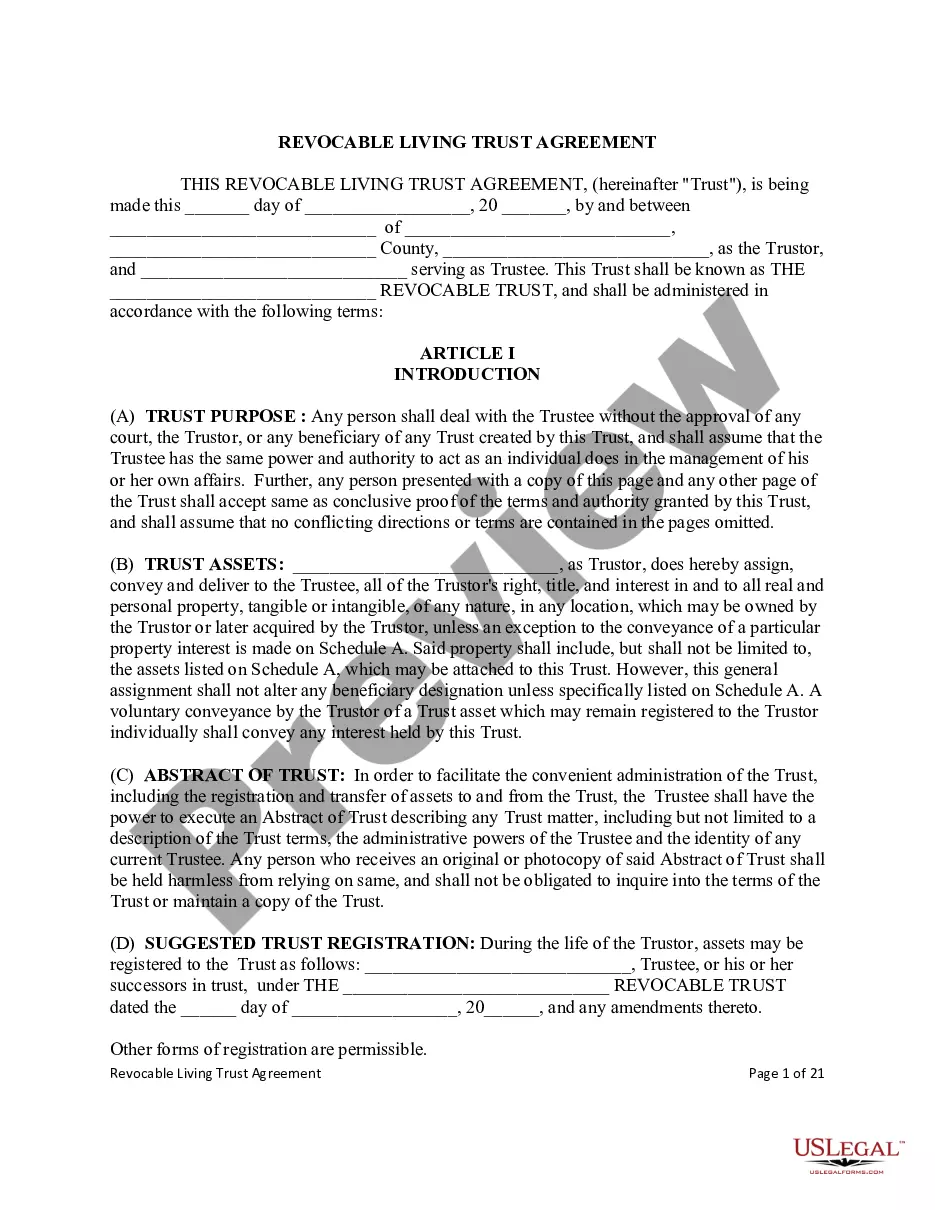
Erisa Retirement Plan Beneficiary In Nassau
Description
















Get your form ready online
Our built-in tools help you complete, sign, share, and store your documents in one place.
Make edits, fill in missing information, and update formatting in US Legal Forms—just like you would in MS Word.
Download a copy, print it, send it by email, or mail it via USPS—whatever works best for your next step.
Sign and collect signatures with our SignNow integration. Send to multiple recipients, set reminders, and more. Go Premium to unlock E-Sign.
If this form requires notarization, complete it online through a secure video call—no need to meet a notary in person or wait for an appointment.
We protect your documents and personal data by following strict security and privacy standards.

Make edits, fill in missing information, and update formatting in US Legal Forms—just like you would in MS Word.

Download a copy, print it, send it by email, or mail it via USPS—whatever works best for your next step.

Sign and collect signatures with our SignNow integration. Send to multiple recipients, set reminders, and more. Go Premium to unlock E-Sign.

If this form requires notarization, complete it online through a secure video call—no need to meet a notary in person or wait for an appointment.

We protect your documents and personal data by following strict security and privacy standards.
Looking for another form?




Form popularity
FAQ
An eligible designated beneficiary (EDB) must be an individual, and not a nonperson entity such as a trust, an estate, or a charity (which would be not designated beneficiaries).
Sign in to Retirement Online, go to the 'My Account Summary' area of your Account Homepage and click “View and Update My Beneficiaries.”
The Spouse Is the Automatic Beneficiary for Married People A federal law, the Employee Retirement Income Security Act (ERISA), governs most pensions and retirement accounts.
Submit a Written Request You can send a formal letter or email to the plan administrator requesting specific documents. To ensure clarity, include the following details in your request: Your name and contact information; Your employee ID number (if applicable);
Generally, an ERISA plan participant can select just about anyone to be their beneficiary. Typically, a plan participant selects their spouse, children, or other family members.
For life insurance policies, retirement accounts (i.e., 401ks/403bs, IRAs, etc.), Health Savings Accounts (HSAs), and trusts, the beneficiary you name inherits the account assets, generally regardless of what your will states. For checking or savings accounts, or CDs, you may name a payable on death (POD) beneficiary.
In general, ERISA does not cover plans established or maintained by governmental entities, churches for their employees, or plans which are maintained solely to comply with applicable workers compensation, unemployment or disability laws.
SF 3102: Designation of Beneficiary, FERS. This form is used to designate the beneficiary of a deceased FERS individual's FERS contributions upon the later of the death of the FERS annuitant or FERS survivor annuitant and should be submitted to OPM.