Retirement Law In India In Maricopa
Description
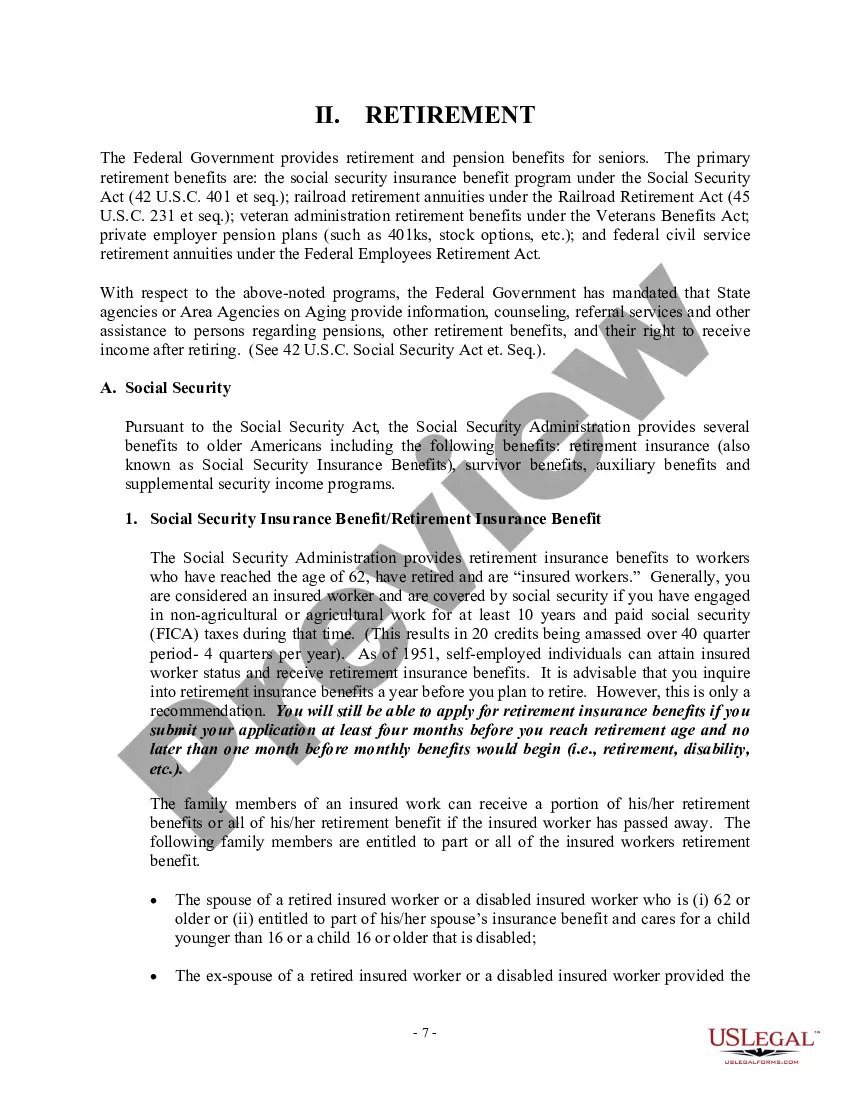
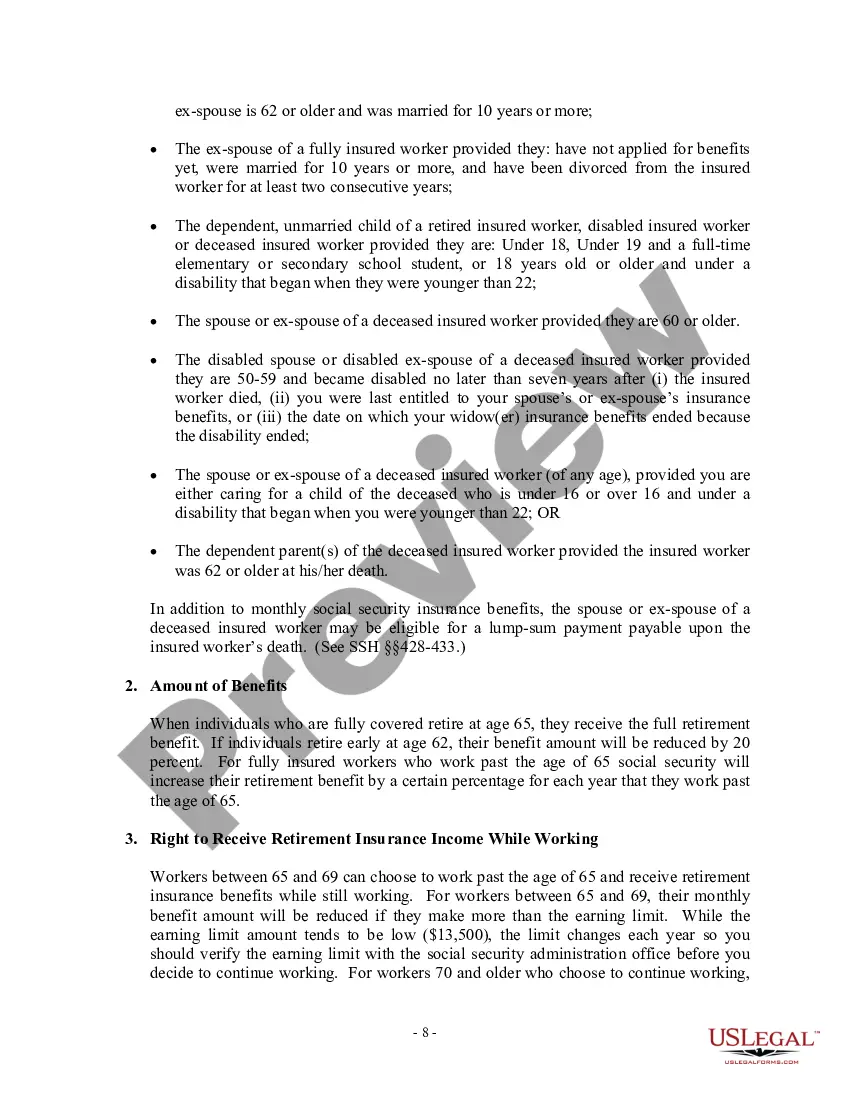

Get your form ready online
Our built-in tools help you complete, sign, share, and store your documents in one place.
Make edits, fill in missing information, and update formatting in US Legal Forms—just like you would in MS Word.
Download a copy, print it, send it by email, or mail it via USPS—whatever works best for your next step.
Sign and collect signatures with our SignNow integration. Send to multiple recipients, set reminders, and more. Go Premium to unlock E-Sign.
If this form requires notarization, complete it online through a secure video call—no need to meet a notary in person or wait for an appointment.
We protect your documents and personal data by following strict security and privacy standards.

Make edits, fill in missing information, and update formatting in US Legal Forms—just like you would in MS Word.

Download a copy, print it, send it by email, or mail it via USPS—whatever works best for your next step.

Sign and collect signatures with our SignNow integration. Send to multiple recipients, set reminders, and more. Go Premium to unlock E-Sign.

If this form requires notarization, complete it online through a secure video call—no need to meet a notary in person or wait for an appointment.

We protect your documents and personal data by following strict security and privacy standards.
Looking for another form?
Form popularity
FAQ
At age 65; or • At age 62 with 10 or more years of credited service; or • At any combination of years of credited service and age totaling 80 points. If you are at least 50 years of age and have five or more years of credited service, you are eligible for early retirement.
The minimum eligibility period for receipt of pension is 10 years. A Central Government servant retiring in ance with the Pension Rules is entitled to receive pension on completion of at least 10 years of qualifying service.
Normal retirement is defined as either (1) reaching age 65, (2) reaching age 62 along with at least 10 years of ASRS service credit, or (3) earning at least 80 points. Points are figured by adding your age and the number of years of service.
The state sets specific windows when teachers can retire with benefits based on age and years of experience. For new teachers starting out in Arizona, they can retire with their full benefits when they reach the following conditions: Age 65; Age 62 with at least 10 years of experience.
Employee and employer contributions are pooled together, invested, and managed by the ASRS investment team. Employee decides how the funds are managed. Pension benefits are calculated using number of service years, average final salary, and a graded multiplier, not determined by employee account balance.
To reach the ASRS, call: 602-240-2000 from within metropolitan Phoenix. 520-239-3100 from within metropolitan Tucson. 800-621-3778 from outside the Tucson and Phoenix areas.
A Central Government servant retiring in in ance with the pension Rule is entitled to receive pension on completion of at least 10 years of qualifying service. The age prescribed for retirement on superannuation is 60 years for all government servant.
The SECURE 2.0 Act establishes a Saver's Match. This credit will be replaced by a “Saver's Match” beginning in 2027. The match will equal up to 50% of the first $2,000 contributed by an individual to a retirement account each year, or up to $1,000 (or $2,000 for married couples filing jointly).
At age 65; or • At age 62 with 10 or more years of credited service; or • At any combination of years of credited service and age totaling 80 points. If you are at least 50 years of age and have five or more years of credited service, you are eligible for early retirement.
You can receive Social Security retirement benefits as early as age 62. However, we'll reduce your benefit if you start receiving benefits before your full retirement age. For example, if you turn age 62 in 2025, your benefit would be about 30% lower than it would be at your full retirement age of 67.