Retirement Plans For Business Owners In Houston
Description
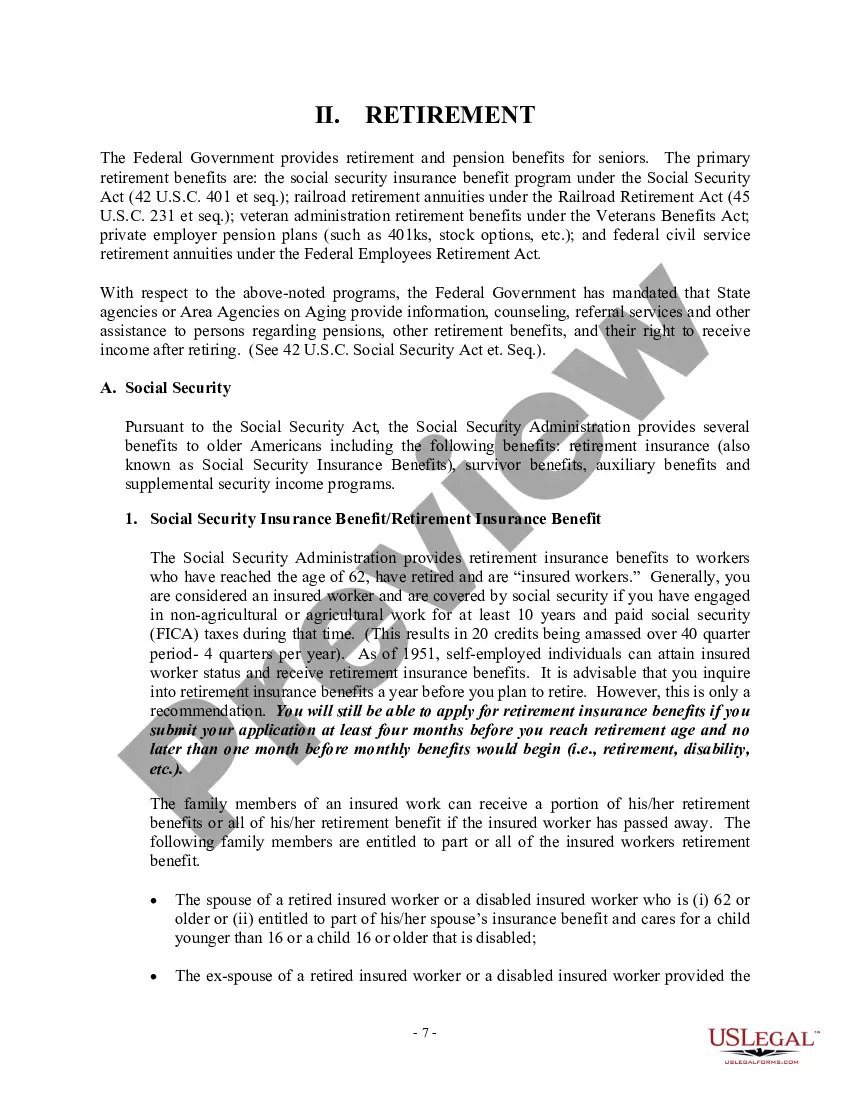
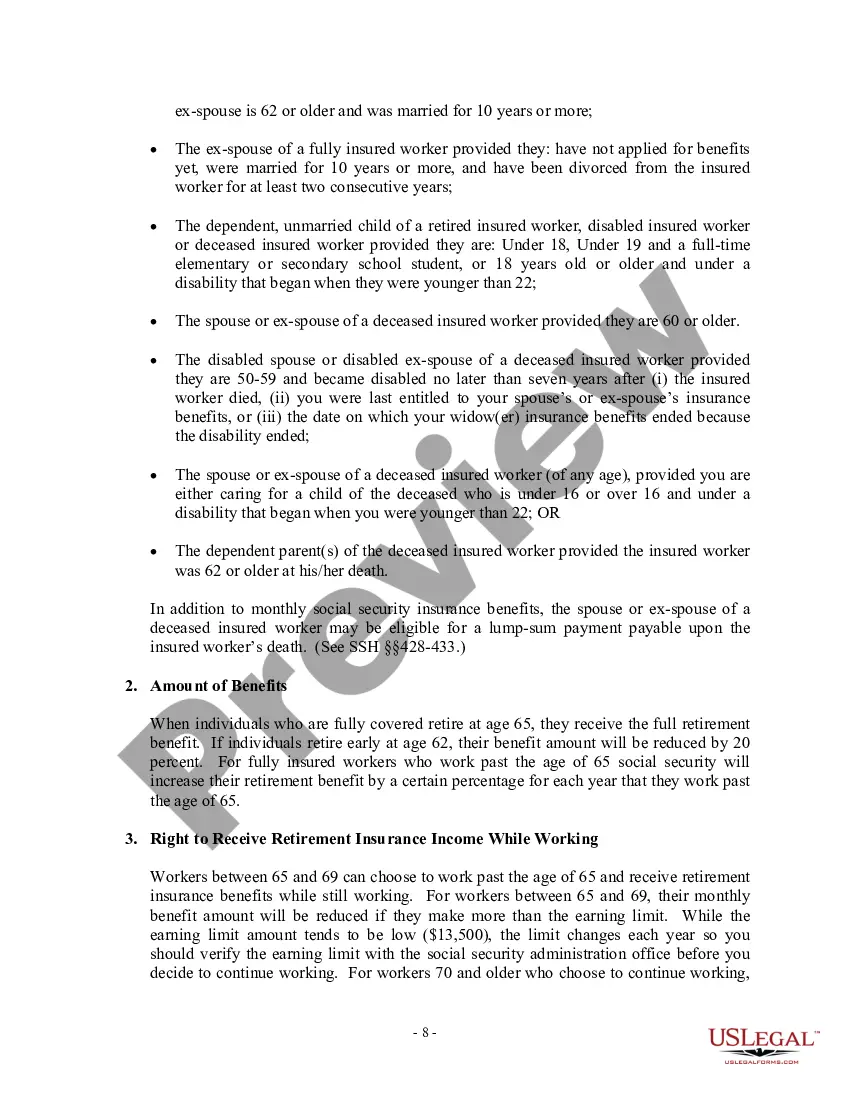

Get your form ready online
Our built-in tools help you complete, sign, share, and store your documents in one place.
Make edits, fill in missing information, and update formatting in US Legal Forms—just like you would in MS Word.
Download a copy, print it, send it by email, or mail it via USPS—whatever works best for your next step.
Sign and collect signatures with our SignNow integration. Send to multiple recipients, set reminders, and more. Go Premium to unlock E-Sign.
If this form requires notarization, complete it online through a secure video call—no need to meet a notary in person or wait for an appointment.
We protect your documents and personal data by following strict security and privacy standards.

Make edits, fill in missing information, and update formatting in US Legal Forms—just like you would in MS Word.

Download a copy, print it, send it by email, or mail it via USPS—whatever works best for your next step.

Sign and collect signatures with our SignNow integration. Send to multiple recipients, set reminders, and more. Go Premium to unlock E-Sign.

If this form requires notarization, complete it online through a secure video call—no need to meet a notary in person or wait for an appointment.

We protect your documents and personal data by following strict security and privacy standards.
Looking for another form?

Form popularity
FAQ
A 401(k) is an employer-sponsored retirement account that allows an employee to divert a percentage of his or her salary—either pre- or post-tax—to the account. A traditional pension plan offers retirees a fixed monthly benefit for the rest of their lives. How do they work?
Examples of defined contribution plans include 401(k) plans, 403(b) plans, employee stock ownership plans, and profit-sharing plans.
Consider basic investment principles Inflation and the type of investments you make play important roles in how much you'll have saved at retirement. Know how your savings or pension plan is invested. Learn about your plan's investment options and ask questions. Put your savings in different types of investments.
byStep Guide to Retirement Planning Process Determine Your Retirement Date. Define Your PostRetirement Goals. Assess PostRetirement Expenses. Estimate Costs of Your Retirement Goals. Plan for an Emergency Fund. Calculate the Amount and Add Inflation. Evaluate Your Current Savings.
Retirement generally means leaving your job or the workforce, and living off your savings and investments, but that definition is changing for some. Some people may choose to continue working in retirement, though it may not be their primary source of income.
Defined benefit plan, also known as a traditional pension plan, promises the participant a specified monthly benefit at retirement. Often, the benefit is based on factors such as the participant's salary, age and the number of years he or she worked for the employer.
A 401(k) is an employer-sponsored plan that is the most common type of retirement plan out there. Most 401(k)s share very similar features, but note that specific eligibility for your company's 401(k) plan depends on your employer's plan requirements like length of employment, age, etc.
401(k) A 401(k) is an employer-sponsored plan that is the most common type of retirement plan out there.
An IRA is not inherently better. They -401(k) and IRA, are both pre-tax investments dedicated for retirement. However, a 401(k), as you know allows you to contribute a higher amount than an IRA. What may make an IRA better is a broader variety of investment options within it.
Three of the most popular options are a solo 401(k), a SIMPLE IRA and a SEP IRA, and these offer a number of benefits to participants: Higher contribution limits: Plans such as the solo 401(k) and SEP IRA give participants much higher contribution limits than a typical 401(k) plan.