Erisa Law And Beneficiaries In California
Description
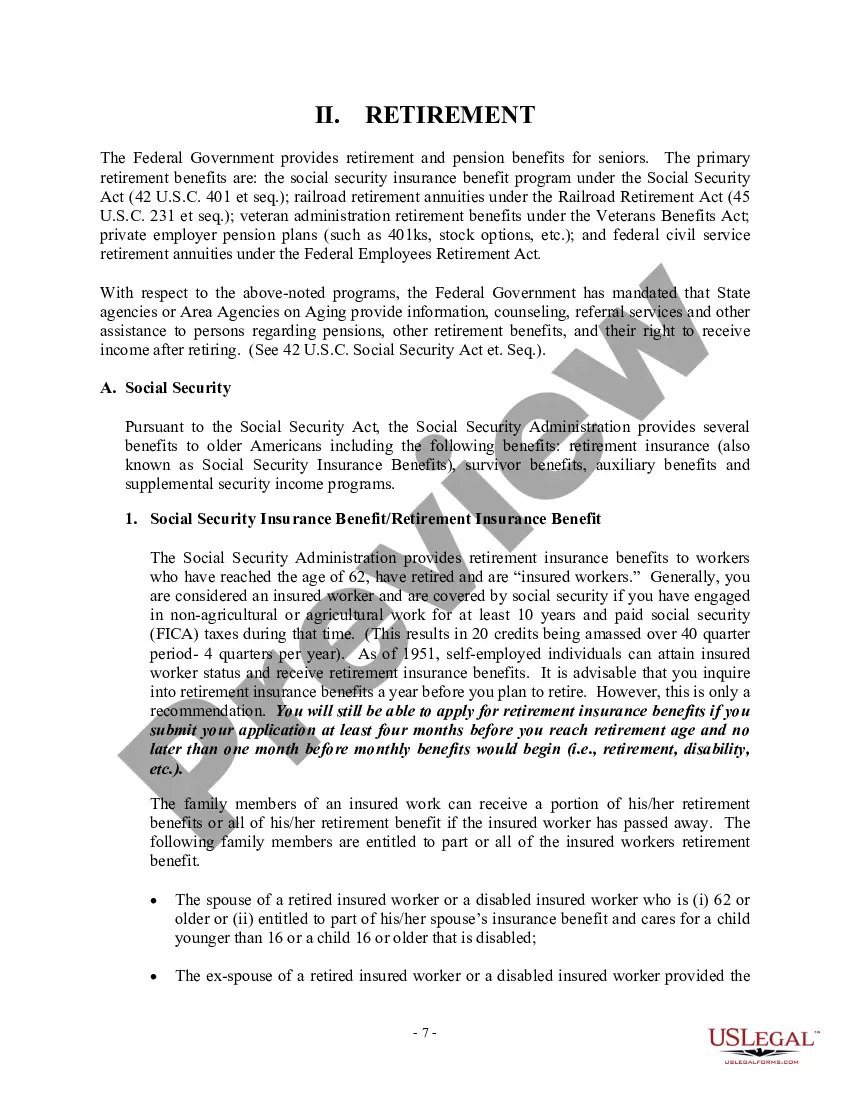

Get your form ready online
Our built-in tools help you complete, sign, share, and store your documents in one place.
Make edits, fill in missing information, and update formatting in US Legal Forms—just like you would in MS Word.
Download a copy, print it, send it by email, or mail it via USPS—whatever works best for your next step.
Sign and collect signatures with our SignNow integration. Send to multiple recipients, set reminders, and more. Go Premium to unlock E-Sign.
If this form requires notarization, complete it online through a secure video call—no need to meet a notary in person or wait for an appointment.
We protect your documents and personal data by following strict security and privacy standards.
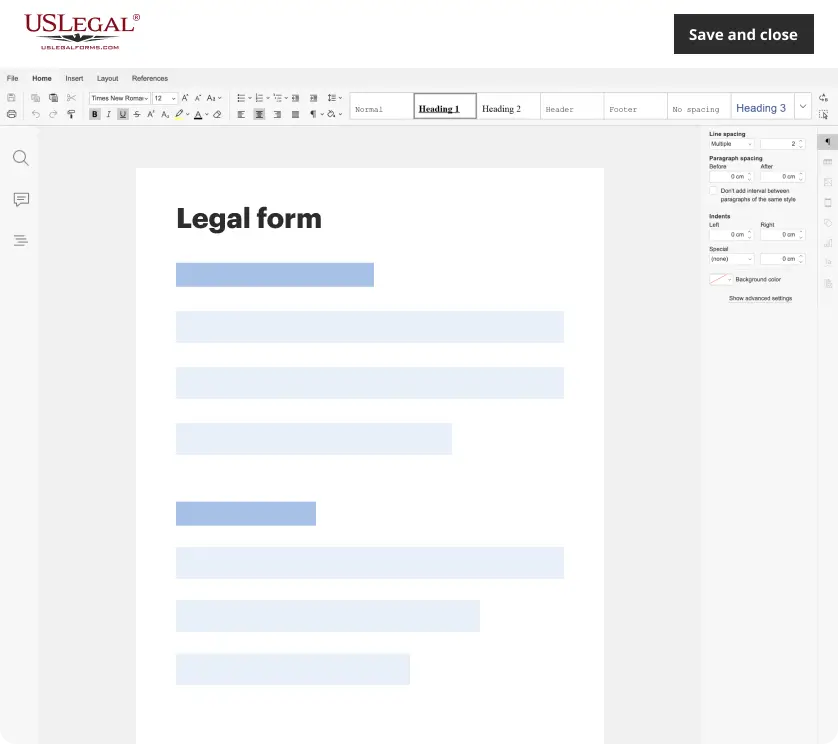
Make edits, fill in missing information, and update formatting in US Legal Forms—just like you would in MS Word.
Download a copy, print it, send it by email, or mail it via USPS—whatever works best for your next step.
Sign and collect signatures with our SignNow integration. Send to multiple recipients, set reminders, and more. Go Premium to unlock E-Sign.
If this form requires notarization, complete it online through a secure video call—no need to meet a notary in person or wait for an appointment.
We protect your documents and personal data by following strict security and privacy standards.
Looking for another form?
Form popularity
FAQ
ERISA applies to a wide range of employee benefits – pensions, 401(k) and 403(b) plans (non-government employees), disability, health, and life insurance benefits, along with severance and other benefits administered by employers.
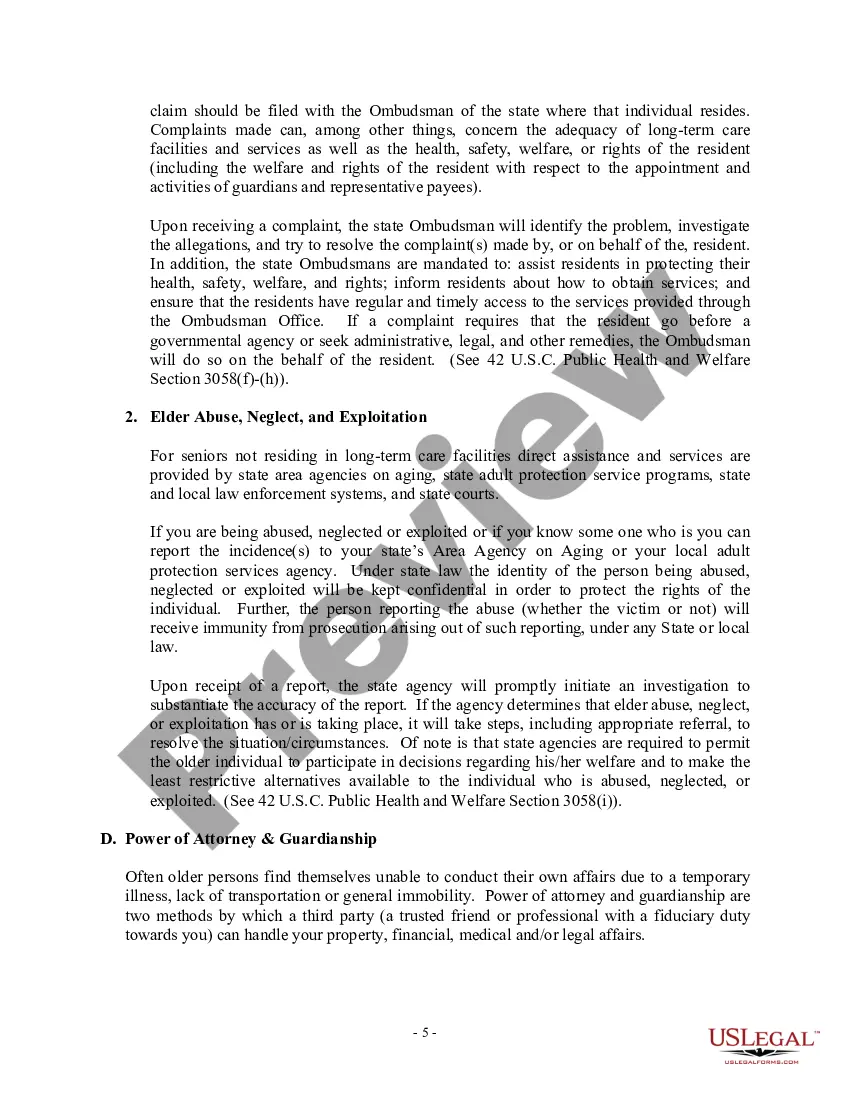
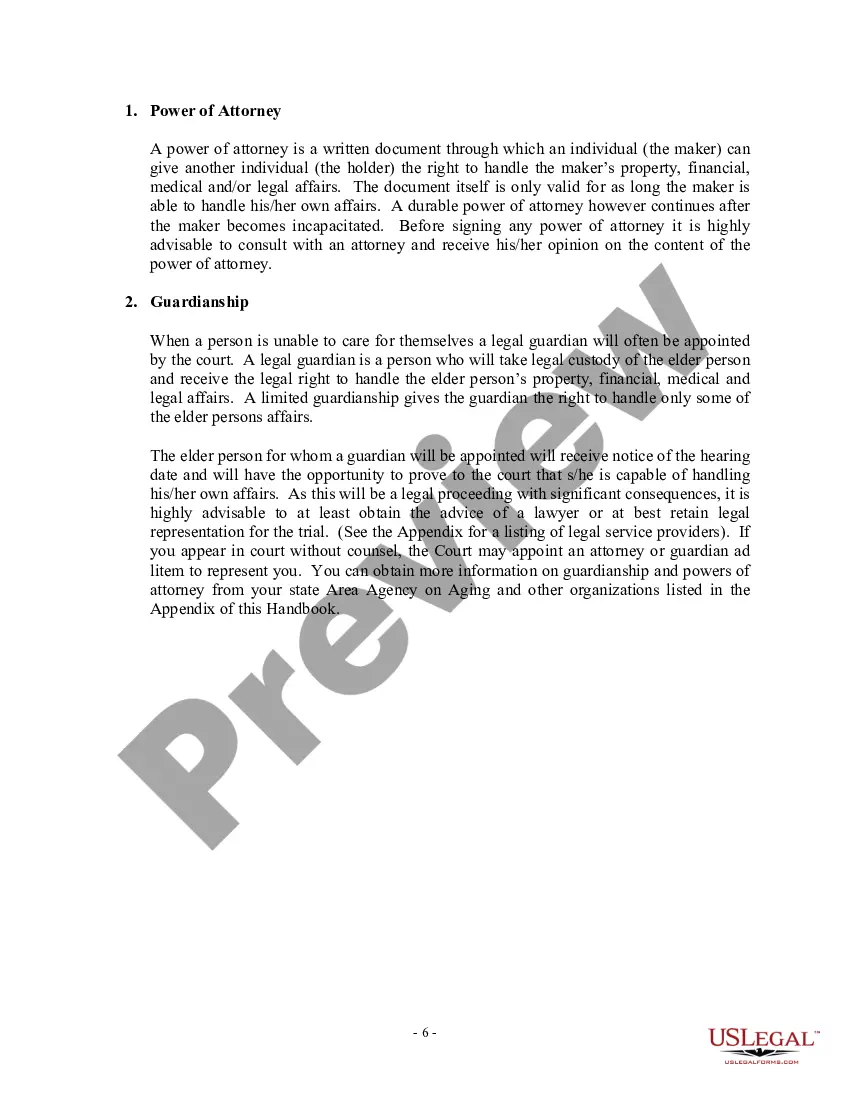
Now that you know what ERISA covers, you'd like to know who can be a beneficiary on an ERISA plan. Generally, an ERISA plan participant can select just about anyone to be their beneficiary. Typically, a plan participant selects their spouse, children, or other family members.
In summary, ERISA is bad because it provides very few consumer protections and instead, in practice, protects insurance companies and employers. Insurance companies and employers are aware of this protection and they may have an incentive to deny legitimate claims without fear of financial penalty.
The Bottom Line. As a federal law, ERISA's main purpose is to protect the interests of workers who participate in qualified plans.
A participant's beneficiary in a qualified retirement plan that is subject to the qualified joint and survivor annuity (QJSA) requirements under the Employee Retirement Income Security Act of 1974 (ERISA) and the Internal Revenue Code (Code) is automatically his surviving spouse, unless the spouse has waived his rights ...
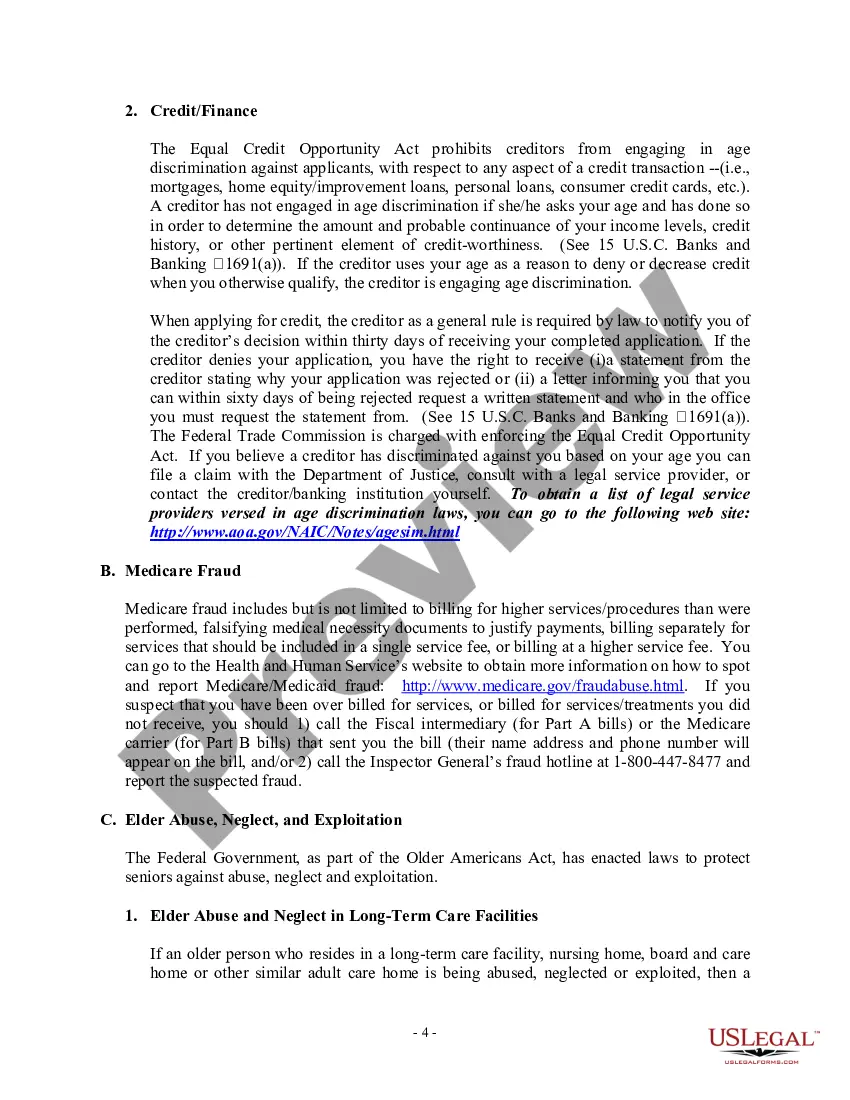
In general, ERISA does not cover plans established or maintained by governmental entities, churches for their employees, or plans which are maintained solely to comply with applicable workers compensation, unemployment or disability laws.
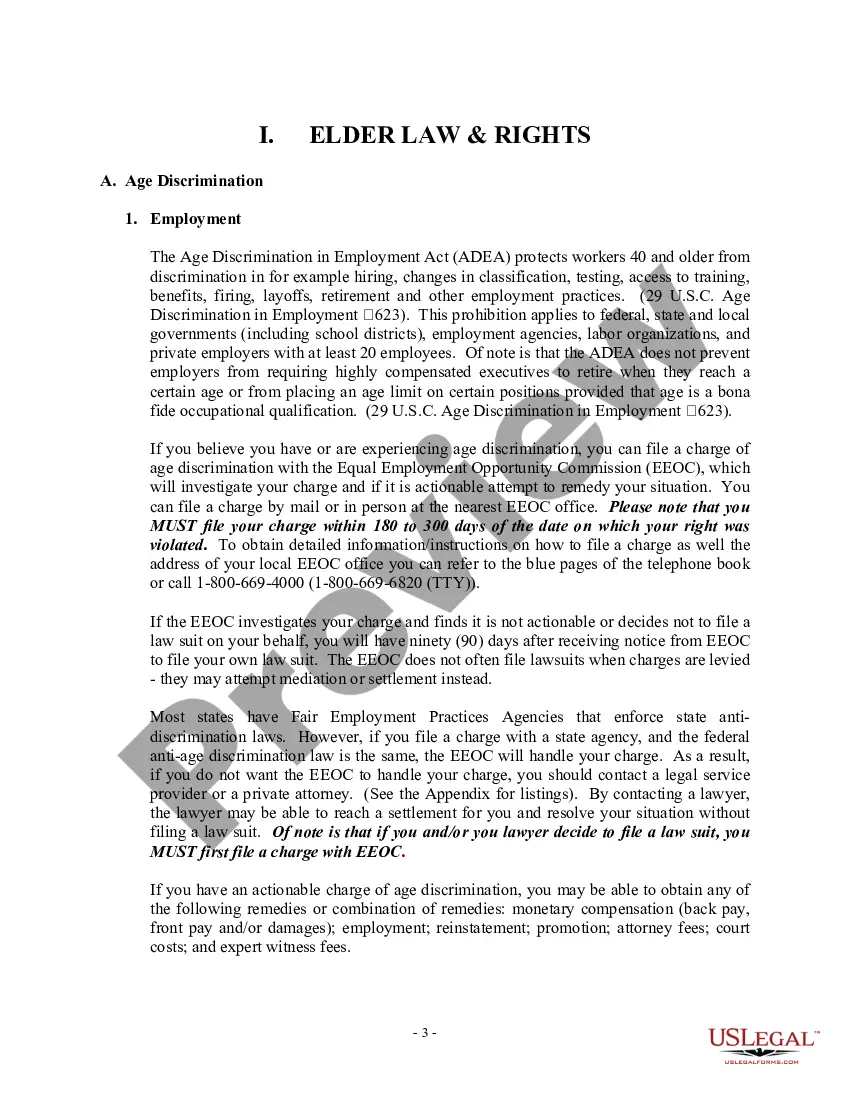
The Employee Retirement Income Security Act of 1974 (ERISA) is a federal law that sets minimum standards for most voluntarily established retirement and health plans in private industry to provide protection for individuals in these plans.
ERISA provides strong federal protections for employees, including rules against mismanagement of funds and requirements for fair and transparent operations. Non-ERISA plans, governed by state laws or specific exemptions, may not provide the same level of oversight.
The Employee Retirement Income Security Act of 1974 (ERISA) is a federal law that sets minimum standards for most voluntarily established retirement and health plans in private industry to provide protection for individuals in these plans.
ERISA Client means (i) an employee benefit plan, as defined in Section 3(3) of ERISA, that is subject to Title I of ERISA, or a plan subject to Section 4975 of the Code; or (ii) an entity deemed to hold the “plan assets” of either of the foregoing (within the meaning of the U.S.