Retirement Law In India In Broward
Description
















Get your form ready online
Our built-in tools help you complete, sign, share, and store your documents in one place.
Make edits, fill in missing information, and update formatting in US Legal Forms—just like you would in MS Word.
Download a copy, print it, send it by email, or mail it via USPS—whatever works best for your next step.
Sign and collect signatures with our SignNow integration. Send to multiple recipients, set reminders, and more. Go Premium to unlock E-Sign.
If this form requires notarization, complete it online through a secure video call—no need to meet a notary in person or wait for an appointment.
We protect your documents and personal data by following strict security and privacy standards.

Make edits, fill in missing information, and update formatting in US Legal Forms—just like you would in MS Word.

Download a copy, print it, send it by email, or mail it via USPS—whatever works best for your next step.

Sign and collect signatures with our SignNow integration. Send to multiple recipients, set reminders, and more. Go Premium to unlock E-Sign.

If this form requires notarization, complete it online through a secure video call—no need to meet a notary in person or wait for an appointment.

We protect your documents and personal data by following strict security and privacy standards.
Looking for another form?



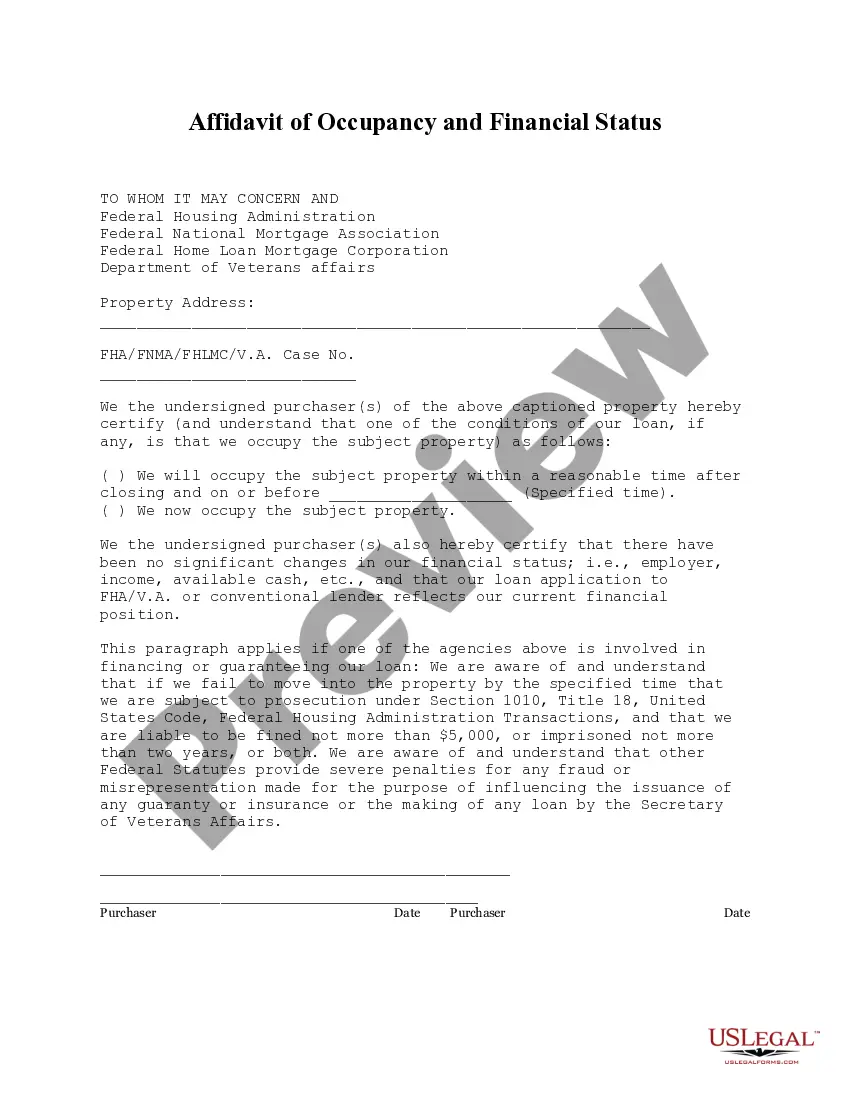

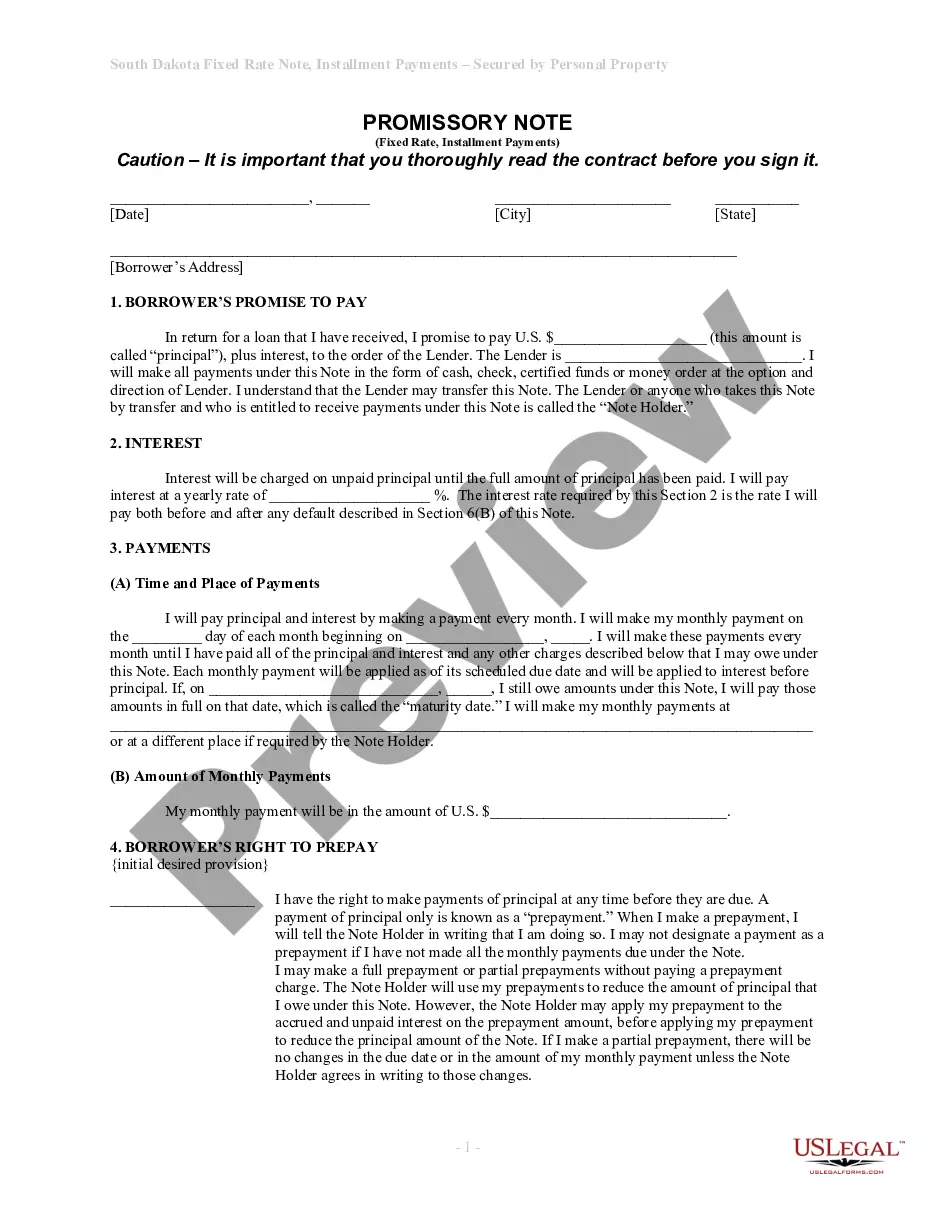
Form popularity
FAQ
A Central Government servant retiring in in ance with the pension Rule is entitled to receive pension on completion of at least 10 years of qualifying service. The age prescribed for retirement on superannuation is 60 years for all government servant.
You will be eligible for a Pension Plan benefit (i.e. be vested) when you complete six years of service (if you were enrolled in the FRS prior to July 1, 2011) or eight years of service (if you were enrolled in the FRS on or after July 1, 2011).
The SECURE 2.0 Act establishes a Saver's Match. This credit will be replaced by a “Saver's Match” beginning in 2027. The match will equal up to 50% of the first $2,000 contributed by an individual to a retirement account each year, or up to $1,000 (or $2,000 for married couples filing jointly).
Eligibility to Receive a Benefit Special RiskAll Other Membership Classes Age 55 or older and one or more years of FRS-covered service Hired after July 1, 2011 Age 52 or older and 25 or more years of Special Risk and military service Age 65 or older and one or more years of FRS-covered service4 more rows
The full retirement age is 66 if you were born from 1943 to 1954. The full retirement age increases gradually if you were born from 1955 to 1960 until it reaches 67. For anyone born 1960 or later, full retirement benefits are payable at age 67.
The $1,000 per month rule is designed to help you estimate the amount of savings required to generate a steady monthly income during retirement. ing to this rule, for every $240,000 you save, you can withdraw $1,000 per month if you stick to a 5% annual withdrawal rate.
In all such cases retirement is automatic and in the absence of specific orders to the contrary by the competent authority a Government servant must retire on the due date.
You can receive Social Security retirement benefits as early as age 62. However, we'll reduce your benefit if you start receiving benefits before your full retirement age. For example, if you turn age 62 in 2025, your benefit would be about 30% lower than it would be at your full retirement age of 67.
The most commonly recommended rule of thumb is the so-called 4% rule, which means you spend 4% of your portfolio every year, on an inflation-adjusted basis. So if you retire with $1 million, you take $40,000 the first year and then the next year you take out a little more based on inflation.
