Payoff Letter Format In Virginia
Description
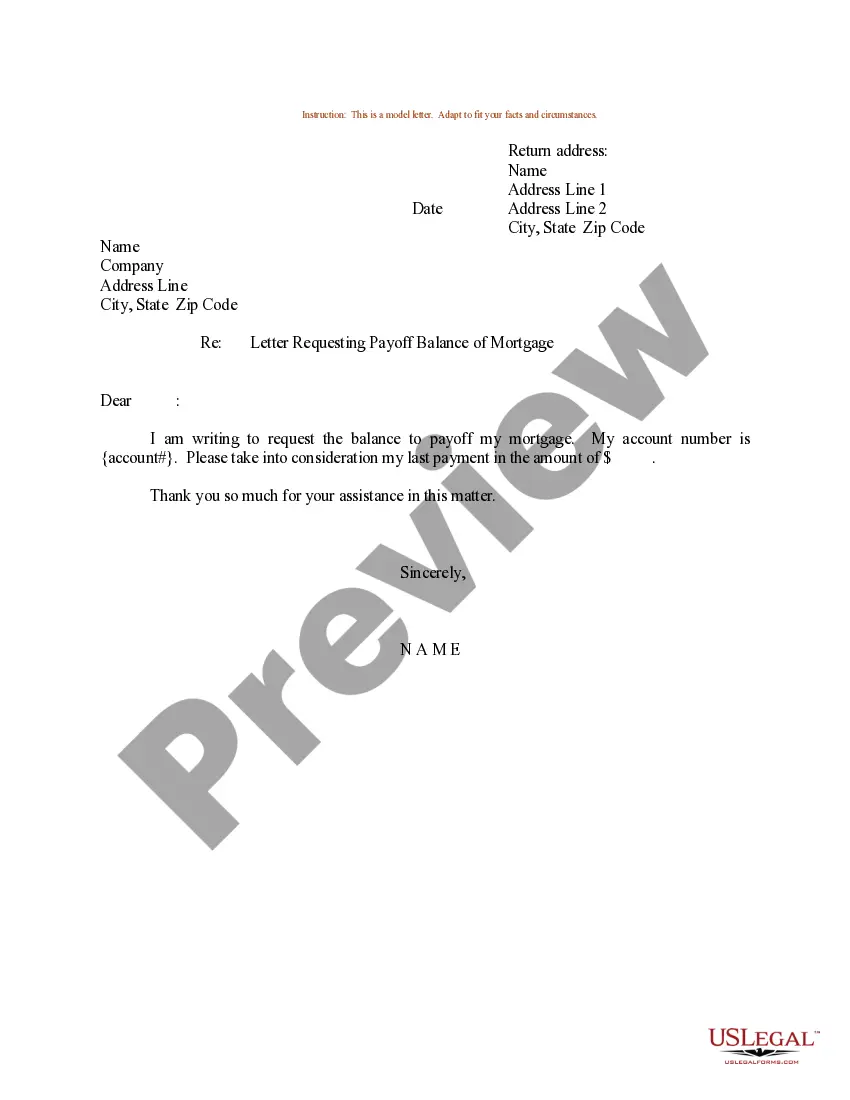
Get your form ready online
Our built-in tools help you complete, sign, share, and store your documents in one place.
Make edits, fill in missing information, and update formatting in US Legal Forms—just like you would in MS Word.
Download a copy, print it, send it by email, or mail it via USPS—whatever works best for your next step.
Sign and collect signatures with our SignNow integration. Send to multiple recipients, set reminders, and more. Go Premium to unlock E-Sign.
If this form requires notarization, complete it online through a secure video call—no need to meet a notary in person or wait for an appointment.
We protect your documents and personal data by following strict security and privacy standards.

Make edits, fill in missing information, and update formatting in US Legal Forms—just like you would in MS Word.

Download a copy, print it, send it by email, or mail it via USPS—whatever works best for your next step.

Sign and collect signatures with our SignNow integration. Send to multiple recipients, set reminders, and more. Go Premium to unlock E-Sign.

If this form requires notarization, complete it online through a secure video call—no need to meet a notary in person or wait for an appointment.

We protect your documents and personal data by following strict security and privacy standards.
Looking for another form?
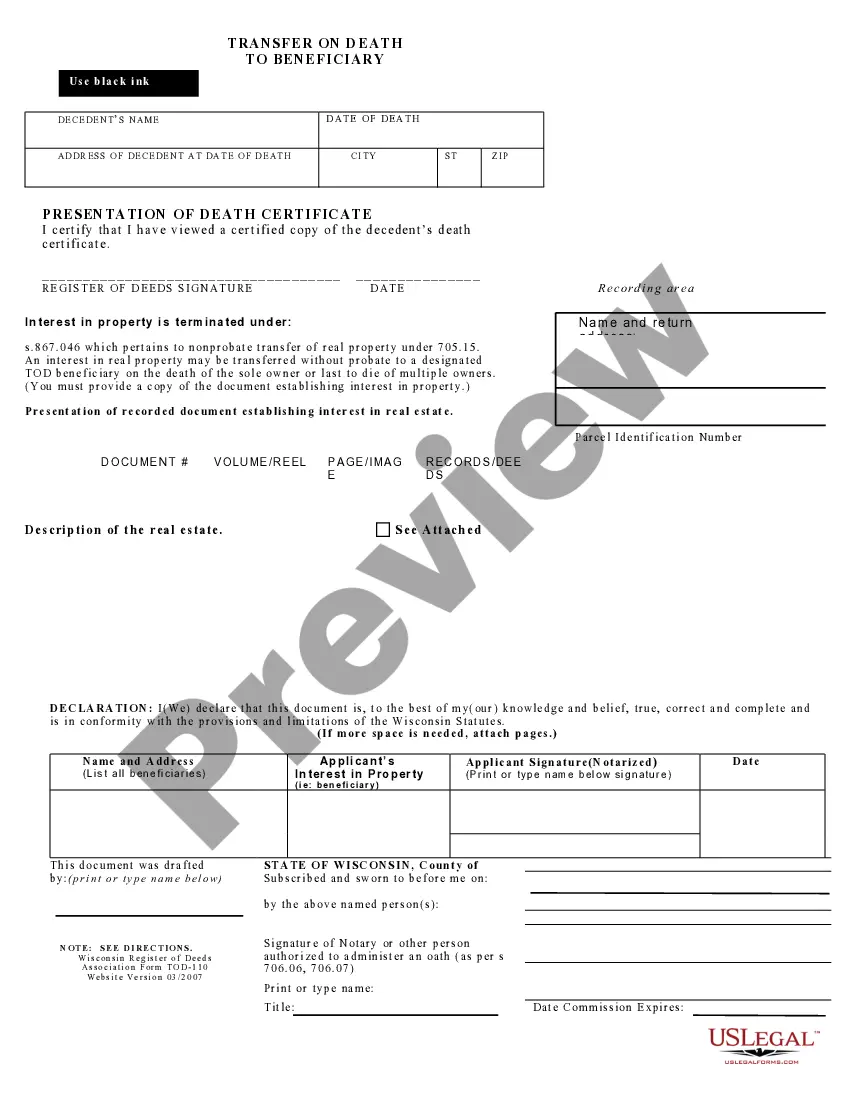



Form popularity
FAQ
How to Write a Payoff Letter: Step-by-Step Guide Step 1: Gather necessary information. Step 2: Format your letter. Step 3: Clearly state your intentions. Step 4: Detail the necessary information. Step 5: Request written confirmation. Step 6: Offer contact information. Step 7: Proofread and submit.
Requesting a Payoff Quote If you're curious about your payoff amount, but you don't need it in writing for any particular or urgent reason, you may be able to obtain a verbal payoff quote from your lender by phone. You should treat a verbal quote as just an estimate because it's not legally binding.
Obtaining a 10-day payoff letter is necessary when paying off loans early, refinancing, or applying for a mortgage, as it provides the accurate payoff amount. The letter contains key information such as the outstanding balance, accrued interest, fees, total payoff amount, and payment instructions.
After or accompanying payment in full of the obligation secured by a deed of trust or judgment lien, a settlement agent or title insurance company intending to release a deed of trust or judgment lien pursuant to this subsection shall deliver to the lien creditor by certified mail or commercial overnight delivery ...
If you wish to remove someone from a deed, you will need their consent. This can be done by recording a new deed, which will require their signature. If the person in question is deceased, you will need their death certificate and a notarized affidavit along with the new deed.
Court Approval Required A court may order the modification or termination of an irrevocable trust if the settlor and all beneficiaries consent to the modification or termination, even if such modification or termination is inconsistent with a material purpose of the trust.
Processing a Release of Deed of Trust Execution: The lender or authorized agent signs the release, and it is notarized as required. Recording: The release is submitted to the county recorder's office for official recording, making it part of the public record.
A Trust Deed is a legally binding agreement, so cannot be cancelled at will. If you are unable to make payments which your creditors find acceptable, your Trust Deed may fail. The failure of a Trust Deed is likely to end in your sequestration.

