Loan Payoff Letter Example Forgiveness In Tarrant
Description

Get your form ready online
Our built-in tools help you complete, sign, share, and store your documents in one place.
Make edits, fill in missing information, and update formatting in US Legal Forms—just like you would in MS Word.
Download a copy, print it, send it by email, or mail it via USPS—whatever works best for your next step.
Sign and collect signatures with our SignNow integration. Send to multiple recipients, set reminders, and more. Go Premium to unlock E-Sign.
If this form requires notarization, complete it online through a secure video call—no need to meet a notary in person or wait for an appointment.
We protect your documents and personal data by following strict security and privacy standards.

Make edits, fill in missing information, and update formatting in US Legal Forms—just like you would in MS Word.

Download a copy, print it, send it by email, or mail it via USPS—whatever works best for your next step.

Sign and collect signatures with our SignNow integration. Send to multiple recipients, set reminders, and more. Go Premium to unlock E-Sign.

If this form requires notarization, complete it online through a secure video call—no need to meet a notary in person or wait for an appointment.

We protect your documents and personal data by following strict security and privacy standards.
Looking for another form?

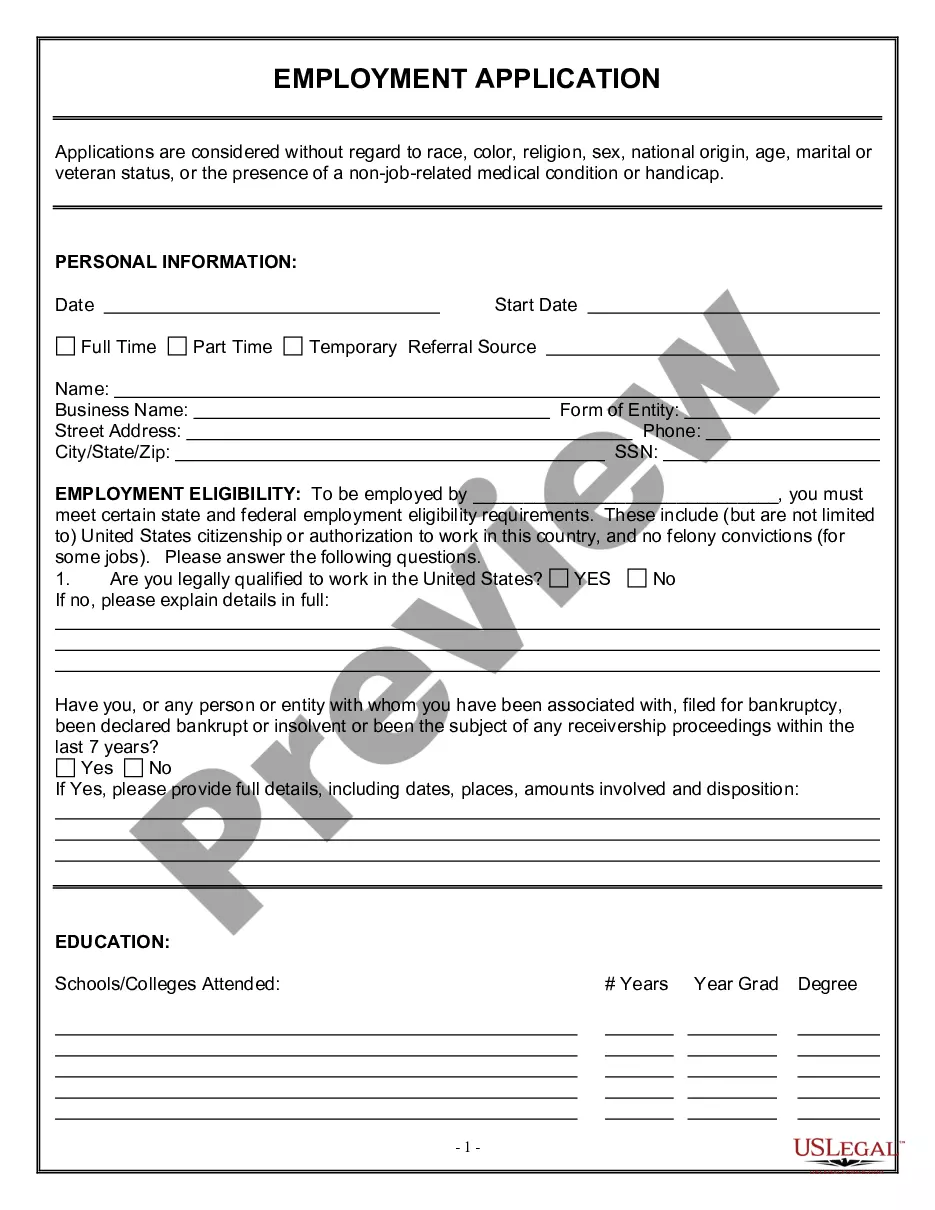

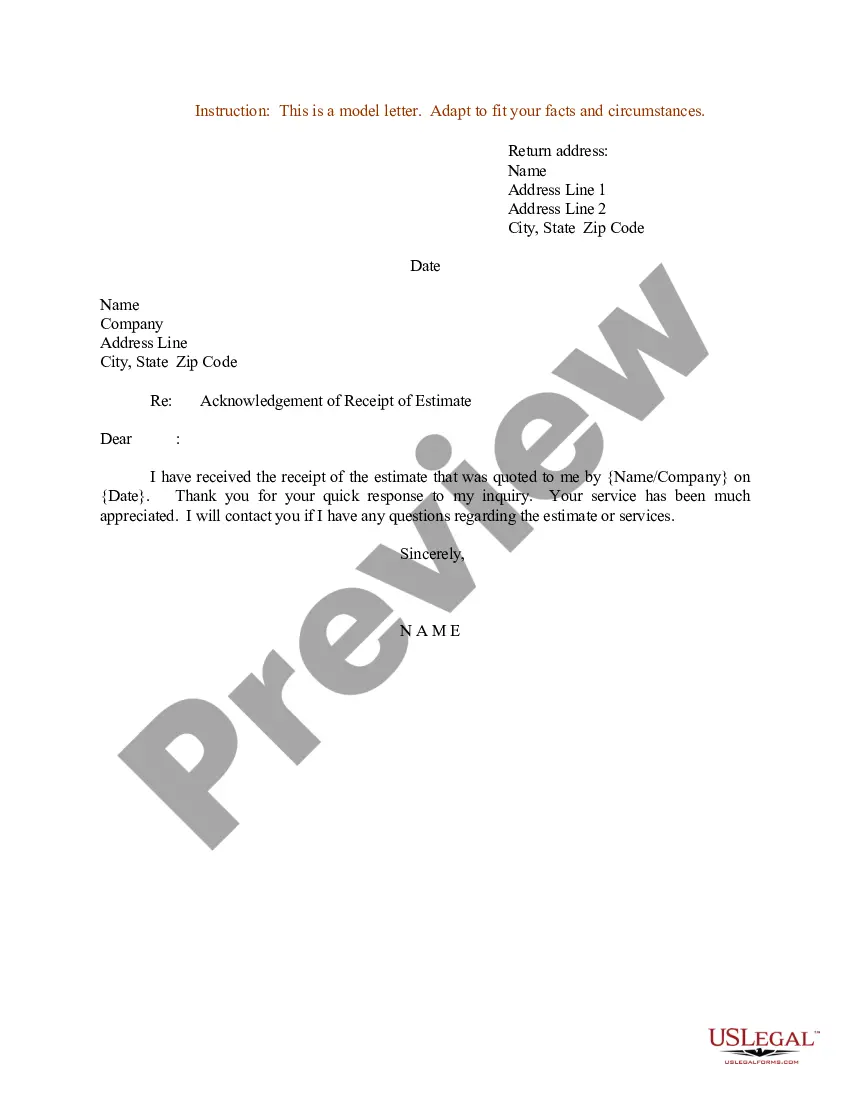
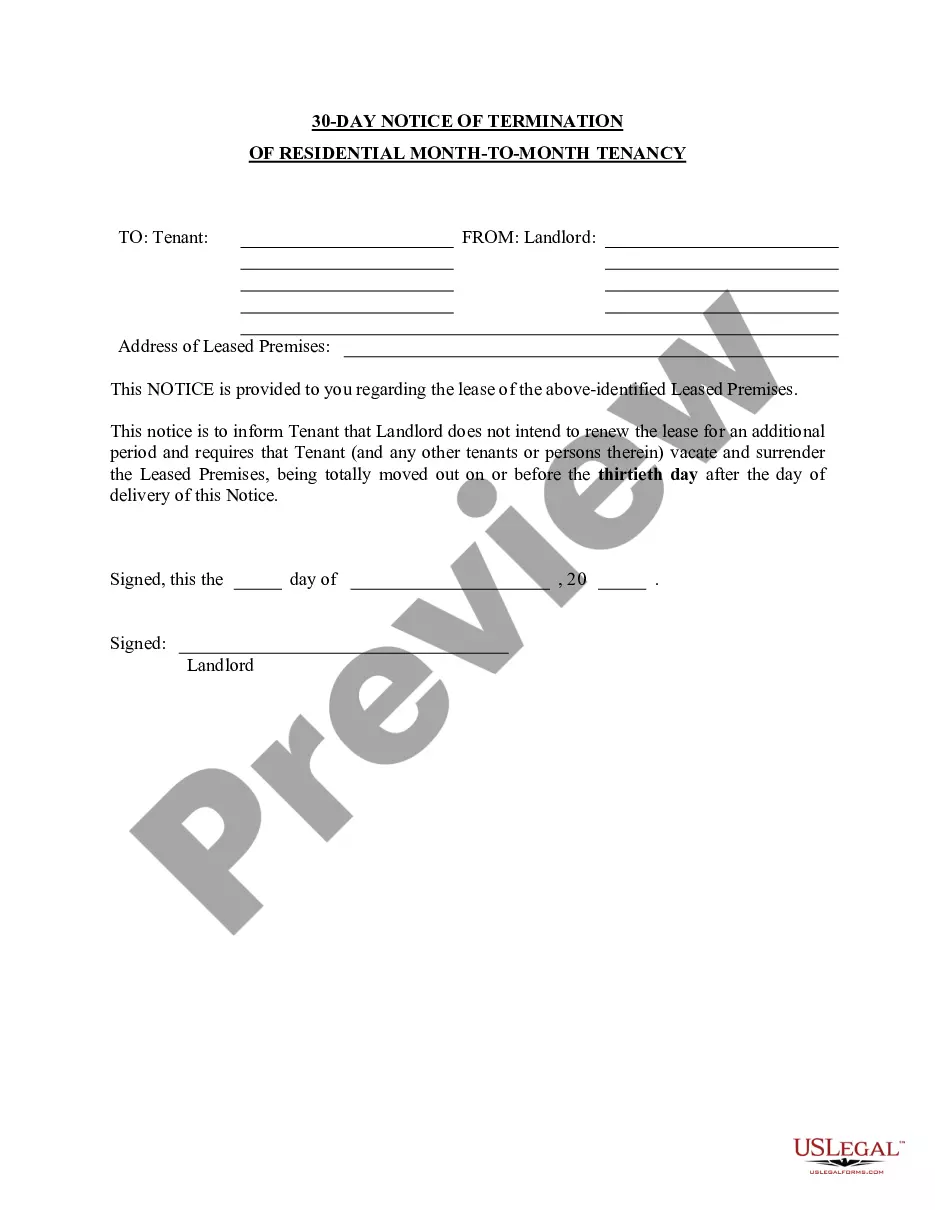




Form popularity
FAQ
When you write the hardship letter, don't include anything that would hurt your situation. Here are some examples of things you shouldn't say in the letter: Don't say that your situation is your lender's fault or that their employees are jerks. Don't state that things will likely turn around for you.
I am requesting financial hardship assistance with my (account type; mortgage or credit card, for example) account." Detail your hardship. In a straightforward manner, explain what caused your current financial struggles, whether it is a job loss, divorce, medical emergency or another unexpected hardship.
The Nuts and Bolts of a Demand Letter Gather complete information before you start writing. Describe your injuries and medical treatment. List your medical expenses, lost wages, and non-economic damages. Make a settlement demand. Include a deadline for legal action if you want to, but don't bluff.
Document Overview A Deed of Debt Forgiveness is typically used when an individual owes debt and is struggling to make repayments. This template deed allows the debtor to stop payments on outstanding debt, effectively "forgiving" the lender.
Unfortunately, my circumstances are unlikely to improve in the foreseeable future and I have no assets to sell to help clear my debt. I am therefore asking you to consider writing off my debt as I can see no way of ever repaying it. If you are unable to agree to this, please explain your reasons.
Ing to the IRS, nearly any debt you owe that is canceled, forgiven or discharged becomes taxable income to you. You should receive a Form 1099-C, "Cancellation of Debt," from the lender that forgave the debt.
Form 982 is used to determine, under certain circumstances described in section 108, the amount of discharged indebtedness that can be excluded from gross income.
A debt forgiveness letter informs a debtor that they no longer have to repay a creditor for liabilities owed. This letter is usually sent after the creditor has decided that the debt isn't worth posting to collections or they may benefit from accounting for the receivable as a loss.
File Form 1099-C for each debtor for whom you canceled $600 or more of a debt owed to you if: You are an applicable financial entity. An identifiable event has occurred.

