Loan Payoff Form With Interest Calculator In San Bernardino
Description
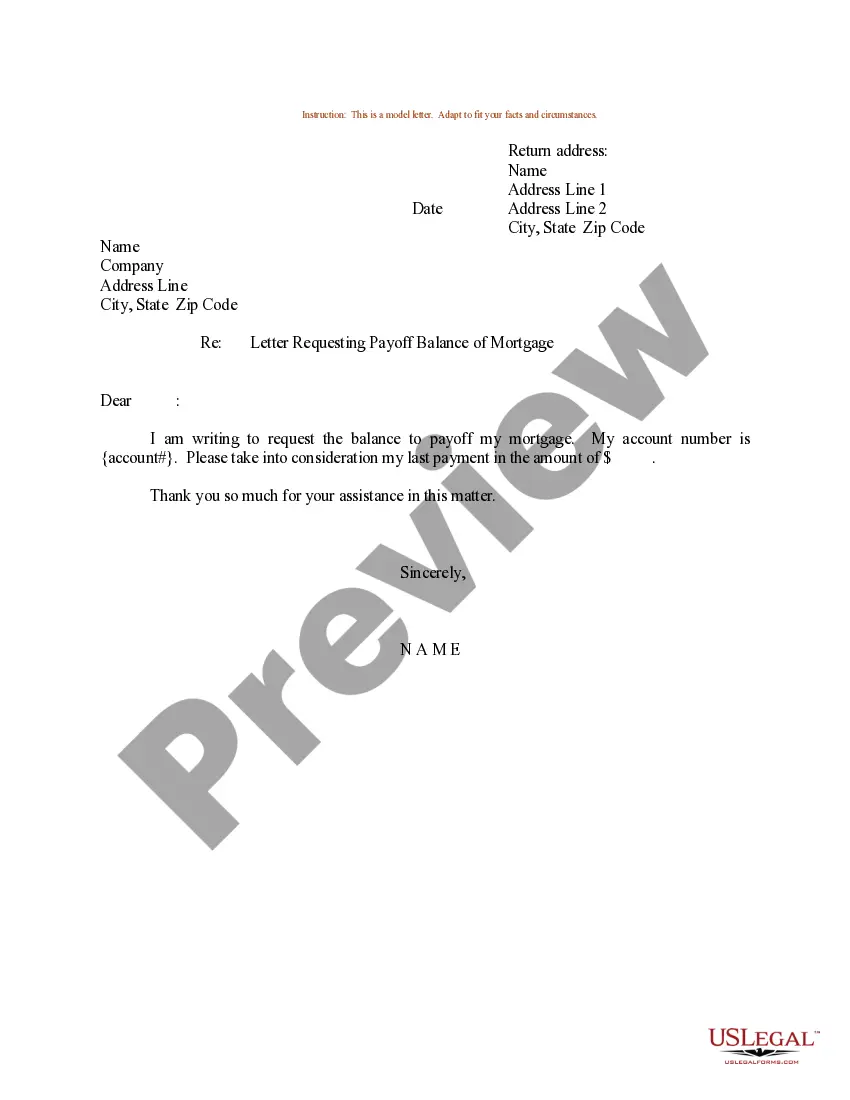
Get your form ready online
Our built-in tools help you complete, sign, share, and store your documents in one place.
Make edits, fill in missing information, and update formatting in US Legal Forms—just like you would in MS Word.
Download a copy, print it, send it by email, or mail it via USPS—whatever works best for your next step.
Sign and collect signatures with our SignNow integration. Send to multiple recipients, set reminders, and more. Go Premium to unlock E-Sign.
If this form requires notarization, complete it online through a secure video call—no need to meet a notary in person or wait for an appointment.
We protect your documents and personal data by following strict security and privacy standards.

Make edits, fill in missing information, and update formatting in US Legal Forms—just like you would in MS Word.

Download a copy, print it, send it by email, or mail it via USPS—whatever works best for your next step.

Sign and collect signatures with our SignNow integration. Send to multiple recipients, set reminders, and more. Go Premium to unlock E-Sign.

If this form requires notarization, complete it online through a secure video call—no need to meet a notary in person or wait for an appointment.

We protect your documents and personal data by following strict security and privacy standards.
Looking for another form?







Form popularity
FAQ
You can add interest at any time while the judgment is active. Generally, any unpaid principal balance collects interest at 10%, or 7% if the debtor is a government agency.
Another bit of fine print to check for is exemptions, since credit card lending may not be bound by usury laws. For example, in California the maximum annual interest rate on consumer loans is 10 percent. However, the law states that banks and similar institutions are exempt.
Example: If your judgment is $5,000: $5,000 (total judgment) x 0.10 (10% interest) = $500 (yearly interest) Divide by 365: $500 (yearly interest) ÷ 365 (days in a year) = $1.37 (daily interest) Multiply the daily interest by the number of days since the court entered the judgment.
First, you'll need to contact your lender and let them know you want the information. Depending on your lender, you may have to sign in to an online account, call a helpline, or send a formal letter to start the request process.
Just months after launching its online mortgage tool, Google (NASDAQ: GOOG) is now shutting down the service along with other comparison-shopping services, citing the endeavor did not meet the company's expectations, ing to multiple reports.
Detailed Solution Given: Rate of interest = 9.5% Amount after 6 years = Rs 942. Concept used: Simple Interest, SI = PNR/100. Where P = principal, R = rate of interest and N = time. Amount = SI + P. Calculation: SI = Amount - P. ⇒ (942 – P) = (P × 9.5 × 6) /100. ⇒ 94200 – 100P = 57P. ∴ The amount invested initially is Rs 600.
Generally, any unpaid principal balance collects interest at 10%, or 7% if the debtor is a government agency. This general rule applies to any judgment against a business or government agency, or when the debtor owes $200,000 or more.
Under California's usury law, lenders are required by law to limit simple interest on loans to 10% per year, with exemptions that you could drive a truck through.
Example: Judgment debtor owes the judgment creditor $5,000 (the “judgment principal”). The amount of interest earned will be $1.37 per day as long as the unpaid amount remains $5,000. Formula: (Total amount of judgment owed) × (applicable interest rate) = interest earned per year.
Generally, any unpaid principal balance collects interest at 10%, or 7% if the debtor is a government agency.
