Sample Mortgage Statement With Loan/credit Transaction In Philadelphia
Description
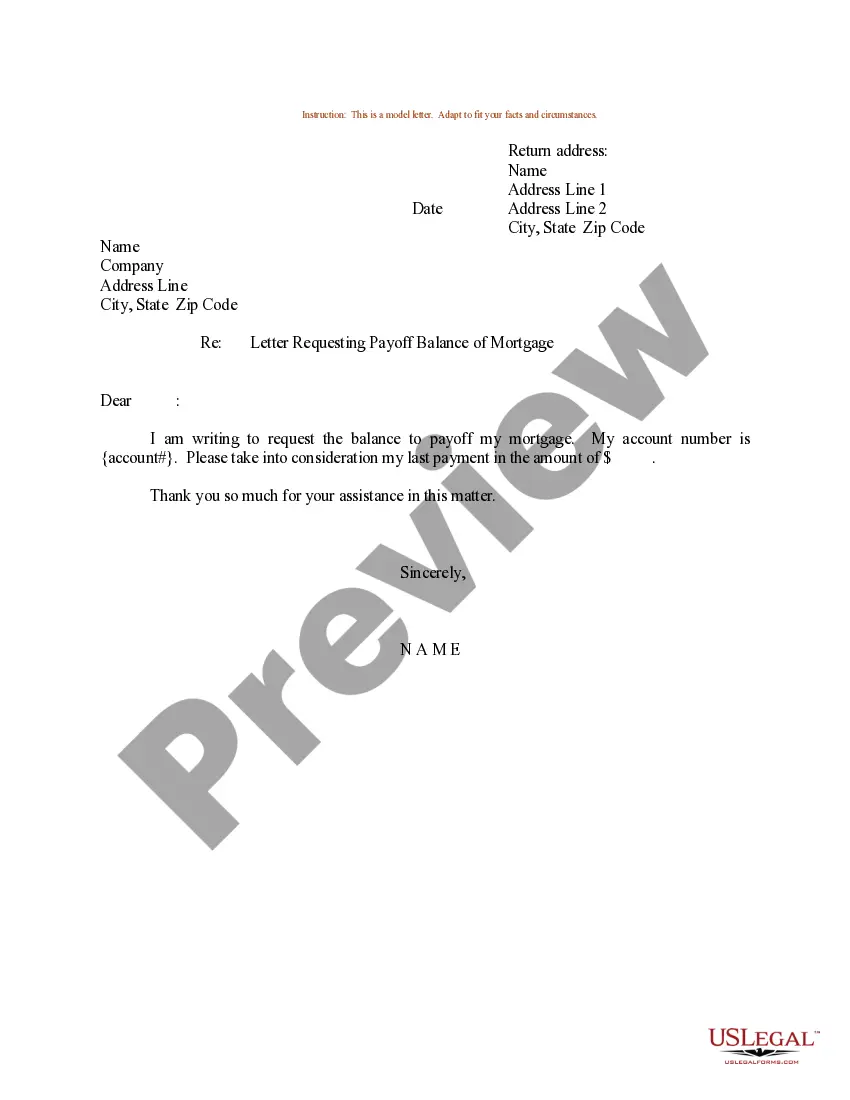
Get your form ready online
Our built-in tools help you complete, sign, share, and store your documents in one place.
Make edits, fill in missing information, and update formatting in US Legal Forms—just like you would in MS Word.
Download a copy, print it, send it by email, or mail it via USPS—whatever works best for your next step.
Sign and collect signatures with our SignNow integration. Send to multiple recipients, set reminders, and more. Go Premium to unlock E-Sign.
If this form requires notarization, complete it online through a secure video call—no need to meet a notary in person or wait for an appointment.
We protect your documents and personal data by following strict security and privacy standards.

Make edits, fill in missing information, and update formatting in US Legal Forms—just like you would in MS Word.

Download a copy, print it, send it by email, or mail it via USPS—whatever works best for your next step.

Sign and collect signatures with our SignNow integration. Send to multiple recipients, set reminders, and more. Go Premium to unlock E-Sign.

If this form requires notarization, complete it online through a secure video call—no need to meet a notary in person or wait for an appointment.

We protect your documents and personal data by following strict security and privacy standards.
Looking for another form?




Form popularity
FAQ
Do I need bank statements for a mortgage? Lenders often want to see your bank statements from the last three months to verify your income and outgoings – but several banks have been moving away from this practice and have started focussing on credit score to determine eligibility.
If you need another copy of your mortgage statement, you can get one through contacting your lender. Many lenders offer access to past statements through an app or online banking portal. Alternatively, you may be able to call your lender or visit a branch to get a copy.
A mortgage statement is an accounting of all of the details about your mortgage, including the current balance owed, interest charges, interest rate changes (if you have an adjustable-rate mortgage) and a breakdown of your current and past payments.
A mortgage statement will show the current mortgage balance, current interest rate, amount remaining on the mortgage term and amortization and the contact information for the mortgage holder. A mortgage statement may also provide a history of payments from the date of the last issuance.
Letter of Explanation Template Provide all details the best you can, including correct dates and dollar amounts. Explain how and when all situations were resolved. If they are not resolved, explain that as well. Detail why problems won't happen again.
Include details about the property, such as its address, type, and any additional information required by the template. Provide a breakdown of your monthly mortgage payments, including the principal, interest, taxes, and insurance amounts.
The letter should include an explanation regarding the negative event, the date it happened, the name of the creditor and your account number. It should also include an explanation of why you don't see this problem happening again.
Your annual mortgage statement will detail everything about your mortgage, including the: type of mortgage you have. length of your mortgage deal. remaining mortgage term.

