Depreciation Excel Sheet Format In Orange
Description
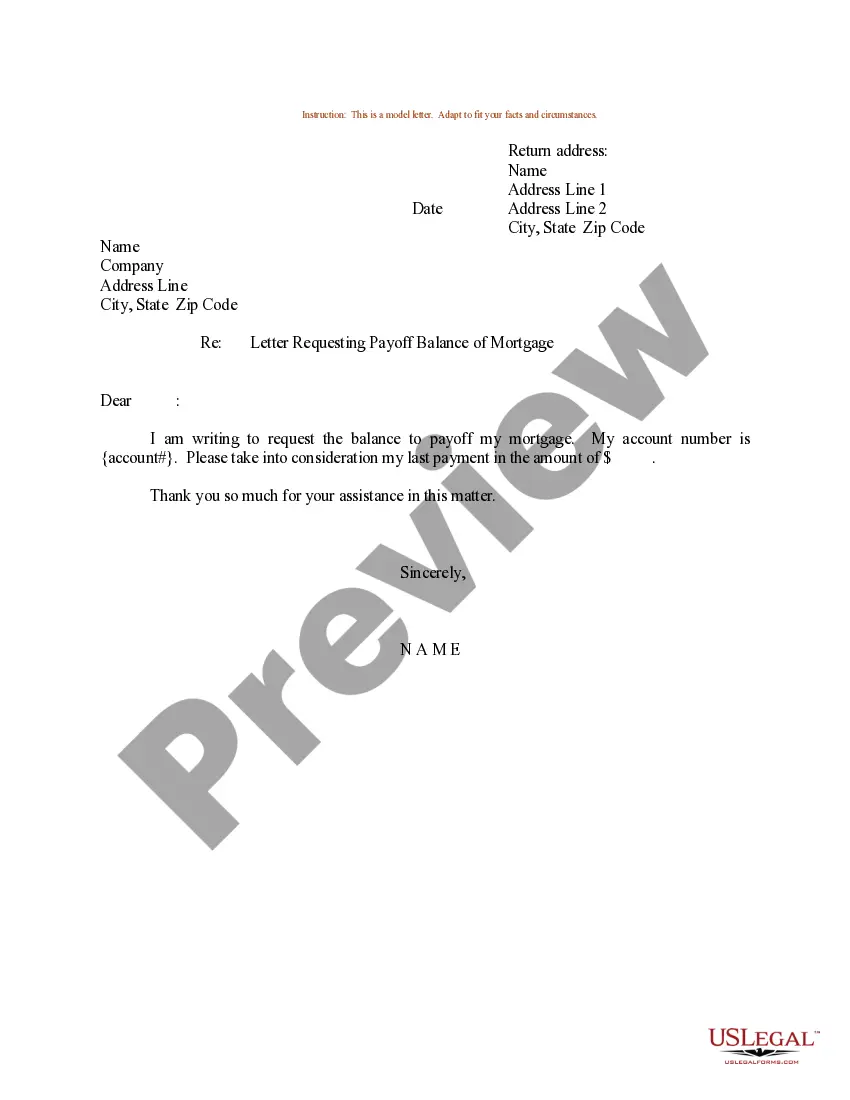
Get your form ready online
Our built-in tools help you complete, sign, share, and store your documents in one place.
Make edits, fill in missing information, and update formatting in US Legal Forms—just like you would in MS Word.
Download a copy, print it, send it by email, or mail it via USPS—whatever works best for your next step.
Sign and collect signatures with our SignNow integration. Send to multiple recipients, set reminders, and more. Go Premium to unlock E-Sign.
If this form requires notarization, complete it online through a secure video call—no need to meet a notary in person or wait for an appointment.
We protect your documents and personal data by following strict security and privacy standards.

Make edits, fill in missing information, and update formatting in US Legal Forms—just like you would in MS Word.

Download a copy, print it, send it by email, or mail it via USPS—whatever works best for your next step.

Sign and collect signatures with our SignNow integration. Send to multiple recipients, set reminders, and more. Go Premium to unlock E-Sign.

If this form requires notarization, complete it online through a secure video call—no need to meet a notary in person or wait for an appointment.

We protect your documents and personal data by following strict security and privacy standards.
Looking for another form?









Form popularity
FAQ
In Excel, the function SYD depreciates an asset using this method. In cell C5, enter “sum of years date.” Enter “=SYD(B1,B2,B3,6)” into cell C6. Calculate the other depreciation values using the sum of the years' digits method in Excel with this function.
In Excel, the function SYD depreciates an asset using this method. In cell C5, enter “sum of years date.” Enter “=SYD(B1,B2,B3,6)” into cell C6. Calculate the other depreciation values using the sum of the years' digits method in Excel with this function.
Use Form 4562 to: Claim your deduction for depreciation and amortization. Make the election under section 179 to expense certain property. Provide information on the business/investment use of automobiles and other listed property.
The four methods for calculating depreciation allowable under GAAP include straight-line, declining balance, sum-of-the-years' digits, and units of production. The best method for a business depends on size and industry, accounting needs, and types of assets purchased.
You'll need three columns: The first column registers the depreciation deduction (aka depreciation expense) you plan to take each year. The second column shows the depreciation that has accumulated at the end of each year. The third column logs the book value of the asset at the end of each year.
1. Find an inventory template Open Excel or if Excel is already open, select File > New. (In Excel for the Web, select File > New > Browse Templates.) In the search box, type "inventory" or something similar. Browse the results. Once you've found the one you like, select Create. The template will open in Excel.
The depreciation expense recorded under the double declining method is calculated by multiplying the accelerated rate, 36.0% by the beginning PP&E balance in each period. Depreciation, Year 1 = $20 million × 36% = ($7 million) Depreciation, Year 2 = $13 million × 36% = ($5 million)
Reducing-balance considers time by determining the percentage of depreciation expense that would exist under straight-line depreciation. To calculate this, divide 100% by the estimated life in years. For example, a five-year asset would be 100/5, or 20% a year. A four-year asset would be 100/4, or 25% a year.
How to enable macros in Excel permanently Open your Excel file. Find the Trust Center. Navigate to "Macro Settings." Upon opening the Trust Center, you can see settings to keep your documents safe and maintain the security of your data. Enable all macros. Learn how to disable macros for the future.
