Loan Payoff Letter Example Without Notice Period In Nassau
Description
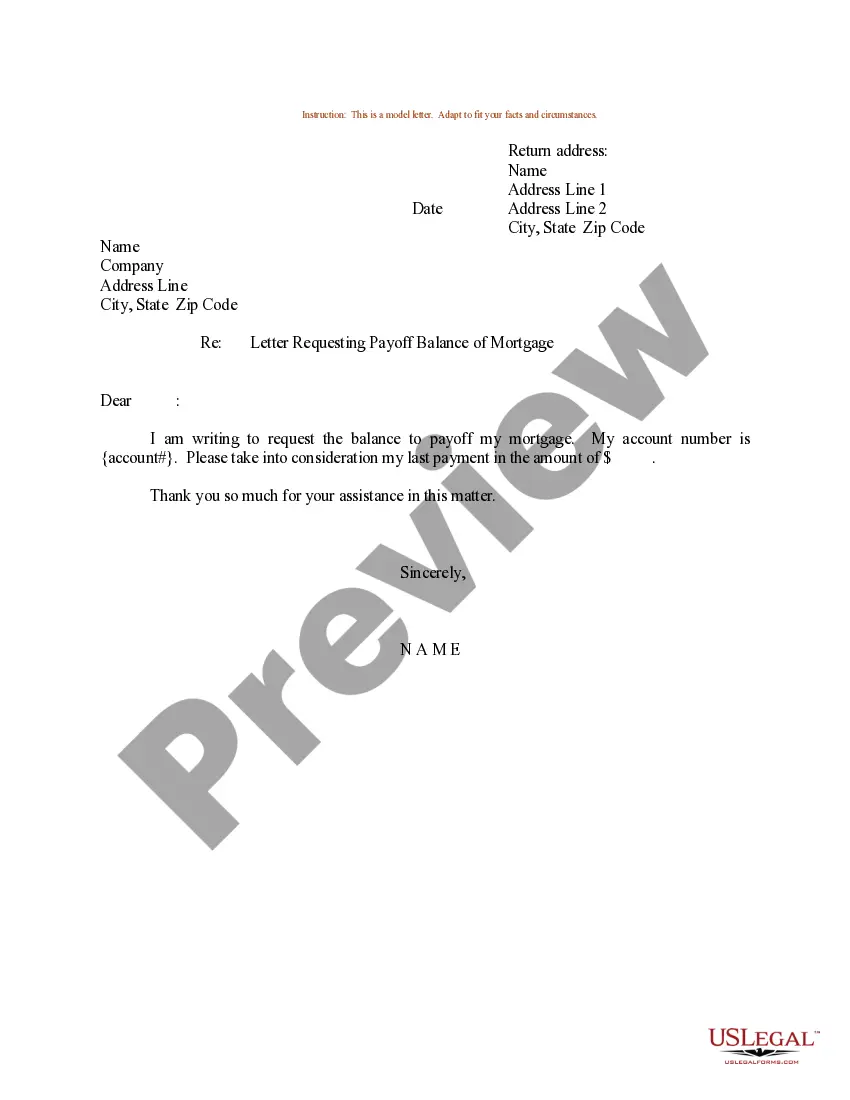
Get your form ready online
Our built-in tools help you complete, sign, share, and store your documents in one place.
Make edits, fill in missing information, and update formatting in US Legal Forms—just like you would in MS Word.
Download a copy, print it, send it by email, or mail it via USPS—whatever works best for your next step.
Sign and collect signatures with our SignNow integration. Send to multiple recipients, set reminders, and more. Go Premium to unlock E-Sign.
If this form requires notarization, complete it online through a secure video call—no need to meet a notary in person or wait for an appointment.
We protect your documents and personal data by following strict security and privacy standards.

Make edits, fill in missing information, and update formatting in US Legal Forms—just like you would in MS Word.

Download a copy, print it, send it by email, or mail it via USPS—whatever works best for your next step.

Sign and collect signatures with our SignNow integration. Send to multiple recipients, set reminders, and more. Go Premium to unlock E-Sign.

If this form requires notarization, complete it online through a secure video call—no need to meet a notary in person or wait for an appointment.

We protect your documents and personal data by following strict security and privacy standards.
Looking for another form?


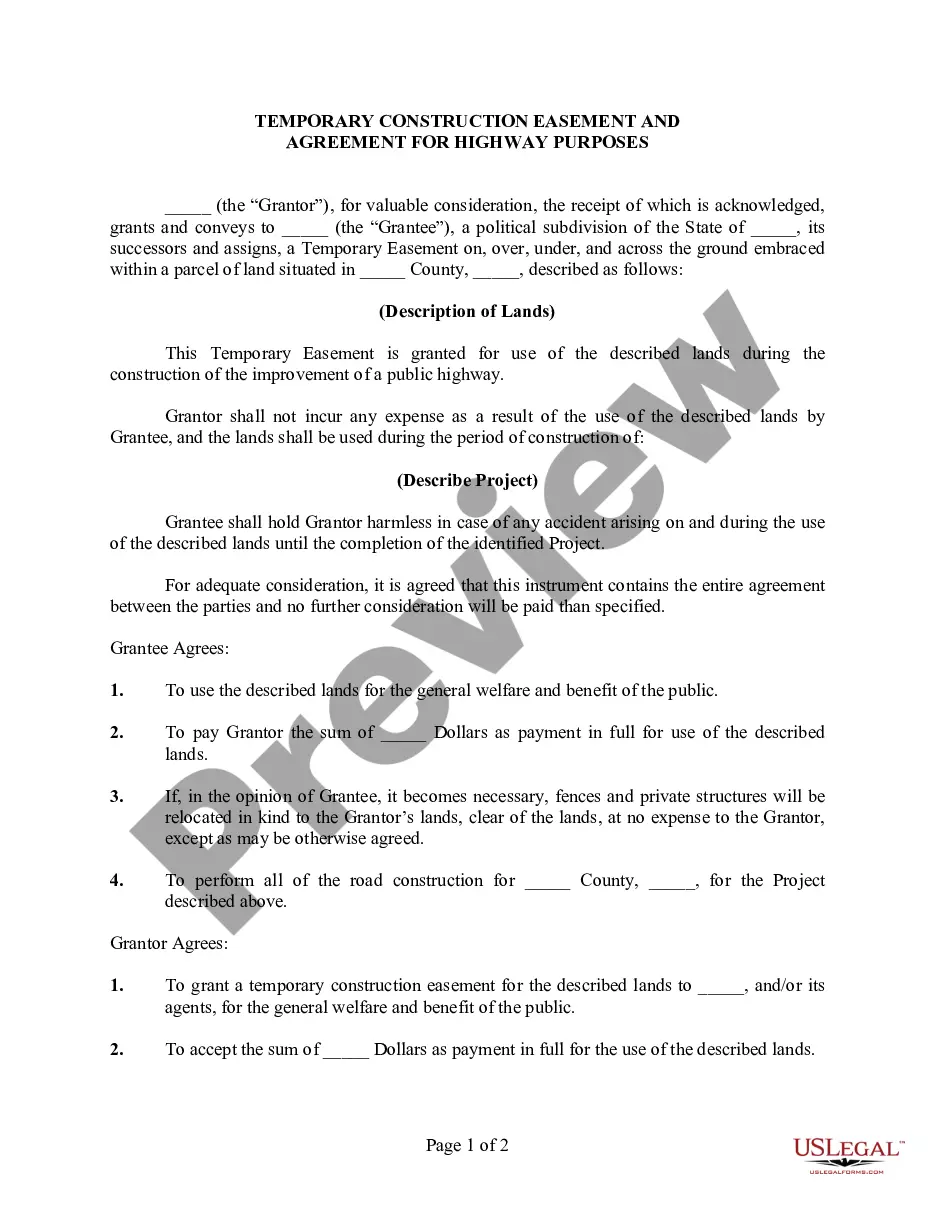





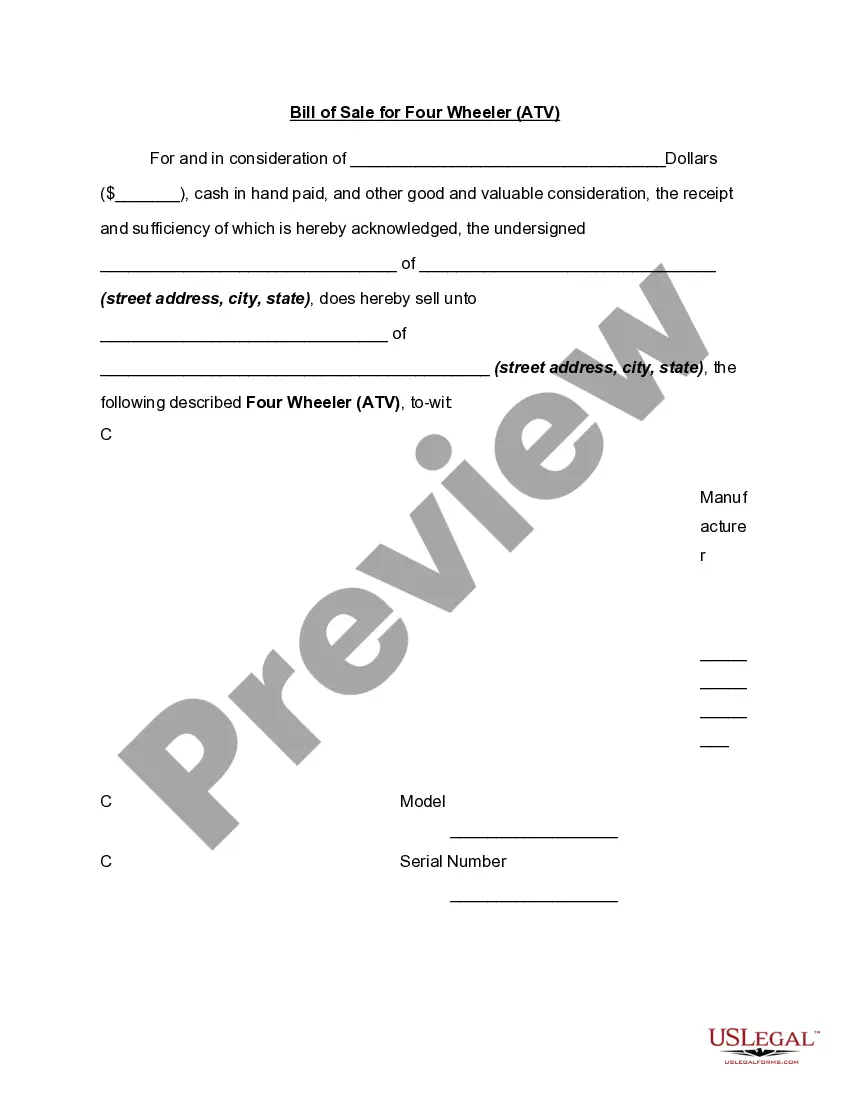

Form popularity
FAQ
Explaining the Issue Right off the bat, state your name, account information, the payment amount in question, the original due date, and any other pertinent information. Demonstrate to the creditor that you are well aware of the situation also and do not intend to avoid the discussion concerning the past due status.
How to Write an Overdue Invoice Letter? Step 1- Start with a polite greeting. Step 2 – Clearly state the purpose. Step 3 – Provide relevant details. Step 4 – Express understanding. Step 5 – Set clear expectations. Step 6 – Offer assistance. Step 7 – End on a positive note. Step 8 – Close the letter:
First, you'll need to contact your lender and let them know you want the information. Depending on your lender, you may have to sign in to an online account, call a helpline, or send a formal letter to start the request process.
All parties to the original debt instrument normally execute a Payoff Letter before it becomes binding. The final version of the document often reflects specifics of the parties' negotiations. Payoff Letters provide detailed terms and procedures regarding the payoff process.
A payoff statement can be a binding agreement if the terms of the payoff are followed. If the lender later claims the payoff was not correct, our claims counsel can rely on the payoff statement to defend the company in a claim. If the payoff is not directly to your firm or title company then claims loses that defense.
Instead, you have to get a 10-day payoff estimate from your current lender, which includes the amount you owe, as well as any interest that might accrue on the principal balance in the next 10 days.
Under federal law, the servicer must generally send you a payoff statement within seven business days of your request, subject to a few exceptions. (12 C.F.R. § 1026.36.)
First, you'll need to contact your lender and let them know you want the information. Depending on your lender, you may have to sign in to an online account, call a helpline, or send a formal letter to start the request process.

