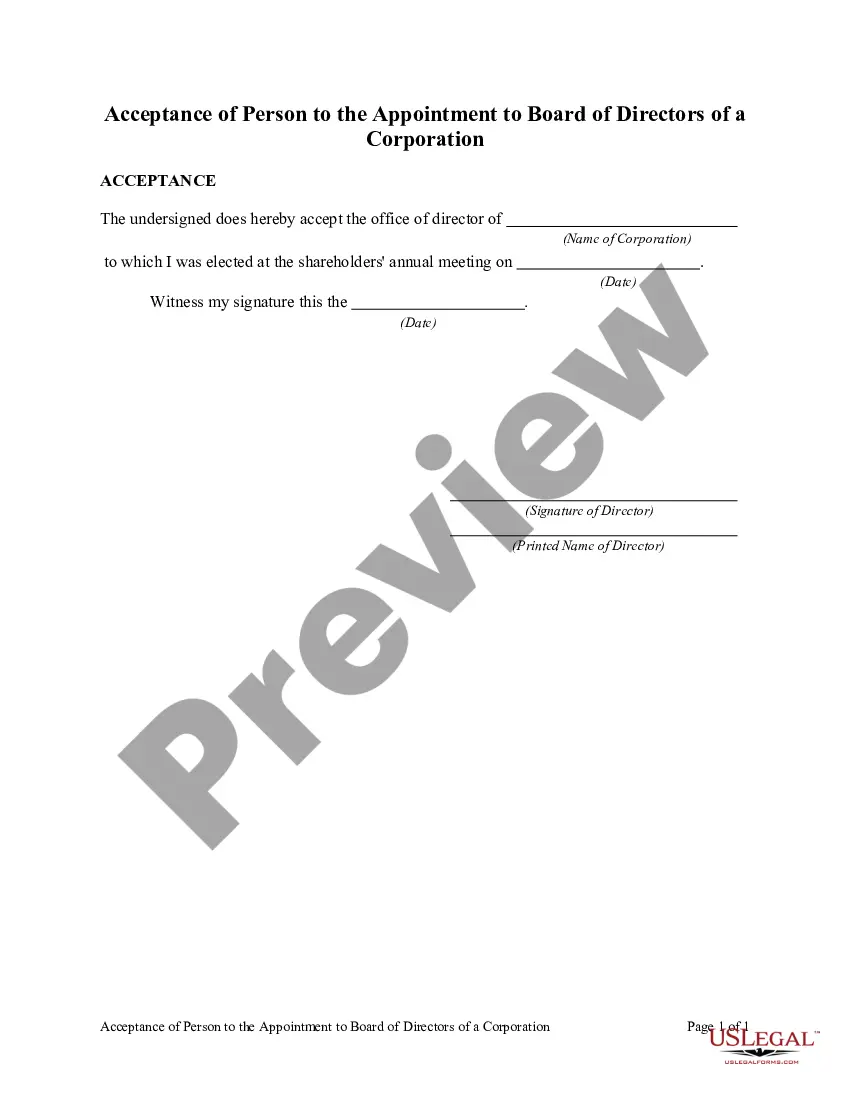
Payoff Letter For Judgement In Montgomery
Description

Get your form ready online
Our built-in tools help you complete, sign, share, and store your documents in one place.
Make edits, fill in missing information, and update formatting in US Legal Forms—just like you would in MS Word.
Download a copy, print it, send it by email, or mail it via USPS—whatever works best for your next step.
Sign and collect signatures with our SignNow integration. Send to multiple recipients, set reminders, and more. Go Premium to unlock E-Sign.
If this form requires notarization, complete it online through a secure video call—no need to meet a notary in person or wait for an appointment.
We protect your documents and personal data by following strict security and privacy standards.

Make edits, fill in missing information, and update formatting in US Legal Forms—just like you would in MS Word.

Download a copy, print it, send it by email, or mail it via USPS—whatever works best for your next step.

Sign and collect signatures with our SignNow integration. Send to multiple recipients, set reminders, and more. Go Premium to unlock E-Sign.

If this form requires notarization, complete it online through a secure video call—no need to meet a notary in person or wait for an appointment.

We protect your documents and personal data by following strict security and privacy standards.
Looking for another form?






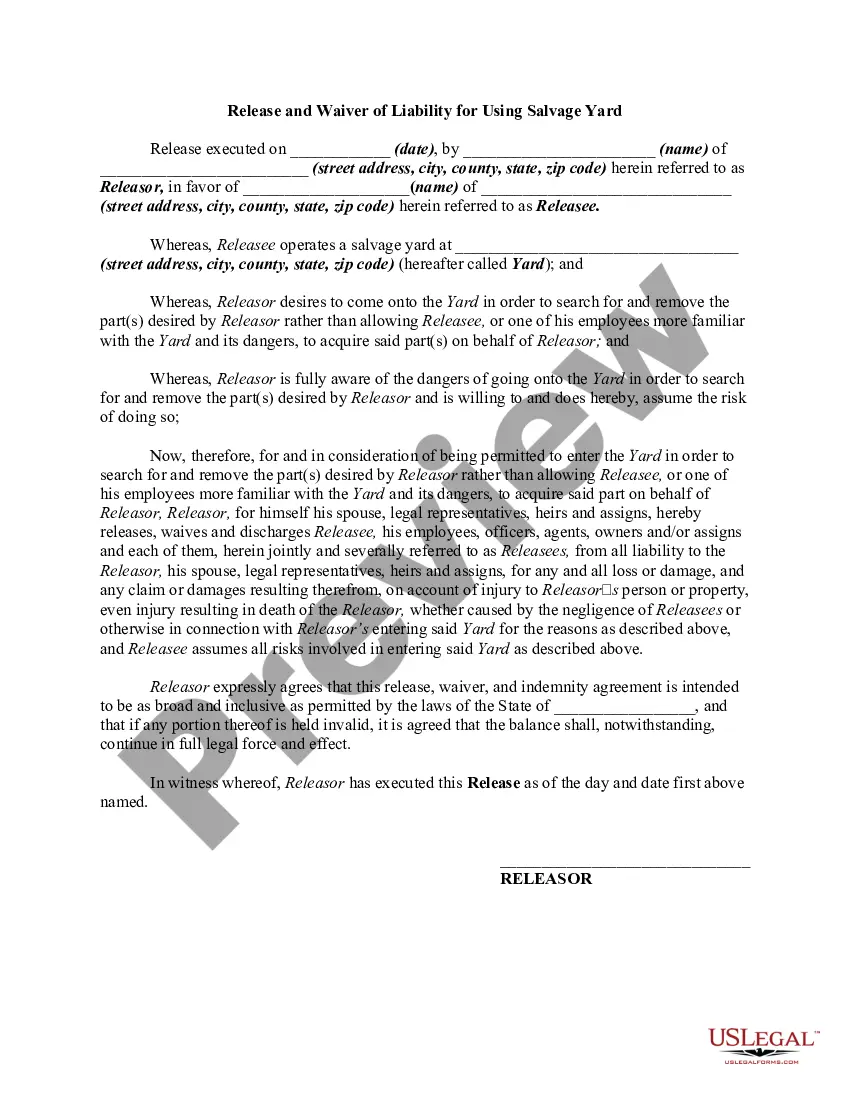
Form popularity
FAQ
A judgment lien expires after 5 years from the date it is recorded but may be rerecorded once for another period of 5 years not less than 120 days before the expiration of the initial judgment.
When focusing on the main objectives, Lost Judgment is about 24½ Hours in length.
In Alabama, a creditor can place a judgment lien on your real property (or your personal property or vehicle) in order to collect the judgment, and it will remain attached to your real property for 10 years, even if you sell the property.
Rule 236 - Notice by Prothonotary of Entry of Order or Judgment (a) The prothonotary shall immediately give written notice of the entry of (1) a judgment entered by confession to the defendant by ordinary mail together with a copy of all documents filed with the prothonotary in support of the confession of judgment.
The period has expired: Most judgments remain on credit reports for seven years and six months. If this period has passed, you should contact the credit agencies and make sure they remove the judgment. The seven-year and six-month period is not absolute. People have been able to get a judgment removed sooner.
West's Annotated Code of MarylandCourts and Judicial Proceedings. (a) Except as provided in § 11-106 of this subtitle, the legal rate of interest on a judgment shall be at the rate of 10 percent per annum on the amount of judgment.
Once the waiting period passes, there are three different ways you can collect on the judgment: Garnishing the other person's wages; Garnishing the other person's bank account; or. Seizing the other person's personal property or real estate.
A creditor who obtains a judgment against you is the "judgment creditor." You are the "judgment debtor" in the case. A judgment lasts for 12 years and the plaintiff can renew the judgment for another 12 years.