Private Loan Payoff Letter Template For Student Loans In Middlesex
Description
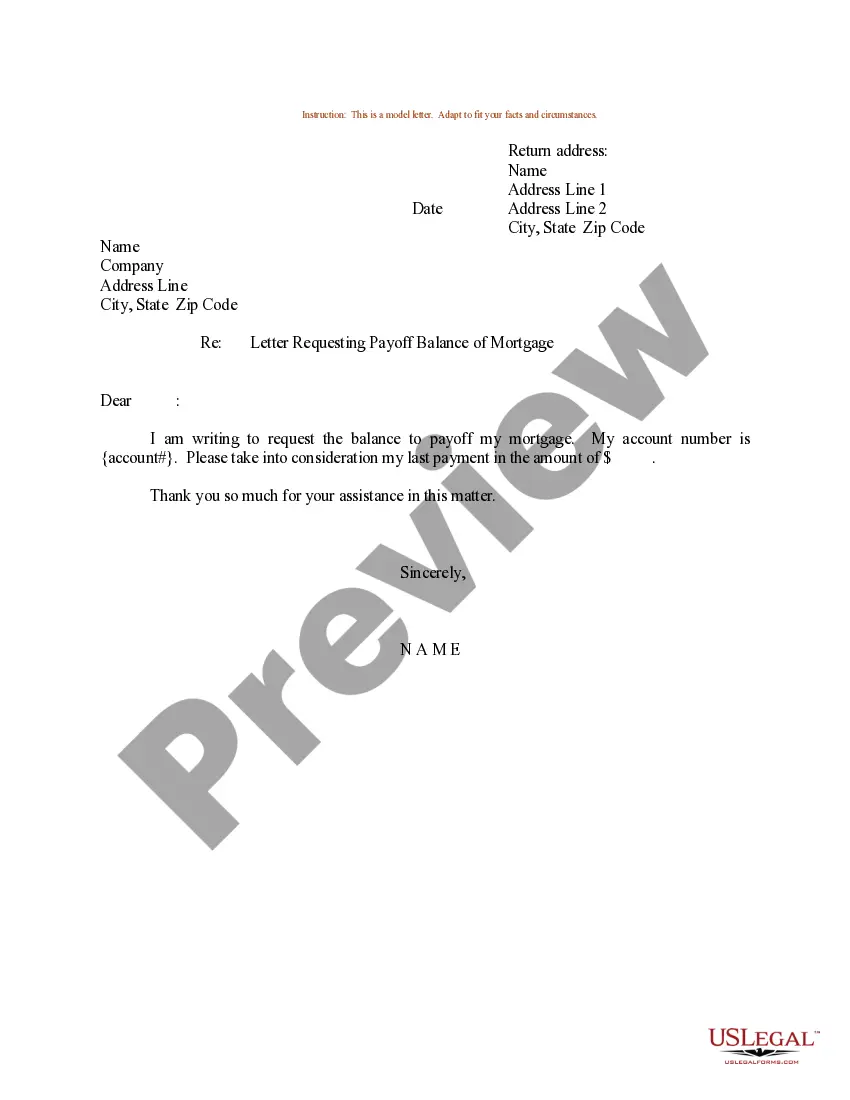
Get your form ready online
Our built-in tools help you complete, sign, share, and store your documents in one place.
Make edits, fill in missing information, and update formatting in US Legal Forms—just like you would in MS Word.
Download a copy, print it, send it by email, or mail it via USPS—whatever works best for your next step.
Sign and collect signatures with our SignNow integration. Send to multiple recipients, set reminders, and more. Go Premium to unlock E-Sign.
If this form requires notarization, complete it online through a secure video call—no need to meet a notary in person or wait for an appointment.
We protect your documents and personal data by following strict security and privacy standards.

Make edits, fill in missing information, and update formatting in US Legal Forms—just like you would in MS Word.

Download a copy, print it, send it by email, or mail it via USPS—whatever works best for your next step.

Sign and collect signatures with our SignNow integration. Send to multiple recipients, set reminders, and more. Go Premium to unlock E-Sign.

If this form requires notarization, complete it online through a secure video call—no need to meet a notary in person or wait for an appointment.

We protect your documents and personal data by following strict security and privacy standards.
Looking for another form?
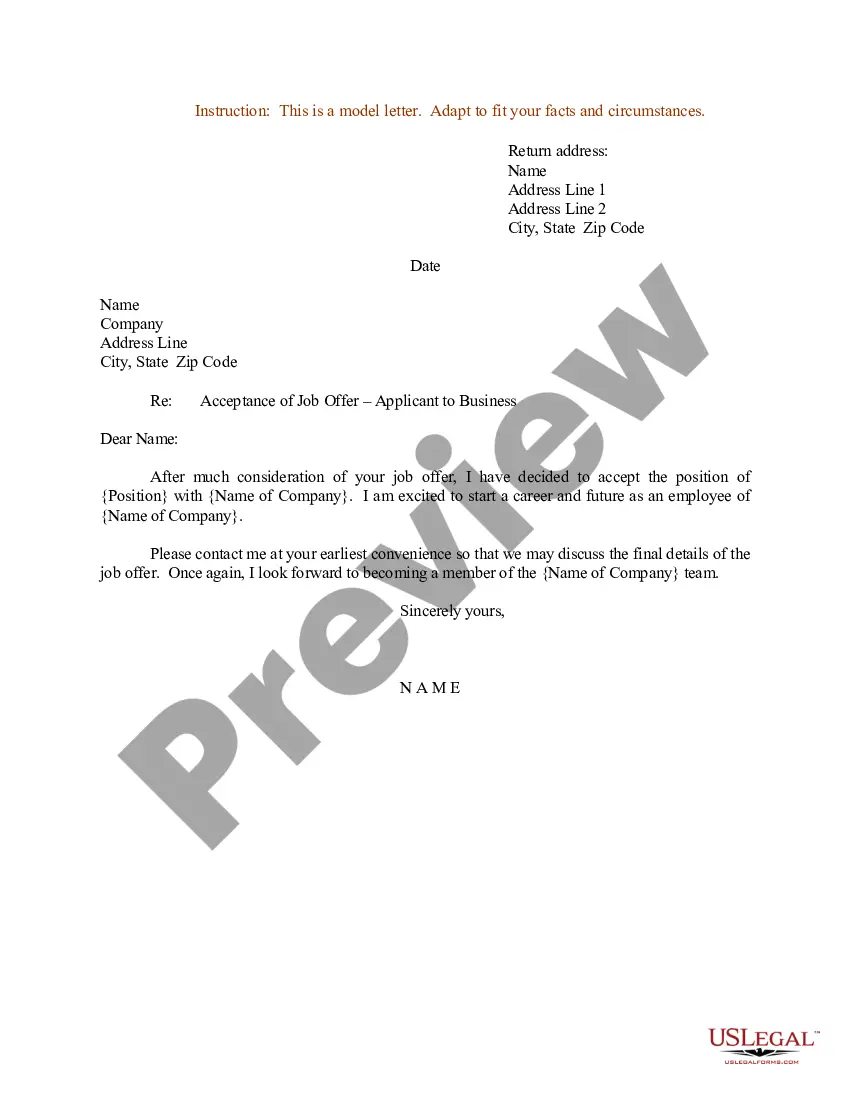




Form popularity
FAQ
How to get rid of private student debt. One of the few ways to get rid of private student debt is through discharge bankruptcy. It's an arduous — and expensive — process. You'll have to file Chapter 7 or Chapter 13 bankruptcy, then file an additional lawsuit known as an adversary proceeding.
Yes, they do send a letter out. Congratulations on paying off! As someone who worked in collections on their behalf, my advice to everyone is to keep these letters safe. Keep a picture or scanned copy.
Private student loans cannot generally be consolidated with federal student loans, and the low interest rates on federal consolidation loans are not available to private education loans. Nevertheless, there are several options for refinancing private education loans.
How to get rid of private student debt. One of the few ways to get rid of private student debt is through discharge bankruptcy. It's an arduous — and expensive — process. You'll have to file Chapter 7 or Chapter 13 bankruptcy, then file an additional lawsuit known as an adversary proceeding.
If you have accurate positive or negative information on your credit reports, you typically can't get it removed. If you have inaccurate information about your student loans, you have the right to dispute it with the credit bureaus and potentially get it removed.
Yes, it's possible to discharge private student loans through bankruptcy, but the process isn't as simple as erasing other types of debt. You may need to prove undue hardship or show the loans weren't made for qualified higher education expenses.
Seven years after your final payment or date of default, both federal and private student loans are removed from your credit record. If federal student loans go unpaid for nine months, you are in default and are not eligible for forbearance or deferral.
To get a payoff letter, ask your lender for an official payoff statement. Call or write to customer service or make the request online. While logged into your account, look for options to request or calculate a payoff amount, and provide details such as your desired payoff date.
No, private loans have no forgiveness option. And it's highly unlikely discover would ever reduce what's owed, they have no reason or incentive to do so.

