Lien Release Letter For Car Nj In Middlesex
Description
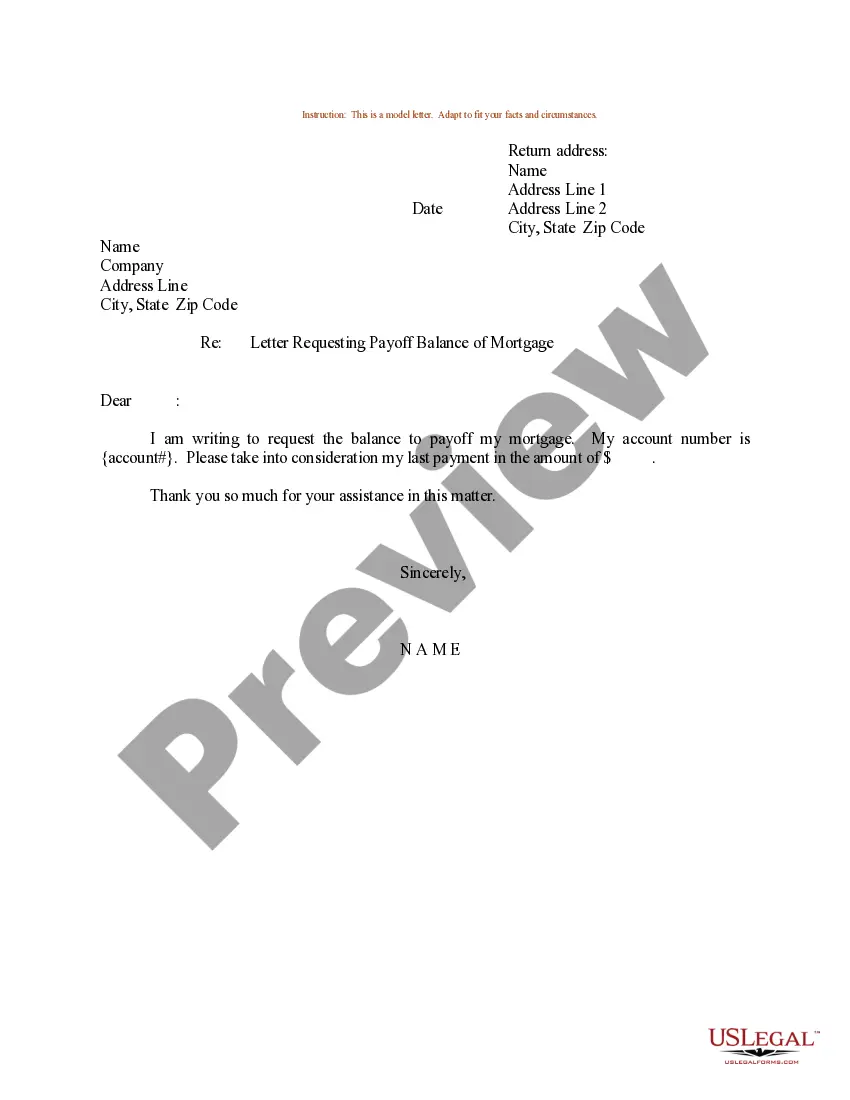
Get your form ready online
Our built-in tools help you complete, sign, share, and store your documents in one place.
Make edits, fill in missing information, and update formatting in US Legal Forms—just like you would in MS Word.
Download a copy, print it, send it by email, or mail it via USPS—whatever works best for your next step.
Sign and collect signatures with our SignNow integration. Send to multiple recipients, set reminders, and more. Go Premium to unlock E-Sign.
If this form requires notarization, complete it online through a secure video call—no need to meet a notary in person or wait for an appointment.
We protect your documents and personal data by following strict security and privacy standards.

Make edits, fill in missing information, and update formatting in US Legal Forms—just like you would in MS Word.

Download a copy, print it, send it by email, or mail it via USPS—whatever works best for your next step.

Sign and collect signatures with our SignNow integration. Send to multiple recipients, set reminders, and more. Go Premium to unlock E-Sign.

If this form requires notarization, complete it online through a secure video call—no need to meet a notary in person or wait for an appointment.

We protect your documents and personal data by following strict security and privacy standards.
Looking for another form?





Form popularity
FAQ
Only a court order can substitute for a lien release if the company will not offer one. Typically, you'll need to sue the lender but also the DMV. As the court order must include the DMV as a party so that they can enforce it. You will find it in your local courthouse and include your state's DMV.
The current owner(s) must fill out and apply to have the lien removed and/or obtain a new title, without the lien, from the MVC after payoff. An original, signed lien release on the lienholder's letterhead is required to remove a lien.
Without a vehicle title, you have no way to prove you've obtained the vehicle legally and have a right to sell it. Whenever a vehicle is sold, each buyer must fill out and sign the title properly to prove ownership. Buying or selling a vehicle without proof of ownership is illegal in most places.
You can sell it with the original notarized lien release stapled to the title. You'll have to talk to your buyer to see if they're good with that, they may want to retitle with the lien cleared first.
If you don't have a title in hand you'll have to process the lien release before you can sell it.
NJMVC requires the following items to remove a lien from a title: Vehicle Title, Vehicle registration, insurance card or declaration page, Bill of Sale, Certified record title search, DO-22 (by mail only, $15), Or, a certified record vehicle registration, DO-11A (can be obtained same day at a full-service agency, $15).
The current owner(s) must fill out and apply to have the lien removed and/or obtain a new title, without the lien, from the MVC after payoff. An original, signed lien release on the lienholder's letterhead is required to remove a lien.
Obtaining a Lien Release 1 Confirm the FDIC has the authority to assist with a lien release. 2 Compile Required Documents and Prepare Request for a Lien Release. 3 Register/Mail request to FDIC DRR Customer Service and Records Research.
Once you have the vehicle identification number (VIN), you can check the state Department of Motor Vehicles (DMV) records to find out who holds the title. These records tend to be searchable online. The record should indicate whether there's a lien on the car, and if so, the lienholder's name.

