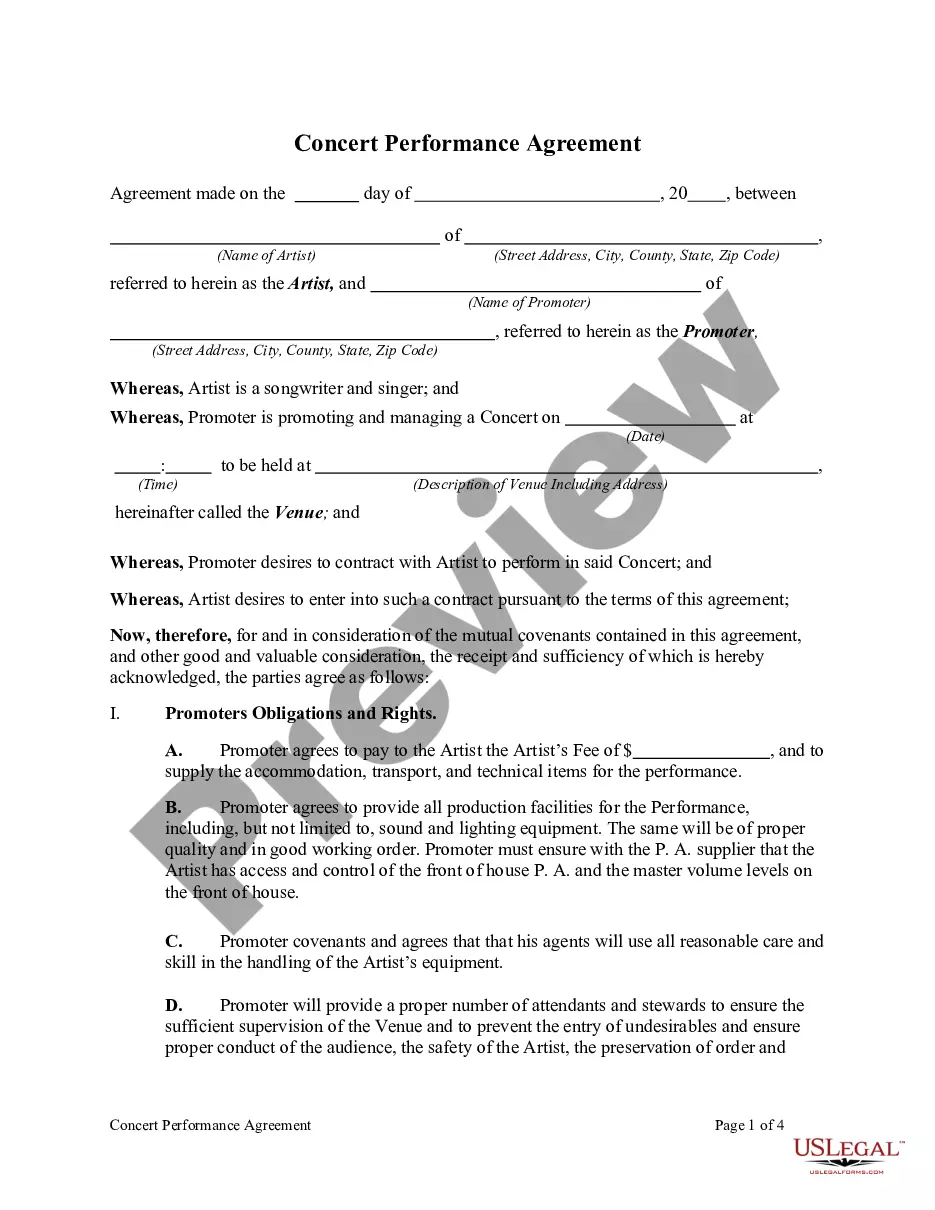
Lien Payoff Letter Template For Property In Michigan
Description
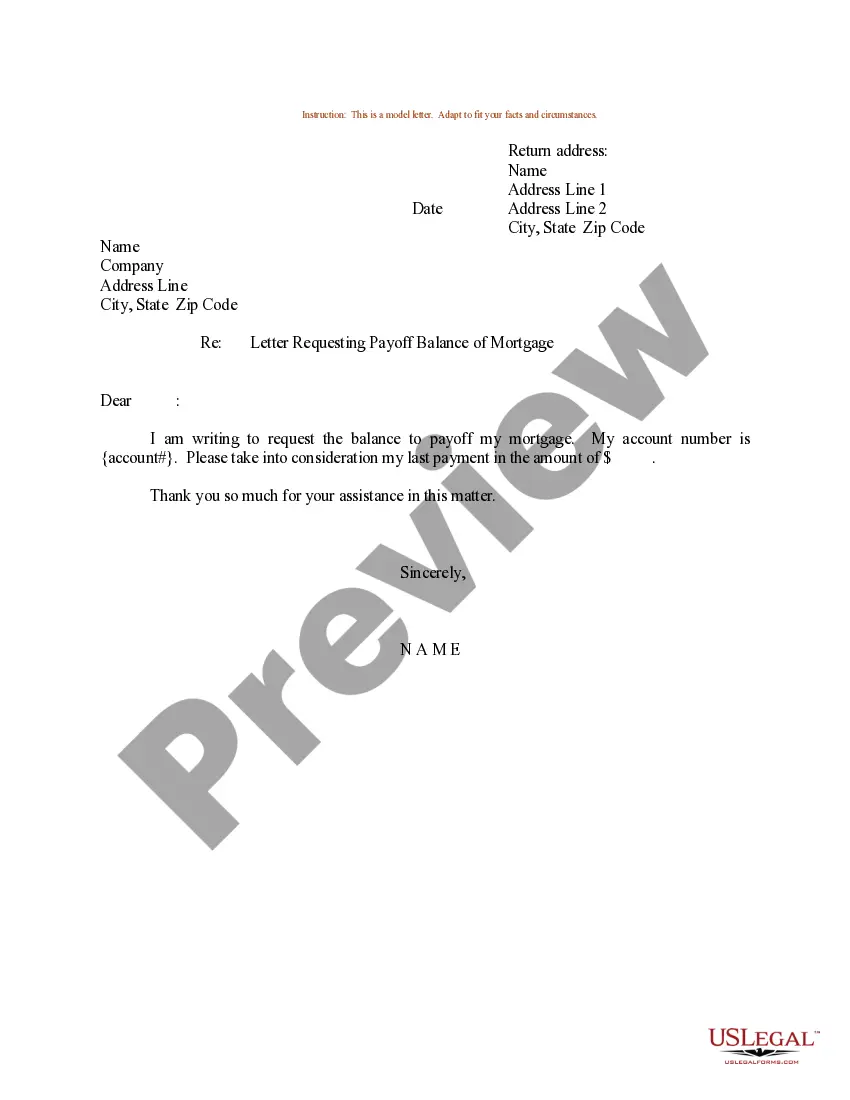
Get your form ready online
Our built-in tools help you complete, sign, share, and store your documents in one place.
Make edits, fill in missing information, and update formatting in US Legal Forms—just like you would in MS Word.
Download a copy, print it, send it by email, or mail it via USPS—whatever works best for your next step.
Sign and collect signatures with our SignNow integration. Send to multiple recipients, set reminders, and more. Go Premium to unlock E-Sign.
If this form requires notarization, complete it online through a secure video call—no need to meet a notary in person or wait for an appointment.
We protect your documents and personal data by following strict security and privacy standards.

Make edits, fill in missing information, and update formatting in US Legal Forms—just like you would in MS Word.

Download a copy, print it, send it by email, or mail it via USPS—whatever works best for your next step.

Sign and collect signatures with our SignNow integration. Send to multiple recipients, set reminders, and more. Go Premium to unlock E-Sign.

If this form requires notarization, complete it online through a secure video call—no need to meet a notary in person or wait for an appointment.

We protect your documents and personal data by following strict security and privacy standards.
Looking for another form?

Form popularity
FAQ
A payoff request allows a third party to receive the current balance due to release a lien or facilitate a business transfer (bulk sale transfer or liquor license). To release a lien or facilitate a bulk sale transfer, businesses must be in good standing to receive a payoff request.
A judgment lien in Oregon will remain attached to the debtor's property (even if the property changes hands) for ten years.
Michigan lien waivers do not require notarization, only signature by the claimant.
In Minnesota, an action to enforce a mechanics lien must be initiated within 1 year from the date of the lien claimant's last furnishing of labor or materials to the project. If a claimant records their lien close to Minnesota's 120-day filing deadline, they will have about 8 months to enforce the claim.
These states include: Arizona. California. Connecticut. Michigan. Nevada.
Do Michigan lien waivers need to be notarized? No, the Michigan statutory lien waiver forms do not require notarization in order to be valid, only a signature by the claimant or the claimant's authorized agent is required.
First, if no lawsuit is filed within a year, the homeowner can obtain a certificate from the circuit court clerk confirming that no lawsuit has been filed and the lien is removed by recording the clerk certificate with the register of deeds. The second way is through a bonding-off process.
Wyoming, Texas, and Mississippi are the only states that require a person signing a lien waiver to have it notarized. The notarization requirement does not apply in Washington and Oregon, the two states we primarily serve at Northwest Lien.
Common notification methods include sending multiple unpaid bills in the mail but these bills can be lost or not reach the appropriate person before a lien is placed. They can also arrive when the previous homeowner was at the property but cease by the time a new homeowner moves in.