Lien Release Letter For Property In Massachusetts
Description
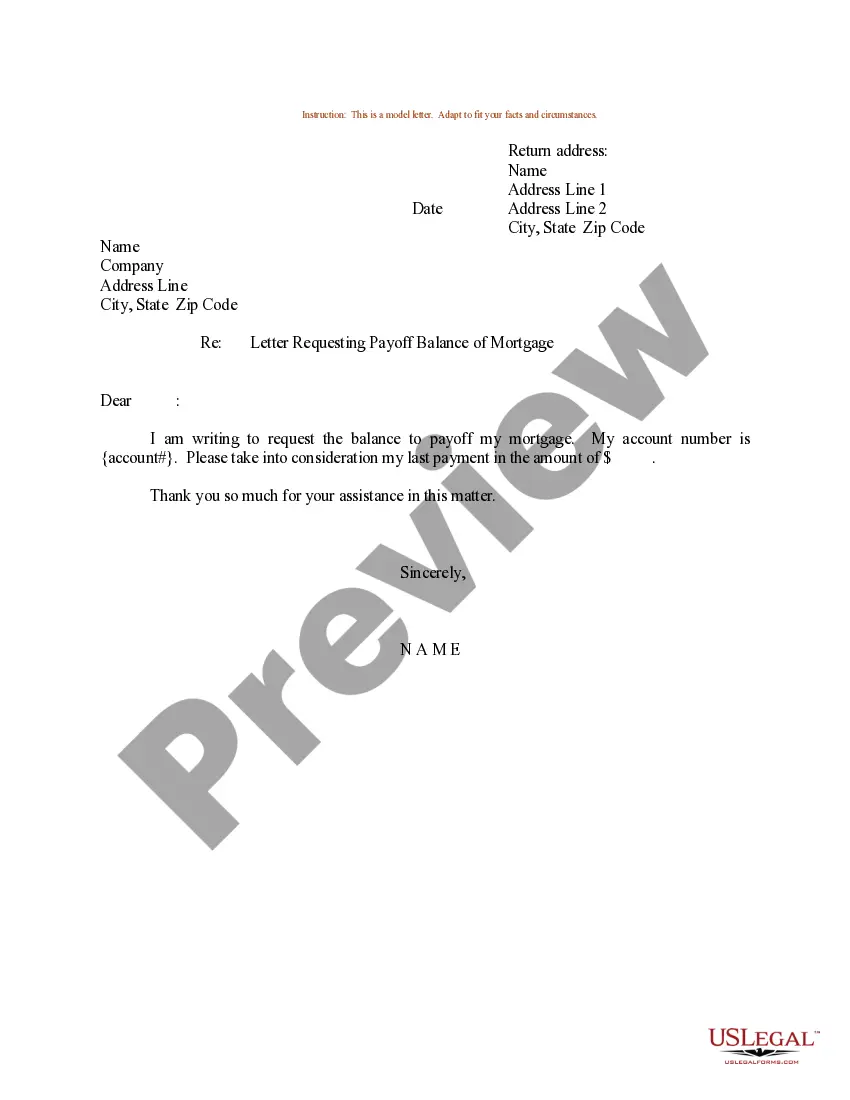
Get your form ready online
Our built-in tools help you complete, sign, share, and store your documents in one place.
Make edits, fill in missing information, and update formatting in US Legal Forms—just like you would in MS Word.
Download a copy, print it, send it by email, or mail it via USPS—whatever works best for your next step.
Sign and collect signatures with our SignNow integration. Send to multiple recipients, set reminders, and more. Go Premium to unlock E-Sign.
If this form requires notarization, complete it online through a secure video call—no need to meet a notary in person or wait for an appointment.
We protect your documents and personal data by following strict security and privacy standards.

Make edits, fill in missing information, and update formatting in US Legal Forms—just like you would in MS Word.

Download a copy, print it, send it by email, or mail it via USPS—whatever works best for your next step.

Sign and collect signatures with our SignNow integration. Send to multiple recipients, set reminders, and more. Go Premium to unlock E-Sign.

If this form requires notarization, complete it online through a secure video call—no need to meet a notary in person or wait for an appointment.

We protect your documents and personal data by following strict security and privacy standards.
Looking for another form?







Form popularity
FAQ
If the Internal Revenue Service (IRS) has placed a tax lien on your property, once you've satisfied the debt, the IRS should notify you that the lien has been removed. To do so, the IRS should send you a “Certificate of Release of Federal Tax Lien,” also known as Form 668(Z).
When all the liabilities shown on the Notice of Federal Tax Lien are satisfied, the IRS will issue a Certificate of Release of Federal Tax Lien for filing in the same location where the notice of lien was filed. If the IRS has not released the lien within 30 days, you can ask for a certificate of release.
Once the lien has been satisfied, the lienholder sends the RMV an electronic message to release the title. The RMV then prints and mails the title to the vehicle owner, or a third party if one has been designated by the lienholder.
A judgment lien in Massachusetts will remain attached to the debtor's property (even if the property changes hands) for 20 years (for liens on real estate) or 30 days (for liens on personal property).
If they are not timely renewed, they expire. In CA that is 10 years. However, when a judgment lien has been recorded against your property, it has no expiration date. This means that it is possible to no longer have a judgment against you, but still have a judgment lien on your property.
General Liens in Massachusetts A general lien on real estate entitles the creditor to the property until the owner pays off the applicable debts. This means that any property can be sold to clear the debt.
How long does a judgment lien last in Massachusetts? A judgment lien in Massachusetts will remain attached to the debtor's property (even if the property changes hands) for 20 years (for liens on real estate) or 30 days (for liens on personal property).
If you choose to submit your application through the mail or in person, you'll be the proud owner of a duplicate title for your vehicle in seven to ten business days. If you choose to apply online, you should receive your duplicate title in two business days.
