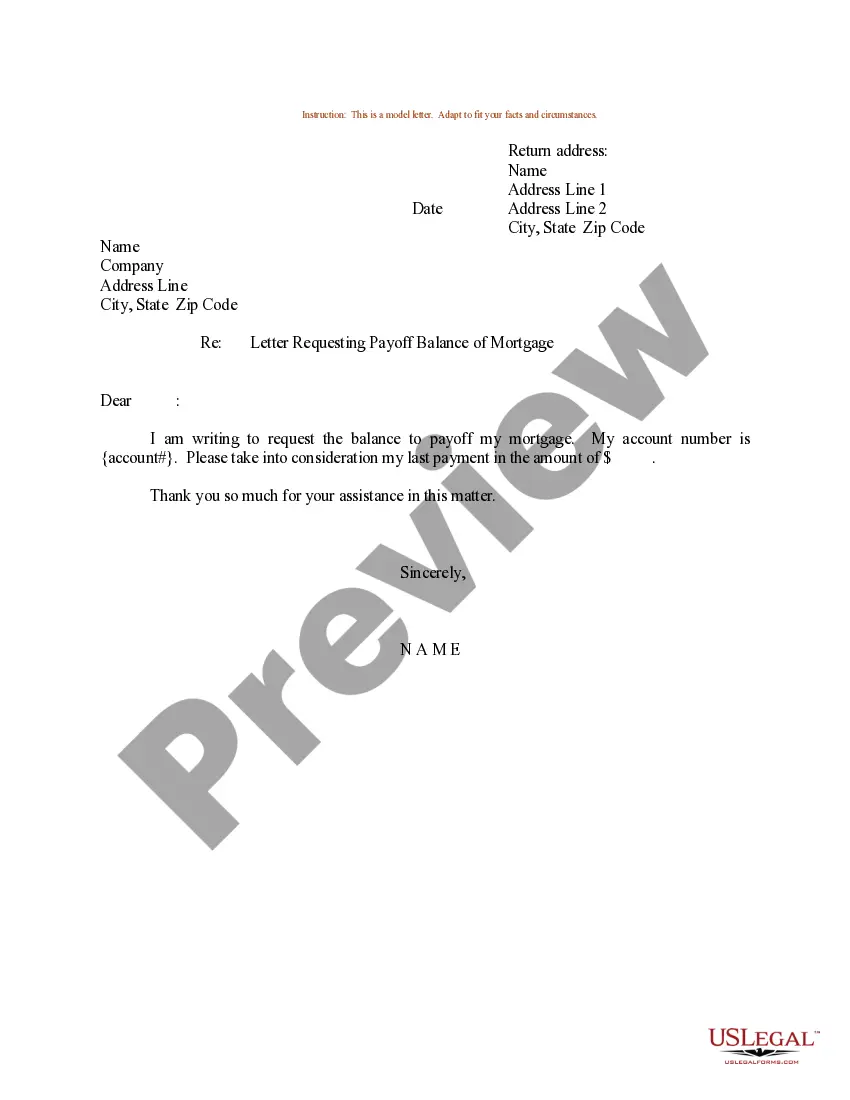
Payoff Statement Template With Loan In Maryland
Description
Get your form ready online
Our built-in tools help you complete, sign, share, and store your documents in one place.
Make edits, fill in missing information, and update formatting in US Legal Forms—just like you would in MS Word.
Download a copy, print it, send it by email, or mail it via USPS—whatever works best for your next step.
Sign and collect signatures with our SignNow integration. Send to multiple recipients, set reminders, and more. Go Premium to unlock E-Sign.
If this form requires notarization, complete it online through a secure video call—no need to meet a notary in person or wait for an appointment.
We protect your documents and personal data by following strict security and privacy standards.

Make edits, fill in missing information, and update formatting in US Legal Forms—just like you would in MS Word.

Download a copy, print it, send it by email, or mail it via USPS—whatever works best for your next step.

Sign and collect signatures with our SignNow integration. Send to multiple recipients, set reminders, and more. Go Premium to unlock E-Sign.

If this form requires notarization, complete it online through a secure video call—no need to meet a notary in person or wait for an appointment.

We protect your documents and personal data by following strict security and privacy standards.
Looking for another form?









Form popularity
FAQ
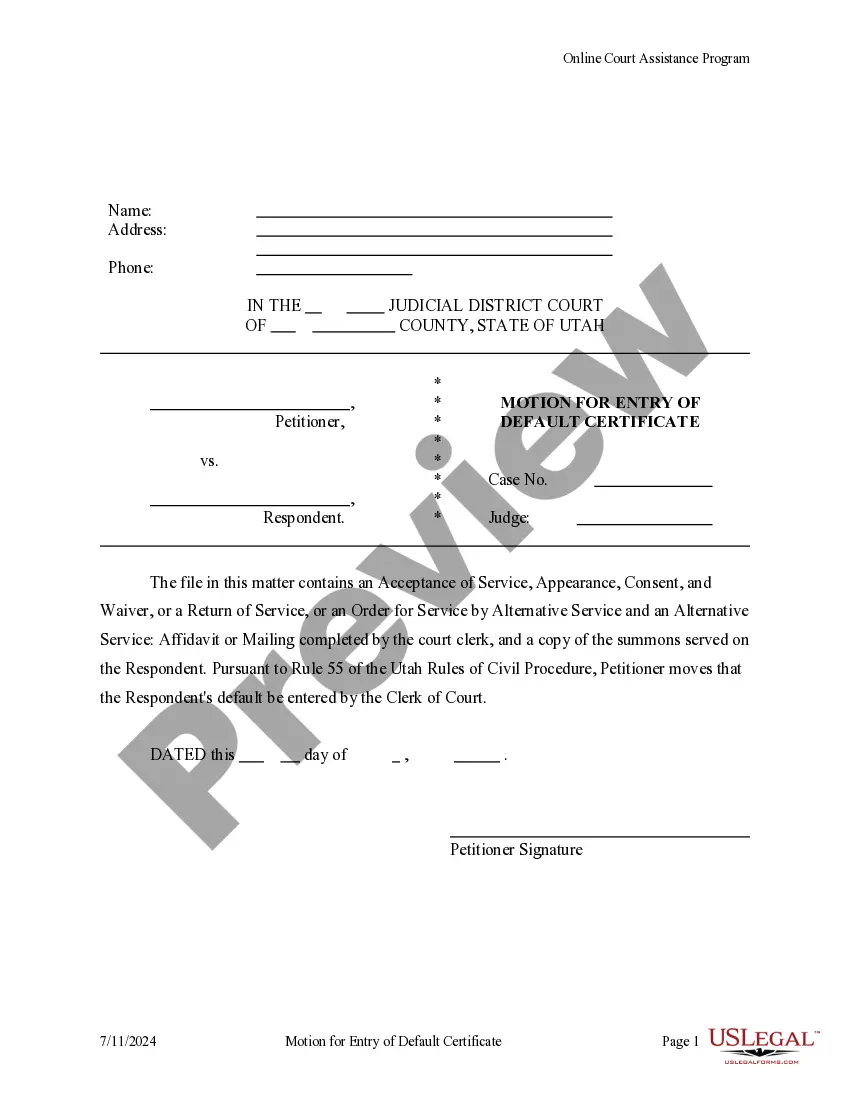
(c) A beneficiary, or his or her authorized agent, shall, on the written demand of an entitled person, or his or her authorized agent, prepare and deliver a payoff demand statement to the person demanding it within 21 days of the receipt of the demand.
First, you'll need to contact your lender and let them know you want the information. Depending on your lender, you may have to sign in to an online account, call a helpline, or send a formal letter to start the request process.
Most debt settlement letters include: The date, name, and address of the credit card company. A notation after the address that this is regarding a hardship letter. The credit card number and amount of the debt. A short statement of your financial situation, why you're in that situation, and why full payment is a hardship.
UCC documents can be recorded with the DC Office of the Recorder of Deeds.
UCCs are lien notice filings that are an essential component of financial/security agreements between parties (debtor and secured party). Once filed, UCCs are public records that may be searched by interested individuals.
In addition to filing with the state, the UCC is filed with the County office that holds the county real estate records for the property. Filings for ownership entities are made in the state where the entity is registered. Filings for individuals are made in the state in which the individual resides.
The filing should be made with the circuit court clerk for the county in which the real property is located.
The Uniform Commercial Code (UCC) provides a central location in Maryland for filing a public notice of a secured transaction. This central filing office is the State Department of Assessments and Taxation. This notice, called a financing statement, indicates a commercial agreement between a debtor and a secured party.
The payment of a salary, debt, wager, etc. the time at which such payment is made. the consequence, outcome, or final sequence in a series of events, actions, or circumstances: The payoff was when they fired him.
TILA requires that a mortgage lender or servicer send ''an accurate payoff balance within a reasonable time, but in no case more than seven business days'' after receiving the borrower's request. 15 U.S.C. § 1639g.

