Letter Payoff Loan With 401k In Illinois
Description
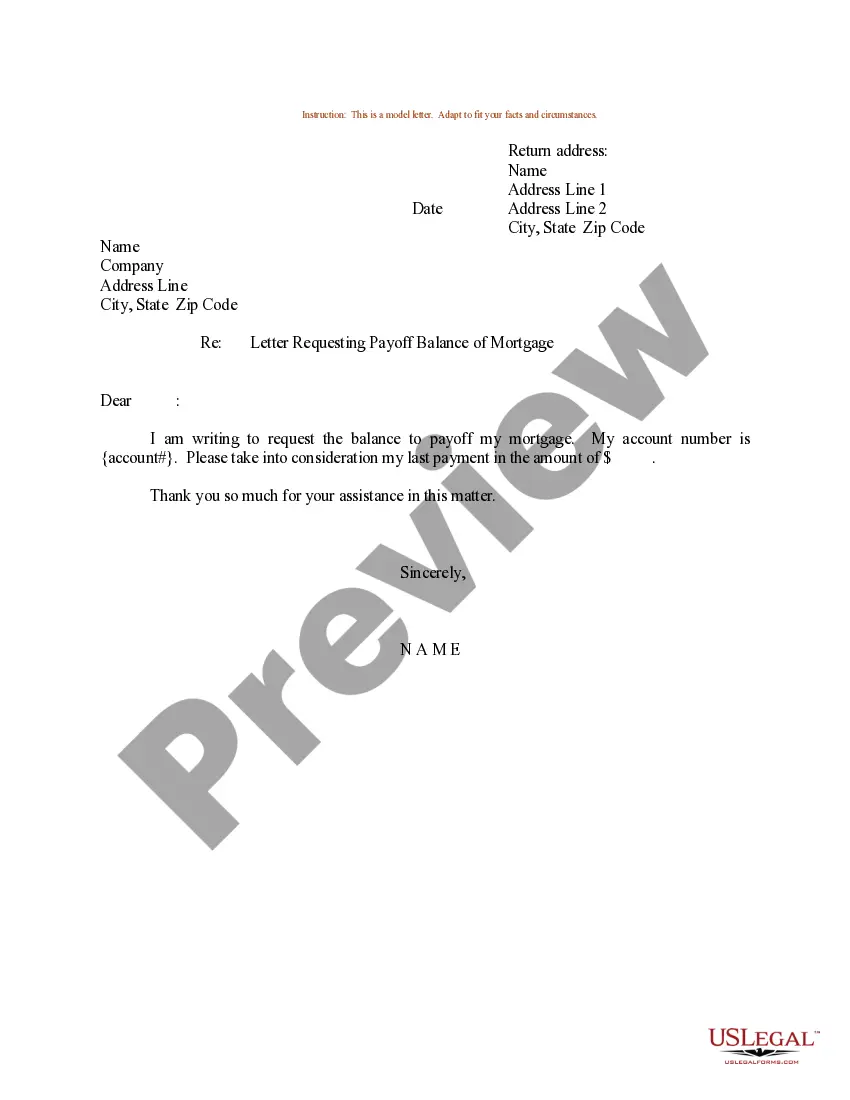
Get your form ready online
Our built-in tools help you complete, sign, share, and store your documents in one place.
Make edits, fill in missing information, and update formatting in US Legal Forms—just like you would in MS Word.
Download a copy, print it, send it by email, or mail it via USPS—whatever works best for your next step.
Sign and collect signatures with our SignNow integration. Send to multiple recipients, set reminders, and more. Go Premium to unlock E-Sign.
If this form requires notarization, complete it online through a secure video call—no need to meet a notary in person or wait for an appointment.
We protect your documents and personal data by following strict security and privacy standards.

Make edits, fill in missing information, and update formatting in US Legal Forms—just like you would in MS Word.

Download a copy, print it, send it by email, or mail it via USPS—whatever works best for your next step.

Sign and collect signatures with our SignNow integration. Send to multiple recipients, set reminders, and more. Go Premium to unlock E-Sign.

If this form requires notarization, complete it online through a secure video call—no need to meet a notary in person or wait for an appointment.

We protect your documents and personal data by following strict security and privacy standards.
Looking for another form?






Form popularity
FAQ
As mentioned, hardship distributions may not be subject to the 10% early withdrawal penalty, assuming your financial need qualifies. (Of course, if you're over 59½, this wouldn't apply.) You aren't allowed to repay the sum you withdraw and can't roll any unused funds over into an IRA.
Early withdrawals from a 401(k) account can be expensive. Generally, if you take a distribution from a 401(k) before age 59½, you will likely owe: Federal income tax (taxed at your marginal tax rate). A 10% penalty on the amount that you withdraw.
401(k) loans don't require approval from a third-party lender. As a result, they don't trigger a credit check and won't appear on your credit reports or alter your credit scores.
The maximum amount a participant may borrow from his or her plan is 50% of his or her vested account balance or $50,000, whichever is less. An exception to this limit is if 50% of the vested account balance is less than $10,000: in such case, the participant may borrow up to $10,000.
