Loan Payoff Form With Guarantor In Houston
Description
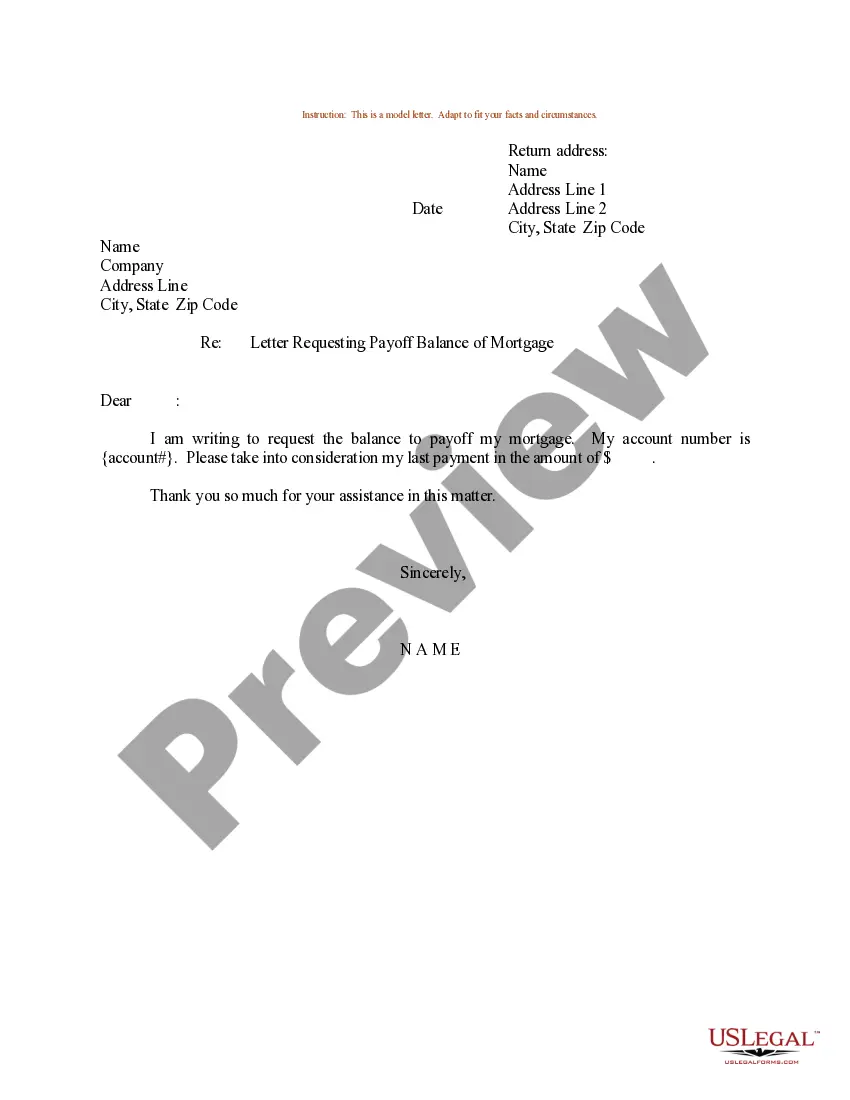
Get your form ready online
Our built-in tools help you complete, sign, share, and store your documents in one place.
Make edits, fill in missing information, and update formatting in US Legal Forms—just like you would in MS Word.
Download a copy, print it, send it by email, or mail it via USPS—whatever works best for your next step.
Sign and collect signatures with our SignNow integration. Send to multiple recipients, set reminders, and more. Go Premium to unlock E-Sign.
If this form requires notarization, complete it online through a secure video call—no need to meet a notary in person or wait for an appointment.
We protect your documents and personal data by following strict security and privacy standards.

Make edits, fill in missing information, and update formatting in US Legal Forms—just like you would in MS Word.

Download a copy, print it, send it by email, or mail it via USPS—whatever works best for your next step.

Sign and collect signatures with our SignNow integration. Send to multiple recipients, set reminders, and more. Go Premium to unlock E-Sign.

If this form requires notarization, complete it online through a secure video call—no need to meet a notary in person or wait for an appointment.

We protect your documents and personal data by following strict security and privacy standards.
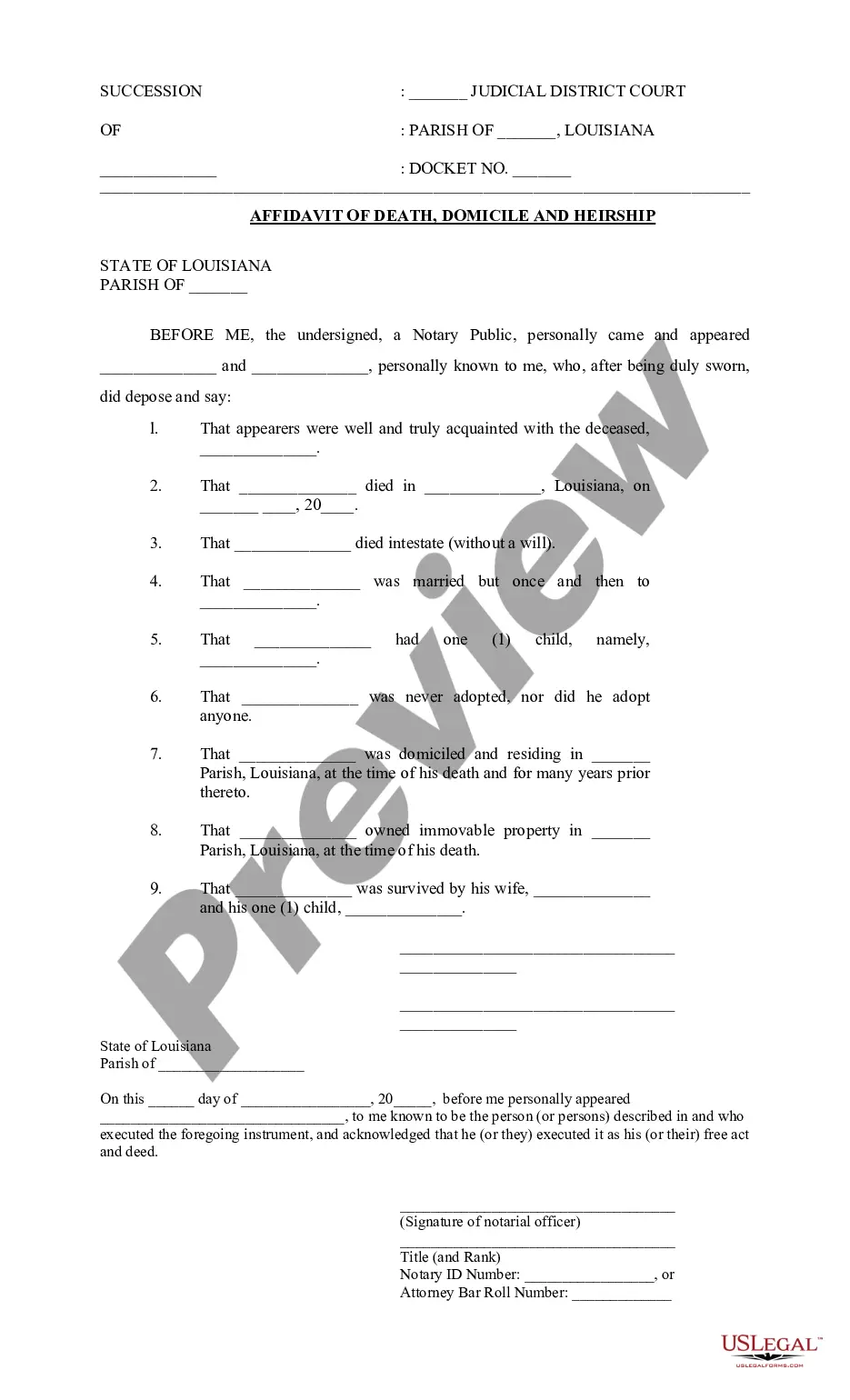
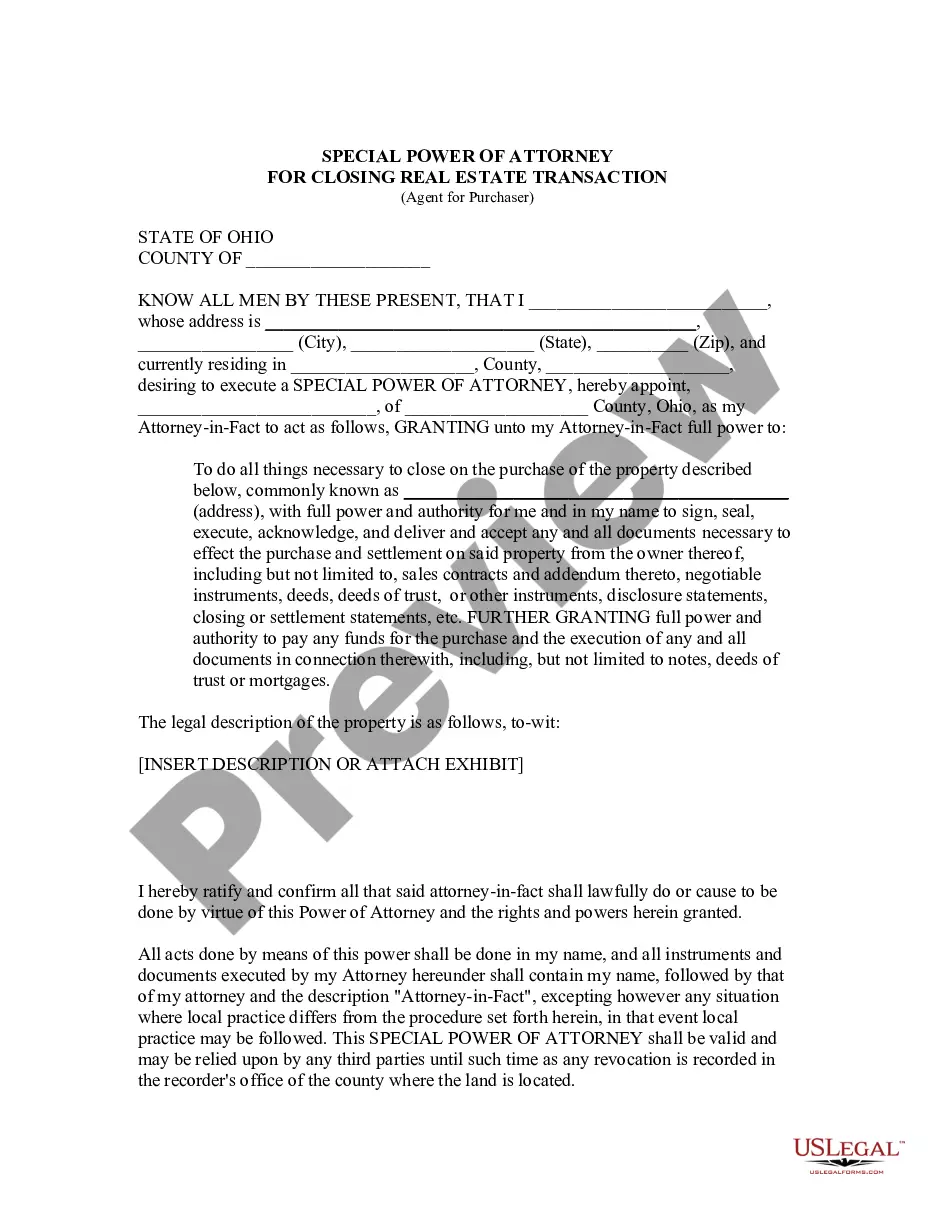
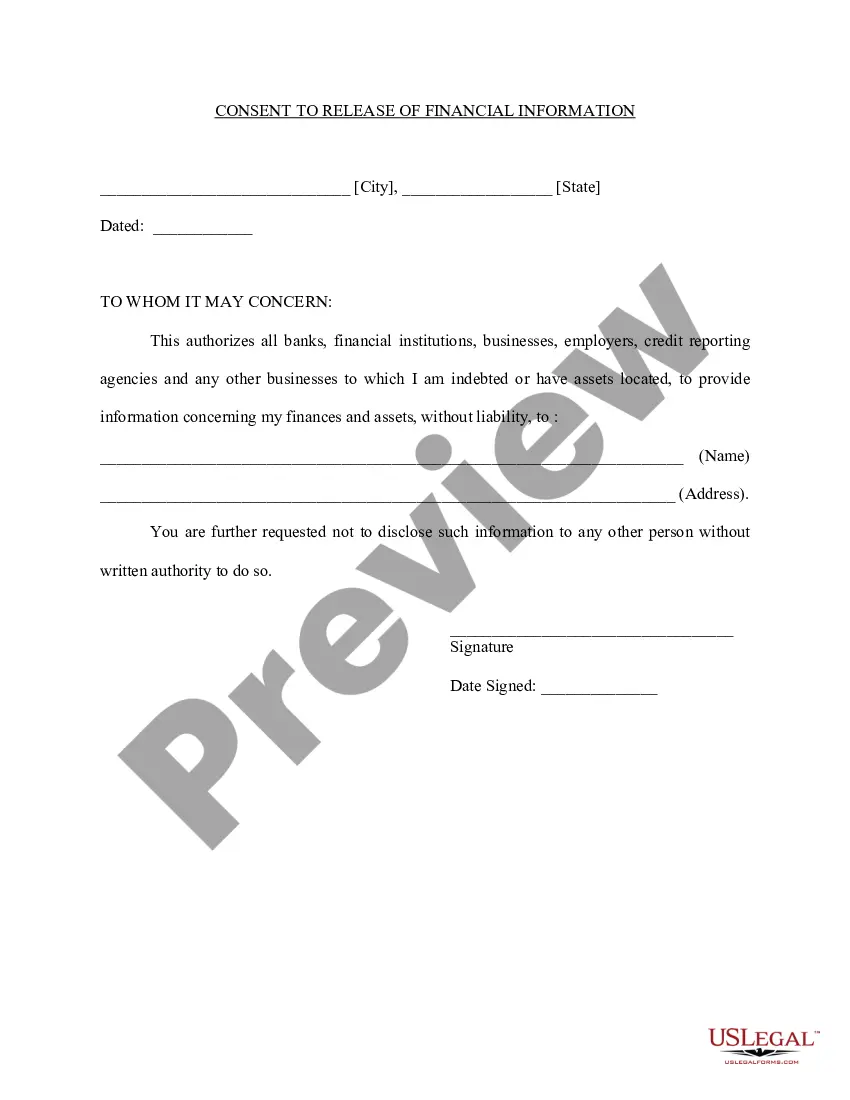
Looking for another form?






Form popularity
FAQ
Steps to follow if you want to withdraw as a guarantor Communicate with the borrower: Discuss your decision with the borrower. Contact the lender: Write a formal request to the lender, explaining your wish to withdraw as a guarantor.
If you are a guarantor and no longer wish to be, you must obtain the consent or agreement from the landlord before you will be released from your liabilities, which, if the rent is in arrears, the landlord is unlikely to agree to.
Landlords often have stricter income-related criteria for guarantors compared to regular tenants. Typically, a guarantor is expected to have a credit score of at least 700 and an annual income of 80-100 times the monthly rent, even if they have significant assets.
Income: Guarantors need to have a much higher income than what is needed for the tenant to qualify. This is usually about 80-100 times the monthly rent.
You can still rent the apartment even if you don't make 3 times the rent with your income. Not all landlords are following this rule, and in some places, it is even illegal to ask about 3x the rent.
Financial Requirements Income: Guarantors need to have a much higher income than what is needed for the tenant to qualify. This is usually about 80-100 times the monthly rent. For example, if the rent is $1,500 a month, the guarantor might need to earn at least $120,000 a year.
A: Yes, even with a cosigner, a tenant will usually still need proof of income. Proof of sufficient income is also required for both a cosigner and a guarantor. Landlords will typically consider everyone's income when choosing the best tenant for their rental property.
