Mortgage Payoff Form With Extra Payment Calculator In Georgia
Description
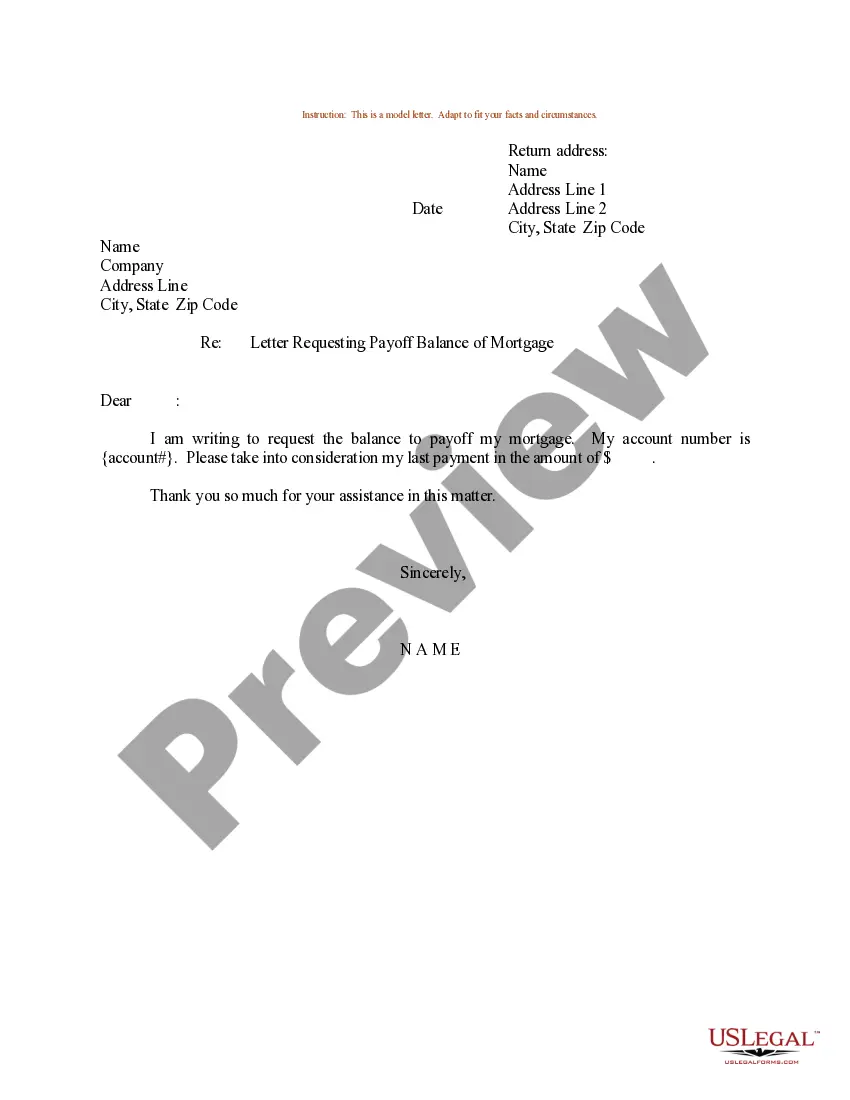
Get your form ready online
Our built-in tools help you complete, sign, share, and store your documents in one place.
Make edits, fill in missing information, and update formatting in US Legal Forms—just like you would in MS Word.
Download a copy, print it, send it by email, or mail it via USPS—whatever works best for your next step.
Sign and collect signatures with our SignNow integration. Send to multiple recipients, set reminders, and more. Go Premium to unlock E-Sign.
If this form requires notarization, complete it online through a secure video call—no need to meet a notary in person or wait for an appointment.
We protect your documents and personal data by following strict security and privacy standards.

Make edits, fill in missing information, and update formatting in US Legal Forms—just like you would in MS Word.

Download a copy, print it, send it by email, or mail it via USPS—whatever works best for your next step.

Sign and collect signatures with our SignNow integration. Send to multiple recipients, set reminders, and more. Go Premium to unlock E-Sign.

If this form requires notarization, complete it online through a secure video call—no need to meet a notary in person or wait for an appointment.

We protect your documents and personal data by following strict security and privacy standards.
Looking for another form?
Form popularity
FAQ
The simple rule of thumb is: KEY RULE: If your mortgage rate is around the same, or higher than your savings rate, then it makes sense to overpay... That's because when it comes to savings, the reverse isn't automatically true. A higher savings rate could beat overpaying your mortgage, but it won't always.
2% of your repayment. Let's say you're paying on a weekly or monthly basis. Let's say monthly basis you're paying roughly $2000. If you add extra 2% under $2000, that 2% extra can save you 14 to 15 years on interest.
When you make a lump-sum payment on your mortgage, your lender usually applies it to your principal. In other words, your mortgage balance will go down, but your payment amount and due dates won't change.
When you make a lump-sum payment on your mortgage, your lender usually applies it to your principal. In other words, your mortgage balance will go down, but your payment amount and due dates won't change.
When you make a lump-sum payment on your mortgage, your lender usually applies it to your principal. In other words, your mortgage balance will go down, but your payment amount and due dates won't change.
