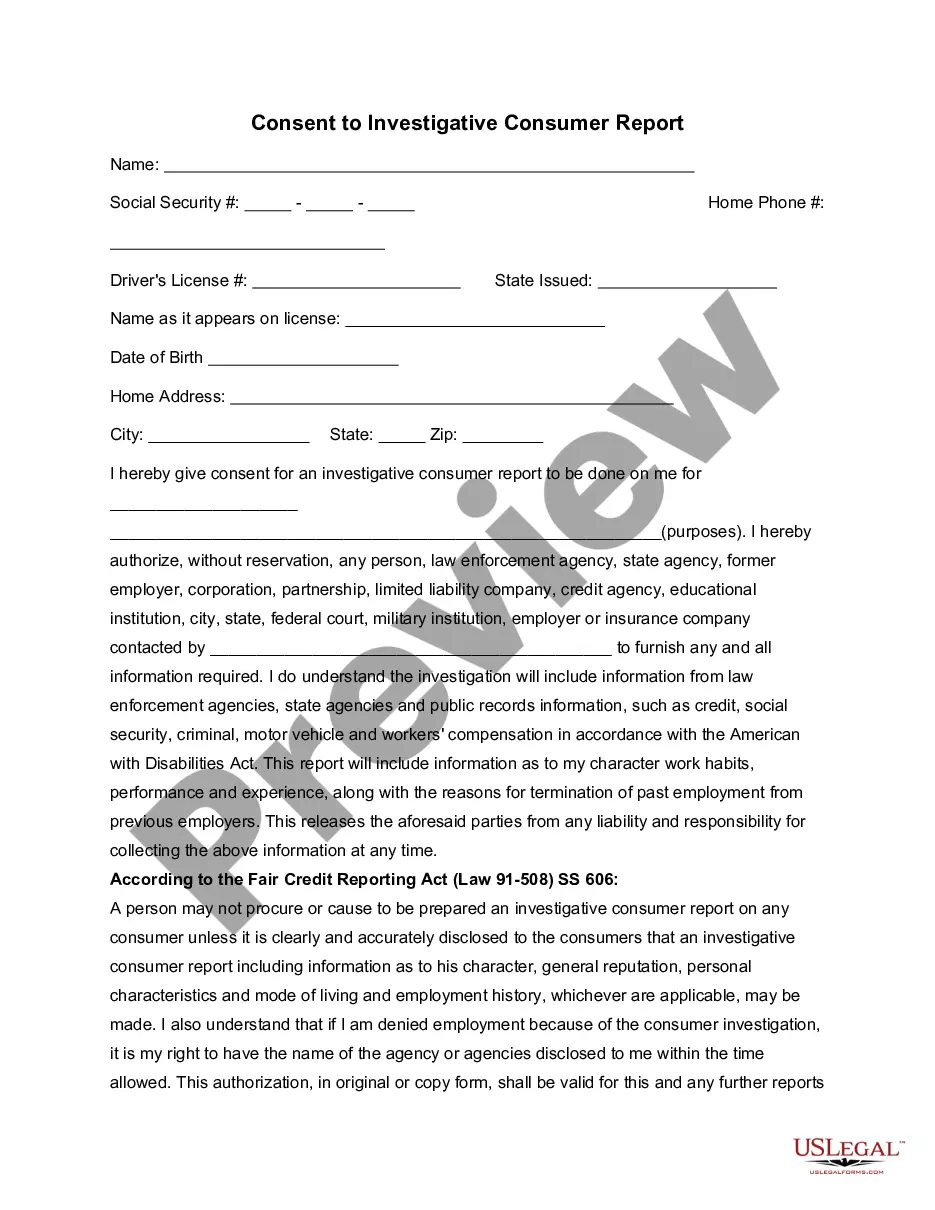
Sample Letter To Mortgage Company Explaining Gap In Employment In Florida
Description

Get your form ready online
Our built-in tools help you complete, sign, share, and store your documents in one place.
Make edits, fill in missing information, and update formatting in US Legal Forms—just like you would in MS Word.
Download a copy, print it, send it by email, or mail it via USPS—whatever works best for your next step.
Sign and collect signatures with our SignNow integration. Send to multiple recipients, set reminders, and more. Go Premium to unlock E-Sign.
If this form requires notarization, complete it online through a secure video call—no need to meet a notary in person or wait for an appointment.
We protect your documents and personal data by following strict security and privacy standards.

Make edits, fill in missing information, and update formatting in US Legal Forms—just like you would in MS Word.

Download a copy, print it, send it by email, or mail it via USPS—whatever works best for your next step.

Sign and collect signatures with our SignNow integration. Send to multiple recipients, set reminders, and more. Go Premium to unlock E-Sign.

If this form requires notarization, complete it online through a secure video call—no need to meet a notary in person or wait for an appointment.

We protect your documents and personal data by following strict security and privacy standards.
Looking for another form?




Form popularity
FAQ
Ask your lender. When we bought a house I had a bunch of employment gaps. Be honest and up front. Simply just ask ``I have a history of inconsistent employment, I'd this going to be a problem?''
Highlight any skills you developed during the gap, such as volunteering, freelancing, or personal projects. Focus on what you learned or how you stayed productive during your time off to help shift the narrative away from the gap itself.
To begin writing this type of letter, you might explain the situation or circumstance and any contributing factors. Consider including information to answer questions like: What happened? How did it happen?
Tips for writing a letter of explanation Provide all details the best you can, including correct dates and dollar amounts. Explain how and when all situations were resolved. If they are not resolved, explain that as well. Detail why problems won't happen again.
How to Write a Hardship Letter Explain Your Hardship. Provide Documentation to Back Up Your Claim. List Steps You've Taken to Alleviate Your Financial Burden. Clearly State Your Request. State Your Commitment to Paying Your Debt.
Highlight any skills you developed during the gap, such as volunteering, freelancing, or personal projects. Focus on what you learned or how you stayed productive during your time off to help shift the narrative away from the gap itself.
To qualify for a mortgage, lenders typically look for at least two years of steady employment in the same field or a similar job. However, the specific requirements can vary based on the lender, the type of mortgage, and your overall financial situation. Here are some general guidelines:
Letter of Explanation Template Provide all details the best you can, including correct dates and dollar amounts. Explain how and when all situations were resolved. If they are not resolved, explain that as well. Detail why problems won't happen again.
The most successful excuses for resume gaps statistically include personal health reasons, caregiving responsibilities, pursuing further education or training, and reevaluating career goals. When addressing gaps, be honest and concise, emphasizing any relevant skills or experiences gained during the gap period.