Payoff Letter For Promissory Note In Contra Costa
Description

Get your form ready online
Our built-in tools help you complete, sign, share, and store your documents in one place.
Make edits, fill in missing information, and update formatting in US Legal Forms—just like you would in MS Word.
Download a copy, print it, send it by email, or mail it via USPS—whatever works best for your next step.
Sign and collect signatures with our SignNow integration. Send to multiple recipients, set reminders, and more. Go Premium to unlock E-Sign.
If this form requires notarization, complete it online through a secure video call—no need to meet a notary in person or wait for an appointment.
We protect your documents and personal data by following strict security and privacy standards.

Make edits, fill in missing information, and update formatting in US Legal Forms—just like you would in MS Word.

Download a copy, print it, send it by email, or mail it via USPS—whatever works best for your next step.

Sign and collect signatures with our SignNow integration. Send to multiple recipients, set reminders, and more. Go Premium to unlock E-Sign.

If this form requires notarization, complete it online through a secure video call—no need to meet a notary in person or wait for an appointment.

We protect your documents and personal data by following strict security and privacy standards.
Looking for another form?

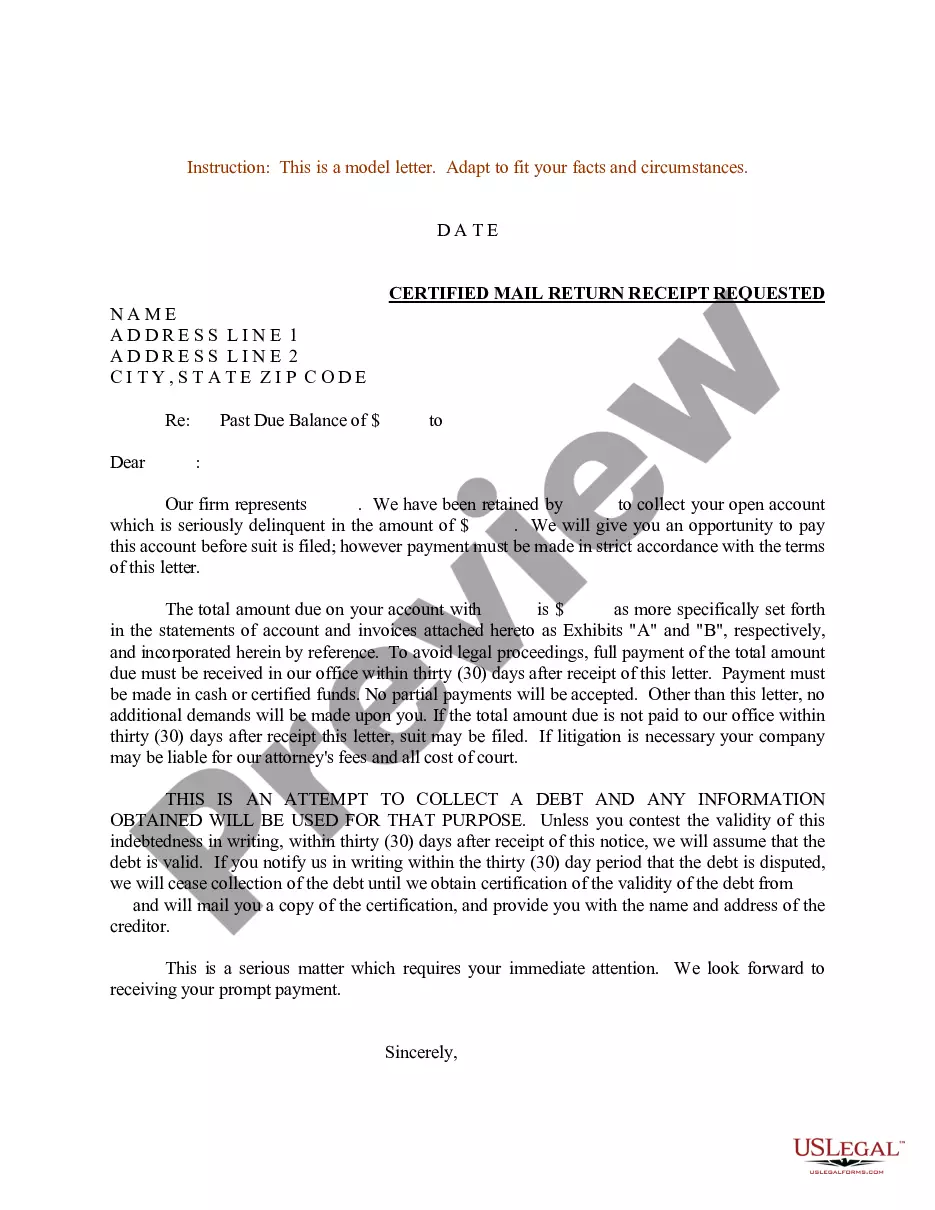
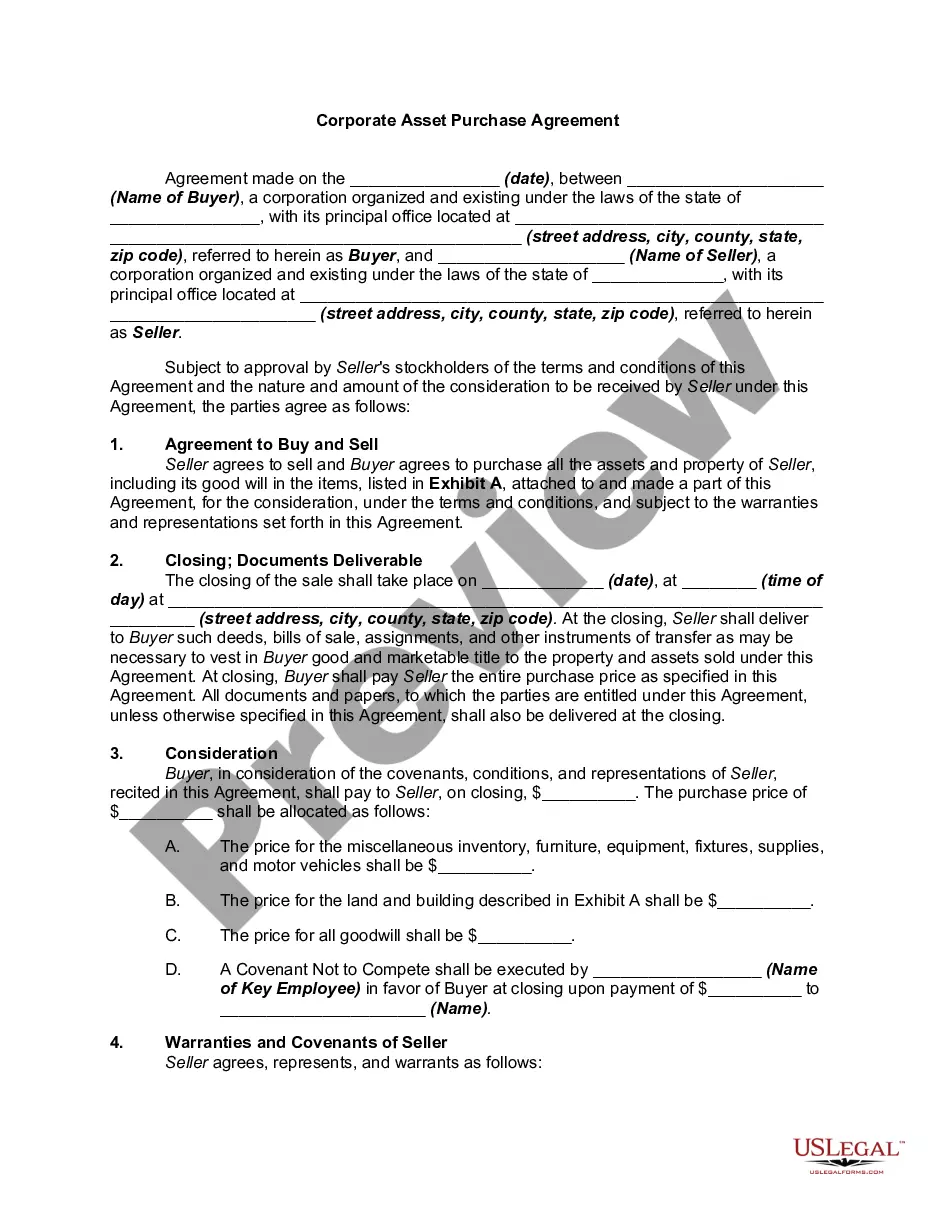

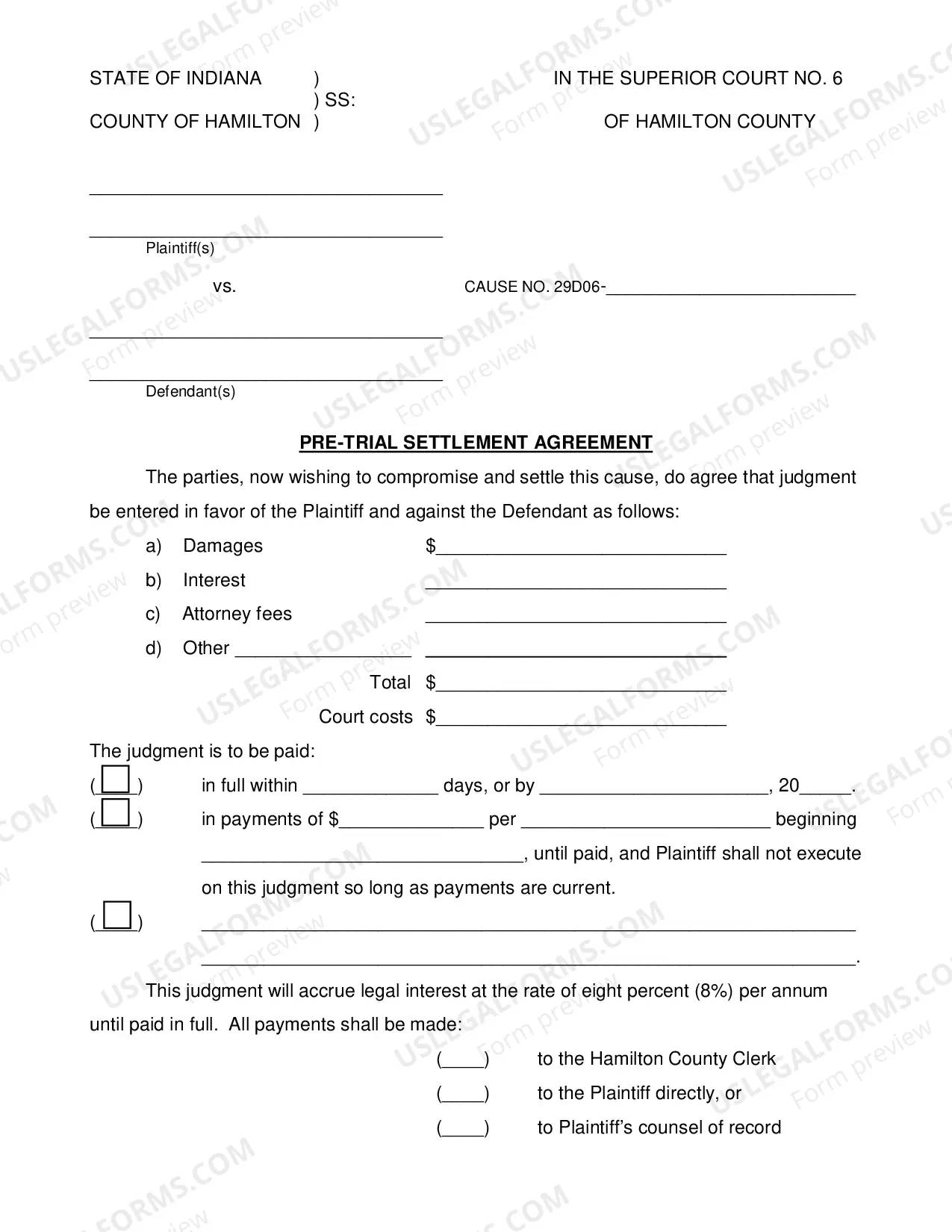
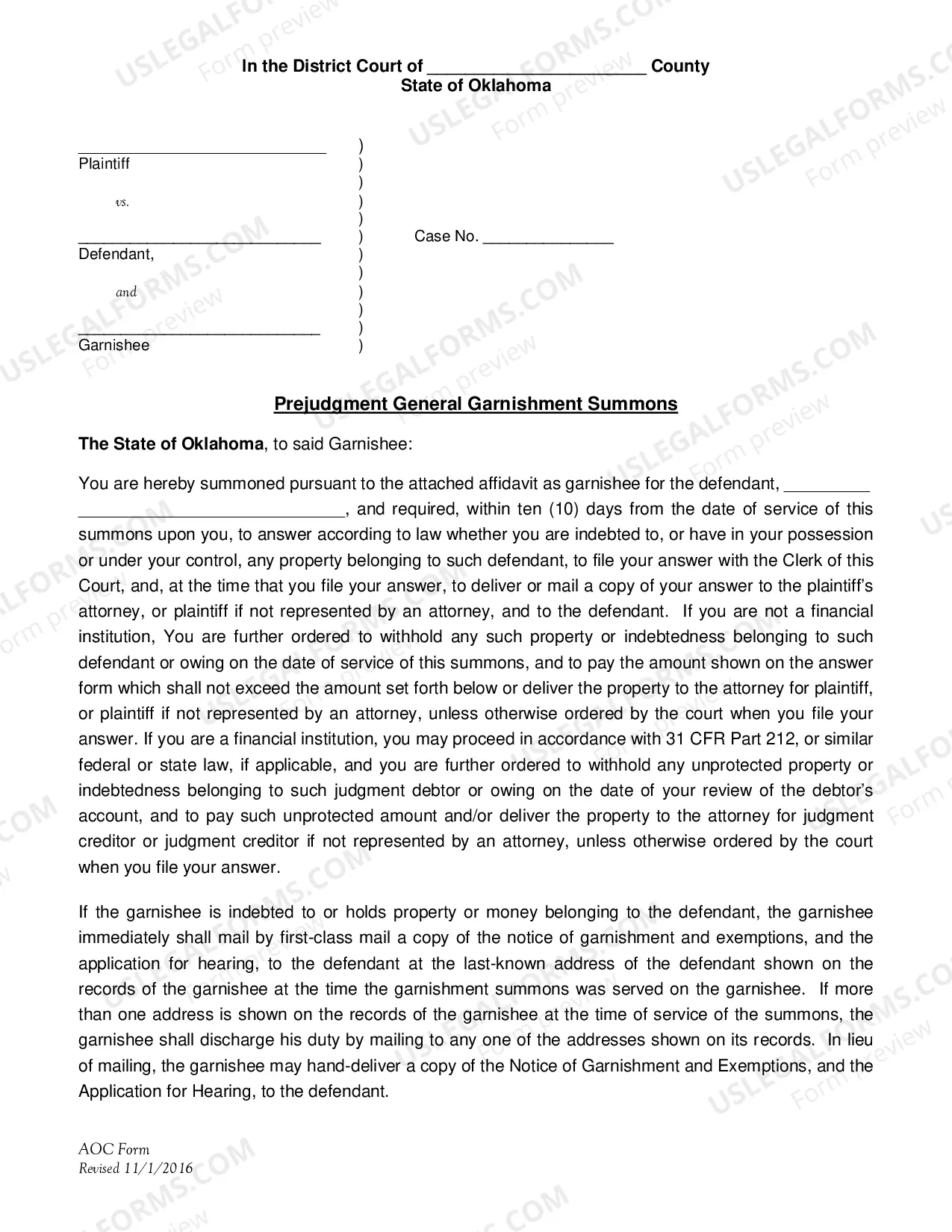

Form popularity
FAQ
No uniform timeframe exists between sending the demand letter and arriving at a settlement. In addition to the insurance company's review, there will be negotiations between the insurance company and your attorney, and those can take a long time. You can count on the process taking more than two months.
(10-Day Demand Letter) (When a person is given permission to operate a motor vehicle for any reason, but refuses to return it.) The DALLAS COUNTY DISTRICT ATTORNEY'S OFFICE mandates, the following procedure MUST be taken to confirm the offender has been officially notified to return the vehicle and declines to do so.
Your letter must clearly identify all involved parties and their relationship to the dispute. Include your full name, your status (such as customer, patient, or tenant), and the complete legal name and location of the recipient. In cases involving businesses, ensure you're addressing the correct legal entity.
Frequently Asked Questions (FAQ) Type your letter. Concisely review the main facts. Be polite. Write with your goal in mind. Ask for exactly what you want. Set a deadline. End the letter by stating you will promptly pursue legal remedies if the other party does not meet your demand. Make and keep copies.
Don't forget legal requirements. Maintain a polite, neutral tone. Outline the facts clearly. Explain the costs or "damages" you've incurred. Make your total demand explicit. Ask for more than you want to allow for negotiation. Specify a response deadline. Explain what you will do if the demand isn't met.
Frequently Asked Questions (FAQ) Type your letter. Concisely review the main facts. Be polite. Write with your goal in mind. Ask for exactly what you want. Set a deadline. End the letter by stating you will promptly pursue legal remedies if the other party does not meet your demand. Make and keep copies.
Notes are actually just a form of contract and the essential rules of contract apply to Notes. Thus, the Note must be unambiguous, there must be "consideration," the parties must be competent to execute the contract, and all the other requirements imposed upon an agreement under California contract law apply.
Cons of a promissory note Limited legal recourse: While a promissory note is a legal document, enforcing repayment can be challenging if the borrower defaults. Interest costs: If the promissory note includes interest terms, the borrower will incur additional costs.
This is a misconception. Under Philippine law, the absence of notarization does not invalidate a promissory note or a contract. If all essential requisites of a valid contract are present—consent, object, and cause—then the note is valid.

