Mortgage Payoff Form With 2 Points In California
Description
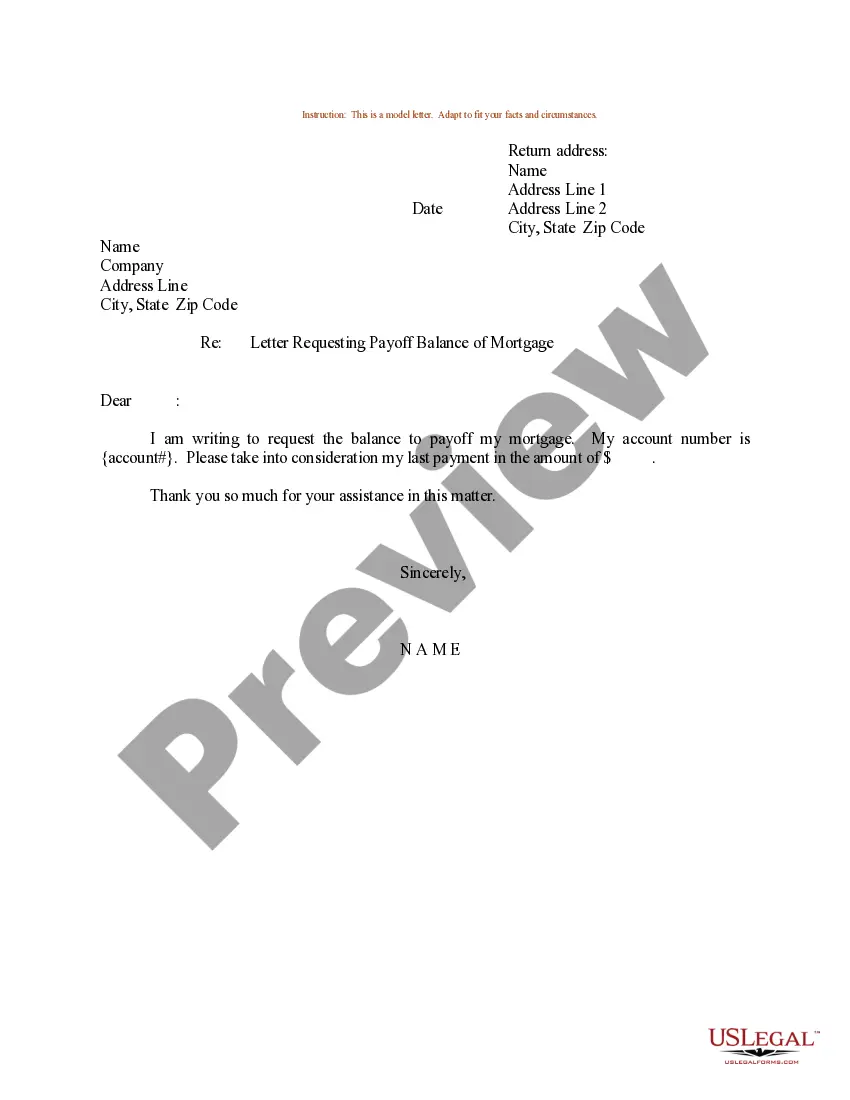
Get your form ready online
Our built-in tools help you complete, sign, share, and store your documents in one place.
Make edits, fill in missing information, and update formatting in US Legal Forms—just like you would in MS Word.
Download a copy, print it, send it by email, or mail it via USPS—whatever works best for your next step.
Sign and collect signatures with our SignNow integration. Send to multiple recipients, set reminders, and more. Go Premium to unlock E-Sign.
If this form requires notarization, complete it online through a secure video call—no need to meet a notary in person or wait for an appointment.
We protect your documents and personal data by following strict security and privacy standards.

Make edits, fill in missing information, and update formatting in US Legal Forms—just like you would in MS Word.

Download a copy, print it, send it by email, or mail it via USPS—whatever works best for your next step.

Sign and collect signatures with our SignNow integration. Send to multiple recipients, set reminders, and more. Go Premium to unlock E-Sign.

If this form requires notarization, complete it online through a secure video call—no need to meet a notary in person or wait for an appointment.

We protect your documents and personal data by following strict security and privacy standards.
Looking for another form?






Form popularity
FAQ
There's a process to getting the mortgage payoff statement. First, you'll need to contact your lender and let them know you want the information. Depending on your lender, you may have to sign in to an online account, call a helpline, or send a formal letter to start the request process.
Once the settlement date has been decided, we calculate your settlement figure by taking the current capital element of the balance outstanding, adding the interest due up to the agreed settlement date, plus one month's additional interest (as outlined above).
The payoff amount will almost always be higher than your statement balance because of interest.
In most cases, you can deduct all of your home mortgage interest. How much you can deduct depends on the date of the mortgage, the amount of the mortgage, and how you use the mortgage proceeds.
The Internal Revenue Code allows homeowners to claim an interest deduction from their home purchases. California allows folks to write-off all of their mortgage interest payments from their taxable income.
There's a process to getting the mortgage payoff statement. First, you'll need to contact your lender and let them know you want the information. Depending on your lender, you may have to sign in to an online account, call a helpline, or send a formal letter to start the request process.
The Homeowners' Exemption reduces your property taxes by deducting $7,000 from your property's assessed value before applying the tax rate, and given the one percent statewide property tax rate, this generally equates to $70 in property tax savings.
Any remitter (individual, business entity, trust, estate, or REEP) who withheld on the sale/transfer of California real property must file Form 593 to report the amount withheld. If this is an installment sale payment after escrow closed, the buyer/transferee is the responsible person.
Under federal law, the servicer must generally send you a payoff statement within seven business days of your request, subject to a few exceptions. (12 C.F.R. § 1026.36.)
To view the payoff for your mortgage using online banking Select your mortgage account, then select Request payoff quote. Choose the day you'd like the payoff through, then select Request payoff quote. Note: The payoff quote is valid only through the date selected. Choose how you'd like to receive the quote.
