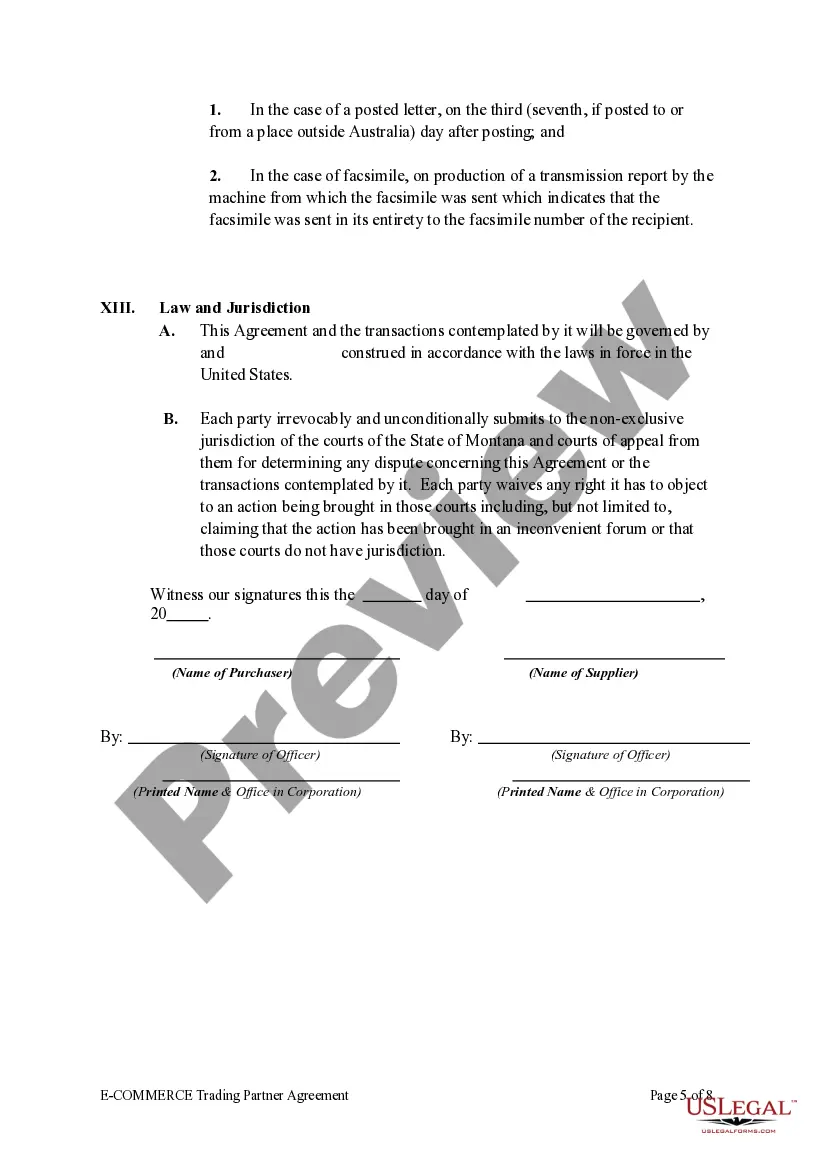
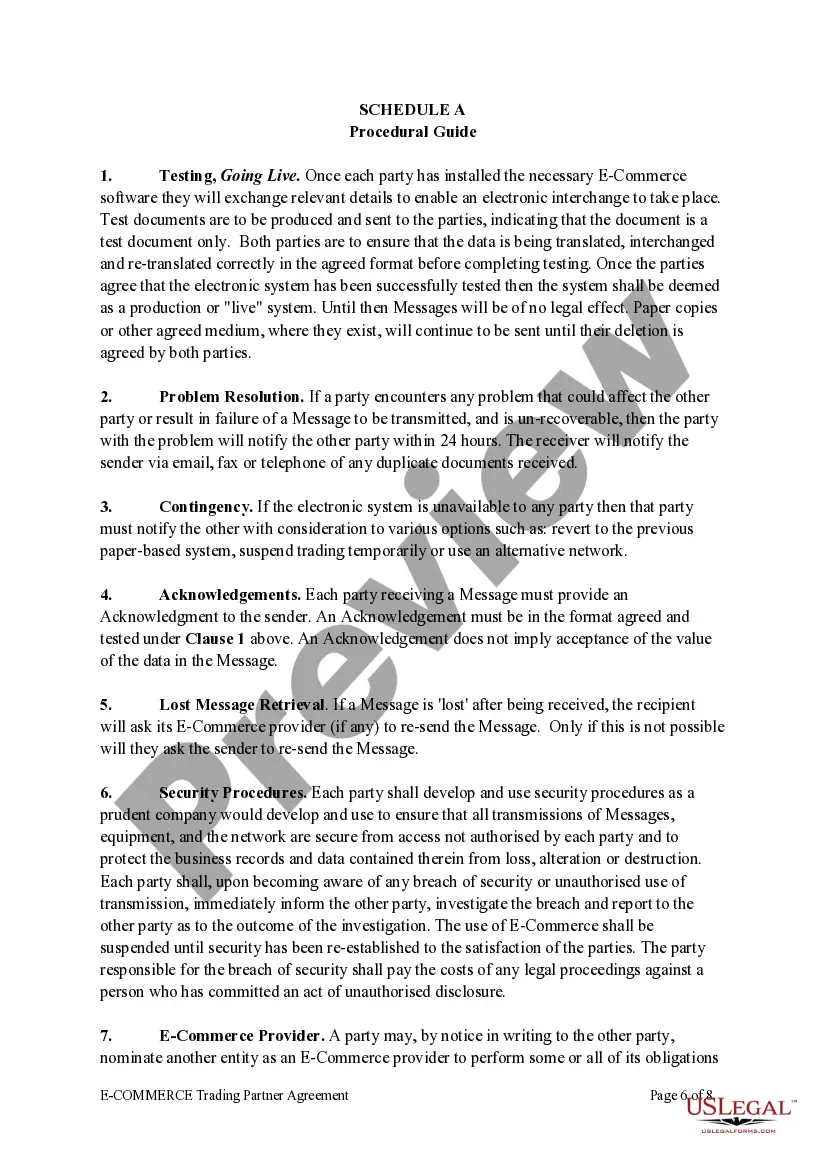
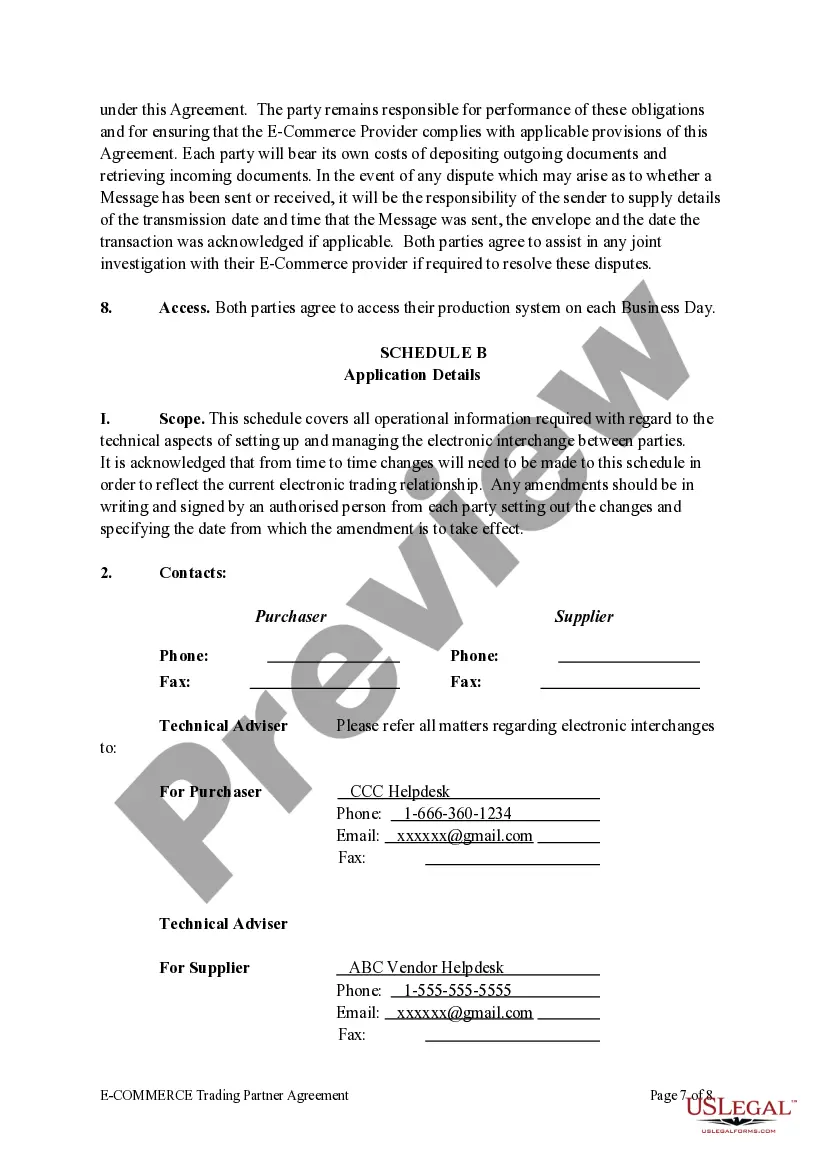
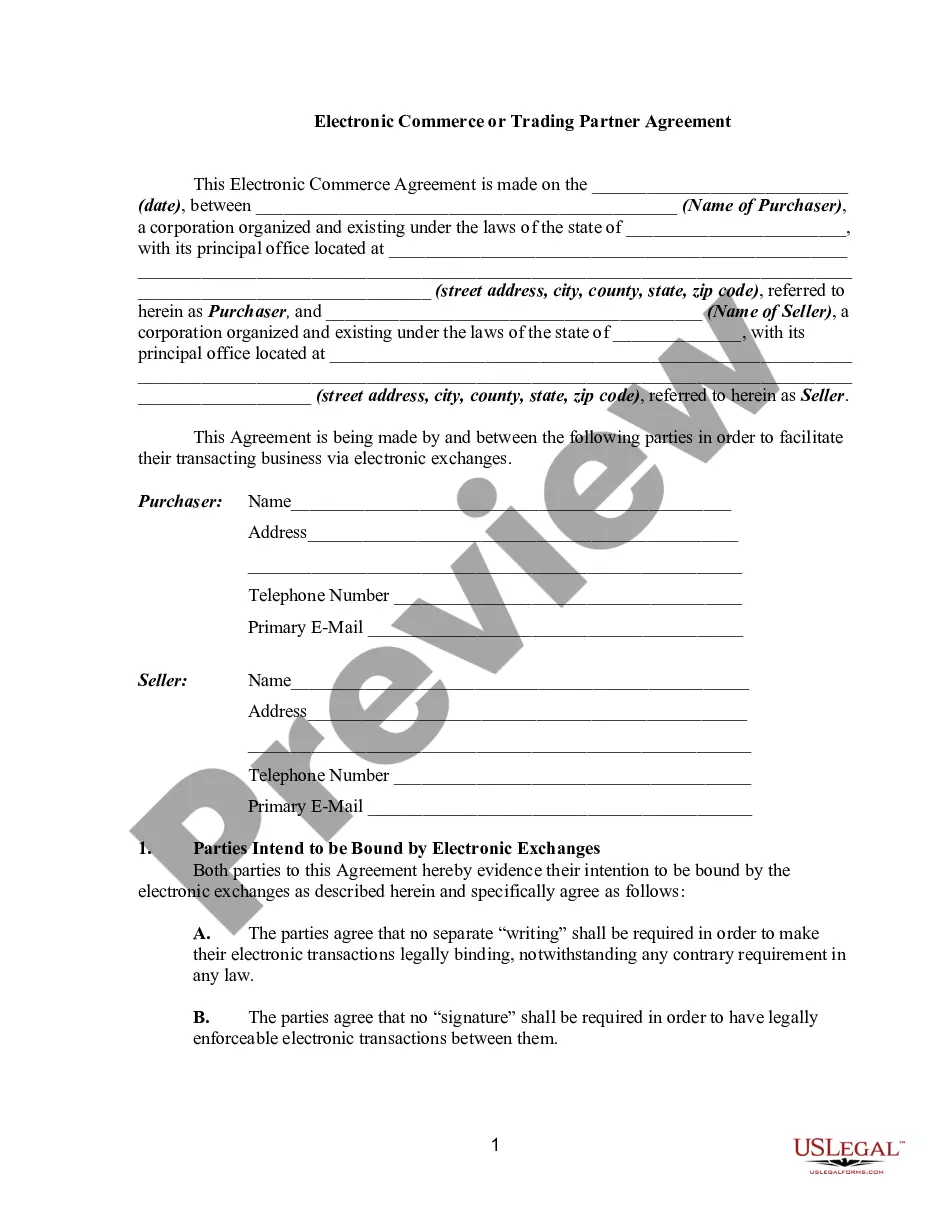
E Commerce Agreement Template With Answers In Tarrant
Description



Get your form ready online
Our built-in tools help you complete, sign, share, and store your documents in one place.
Make edits, fill in missing information, and update formatting in US Legal Forms—just like you would in MS Word.
Download a copy, print it, send it by email, or mail it via USPS—whatever works best for your next step.
Sign and collect signatures with our SignNow integration. Send to multiple recipients, set reminders, and more. Go Premium to unlock E-Sign.
If this form requires notarization, complete it online through a secure video call—no need to meet a notary in person or wait for an appointment.
We protect your documents and personal data by following strict security and privacy standards.

Make edits, fill in missing information, and update formatting in US Legal Forms—just like you would in MS Word.

Download a copy, print it, send it by email, or mail it via USPS—whatever works best for your next step.

Sign and collect signatures with our SignNow integration. Send to multiple recipients, set reminders, and more. Go Premium to unlock E-Sign.

If this form requires notarization, complete it online through a secure video call—no need to meet a notary in person or wait for an appointment.

We protect your documents and personal data by following strict security and privacy standards.
Looking for another form?









Form popularity
FAQ
Link in Footer: Place a link to the terms and conditions in the footer of every page on your website. During Checkout: Include a checkbox for customers to agree to the terms and conditions during the checkout process. Plain Language: Use clear and simple language to make the terms easily understandable.
Let's discuss these options further. Options For Creating Terms and Conditions. Step One: Determine What Laws Apply To Your Business. Step Two: Make An Outline. Step Three: Pick Your Clauses. Step Four: Start Writing. Step Five: Link To Other Necessary Policies. Step Six: Post It In Multiple Spots. Introduction.
Let's discuss these options further. Options For Creating Terms and Conditions. Step One: Determine What Laws Apply To Your Business. Step Two: Make An Outline. Step Three: Pick Your Clauses. Step Four: Start Writing. Step Five: Link To Other Necessary Policies. Step Six: Post It In Multiple Spots. Introduction.
A Guide to Writing Your Terms and Conditions Agreement A brief introduction. The effective date. Jurisdiction/governing law. Link to your Privacy Policy. Contact information. Limitation of liability and disclaimer of warranties. Rules of conduct. User restrictions.
Some quick examples are the use of the content (copyright) , the rules that users must follow while interacting with one another on the website / app and, finally, rules related to the cancellation or suspension of a user's account etc.
Elements of an Ecommerce About Us Page Writing about your products or services is simple. Writing about your team means showing customers that there are real, relatable people bringing your business to life. Writing about your core values will show customers what your ecommerce business is all about.
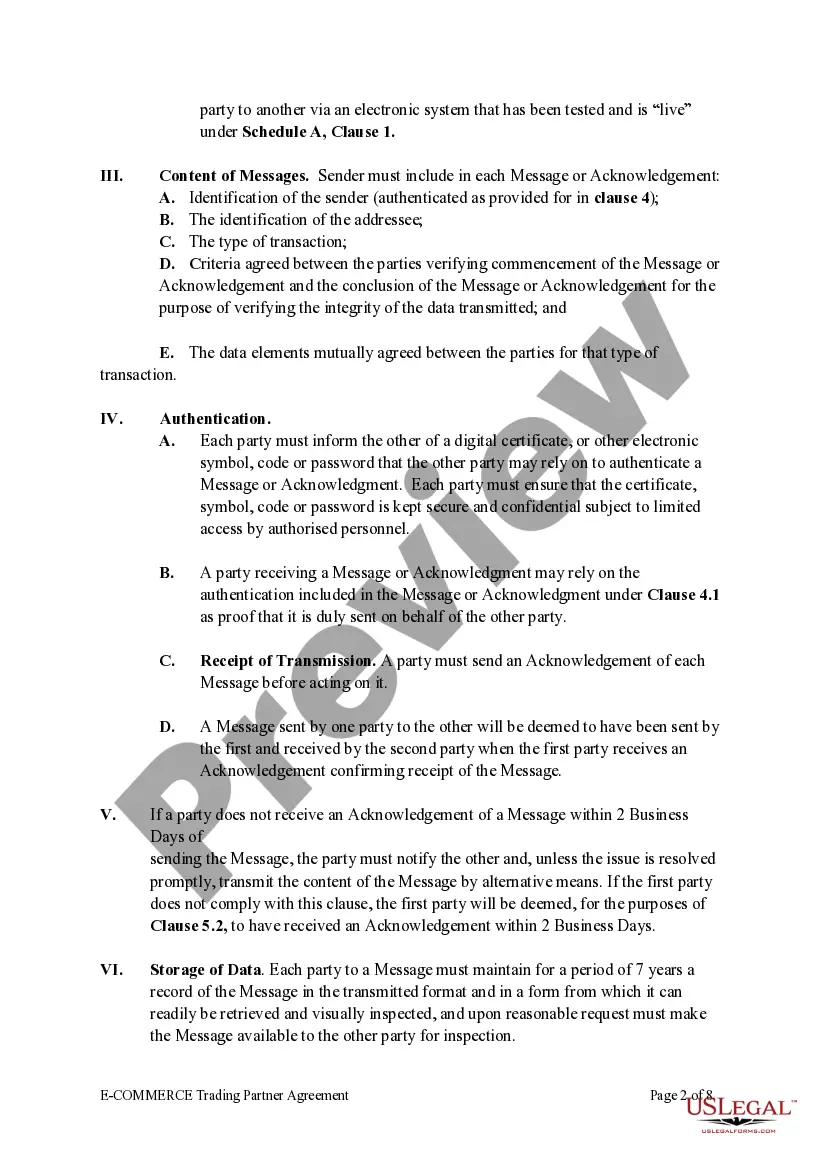
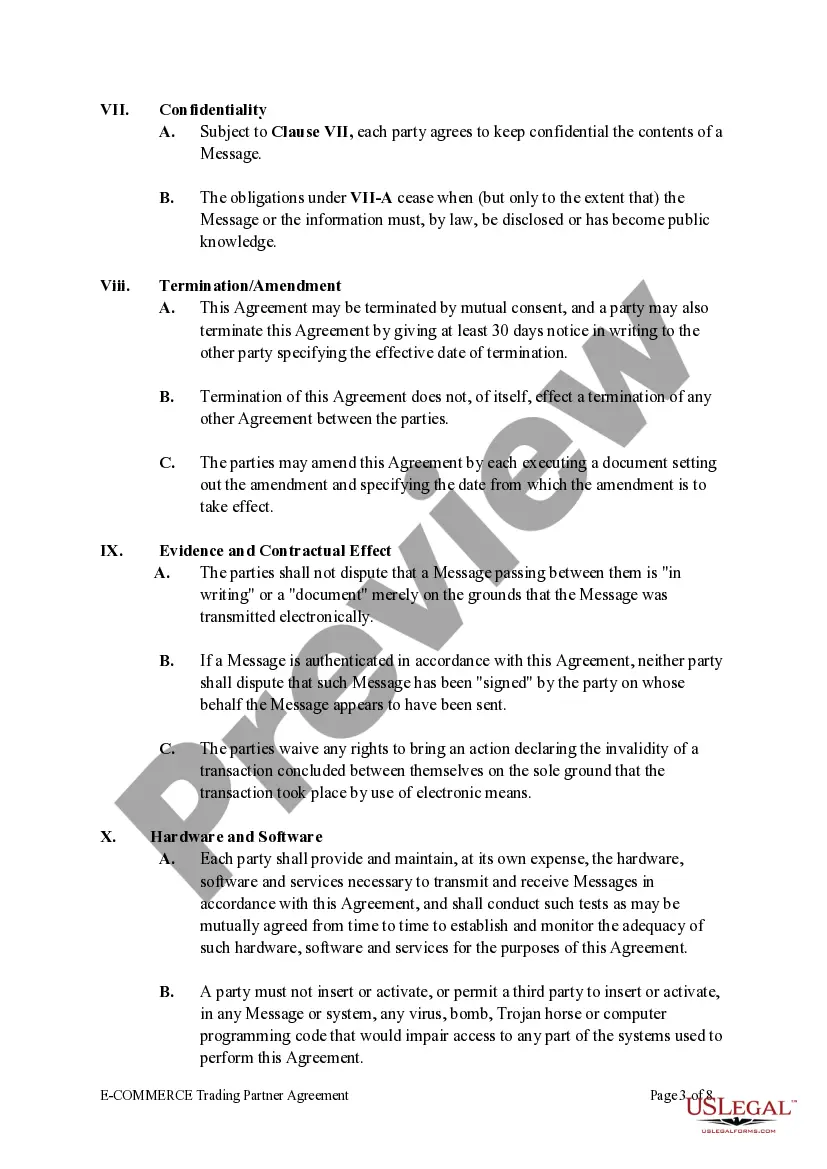
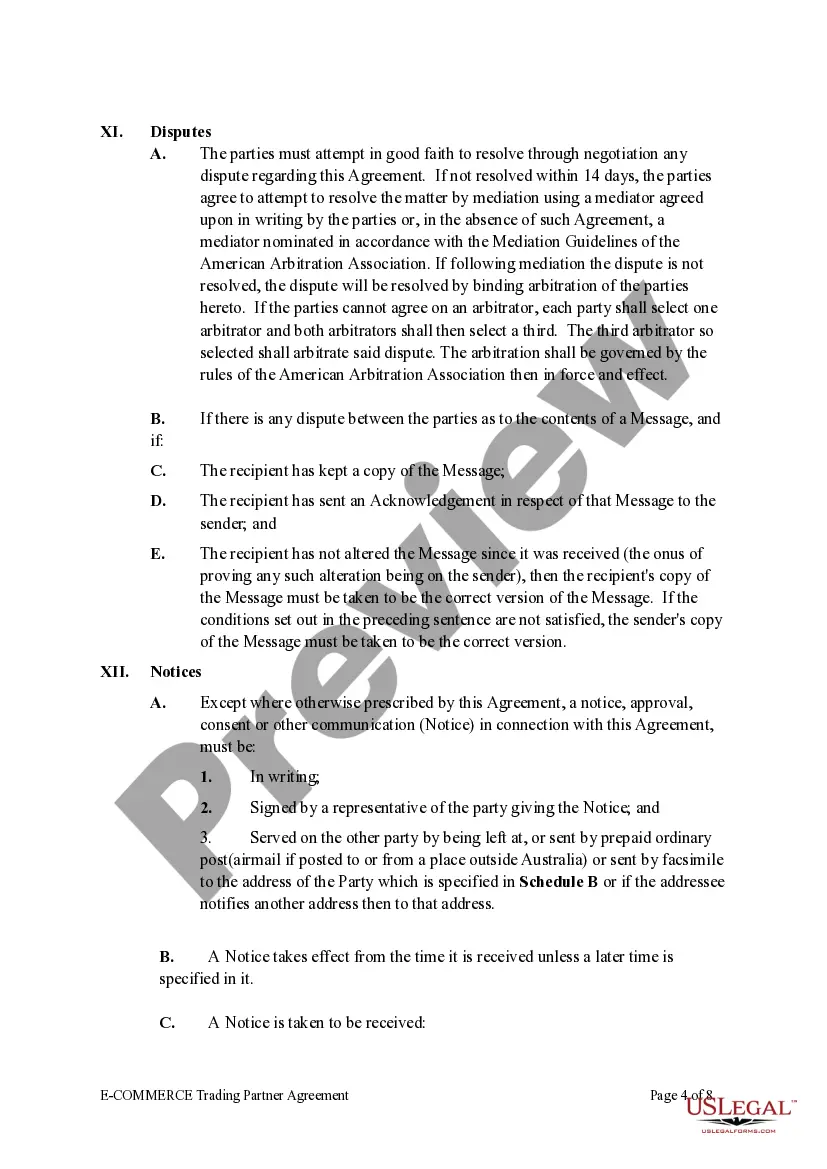
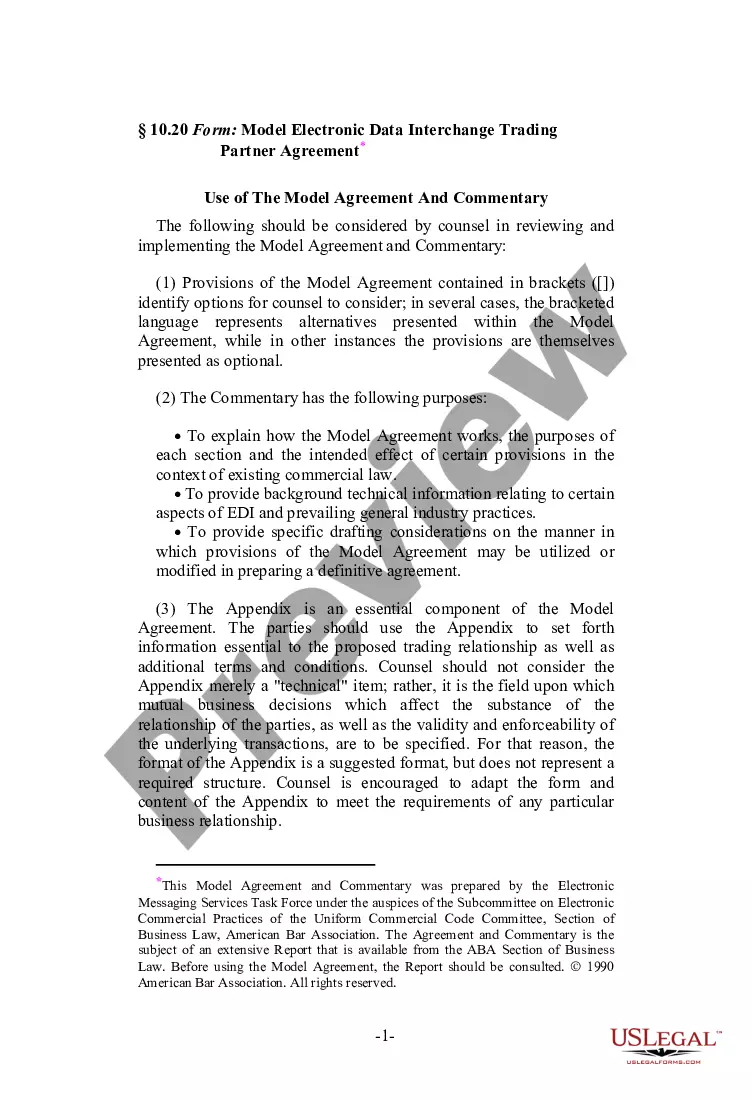
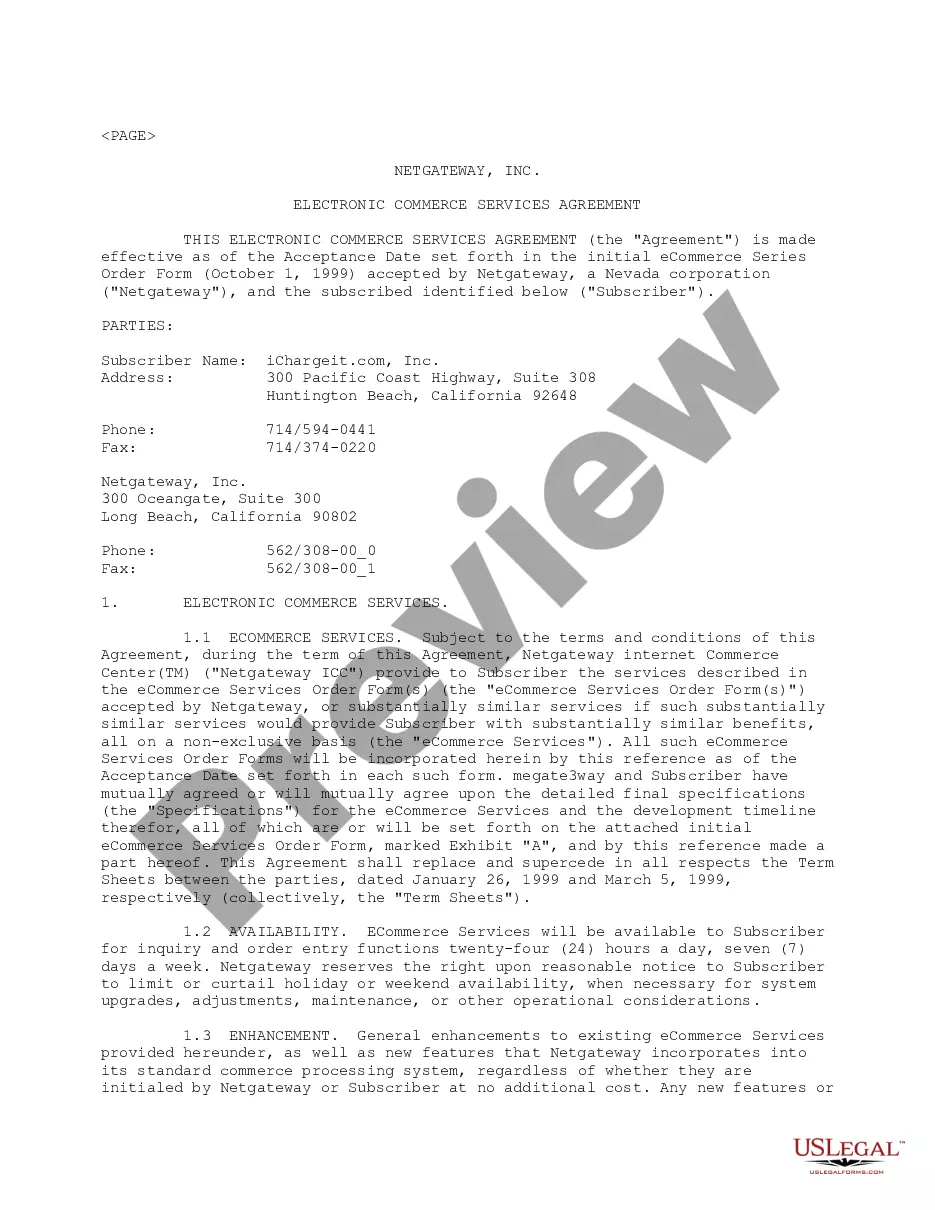
ECommerce agreements disclose the contractual relationship and obligations between a website owner and its commercial users.
Types of agreements under Indian Contract Act, 1872 Valid agreement. Section 11 of the Indian Contract Act, 1872. Void agreement. Section 24 of the Indian Contract Act, 1872. Wagering Agreements. Contingent Agreement. Voidable agreement. Express and implied agreements. Illegal Agreements.
Electronic commerce, or e-commerce, is the buying and selling of goods and services over the internet. E-commerce can be conducted on computers, tablets, smartphones, and other smart devices.
Follow these steps to write your business plan: Write your executive summary. Start by succinctly articulating the essence of your e-commerce business. Perform market analysis. Craft your product and service descriptions. Build marketing and sales strategies.