E Commerce Agreement Forbes In Clark
Description

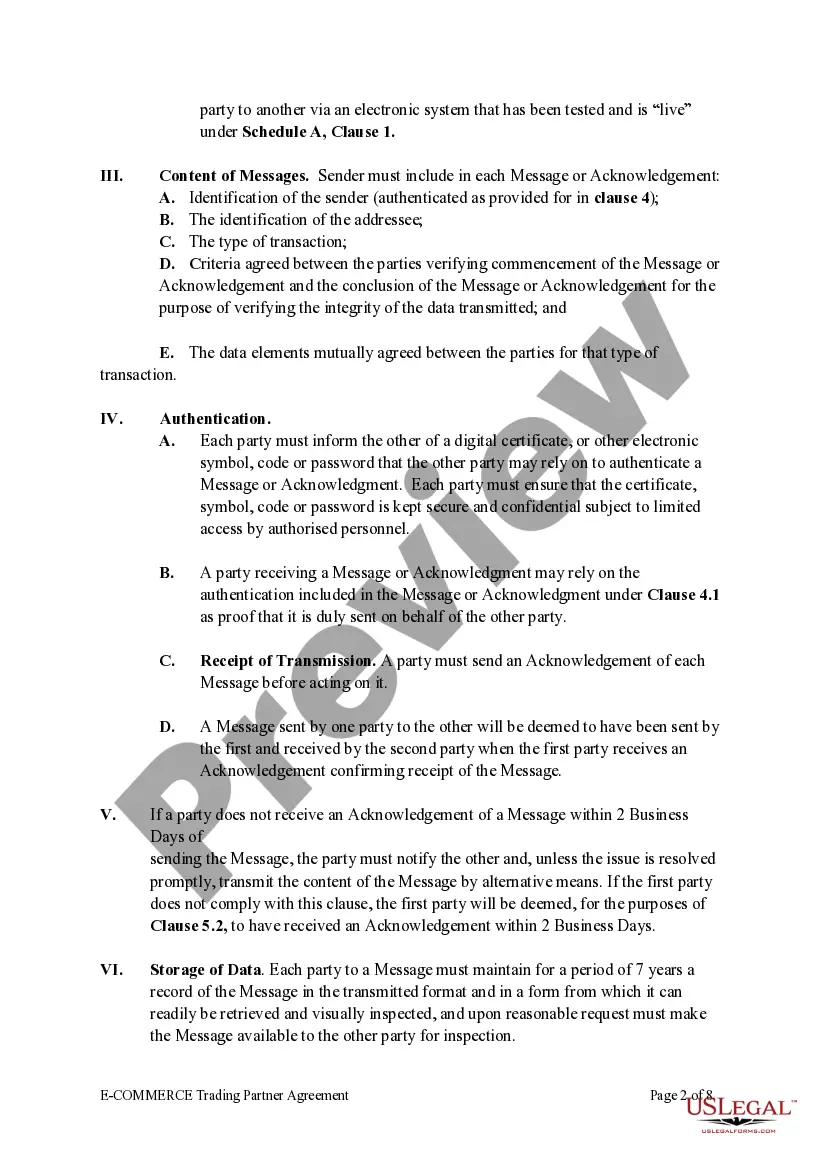
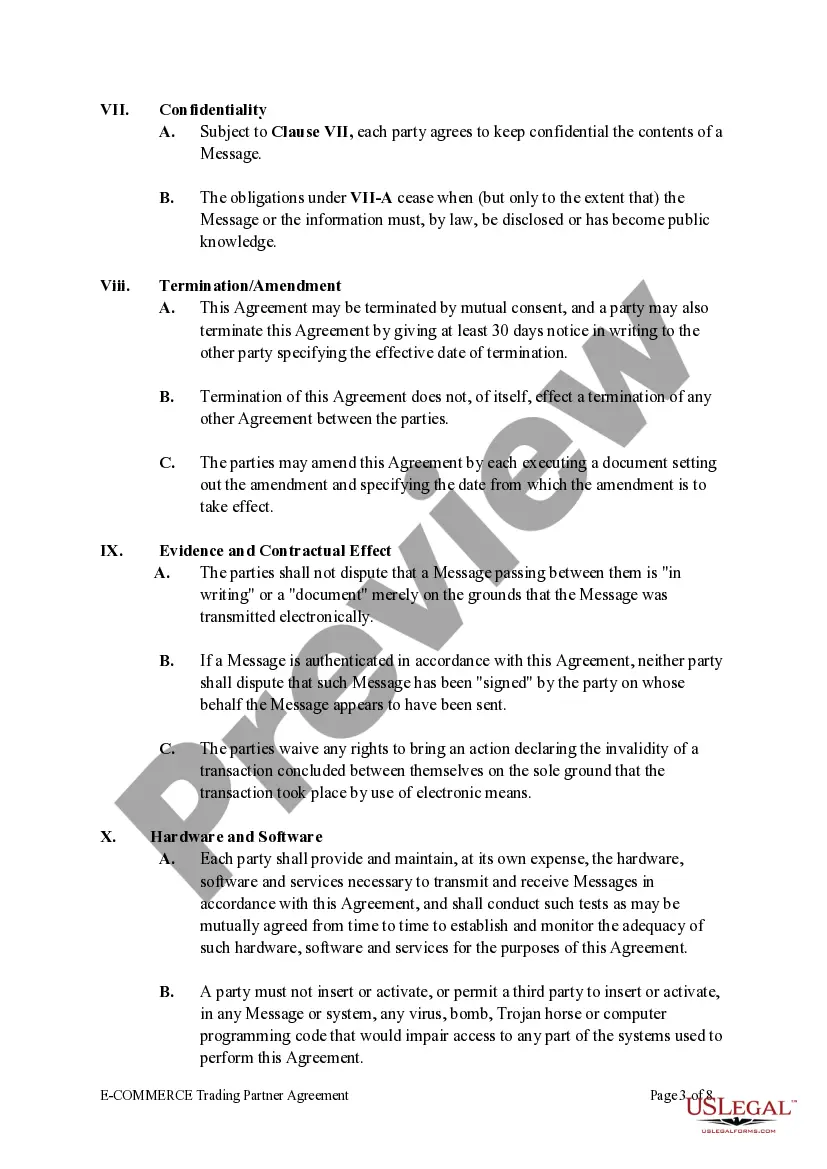
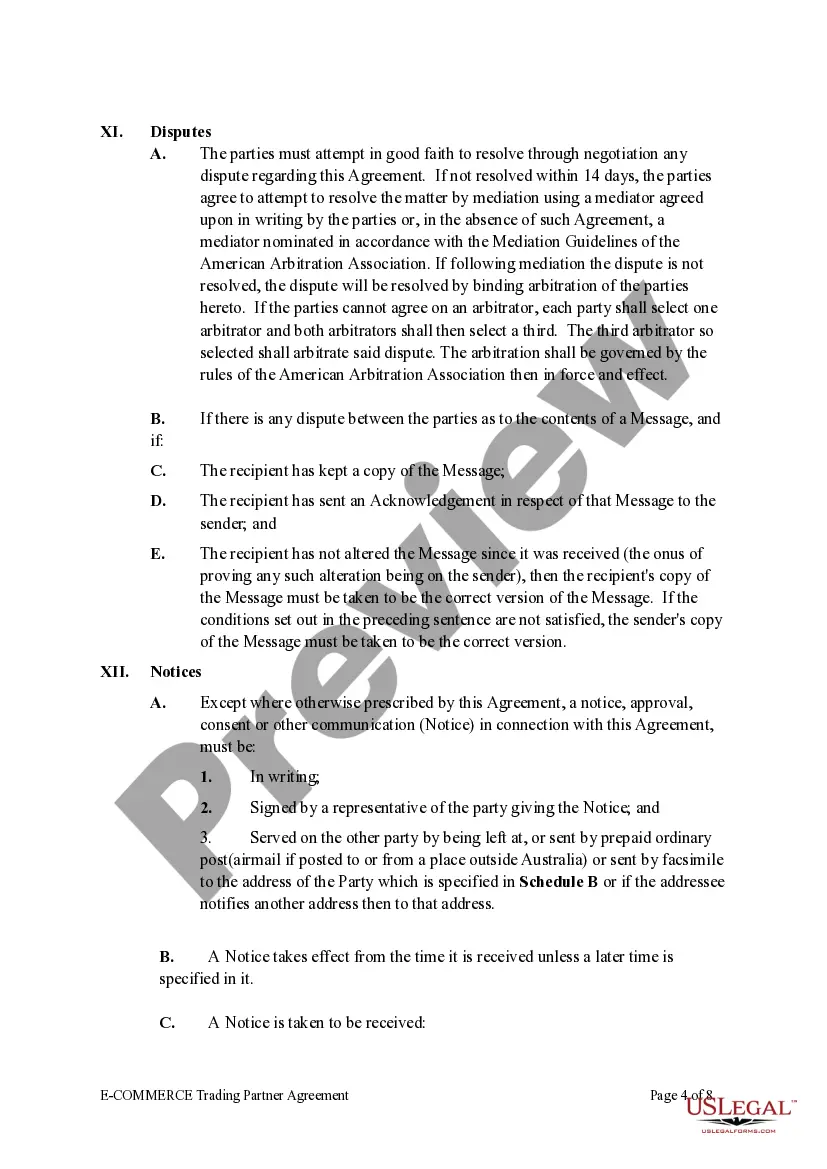
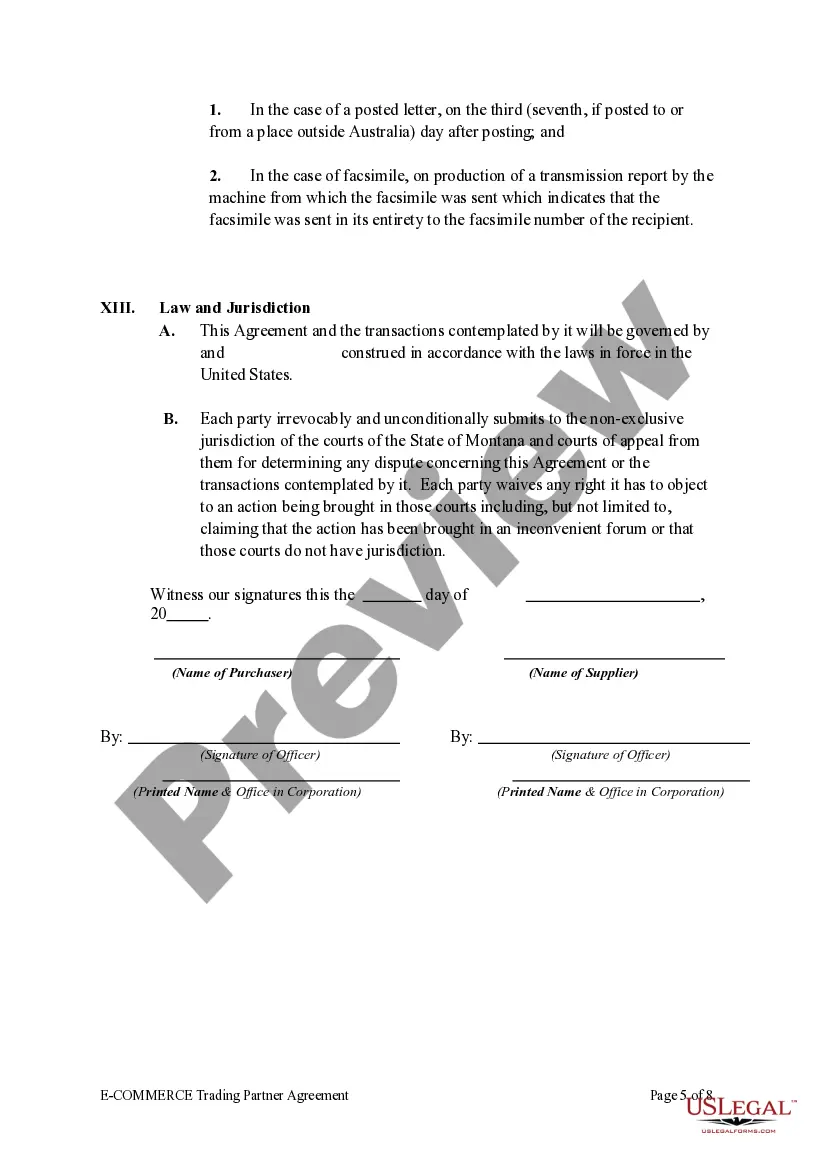

Get your form ready online
Our built-in tools help you complete, sign, share, and store your documents in one place.
Make edits, fill in missing information, and update formatting in US Legal Forms—just like you would in MS Word.
Download a copy, print it, send it by email, or mail it via USPS—whatever works best for your next step.
Sign and collect signatures with our SignNow integration. Send to multiple recipients, set reminders, and more. Go Premium to unlock E-Sign.
If this form requires notarization, complete it online through a secure video call—no need to meet a notary in person or wait for an appointment.
We protect your documents and personal data by following strict security and privacy standards.

Make edits, fill in missing information, and update formatting in US Legal Forms—just like you would in MS Word.

Download a copy, print it, send it by email, or mail it via USPS—whatever works best for your next step.

Sign and collect signatures with our SignNow integration. Send to multiple recipients, set reminders, and more. Go Premium to unlock E-Sign.

If this form requires notarization, complete it online through a secure video call—no need to meet a notary in person or wait for an appointment.

We protect your documents and personal data by following strict security and privacy standards.
Looking for another form?
Form popularity
FAQ
commerce (electronic commerce) is the buying and selling of goods and services, or the transmitting of funds or data, over an electronic network, primarily the internet.
A website that allows people to buy and sell physical goods, services, and digital products over the internet rather than at a brick-and-mortar location. Through an e-commerce website, a business can process orders, accept payments, manage shipping and logistics, and provide customer service.
Business-to-Business (B2B) Business-to-Consumer (B2C) Consumer-to-Consumer (C2C) Consumer-to-Business (C2B)
ECommerce agreements disclose the contractual relationship and obligations between a website owner and its commercial users.
A user agreement is any contract between a website user and the site's owner or operator. These e-commerce contracts can be end-user license agreements (EULAs), terms of service/terms and conditions, or privacy policies. They outline the rights and obligations of both parties.
Get Secure Server Layer (SSL) Certificates If SSL certificate encryption is absent, any electronic device between the sender and the server can access sensitive details. Hackers can thus take advantage of your exposed passwords, usernames, credit card numbers, and other information.
The technological factors are, Information and communication adoption, Internet connectivity, and Business data management. The e-commerce adoption factors involve the strategic innovation, research and development activity, and Productivity growth.
Introduction The technical components of e-commerce involves the framework/infrastructure which integrates various existing resources like programming languages, database management systems, communication protocols, etc. to facilitate the integration of software and data for building better e-commerce applications.
commerce provides a global reach, allowing businesses to tap into new markets around the world. The 24/7 availability of ecommerce enhances the customer experience and increases sales potential. Operating an online business comes with lower overhead costs compared to traditional retail.
How to Start Selling Online Conduct market research. The beauty of ecommerce is that anyone anywhere can join in on the action. Choose what products to sell. Identify your target audience. Conduct ecommerce platform research. Create product content. Build your online store. Promote and market your store.
