Indenture With Covenants In Philadelphia
Description
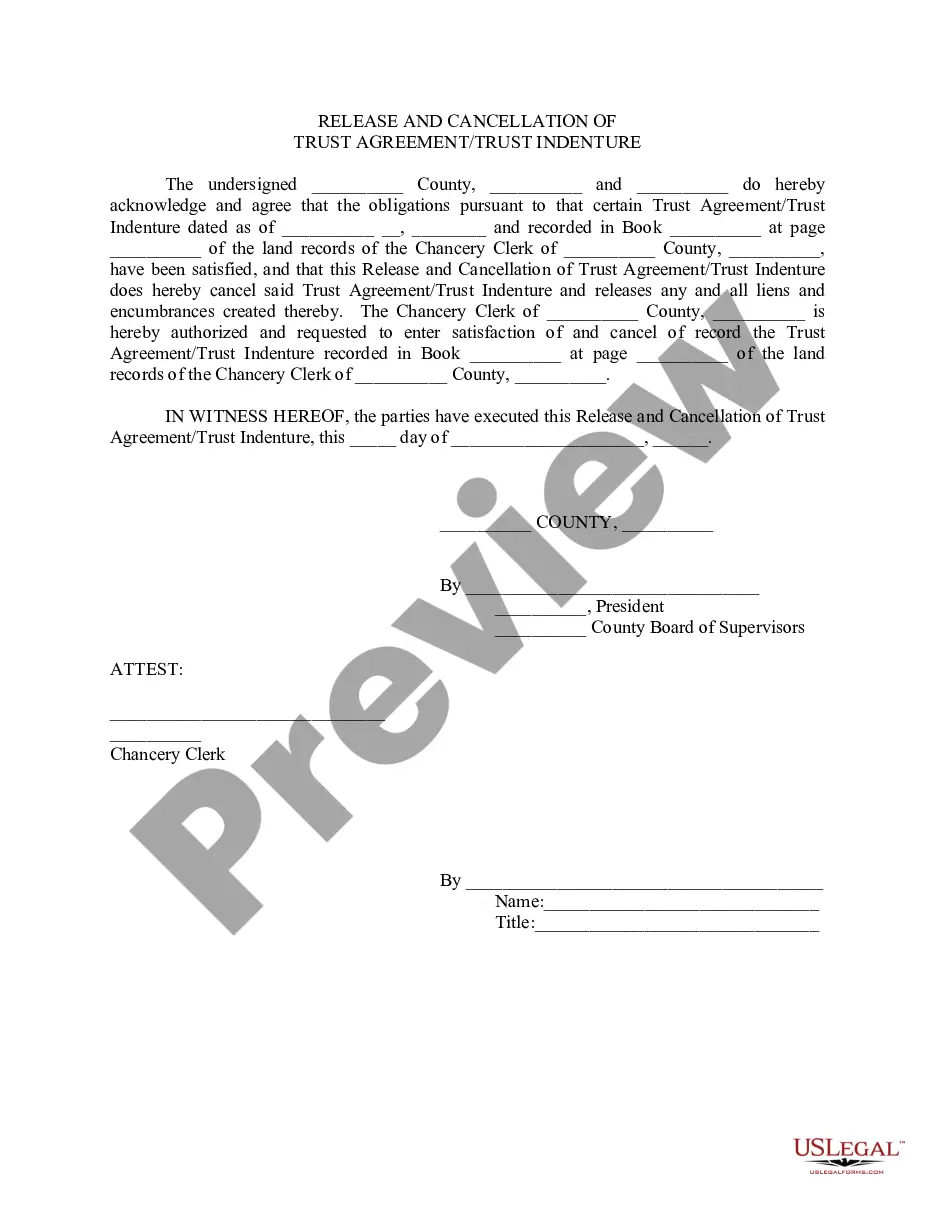
Get your form ready online
Our built-in tools help you complete, sign, share, and store your documents in one place.
Make edits, fill in missing information, and update formatting in US Legal Forms—just like you would in MS Word.
Download a copy, print it, send it by email, or mail it via USPS—whatever works best for your next step.
Sign and collect signatures with our SignNow integration. Send to multiple recipients, set reminders, and more. Go Premium to unlock E-Sign.
If this form requires notarization, complete it online through a secure video call—no need to meet a notary in person or wait for an appointment.
We protect your documents and personal data by following strict security and privacy standards.

Make edits, fill in missing information, and update formatting in US Legal Forms—just like you would in MS Word.

Download a copy, print it, send it by email, or mail it via USPS—whatever works best for your next step.

Sign and collect signatures with our SignNow integration. Send to multiple recipients, set reminders, and more. Go Premium to unlock E-Sign.

If this form requires notarization, complete it online through a secure video call—no need to meet a notary in person or wait for an appointment.

We protect your documents and personal data by following strict security and privacy standards.
Looking for another form?








Form popularity
FAQ
Trust instrument – A document, including amendments thereto, executed by a grantor that contains terms under which the trust property must be managed and distributed. Also referred to as a trust agreement or declaration of trust.
What Is a Trust Indenture? A trust indenture is an agreement in a bond contract made between a bond issuer and a trustee that represents the bondholder's interests by highlighting the rules and responsibilities that each party must adhere to. It may also indicate where the income stream for the bond is derived from.
These covenants were agreements added to property deeds that typically prohibited the sale or lease of the property to non-White persons. In Philadelphia, such covenants were put into place to restrict the movement of Black residents into new developments and predominantly White neighborhoods.
(6) when, by reason of the fact that trust indentures are commonly prepared by the obligor or underwriter in advance of the public offering of the securities to be issued thereunder, such investors are unable to participate in the preparation thereof, and, by reason of their lack of understanding of the situation, such ...
All bond covenants are part of a bond's legal documentation and are part of corporate bonds and government bonds. A bond's indenture is the portion that contains the covenants, both positive and negative, and is enforceable throughout the entire life of the bond until maturity.
The terms of the Indenture are tailored to reflect the specific type of transaction and issuer. Like credit agreements,1 an Indenture contains lending and repayment terms. In contrast to credit agreements, however, the lender is not a party to an Indenture.
An indenture is a deed with more than one party. In the old days they were written out, two copies, on a single piece of parchment then roughly cut, so the parts could later be compared. A deed of trust has at least two parties, the settler and the trustee, so it could be called an indenture.
A contract between an Issuer and a Trustee (normally a commercial bank with trust powers) under which the Issuer issues Bonds and specifies their Maturities, Interest Rates, Redemption provisions, form, exchange provisions, security and other terms.
Individuals or parties who identify discriminatory or restrictive covenant language on a recorded document can submit a Restrictive Covenant Modifications Form to modify the document and remove the restrictive language.
Nevertheless, the Pennsylvania Supreme Court has made it clear that non-compete agreements and restrictive covenants are not favored in Pennsylvania and are viewed as a trade restraint that prevents a former employee from earning a living.
