Indenture For Land In Pennsylvania
Description

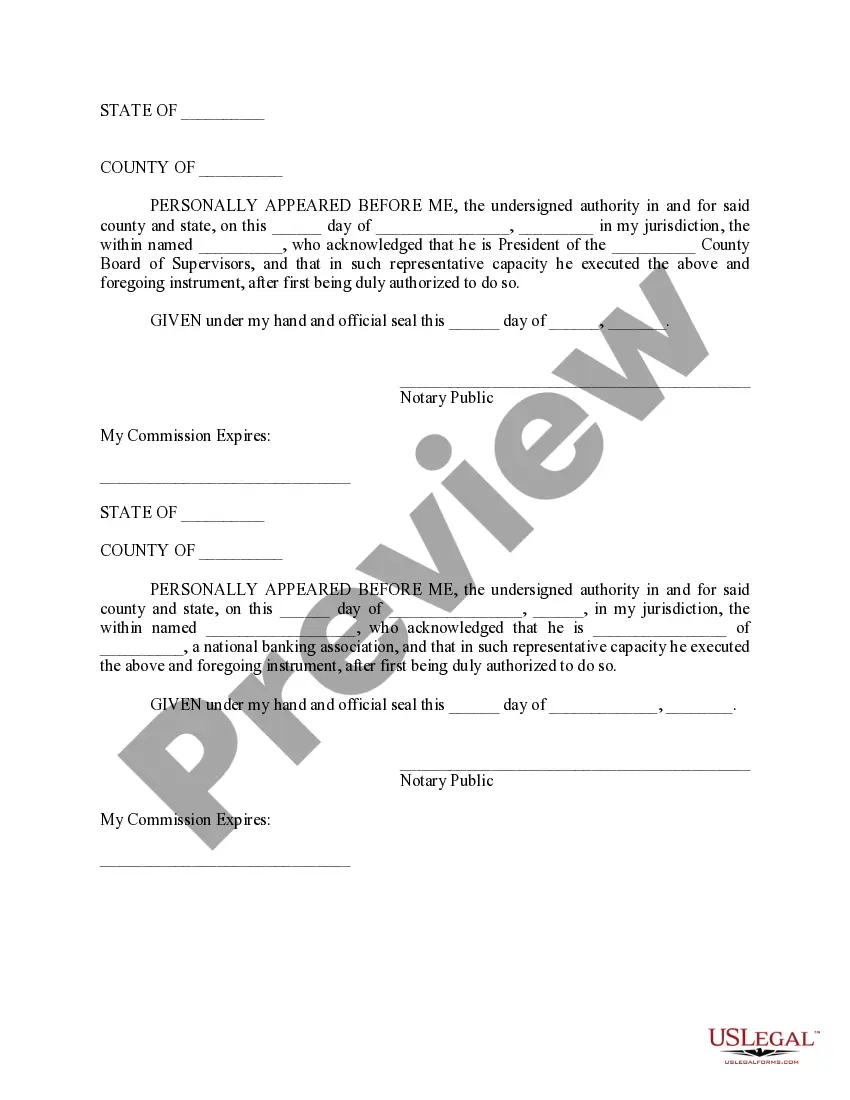
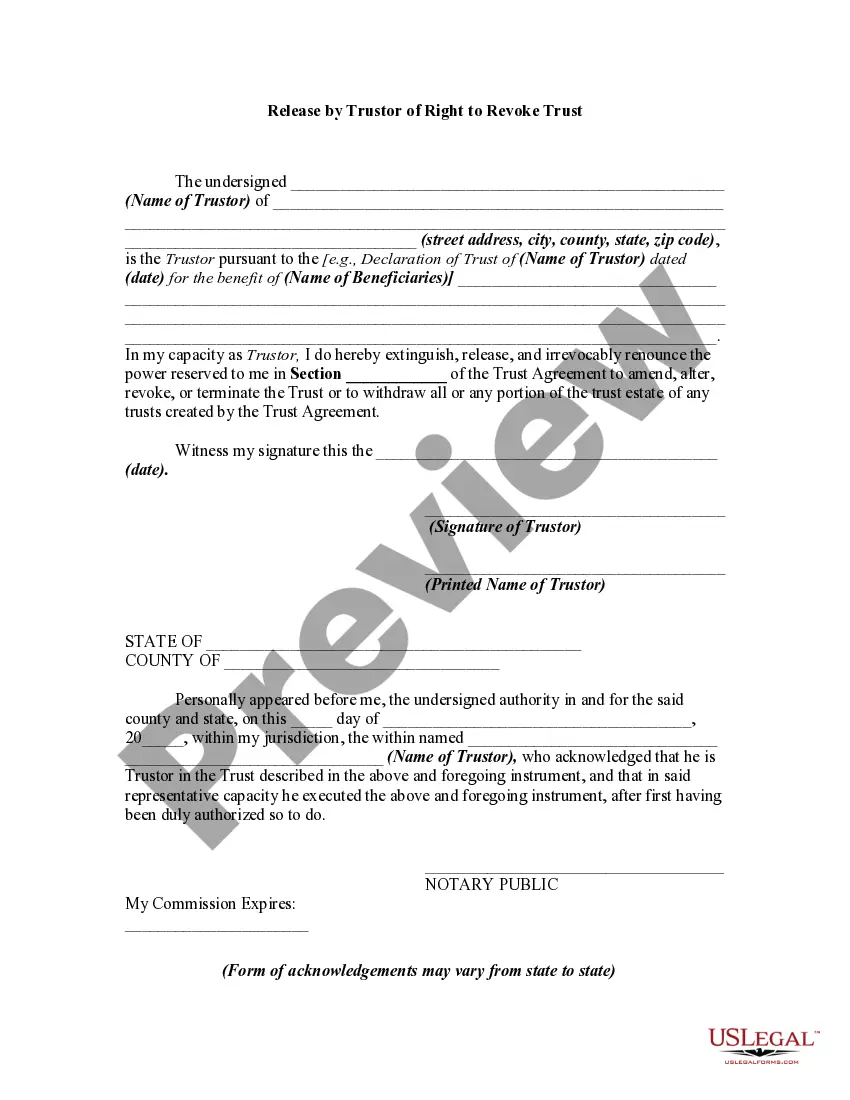
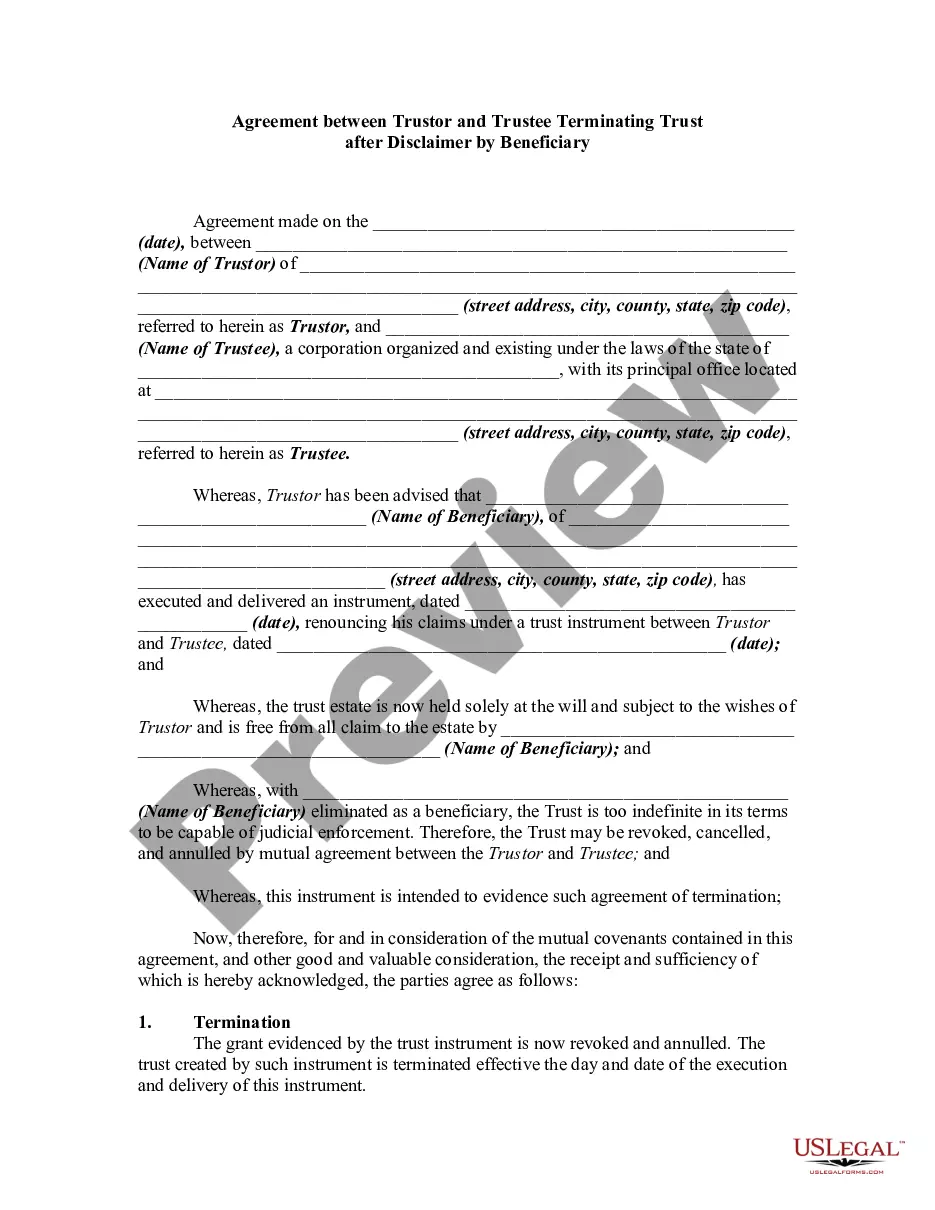
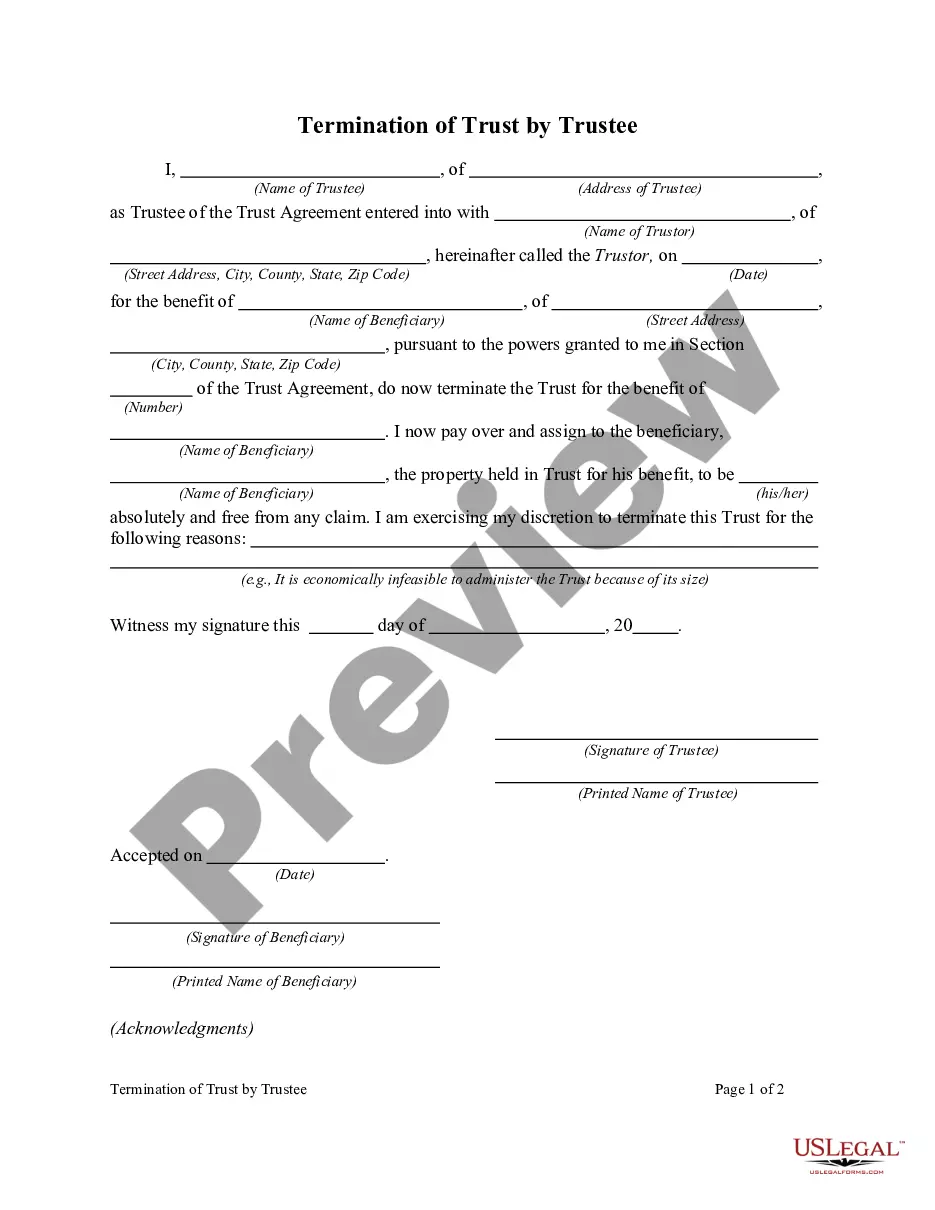
Get your form ready online
Our built-in tools help you complete, sign, share, and store your documents in one place.
Make edits, fill in missing information, and update formatting in US Legal Forms—just like you would in MS Word.
Download a copy, print it, send it by email, or mail it via USPS—whatever works best for your next step.
Sign and collect signatures with our SignNow integration. Send to multiple recipients, set reminders, and more. Go Premium to unlock E-Sign.
If this form requires notarization, complete it online through a secure video call—no need to meet a notary in person or wait for an appointment.
We protect your documents and personal data by following strict security and privacy standards.

Make edits, fill in missing information, and update formatting in US Legal Forms—just like you would in MS Word.

Download a copy, print it, send it by email, or mail it via USPS—whatever works best for your next step.

Sign and collect signatures with our SignNow integration. Send to multiple recipients, set reminders, and more. Go Premium to unlock E-Sign.

If this form requires notarization, complete it online through a secure video call—no need to meet a notary in person or wait for an appointment.

We protect your documents and personal data by following strict security and privacy standards.
Looking for another form?










Form popularity
FAQ
Most of Ghana's land is held under customary tenure and is vested in chiefs, earth priests (who hold spiritual authority over land matters because of their role as the descendants of the first village settlers) or other customary authorities.
An indenture is an agreement or contract between the vendor and the prospective buyer, which also contains the duration the land was being leased.
A deed made between two or more parties who are not acting as one person. The word indenture originated in the days when the requisite number of copies of a deed would be engrossed onto a single piece of parchment, which would then be cut into individual deeds, with each party holding his own copy.
Unlike Ghanaian citizens, non-citizens of Ghana are not entitled to tenure interest in any land in Ghana but then a lease of up to fifty (50) years is suggested. Nevertheless, Ghanaians can acquire lands on a freehold interest or leasehold basis for ninety-nine (99) years conditional on renewal for a future term.
An indenture is a particular formal contract or deed made between two or more parties. Beginning in medieval England, an indenture can be defined as a specific agreement within a contract noted with a specific duration or significance.
An indenture is a particular formal contract or deed made between two or more parties. Beginning in medieval England, an indenture can be defined as a specific agreement within a contract noted with a specific duration or significance.
The term is used for any kind of deed executed by more than one party, in contrast to a deed poll which is made by one individual. In the case of bonds, the indenture shows the pledge, promises, representations and covenants of the issuing party.
In real estate, an indenture is a deed in which two parties agree to continuing obligations. For example, one party may agree to maintain a property and the other may agree to make payments on it.
The Indenture pledges certain revenues as security for repayment of the Bonds. The Trustee agrees to act on behalf of the holders of the Bonds and to represent their interests.
ADVERSE POSSESSION; REQUIREMENT OF HOSTILITY; PERMISSION; LAWN MOWING: Tending a lawn, including seeding and mowing, on neighbor's property can constitute continuous hostile adverse possession in Pennsylvania.
