Indenture For Land In Mecklenburg
Description
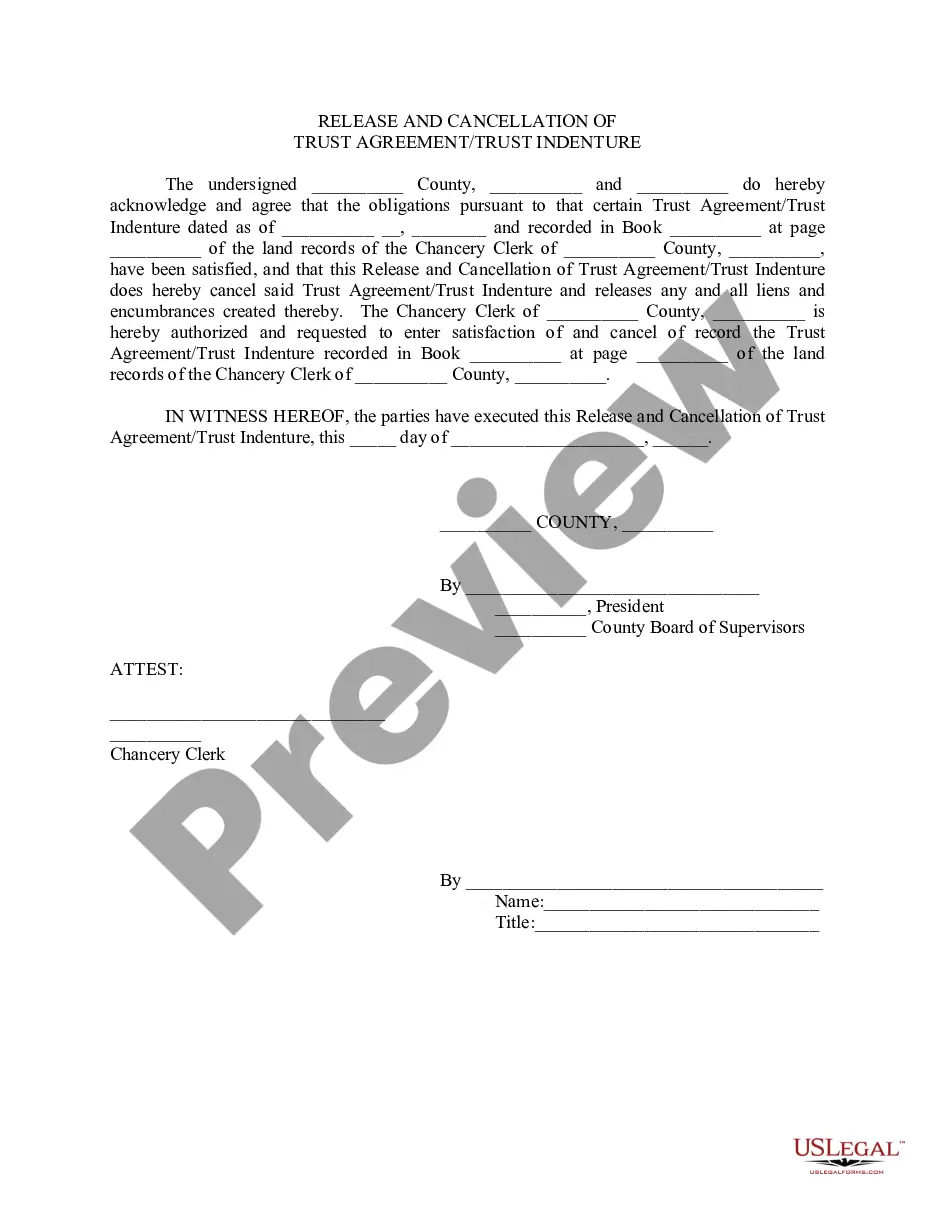
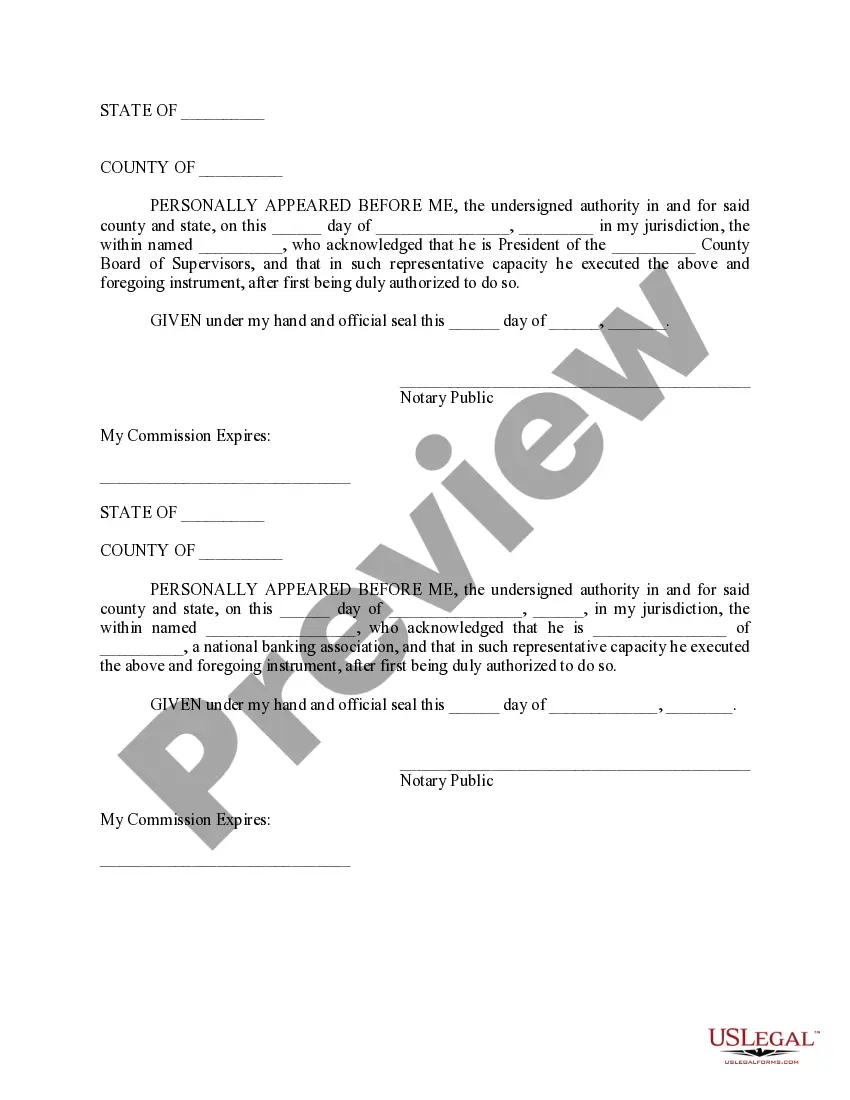
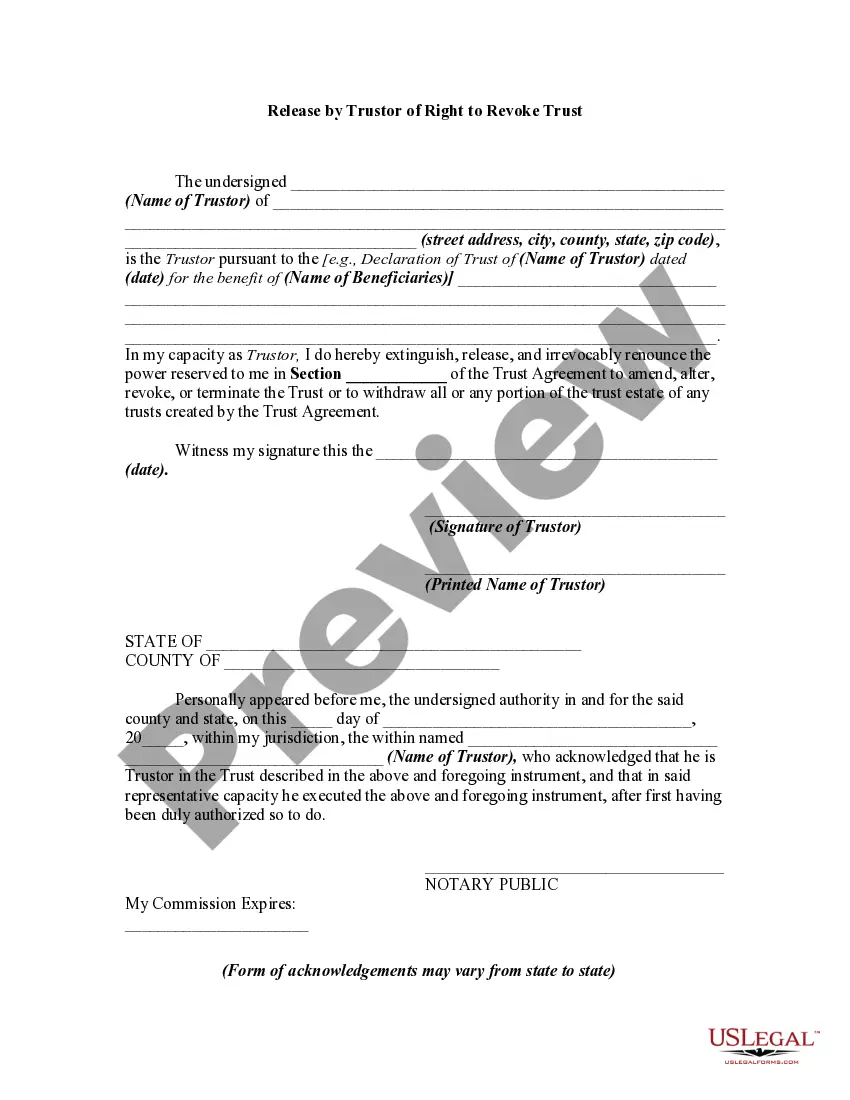
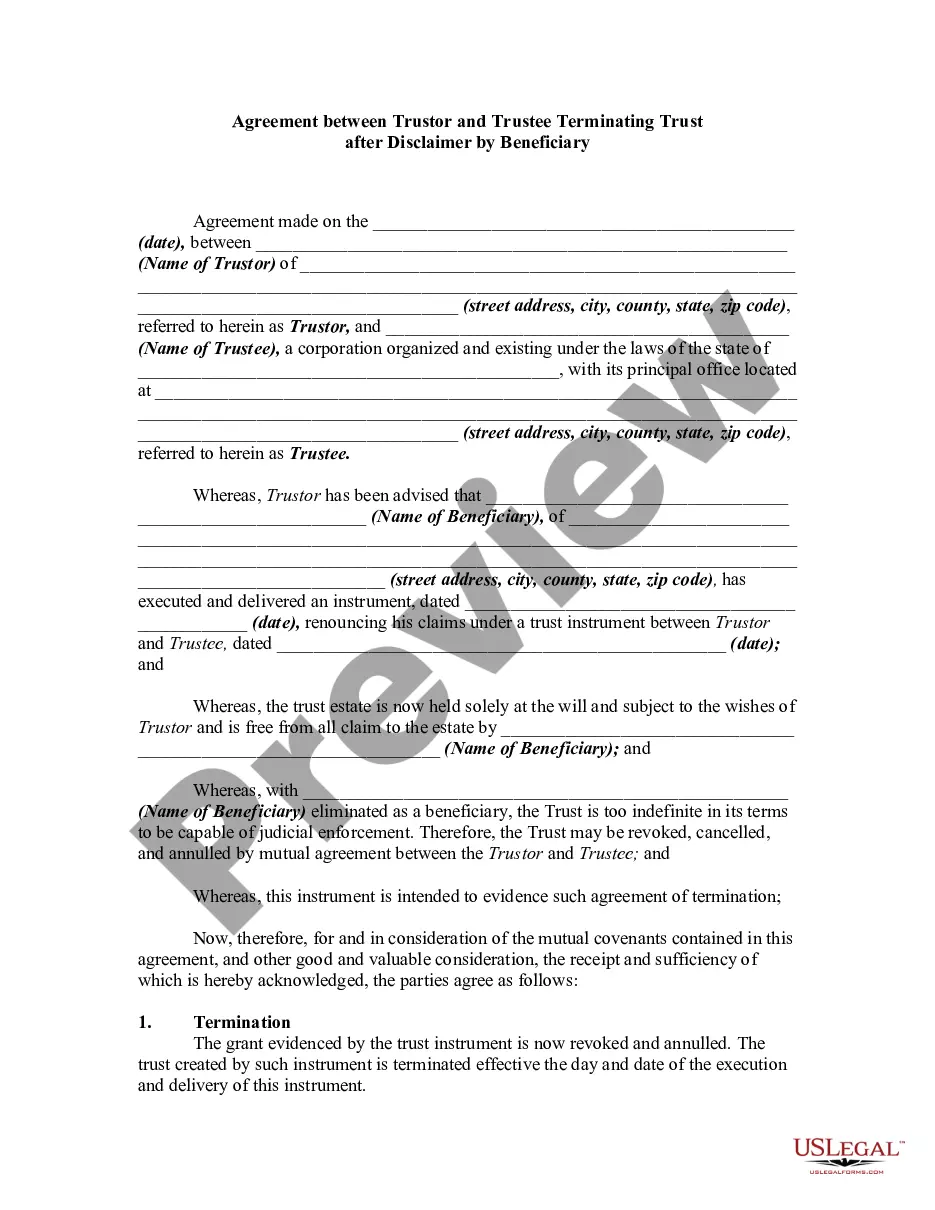
Get your form ready online
Our built-in tools help you complete, sign, share, and store your documents in one place.
Make edits, fill in missing information, and update formatting in US Legal Forms—just like you would in MS Word.
Download a copy, print it, send it by email, or mail it via USPS—whatever works best for your next step.
Sign and collect signatures with our SignNow integration. Send to multiple recipients, set reminders, and more. Go Premium to unlock E-Sign.
If this form requires notarization, complete it online through a secure video call—no need to meet a notary in person or wait for an appointment.
We protect your documents and personal data by following strict security and privacy standards.

Make edits, fill in missing information, and update formatting in US Legal Forms—just like you would in MS Word.

Download a copy, print it, send it by email, or mail it via USPS—whatever works best for your next step.

Sign and collect signatures with our SignNow integration. Send to multiple recipients, set reminders, and more. Go Premium to unlock E-Sign.

If this form requires notarization, complete it online through a secure video call—no need to meet a notary in person or wait for an appointment.

We protect your documents and personal data by following strict security and privacy standards.
Looking for another form?






Form popularity
FAQ
The earliest type of land records in North Carolina were headrights, also known as landrights, a common land grant system used in all of the original 13 colonies. In summary, headrights gave each grantee a particular amount of land based on the number of people they brought into the colony.
Land Grants in a Nutshell Private Grants. Entire grant is owned by one (or a few) individuals as their private property. Community Grants. Large tracts of land granted to a substantial number of people (usually from 10 to 100. Hybrid or Quasi-Community grants.
Various royal, colonial, state, and federal governments established the first claims to land in what is now the United States. These governments have since sold or given much of this land to individuals. The person who obtains title to the land from the government receives a land grant.
Mecklenburg County Charlotte / County
For divorce records from the year 1970 or later , please contact the Mecklenburg County Clerk of Court (704-686-0400).
In California, divorce records are public, which means they can be accessed by anyone. This includes all associated agreements, including child custody and support, alimony, and property division. In California, the following information is typically available to the public: Names of the divorcing parties.
Mecklenburg County To access Criminal files, email Mecklenburg.Criminal@nccourts. To access Civil files, email Mecklenburg.Civil@nccourts. To access Estate Special Proceedings files, email Mecklenburg.ESP@nccourts.
For divorce records from the year 1970 or later , please contact the Mecklenburg County Clerk of Court (704-686-0400).
These records are available through an eCourts Portal for certain counties throughout the state. Anyone can view or download cases 24 hours a day, 7 days a a week. These records are typically kept in files in the clerk of courts' offices. They may also be accessed through the North Carolina Department of Vital Records.
As legal custodian of land transactions and other miscellaneous documents, the Register of Deeds office files and records deeds, deeds of trust, uniform commercial codes (UCCs), corporations, assumed names, military records, and other legal papers; registers delayed birth records and issues marriage licenses; and ...
