Indenture With Covenants In Hennepin
Description

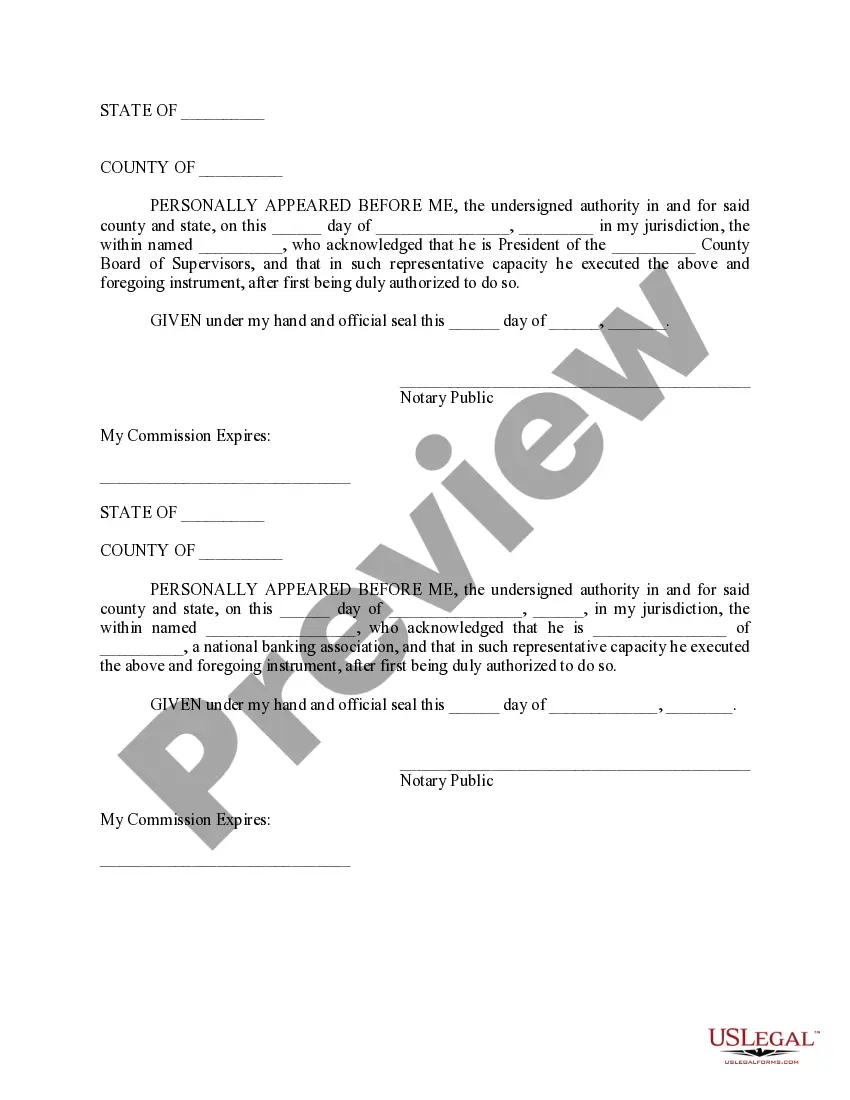
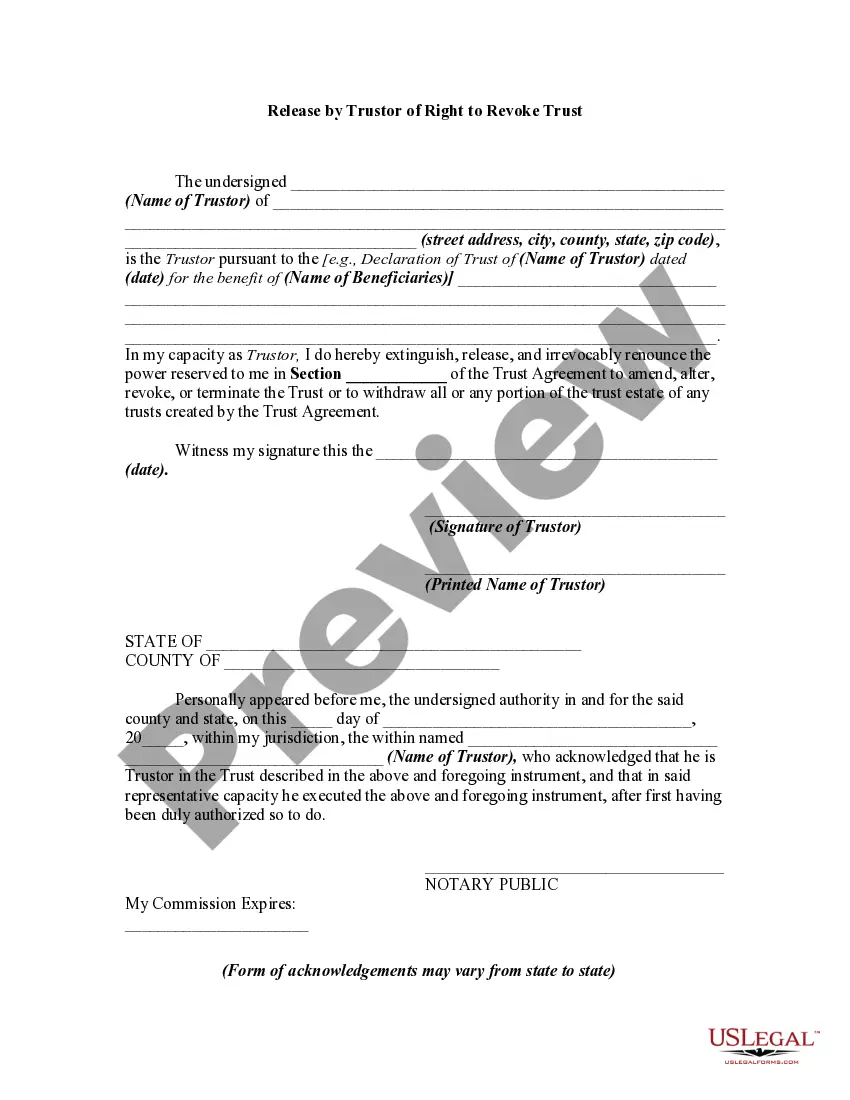
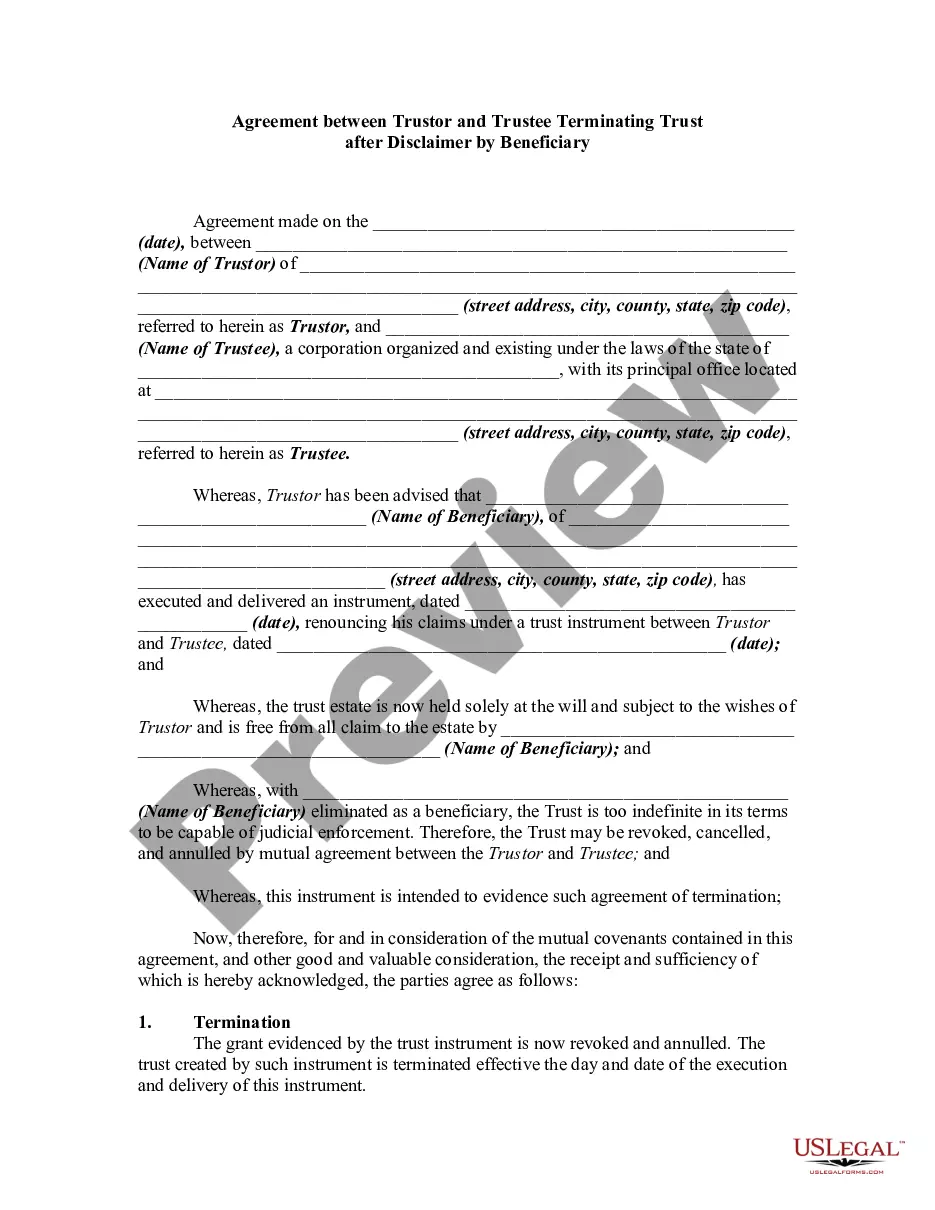
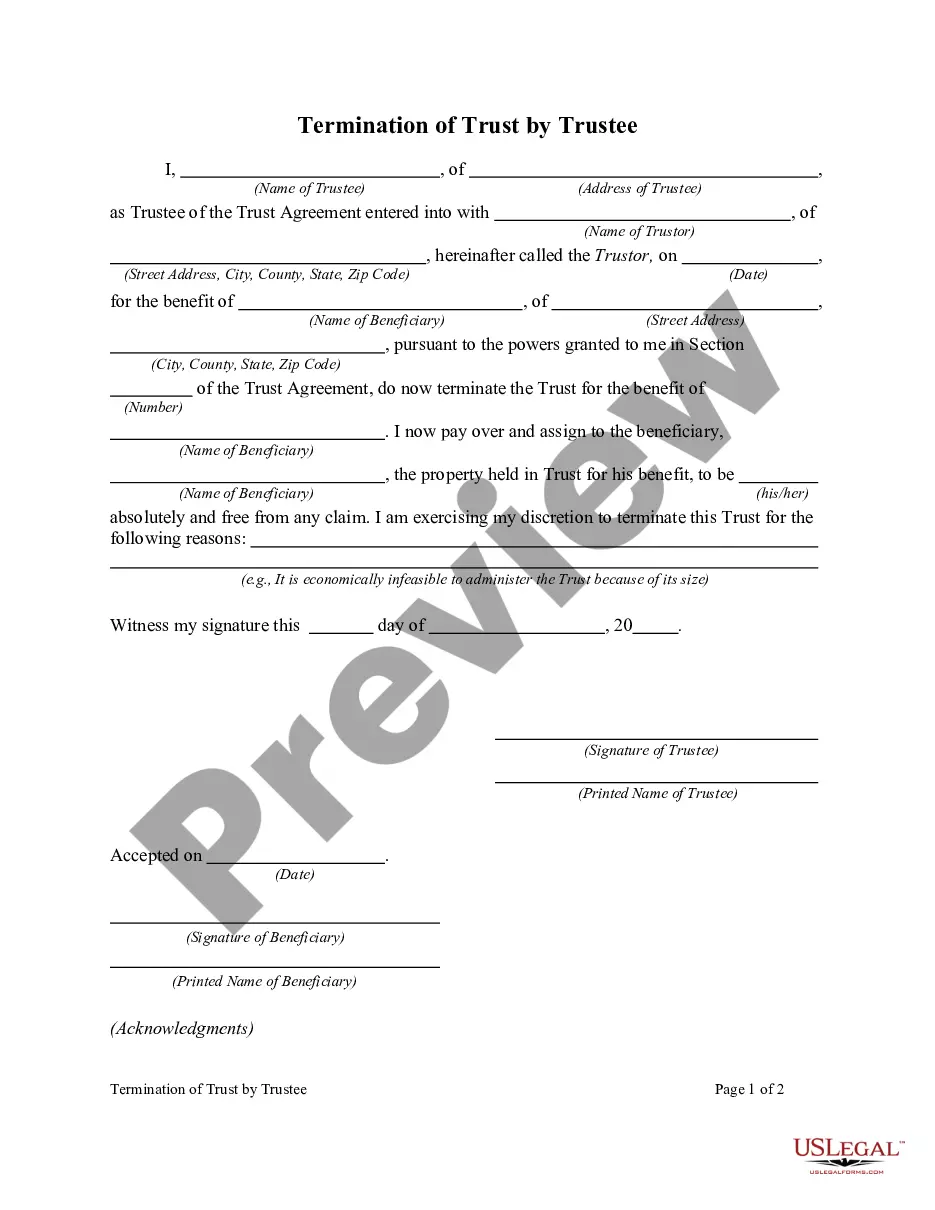
Get your form ready online
Our built-in tools help you complete, sign, share, and store your documents in one place.
Make edits, fill in missing information, and update formatting in US Legal Forms—just like you would in MS Word.
Download a copy, print it, send it by email, or mail it via USPS—whatever works best for your next step.
Sign and collect signatures with our SignNow integration. Send to multiple recipients, set reminders, and more. Go Premium to unlock E-Sign.
If this form requires notarization, complete it online through a secure video call—no need to meet a notary in person or wait for an appointment.
We protect your documents and personal data by following strict security and privacy standards.

Make edits, fill in missing information, and update formatting in US Legal Forms—just like you would in MS Word.

Download a copy, print it, send it by email, or mail it via USPS—whatever works best for your next step.

Sign and collect signatures with our SignNow integration. Send to multiple recipients, set reminders, and more. Go Premium to unlock E-Sign.

If this form requires notarization, complete it online through a secure video call—no need to meet a notary in person or wait for an appointment.

We protect your documents and personal data by following strict security and privacy standards.
Looking for another form?






Form popularity
FAQ
An affirmative covenant, also referred to as a positive covenant, is a promise that requires a party to adhere to specific terms of the agreement. It is the opposite of a negative covenant, which requires a party to avoid doing something.
Bond covenants are designed to protect the interests of both parties. Negative or restrictive covenants forbid the issuer from undertaking certain activities; positive or affirmative covenants require the issuer to meet specific requirements.
A covenant is a promise to take an action (an affirmative covenant) or to refrain from taking an action (a negative covenant). Indentures contain a variety of covenants from the issuer to the trustee on behalf of the bondholders.
This one hour, Emmy Award-wining documentary uses the history of racial covenants in Minneapolis to explore the complex history of discriminatory housing policies and their contemporary legacies.
Our mission. Mapping Prejudice identifies and maps racial covenants, clauses that were inserted into property deeds to keep people who were not White from buying or occupying homes.
The rules must conform to the California Homeowners Association as part of the CA Condominium Act. The CC&R's and by-laws have to conform with state and federal law as well as local city zoning laws and other city codes requirements.
All bond covenants are part of a bond's legal documentation and are part of corporate bonds and government bonds. A bond's indenture is the portion that contains the covenants, both positive and negative, and is enforceable throughout the entire life of the bond until maturity.
If a deed restriction is not enforceable, you can choose to ignore it and take on the risk of a neighbor filing suit, or you can seek out a judge's ruling to have the covenant removed from the deed. Obtaining that ruling is easier when no one is actively enforcing the covenant.
For a covenant or other agreement to run with the land, these requirements must usually be met: Be in writing to satisfy the statute of frauds. Intent to bind all respective subsequent parties. Relation to direct use or enjoyment of the land.
For instance, under California law, extensions are deemed invalid if they exceed the length of the initial term of the CC&Rs or 20 years, whichever is less.
