Indenture Form Meaning In Chicago
Description
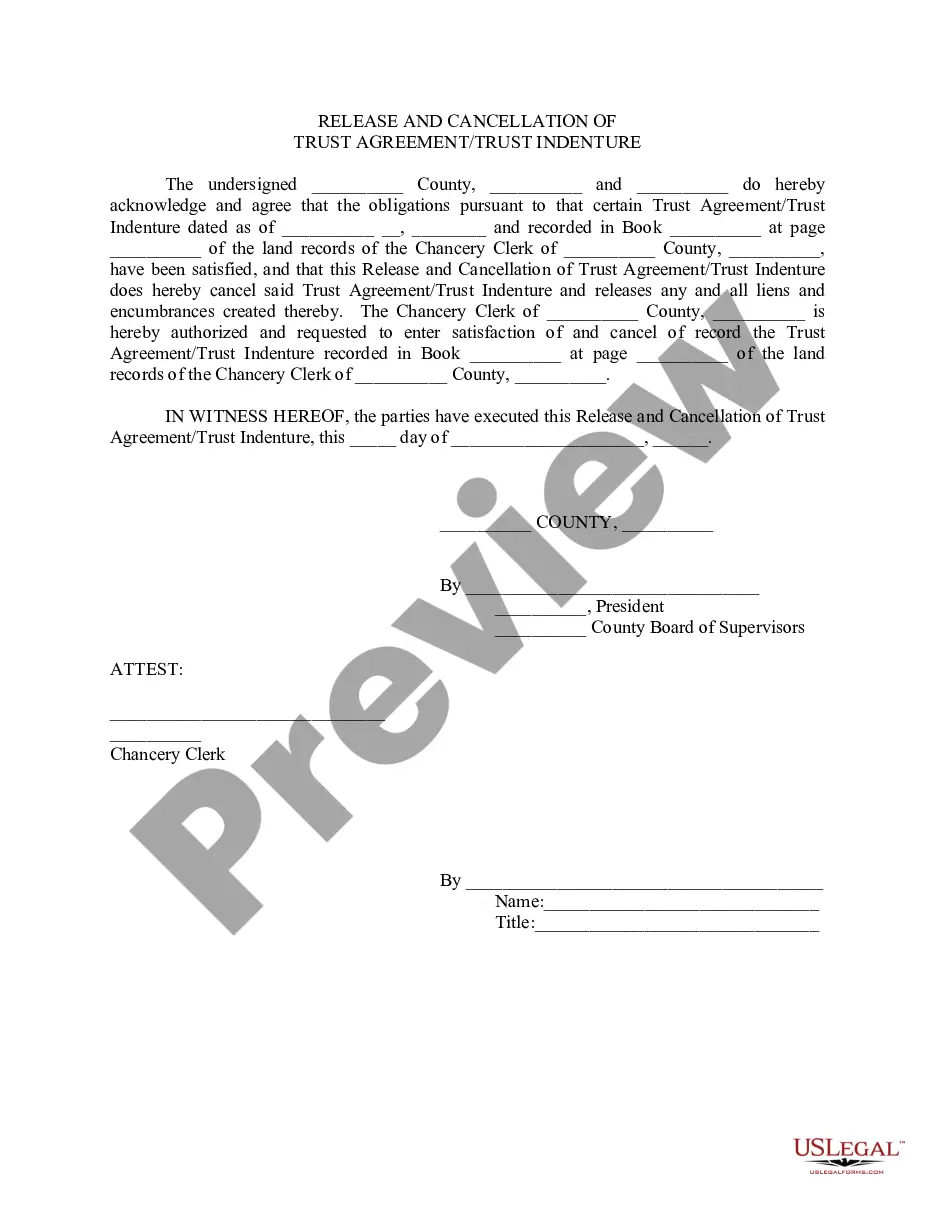
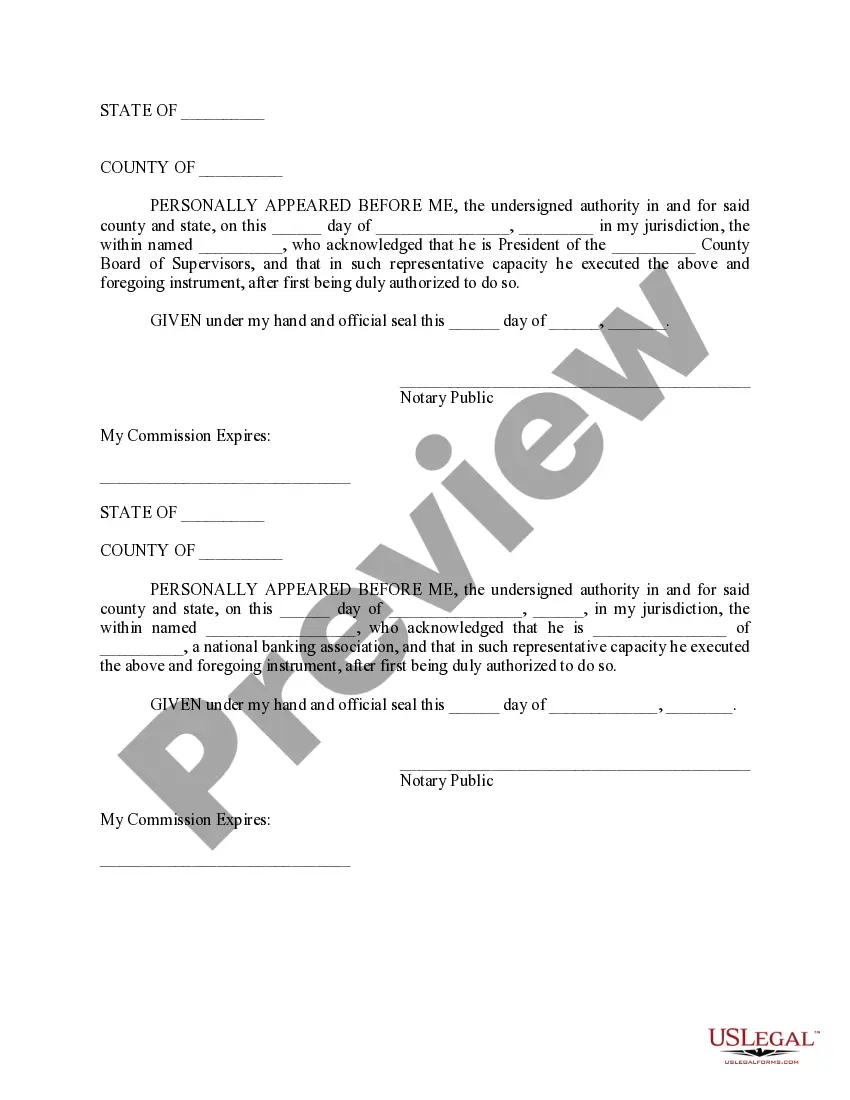
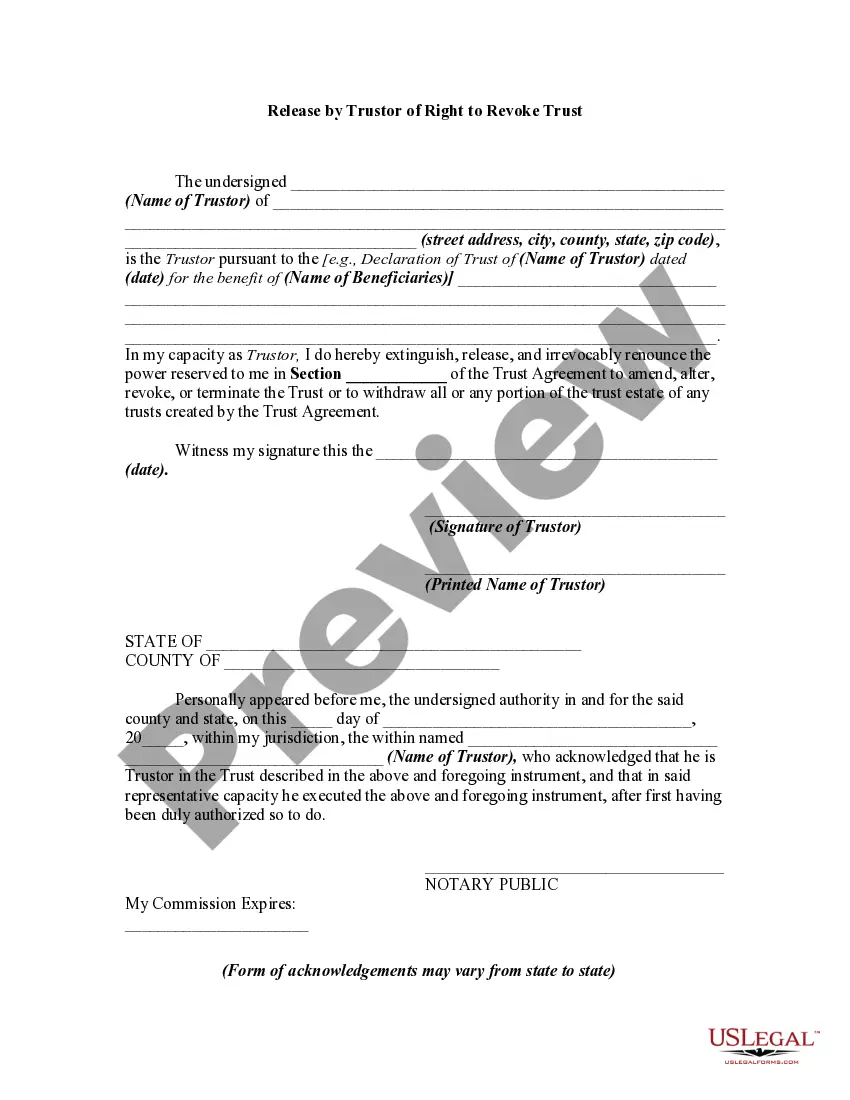
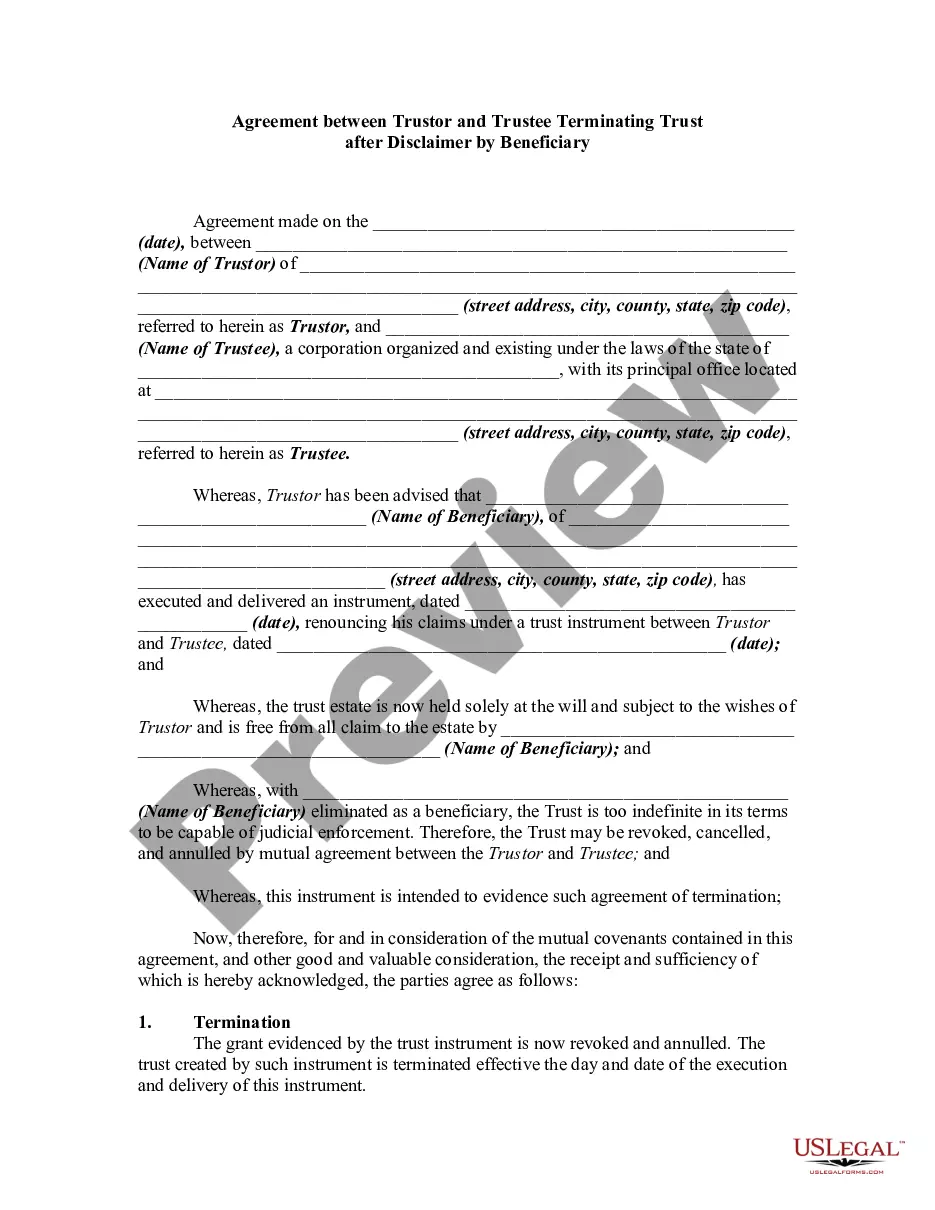
Get your form ready online
Our built-in tools help you complete, sign, share, and store your documents in one place.
Make edits, fill in missing information, and update formatting in US Legal Forms—just like you would in MS Word.
Download a copy, print it, send it by email, or mail it via USPS—whatever works best for your next step.
Sign and collect signatures with our SignNow integration. Send to multiple recipients, set reminders, and more. Go Premium to unlock E-Sign.
If this form requires notarization, complete it online through a secure video call—no need to meet a notary in person or wait for an appointment.
We protect your documents and personal data by following strict security and privacy standards.

Make edits, fill in missing information, and update formatting in US Legal Forms—just like you would in MS Word.

Download a copy, print it, send it by email, or mail it via USPS—whatever works best for your next step.

Sign and collect signatures with our SignNow integration. Send to multiple recipients, set reminders, and more. Go Premium to unlock E-Sign.

If this form requires notarization, complete it online through a secure video call—no need to meet a notary in person or wait for an appointment.

We protect your documents and personal data by following strict security and privacy standards.
Looking for another form?





Form popularity
FAQ
The term is used for any kind of deed executed by more than one party, in contrast to a deed poll which is made by one individual. In the case of bonds, the indenture shows the pledge, promises, representations and covenants of the issuing party.
The terms of the Indenture are tailored to reflect the specific type of transaction and issuer. Like credit agreements,1 an Indenture contains lending and repayment terms. In contrast to credit agreements, however, the lender is not a party to an Indenture.
Beginning in medieval England, an indenture can be defined as a specific agreement within a contract noted with a specific duration or significance. Indentures were initially used to convey land and for service contracts of seven years. Indentures still exist today.
What is the primary purpose of a bond indenture? To specify the bond's features and identify the issuer's sources of repayment. To provide a detailed history of the issuer's past financial performance.
Indenture refers to a legal and binding agreement, contract, or document between two or more parties. Traditionally, these documents featured indented sides or perforated edges.
The Indenture pledges certain revenues as security for repayment of the Bonds. The Trustee agrees to act on behalf of the holders of the Bonds and to represent their interests.
: required by contract to work for another for a certain period of time.
