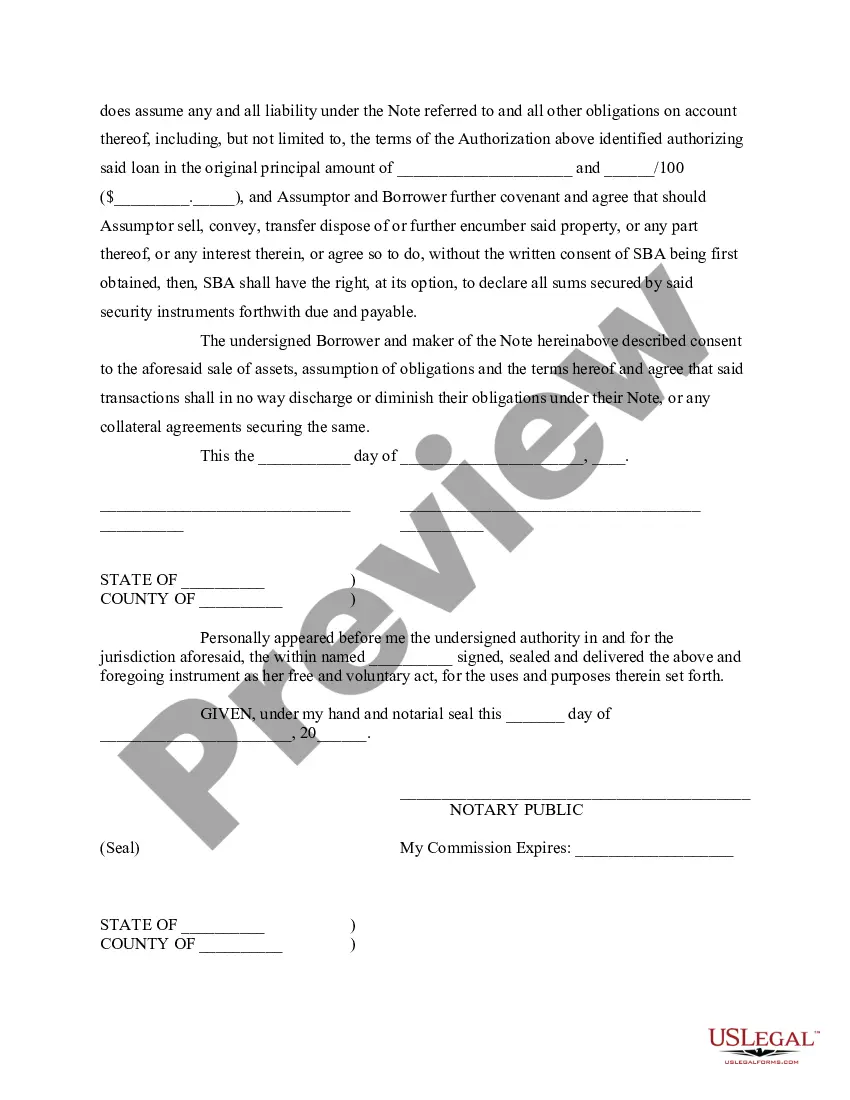
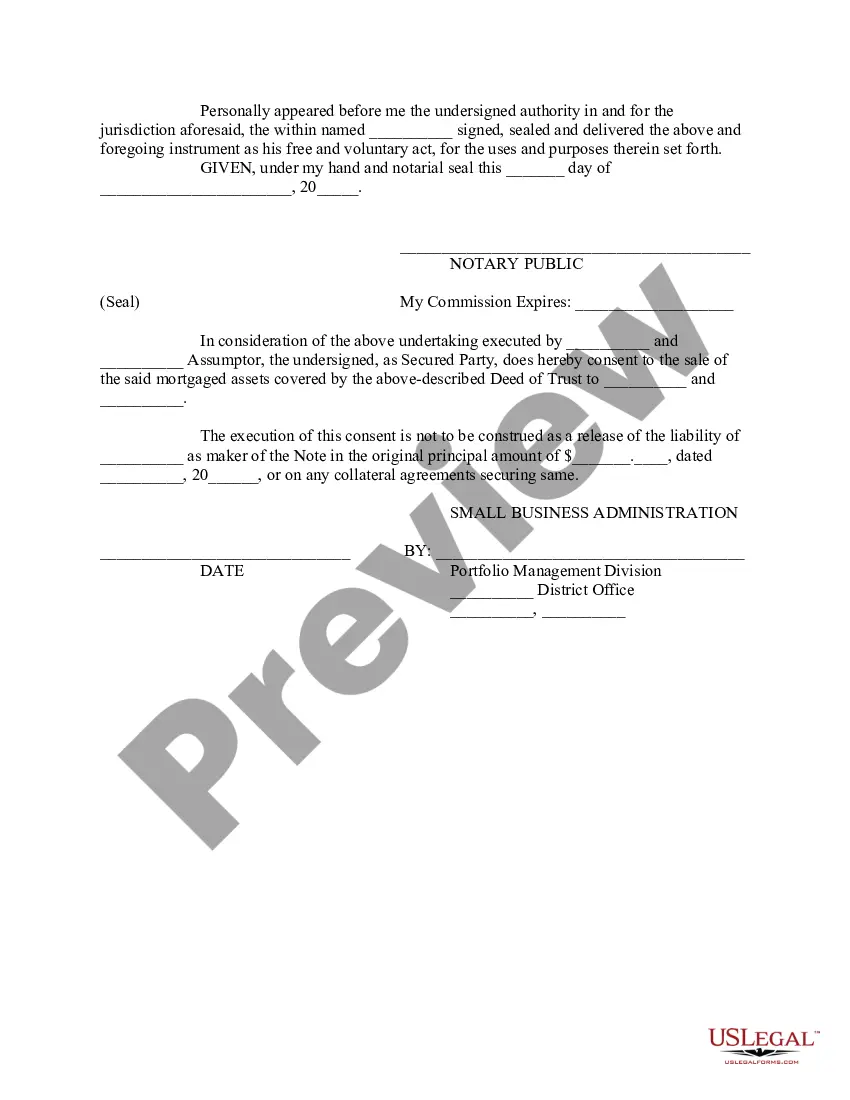
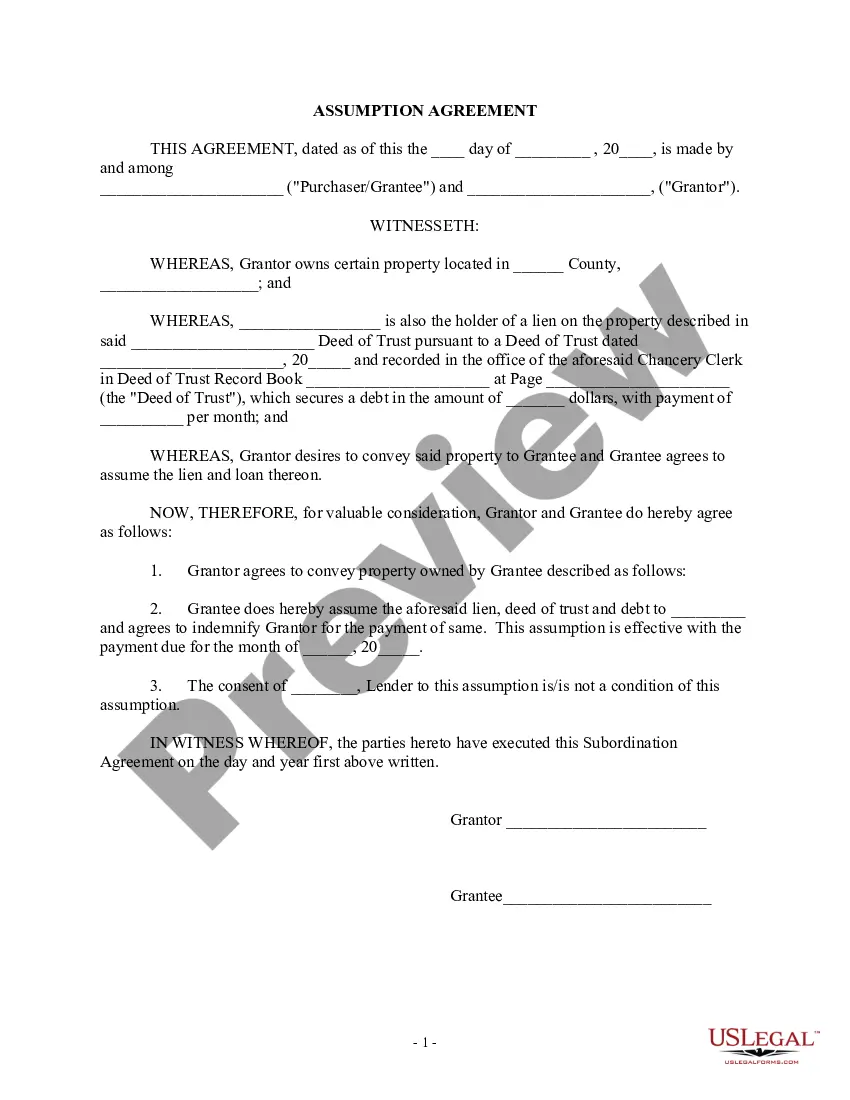
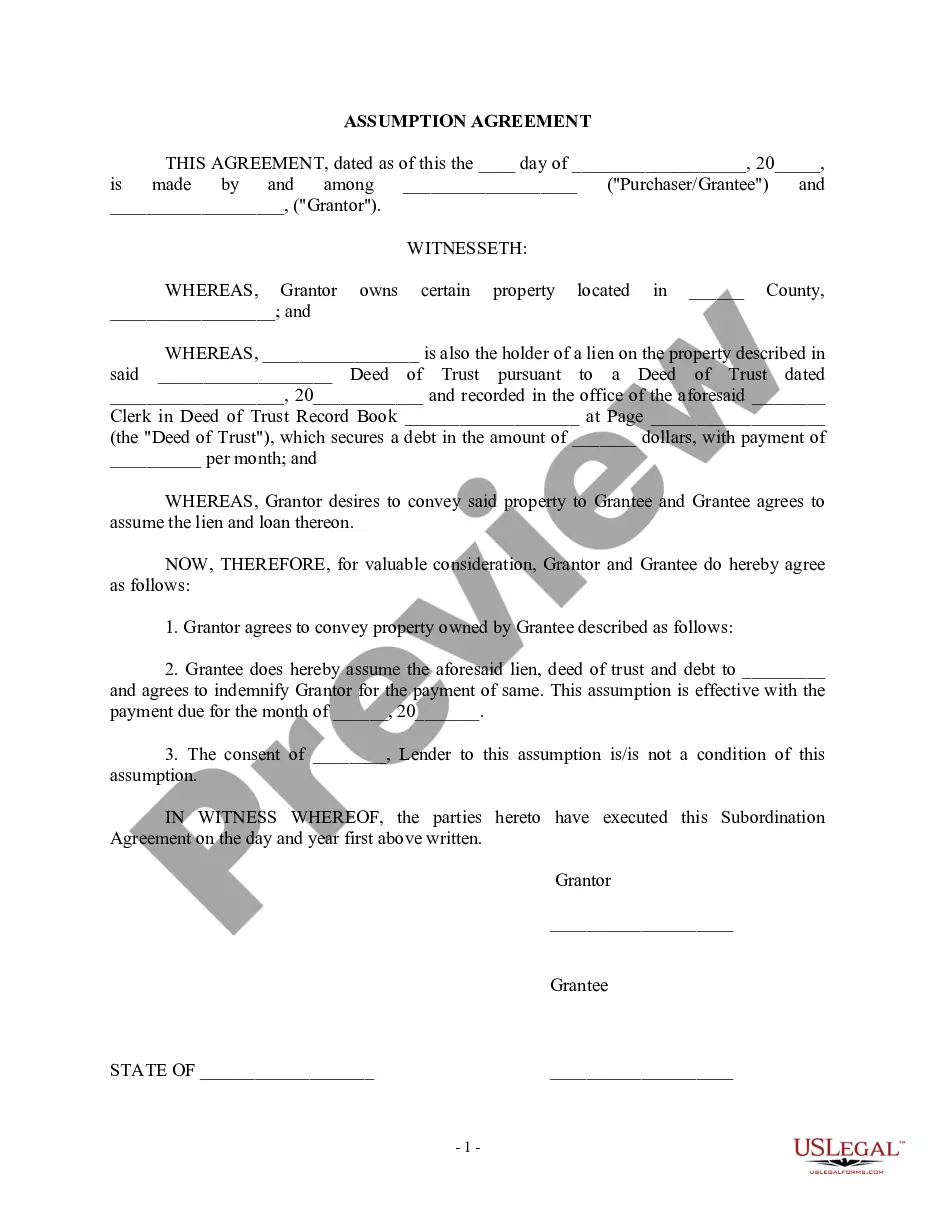
Sba Loan Agreement With Collateral Pdf In Riverside
Description

Get your form ready online
Our built-in tools help you complete, sign, share, and store your documents in one place.
Make edits, fill in missing information, and update formatting in US Legal Forms—just like you would in MS Word.
Download a copy, print it, send it by email, or mail it via USPS—whatever works best for your next step.
Sign and collect signatures with our SignNow integration. Send to multiple recipients, set reminders, and more. Go Premium to unlock E-Sign.
If this form requires notarization, complete it online through a secure video call—no need to meet a notary in person or wait for an appointment.
We protect your documents and personal data by following strict security and privacy standards.

Make edits, fill in missing information, and update formatting in US Legal Forms—just like you would in MS Word.

Download a copy, print it, send it by email, or mail it via USPS—whatever works best for your next step.

Sign and collect signatures with our SignNow integration. Send to multiple recipients, set reminders, and more. Go Premium to unlock E-Sign.

If this form requires notarization, complete it online through a secure video call—no need to meet a notary in person or wait for an appointment.

We protect your documents and personal data by following strict security and privacy standards.
Looking for another form?









Form popularity
FAQ
How to fill out SBA form 413 Provide basic business information. Report your assets. Report your liabilities. List your source of income and contingent liabilities to complete section 1. Detail your notes payable to banks and others in section 2. Detail the status of your stocks and bonds for section 3.
How to set up a personal net worth statement. List your assets (what you own), estimate the value of each, and add up the total. Include items such as. List your liabilities (what you owe) and add up the outstanding balances. Subtract your liabilities from your assets to determine your personal net worth.
To create a personal balance sheet: Add the value of all assets. List total under assets. Add the total obligations owed. List total under liabilities. Subtract the liabilities from the total assets to determine net worth. List the amount under personal equity.
Your Personal Financial Statement should include assets or debts that are yours alone (I-Individual), assets or debts that are jointly (J-Joint) held by you and a spouse or significant other, assets or debts that are held by a spouse or significant other (S-Spouse or Significant Other) that you enjoy the benefits of or ...
Approaching and Negotiating Lien Release When seeking a lien release, borrowers should approach the SBA with a well-prepared case that highlights the equity in their assets and the potential for a fair settlement.
That's exactly what a Personal Financial Statement is for—it's a snapshot of your personal financial position at a specific point in time. A step up from a spending plan, it lists your assets (what you own), your liabilities (what you owe) and your net worth (your liabilities subtracted from your assets).
It's important to note that all SBA loans require some form of collateral from the borrower.
In the November 2022 rule, SBA increased these thresholds for inflation. Currently, the net worth of an economically disadvantaged individual must be less than $850,000 (13 CFR 124.104(c)(2)), Income (AGI) (13 CFR 124.104(c)(3)) must be less than $400,000, and Total Assets (13 CFR 124.104(c)(4)) less than $6.5 million.
Individuals who own 20% or more of a small business applicant must provide an unlimited personal guaranty. SBA Lenders may use this form.
