Sba 7a Loan Agreement Form In Kings
Description

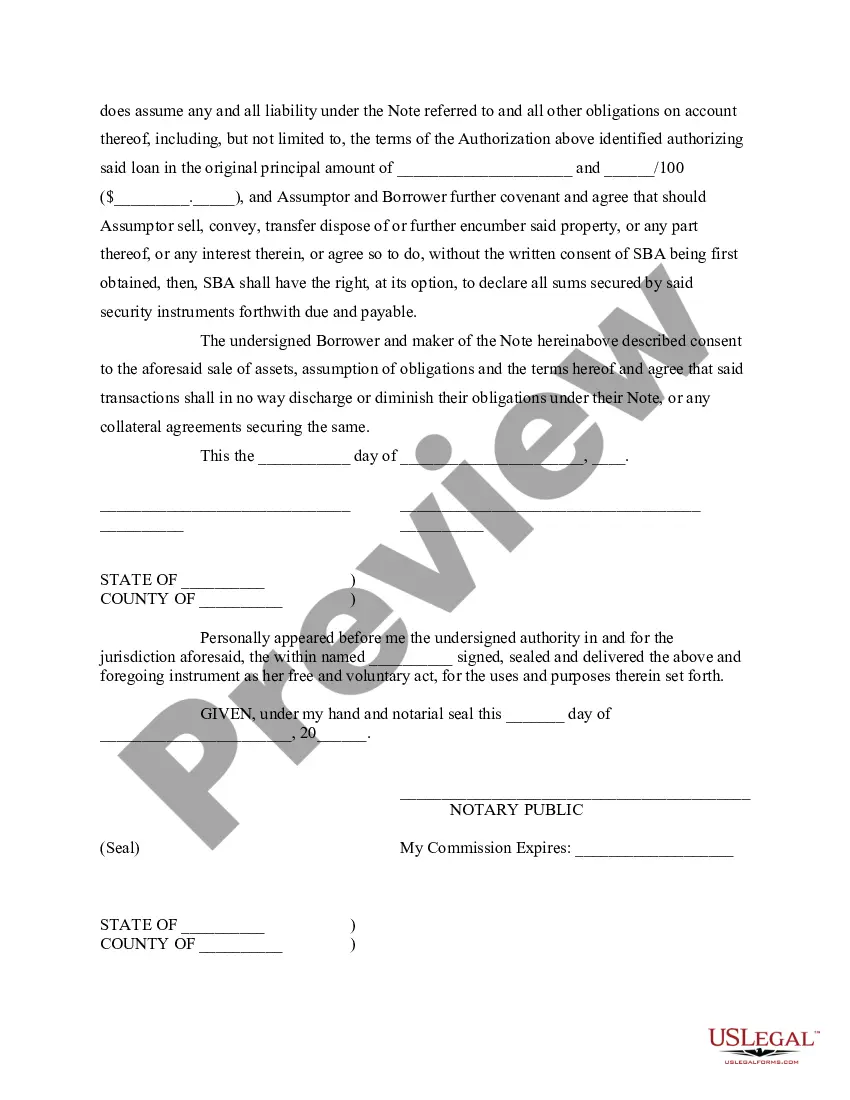
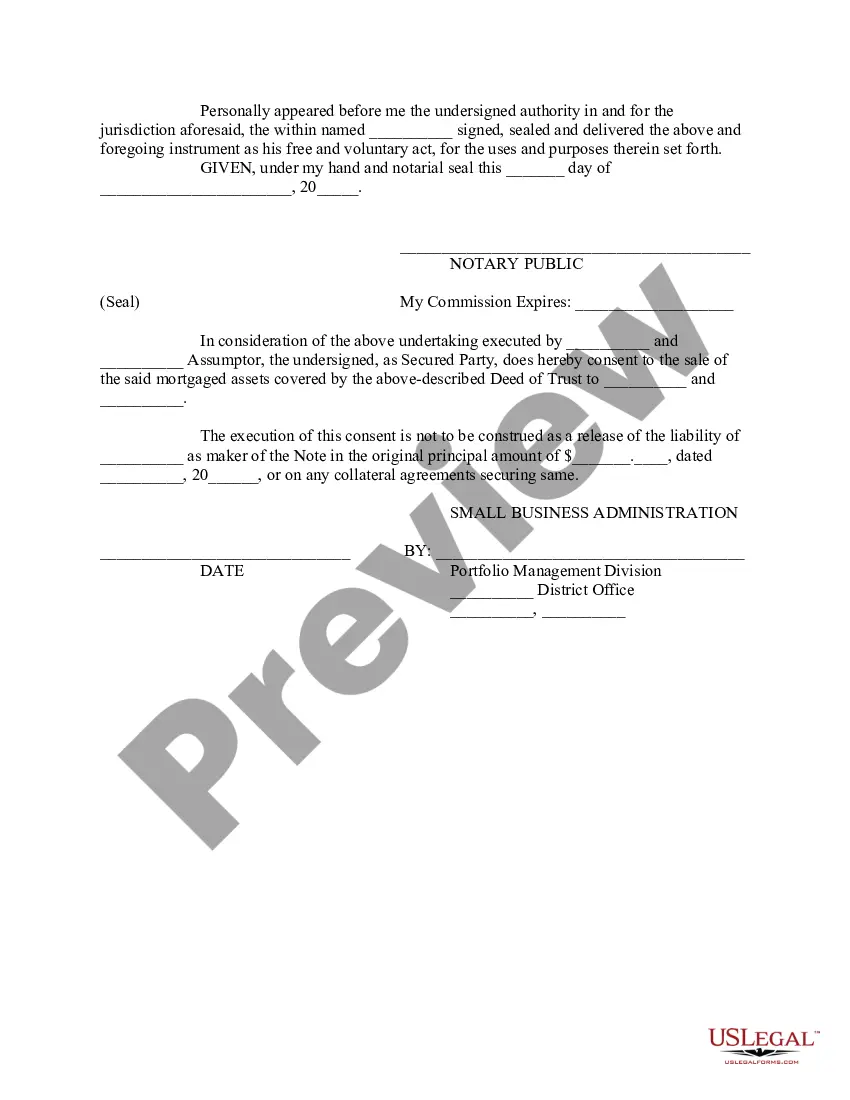
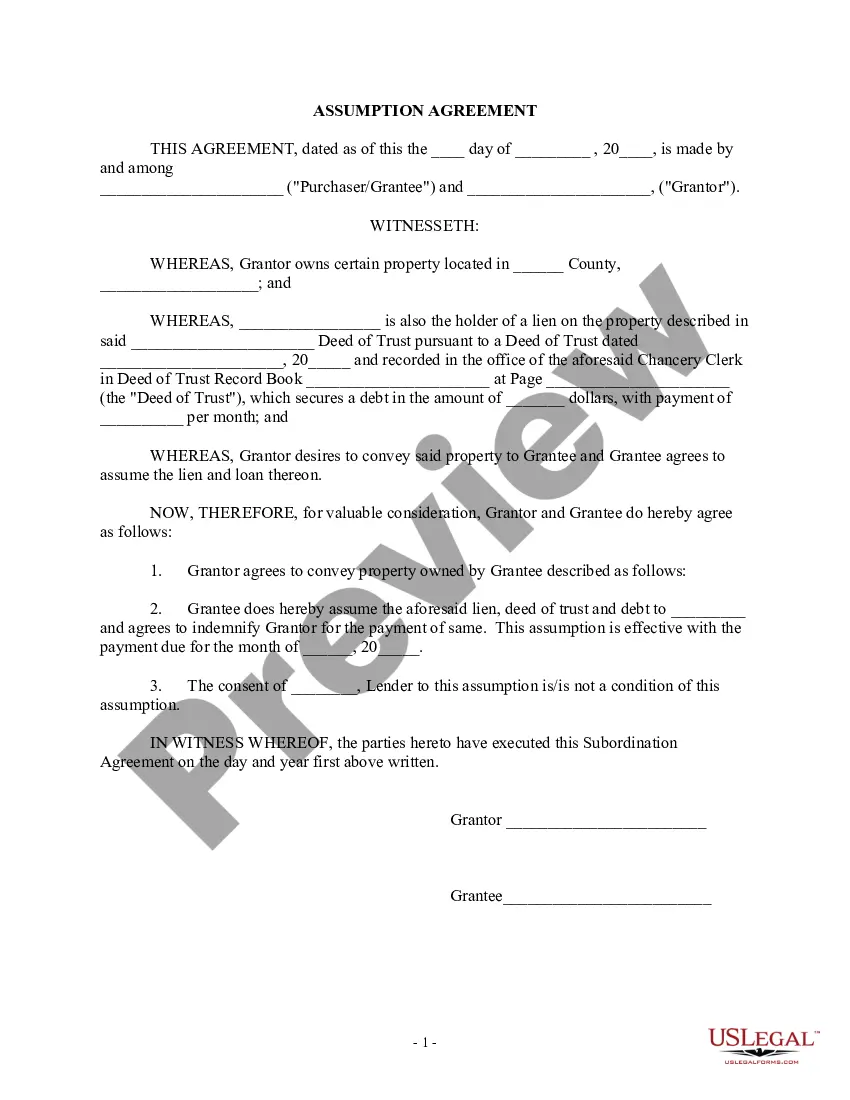
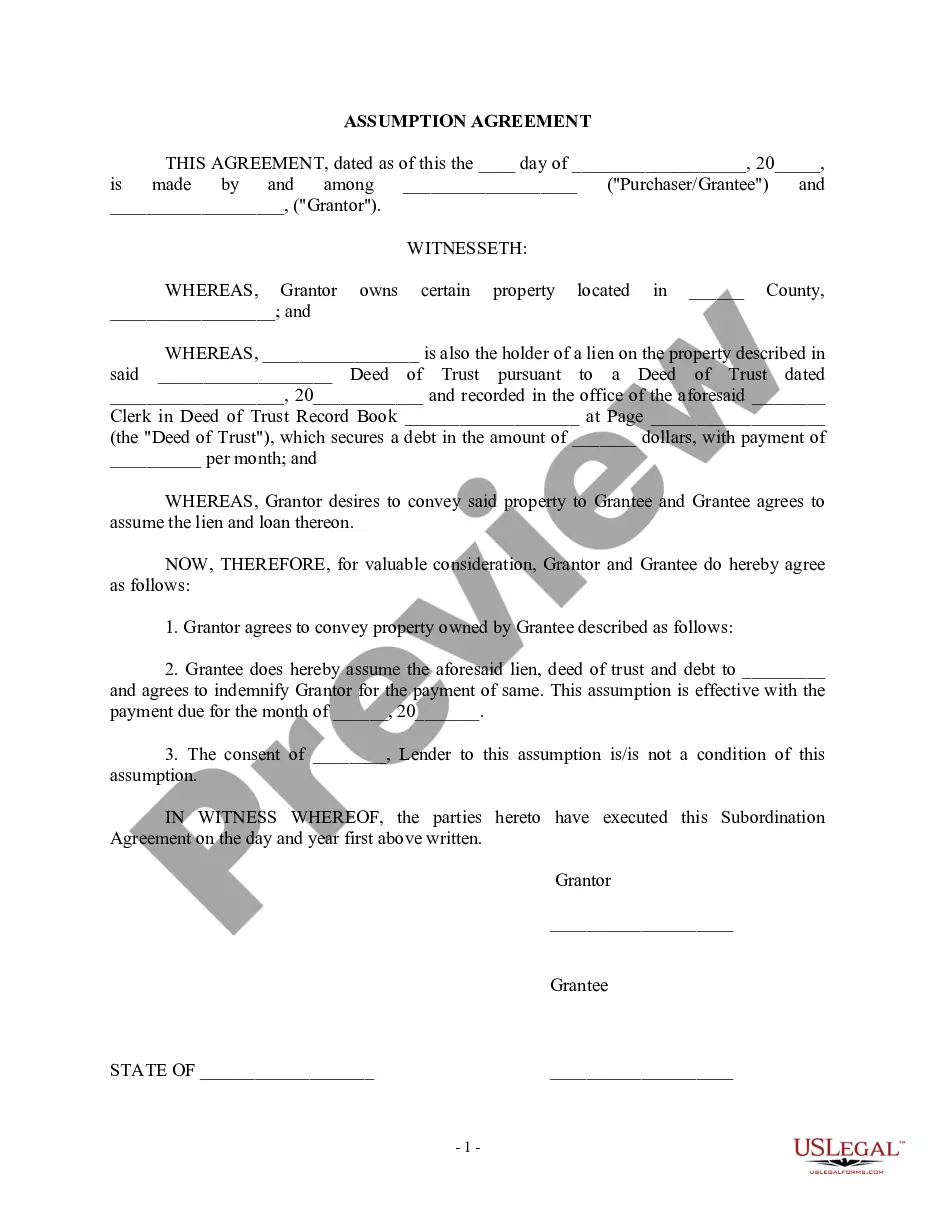
Get your form ready online
Our built-in tools help you complete, sign, share, and store your documents in one place.
Make edits, fill in missing information, and update formatting in US Legal Forms—just like you would in MS Word.
Download a copy, print it, send it by email, or mail it via USPS—whatever works best for your next step.
Sign and collect signatures with our SignNow integration. Send to multiple recipients, set reminders, and more. Go Premium to unlock E-Sign.
If this form requires notarization, complete it online through a secure video call—no need to meet a notary in person or wait for an appointment.
We protect your documents and personal data by following strict security and privacy standards.

Make edits, fill in missing information, and update formatting in US Legal Forms—just like you would in MS Word.

Download a copy, print it, send it by email, or mail it via USPS—whatever works best for your next step.

Sign and collect signatures with our SignNow integration. Send to multiple recipients, set reminders, and more. Go Premium to unlock E-Sign.

If this form requires notarization, complete it online through a secure video call—no need to meet a notary in person or wait for an appointment.

We protect your documents and personal data by following strict security and privacy standards.
Looking for another form?









Form popularity
FAQ
While some small business lenders still only require personal credit scores, the FICO SBSS business credit score is becoming increasingly commonplace. Most notably, SBA loans are only available to businesses with SBSS scores of at least 155. Most other lenders who use the score require a minimum threshold of 160 – 180.
How to fill out the SBA 7(a) Borrower Information Form Instructions? Gather necessary documents and business information. Complete Section I with Applicant details. Fill Sections II and III for individual and entity owners. Review the form for accuracy. Submit the completed form to your lender.
How to fill out SBA form 413 Provide basic business information. Report your assets. Report your liabilities. List your source of income and contingent liabilities to complete section 1. Detail your notes payable to banks and others in section 2. Detail the status of your stocks and bonds for section 3.
SBA assigns a size standard to each NAICS code. Most manufacturing companies with 500 employees or fewer, and most non-manufacturing businesses with average annual receipts under $7.5 million, will qualify as a small business.
Form 1919 gives the SBA crucial information about you, the borrower, and also facilitates a background check. Once you fill it out, you'll submit it to your participating lender (not to the SBA itself). You must answer each of its 22 questions, and the SBA may review your answers.
SBA Form 1920 has been retired as of August 1, 2023.
SBA Form 1919, or the Borrower Information Form, is part of a larger application process small businesses go through to obtain 7(a) loans. The seven-page form includes sections for information about the business, ownership interest, uses of funds, and the nature of the business, and was last updated in December 2023.
Here's the 10-step process for how to fill out SBA Form 1919: Fill In Your Business Identifying Information for Section 1. Answer Questions in Section 1 (Questions 1 - 16) Review Section 1: Sign and Date. Fill In Your Business Identifying Information for Section 2. Answer Questions in Section 2 (Questions 17 - 26)
