Escrow Release Form For Minors In Queens
Description
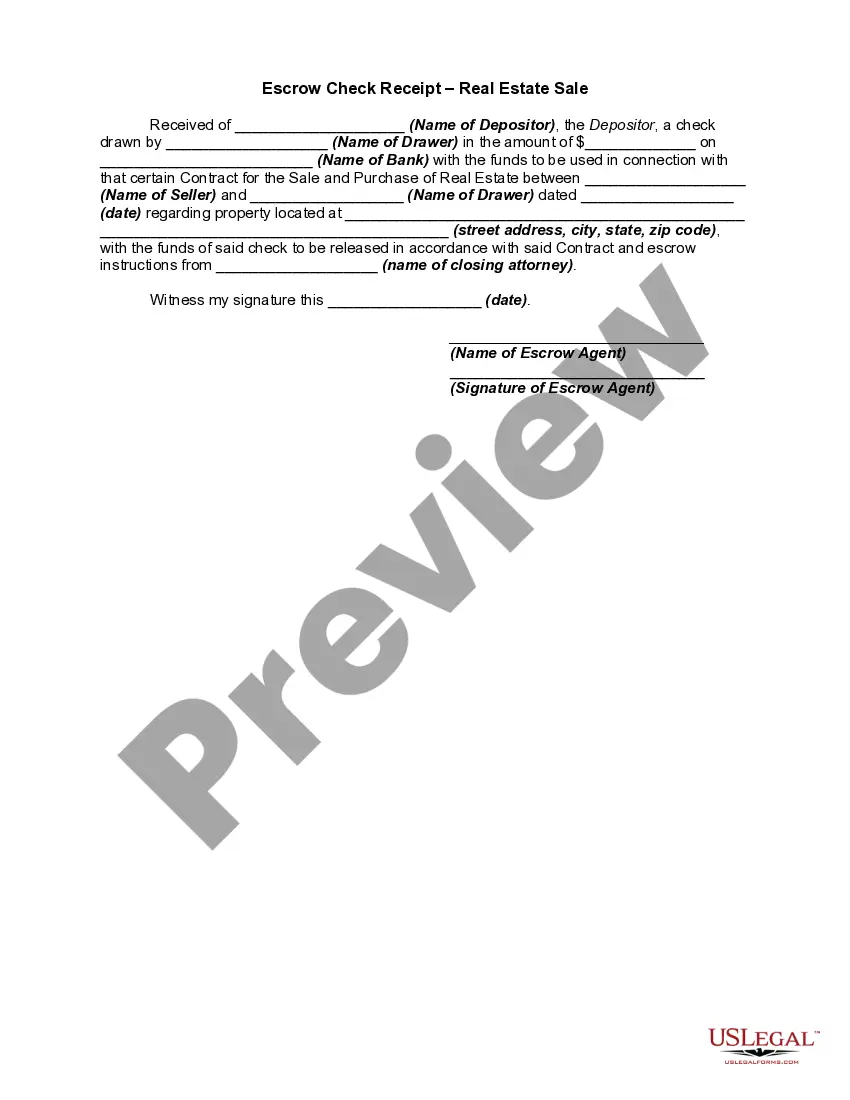
Get your form ready online
Our built-in tools help you complete, sign, share, and store your documents in one place.
Make edits, fill in missing information, and update formatting in US Legal Forms—just like you would in MS Word.
Download a copy, print it, send it by email, or mail it via USPS—whatever works best for your next step.
Sign and collect signatures with our SignNow integration. Send to multiple recipients, set reminders, and more. Go Premium to unlock E-Sign.
If this form requires notarization, complete it online through a secure video call—no need to meet a notary in person or wait for an appointment.
We protect your documents and personal data by following strict security and privacy standards.

Make edits, fill in missing information, and update formatting in US Legal Forms—just like you would in MS Word.

Download a copy, print it, send it by email, or mail it via USPS—whatever works best for your next step.

Sign and collect signatures with our SignNow integration. Send to multiple recipients, set reminders, and more. Go Premium to unlock E-Sign.

If this form requires notarization, complete it online through a secure video call—no need to meet a notary in person or wait for an appointment.

We protect your documents and personal data by following strict security and privacy standards.
Looking for another form?

Form popularity
FAQ
You can file suit against the landlord in NY supreme court (civil branch for your county) to recover damages for nuisance, for breach of warranty of habitability, peaceful enjoyment, infliction of emotional distress and harassment. You can also sue the offending neighbor as well.
If you want to start an HP action against the property owner, go to the Clerk's Office at the Housing Court. You do not need a lawyer to start an HP case. For more information about HP actions, visit the website of the New York State Unified Court System.
The escrow letter is typically issued by a title company and states that all necessary documents and funds related to the transaction have been received and will be processed when the transaction is completed.
The escrow agreement will provide the conditions under which you will receive a copy of the source code. The most common release conditions are (1) the software vendor ceases business or goes bankrupt and (2) the software vendor ceases to provide support and maintenance services.
They provide security for both parties in the transaction by ensuring that funds or assets are not released unless all agreed-upon conditions are met. They establish an impartial third party (the escrow agent) to handle the assets, reducing the risk of fraud or mismanagement.

