Escrow Release Form For Minors In Minnesota
Description
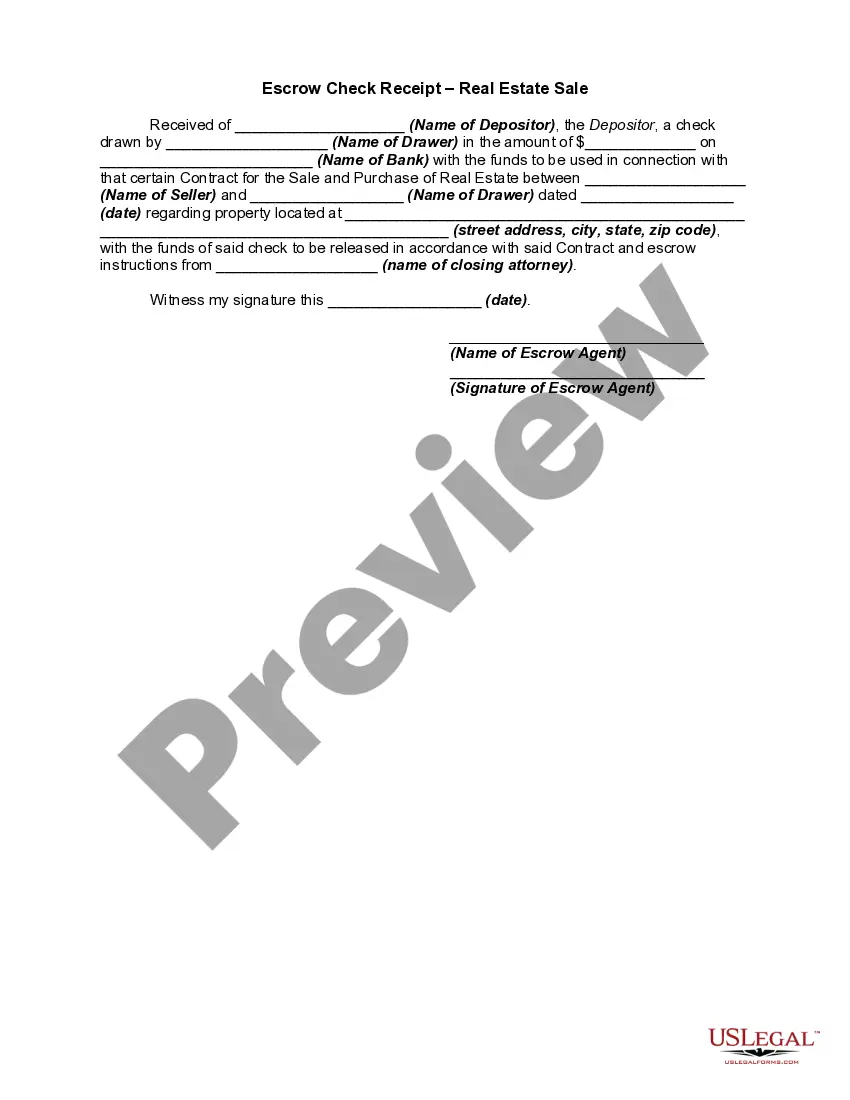
Get your form ready online
Our built-in tools help you complete, sign, share, and store your documents in one place.
Make edits, fill in missing information, and update formatting in US Legal Forms—just like you would in MS Word.
Download a copy, print it, send it by email, or mail it via USPS—whatever works best for your next step.
Sign and collect signatures with our SignNow integration. Send to multiple recipients, set reminders, and more. Go Premium to unlock E-Sign.
If this form requires notarization, complete it online through a secure video call—no need to meet a notary in person or wait for an appointment.
We protect your documents and personal data by following strict security and privacy standards.

Make edits, fill in missing information, and update formatting in US Legal Forms—just like you would in MS Word.

Download a copy, print it, send it by email, or mail it via USPS—whatever works best for your next step.

Sign and collect signatures with our SignNow integration. Send to multiple recipients, set reminders, and more. Go Premium to unlock E-Sign.

If this form requires notarization, complete it online through a secure video call—no need to meet a notary in person or wait for an appointment.

We protect your documents and personal data by following strict security and privacy standards.
Looking for another form?










Form popularity
FAQ
Landlords can refuse a rent payment from their tenant, but only with good reason. Refusing rent may cause legal complications and landlords contemplating this option should make sure they understand local tenancy laws—or consult a lawyer—before going any further.
A new tenant-landlord law protects renters by amending housing lease provisions, allowing tenants to organize to improve living conditions, and providing further protection for victims of domestic and sexual violence.
A rent escrow action is a legal way for a residential tenant to bring a claim that requires the landlord to make needed repairs or to comply with the terms of the lease. The court can only hear cases involving residential property located in its own county.
In general, an eviction from start to finish takes fewer than 30 days in Minnesota, but some cases do take longer. This does not mean that if you are a landlord and you retain an attorney to evict a tenant that they will be out in less than 30 days.
The 2024 Tenant's Rights Policy Bill includes provisions to safeguard tenants' right to organize, protect tenant survivors of domestic violence, clarify tenant's rights to emergency services, prohibit rental discrimination based on public assistance, and more.
§ 504B. 321 subd. 1a requires rental properties to provide a 14-day written notice to renters before filing an eviction if it is for nonpayment of rent or another financial obligation. Note: Local government rule or law may require a longer period of notice before filing.
A tenancy at will may be terminated by either party by giving notice in writing. The time of the notice must be at least as long as the interval between the time rent is due or three months, whichever is less.
Requirements to File a Rent Escrow: Attach a copy of the Code Inspection Report by the inspector OR the tenant's letter to the landlord requesting repairs (Case can be filed if the tenant does not have a copy). Deposit any rent that is owed with the court. Personal checks are not accepted.

